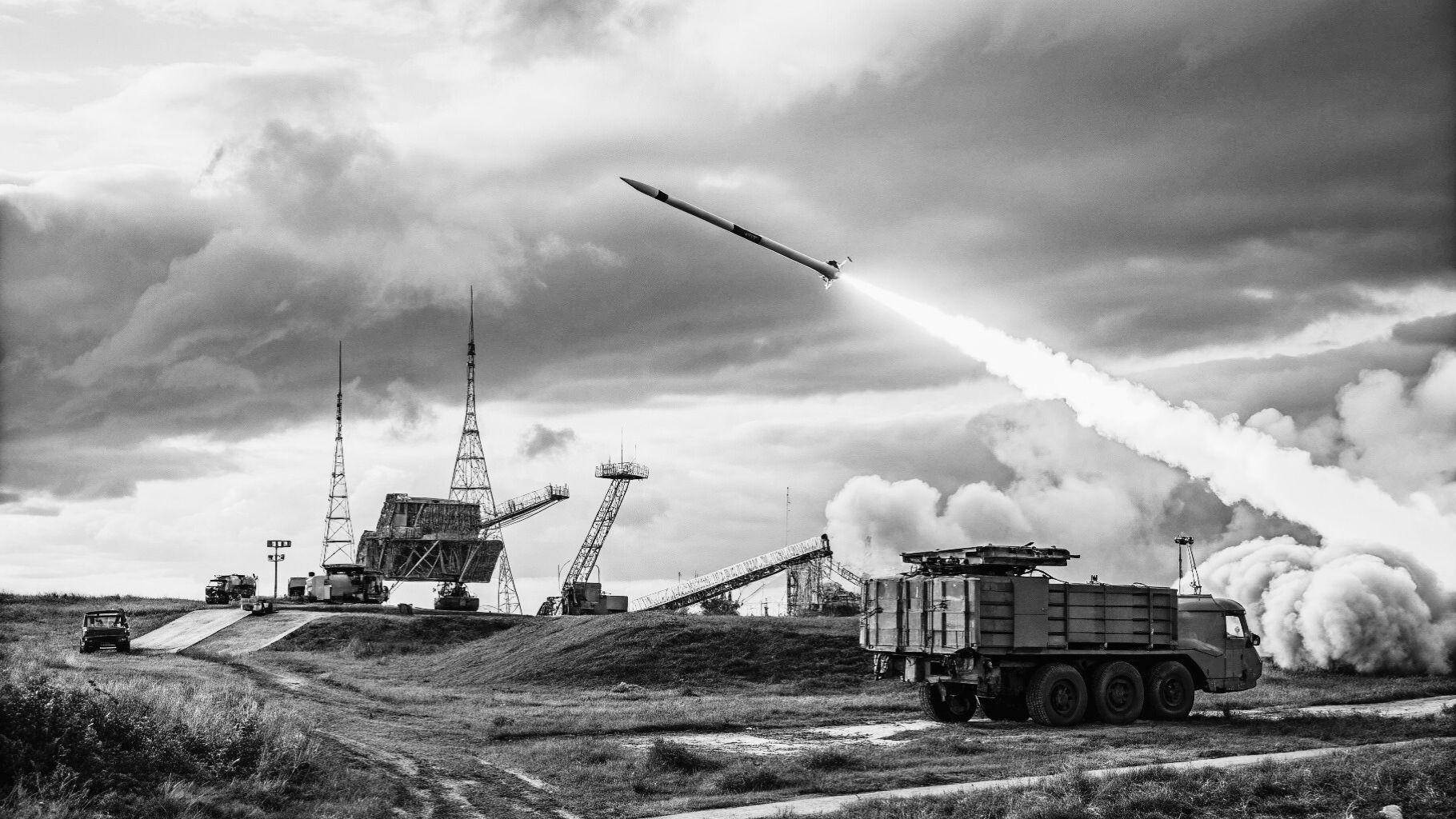
The US Army is executing a wide-ranging modernization initiative aimed at countering advanced air, missile, and space threats from adversaries like China and Russia, who continue to expand their strike and space capabilities.
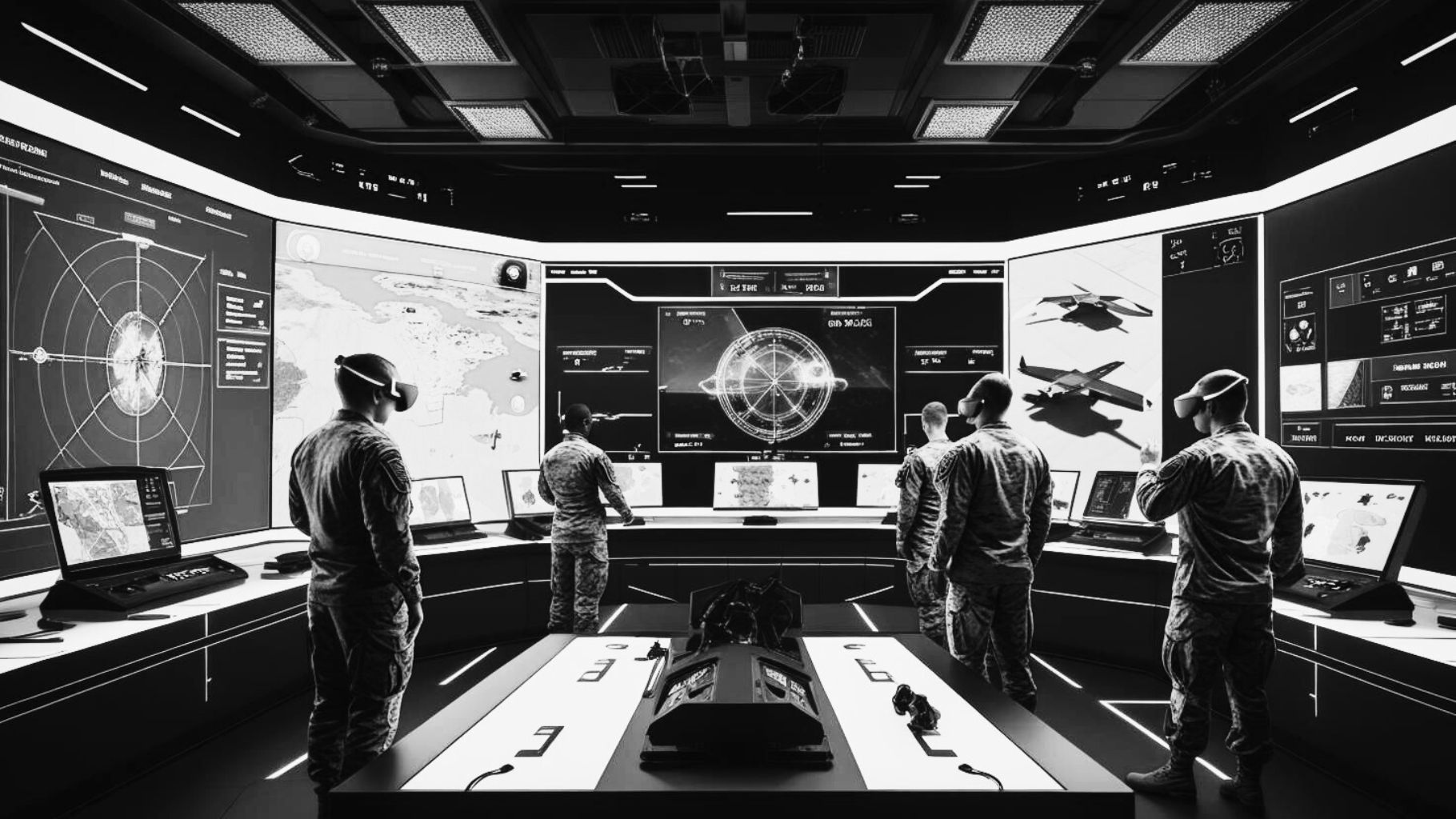
At a recent conference in Alabama, Lt. Gen. Sean Gainey, commander of the Space and Missile Defense Command, emphasized a shift toward integrated deterrence across contested domains. The approach includes the deployment of AI-enabled systems, expansion of counter-space capabilities, and improved coordination across air, missile, and space operations.
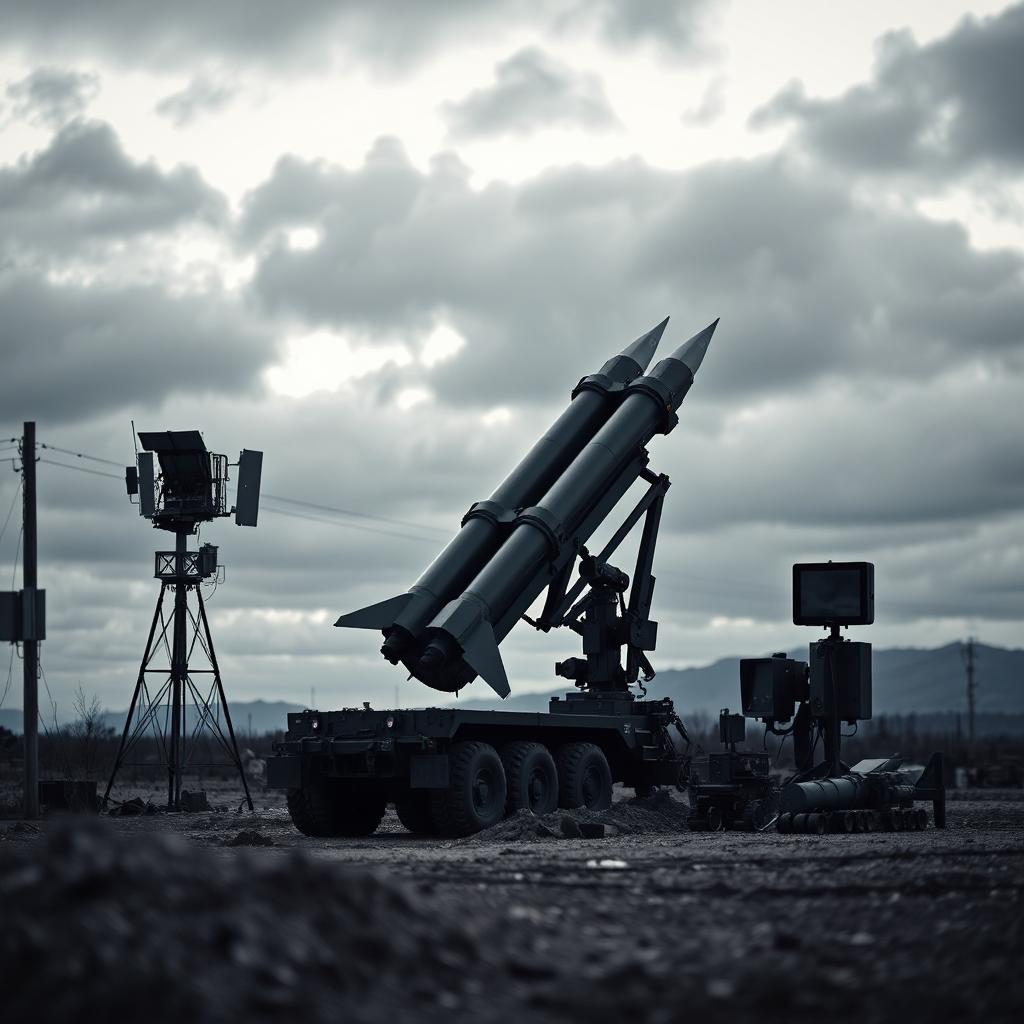
The Army is expanding its force structure with new units, including Patriot battalions equipped with the Lower-Tier Air-and-Missile Defense Sensor (LTAMDS), Indirect Fire Protection Capability (IFPC) battalions, and Counter-UAS batteries to support a layered, resilient air defense posture informed by lessons from Ukraine and the Middle East.
In October, the Army will also introduce its first enlisted space-specific role, the 40D Space Operations MOS, aimed at providing direct space support and integrating space capabilities into corps-level training.
2040 Vision
Gainey outlined the 2040 Air and Missile Defense Strategy, calling for modular, rapid-response formations integrated with joint and allied forces. These formations will rely on AI-driven decision-making, human-machine teaming, and both offensive and defensive launch systems.
The Space and Missile Defense Command will continue collaborating with US Northern Command, Space Command, and the Missile Defense Agency to shape future homeland defense architecture.