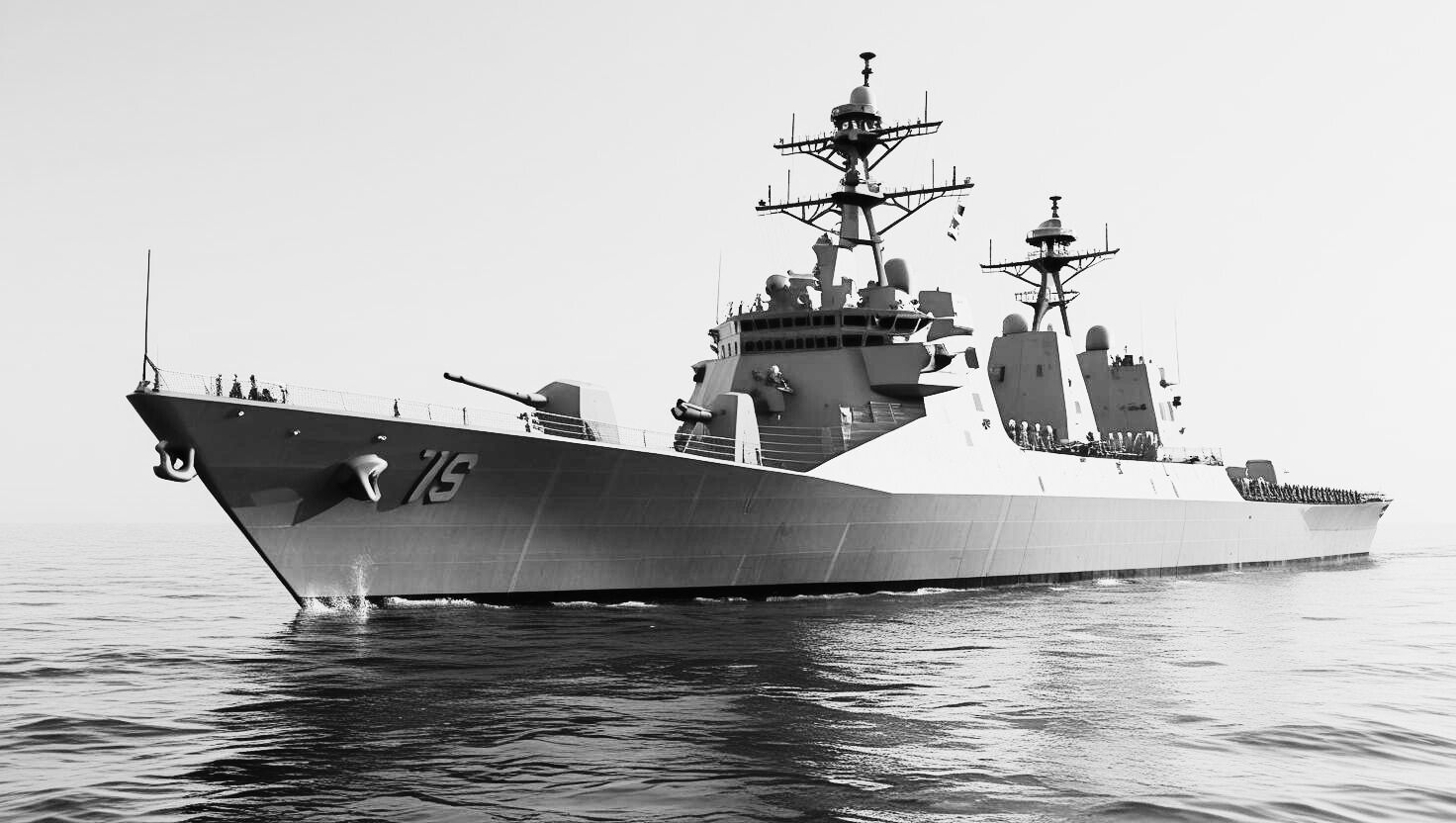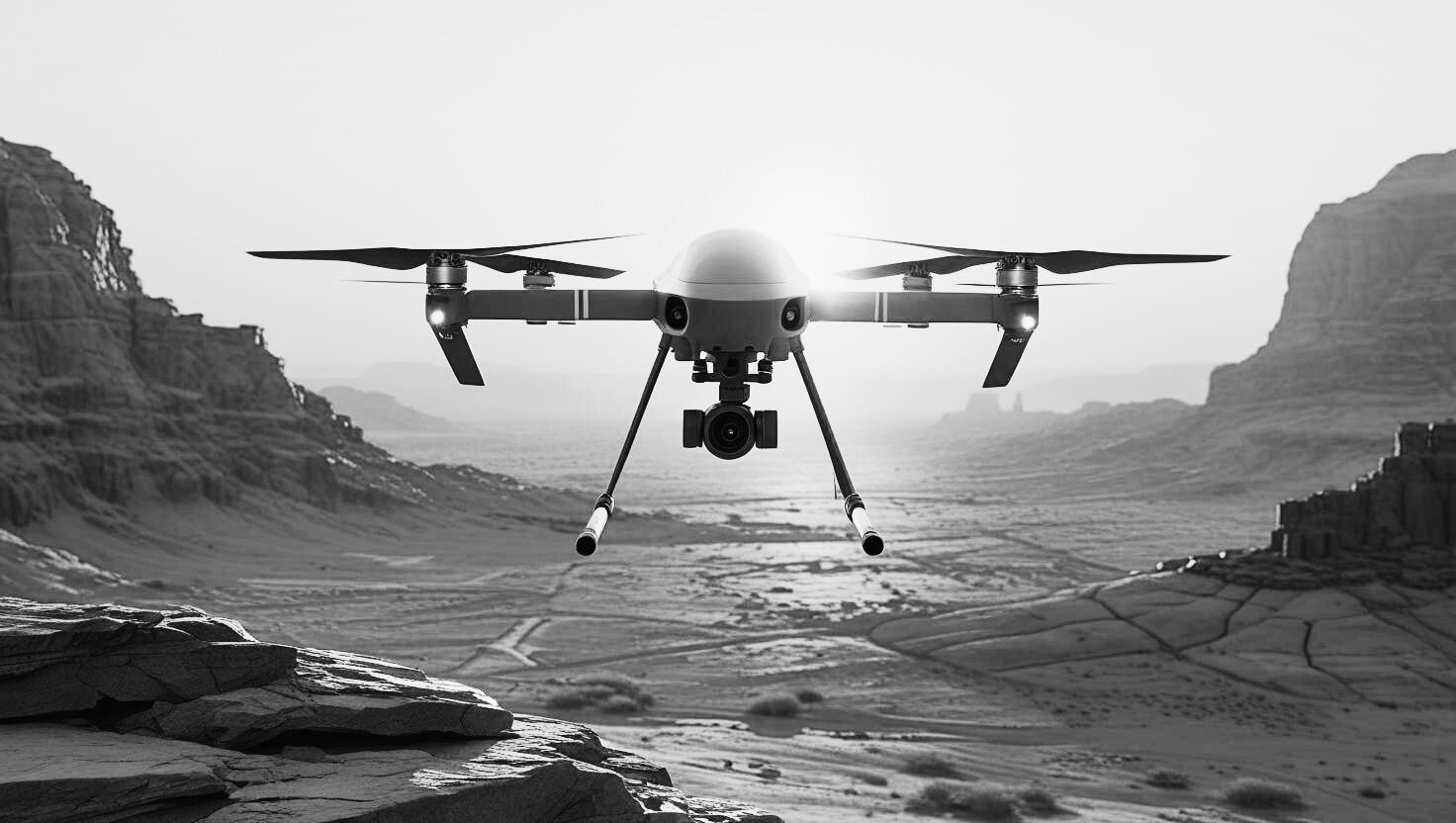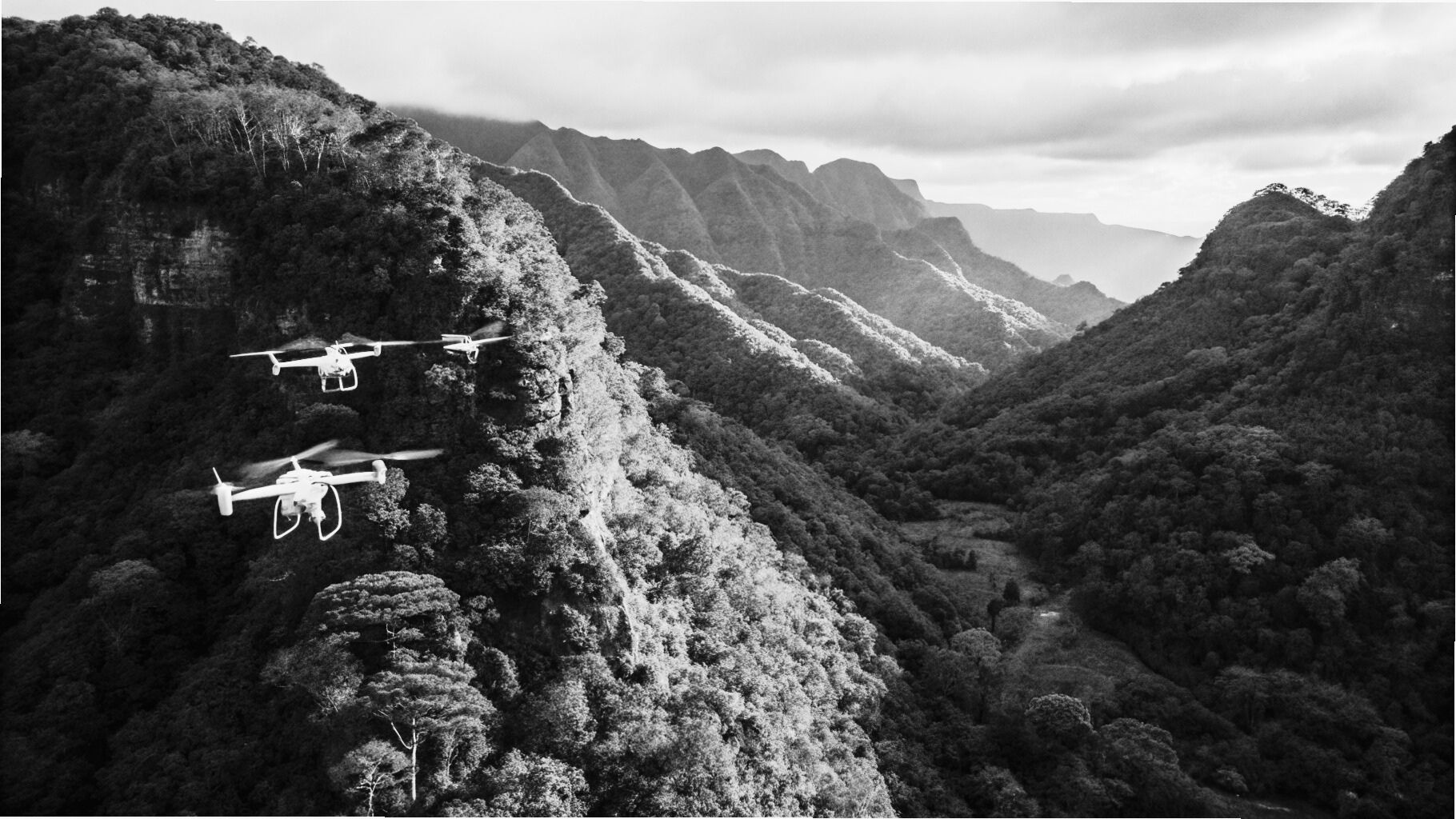
Chinese naval researchers have outlined a multilayered defense network designed to shield warships from mass attacks by inexpensive unmanned aerial systems (UAS).
Dubbed a modern “Great Wall,” the system is intended to intercept and neutralize drone swarms before they can threaten naval assets. The findings, published in the journal Command Control & Simulation, caution that low-cost drones built with commercial parts could overwhelm conventional defenses.
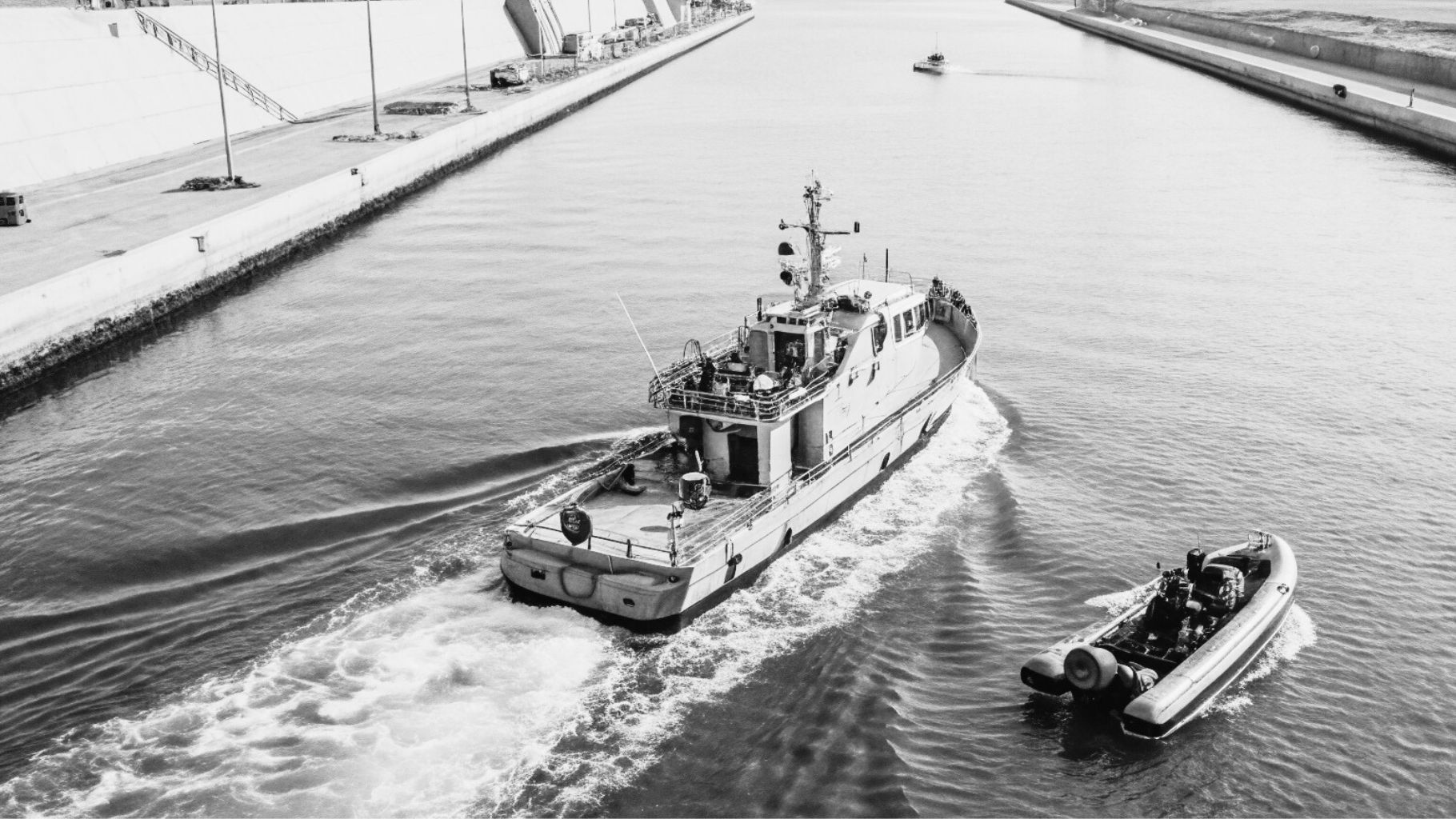
In parallel with strengthening air defenses, China is developing its own drone swarms for reconnaissance and surveillance. A key step in this effort came in 2022 with the launch of the Zhu Hai Yun, a 290-foot (88-meter) unmanned “drone mothership.” The vessel, equipped with a wide deck, can deploy multiple aerial and surface platforms at speeds up to 18 knots (33 kilometers per hour). It can be controlled remotely or manually while in port.
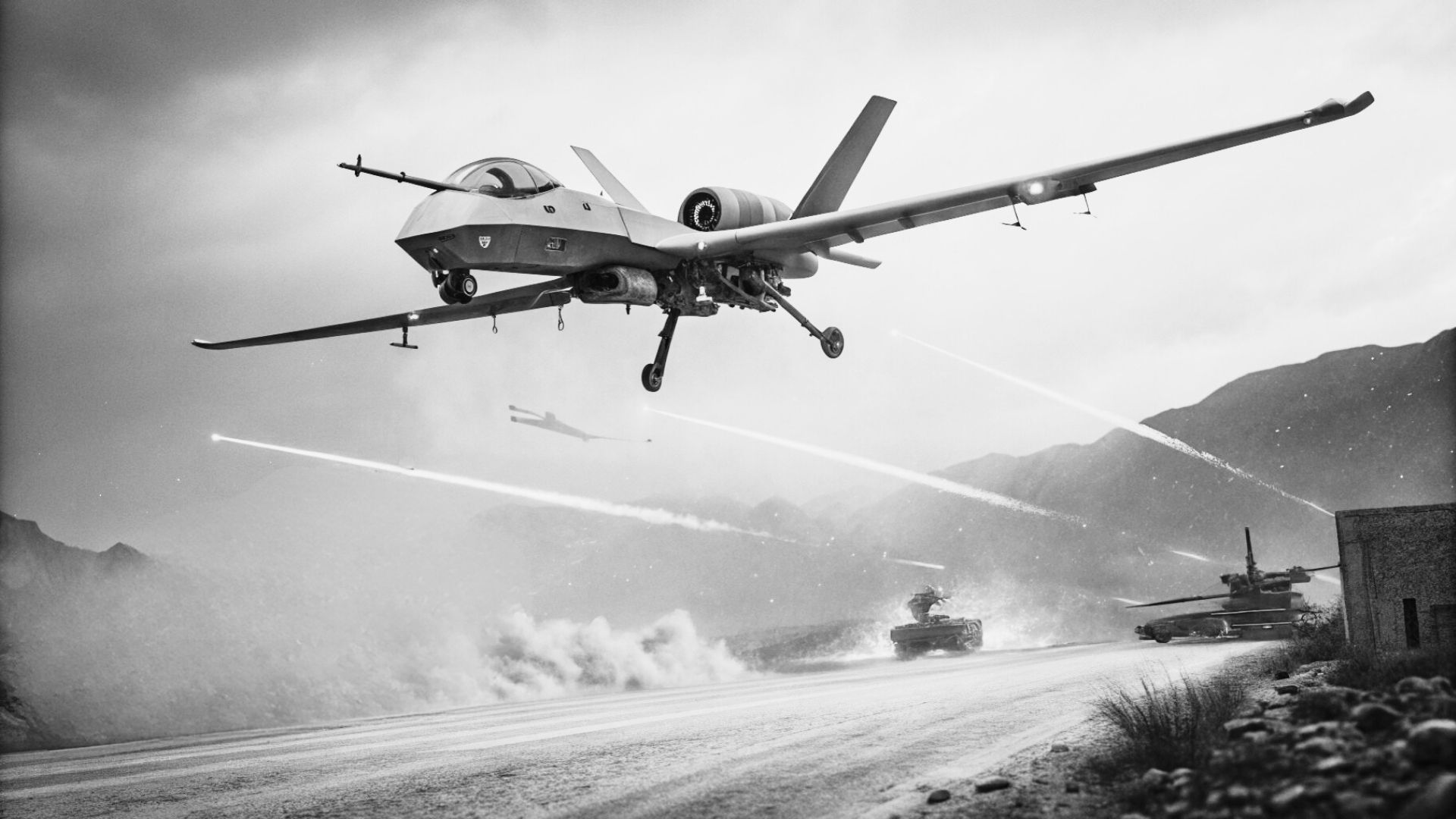
This was followed in 2024 by the debut of the Jiu Tian airborne mothership, capable of releasing up to 100 kamikaze drones. Powered by a single engine, the aircraft can reach 435 miles (700 kilometers) per hour, carry payloads of 6.6 tons (14,550 pounds), and fly up to 4,350 miles (7,000 kilometers). According to the US Department of Defense, it features an electro-optical/infrared sensor turret and a surface-scanning radar dome.
With a wingspan of 82 feet (25 meters), length of 52 feet (16 meters), and endurance of more than 12 hours, Jiu Tian is designed for missions ranging from reconnaissance and maritime surveillance to cargo delivery, disaster relief, and long-range strike support.