Nacional AM has reported that the Paraguayan Army is set to introduce 105 mm self-propelled artillery for the first time, following a planned equipment transfer from Brazil announced by Army Commander General Manuel Rodríguez. As stated on Paraguay’s public radio service, Brazil intends to donate six M108 tracked self-propelled howitzers, a move that would represent a notable shift in Paraguay’s land-based fire-support structure. The transfer reflects growing defence cooperation between the two countries, with surplus Brazilian platforms being used to accelerate capability development while minimizing acquisition costs for Paraguay.
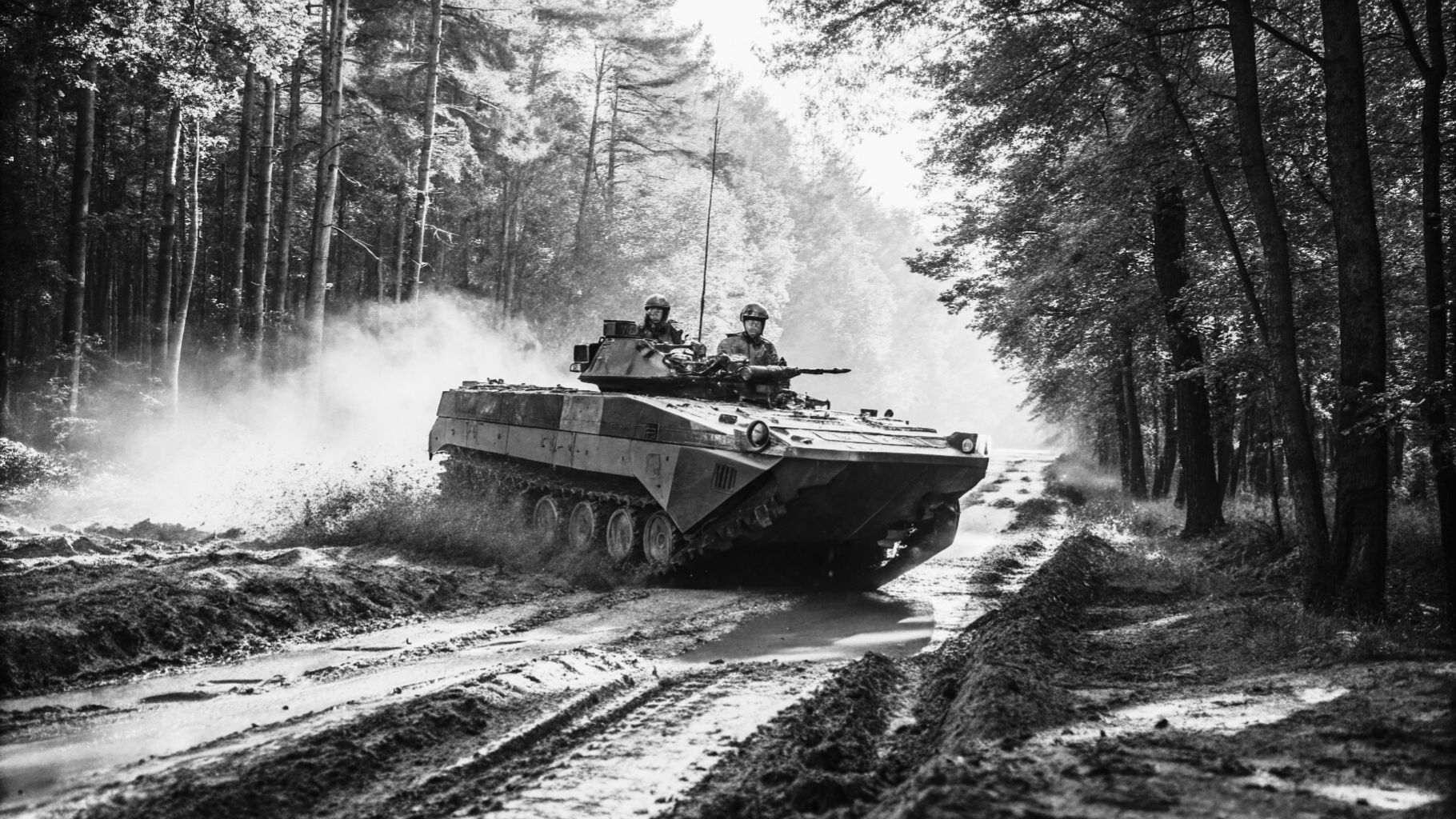
The M108 is a U.S.-designed 105 mm self-propelled howitzer developed in the early 1960s, sharing its tracked chassis lineage with the better-known 155 mm M109. Designed to provide mobile indirect fire support to maneuver units, the system features a fully rotating turret and armored mobility, enabling rapid shoot-and-scoot operations. Typically operated by a five-member crew, the vehicle carries a substantial onboard ammunition load and mounts a heavy machine gun for close-range protection. With road speeds in the 55–60 km/h range and an operational reach of approximately 350 km, the M108 was intended to operate alongside mechanized forces. Its effective firing range of roughly 11–12 km with standard ammunition is shorter than that of modern 155 mm systems but remains adequate for responsive tactical support.
The M108 entered service during the Cold War and saw operational use during the Vietnam era, before U.S. forces transitioned toward heavier 155 mm self-propelled artillery. Brazil became one of the largest users after acquiring 72 M108s from U.S. Army stocks in the early 1970s. The vehicles remained in service for decades, benefiting from local modernization efforts in the early 1980s, including engine replacements carried out by Motopeças. Eventually, however, ageing systems and the limitations of the 105 mm caliber led Brazil to retire the type, with decommissioning completed between 2017 and 2018 as M109A5+ howitzers entered service.
Brazil has previously used surplus M108s as a tool of regional defence diplomacy. Uruguay received the system at no cost, enabling its army to establish a self-propelled artillery capability and retire legacy M101 towed guns. This experience highlights how even small numbers of tracked artillery platforms can catalyse organizational and doctrinal change, shifting forces toward more mobile and survivable fire-support concepts.