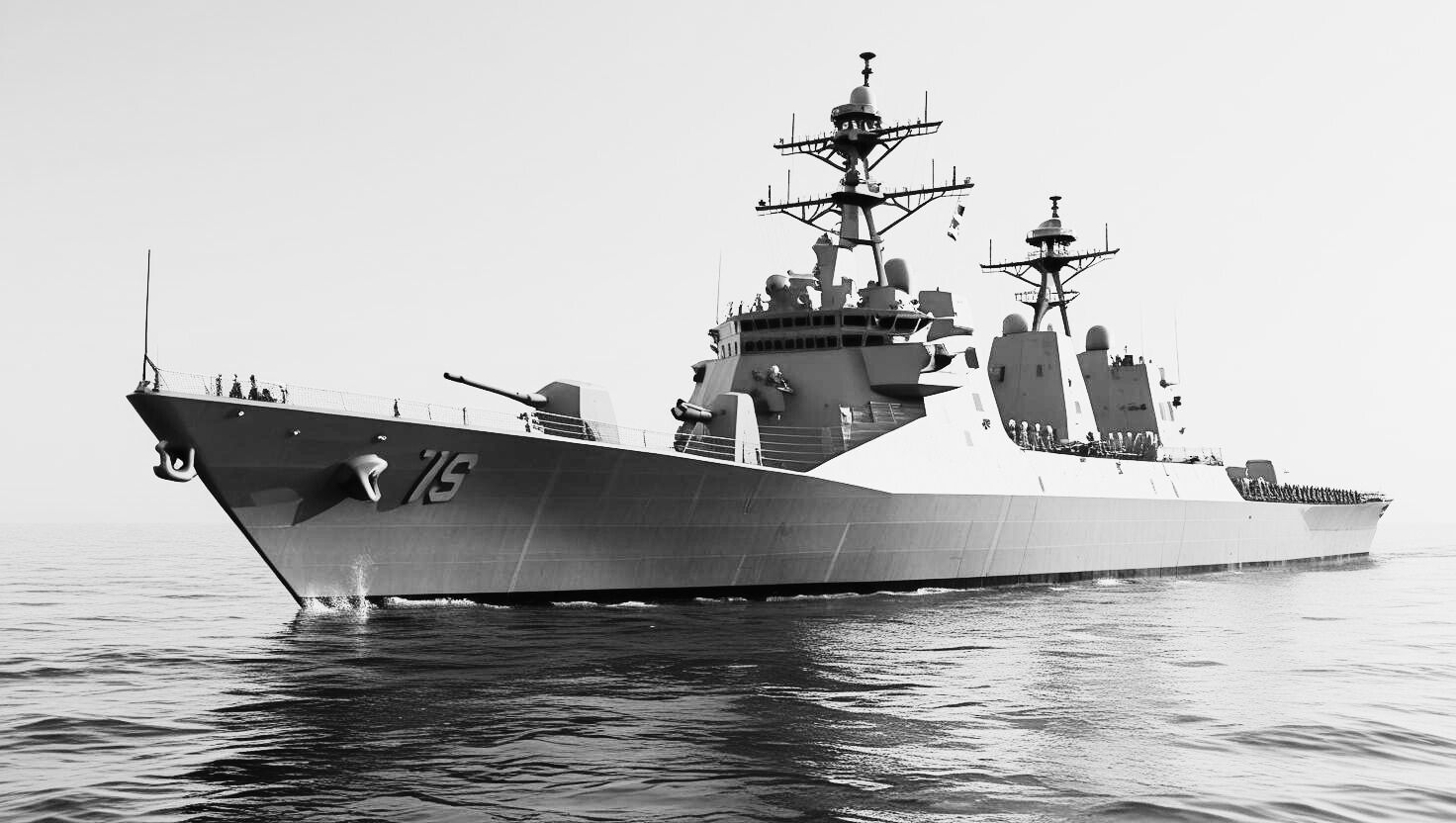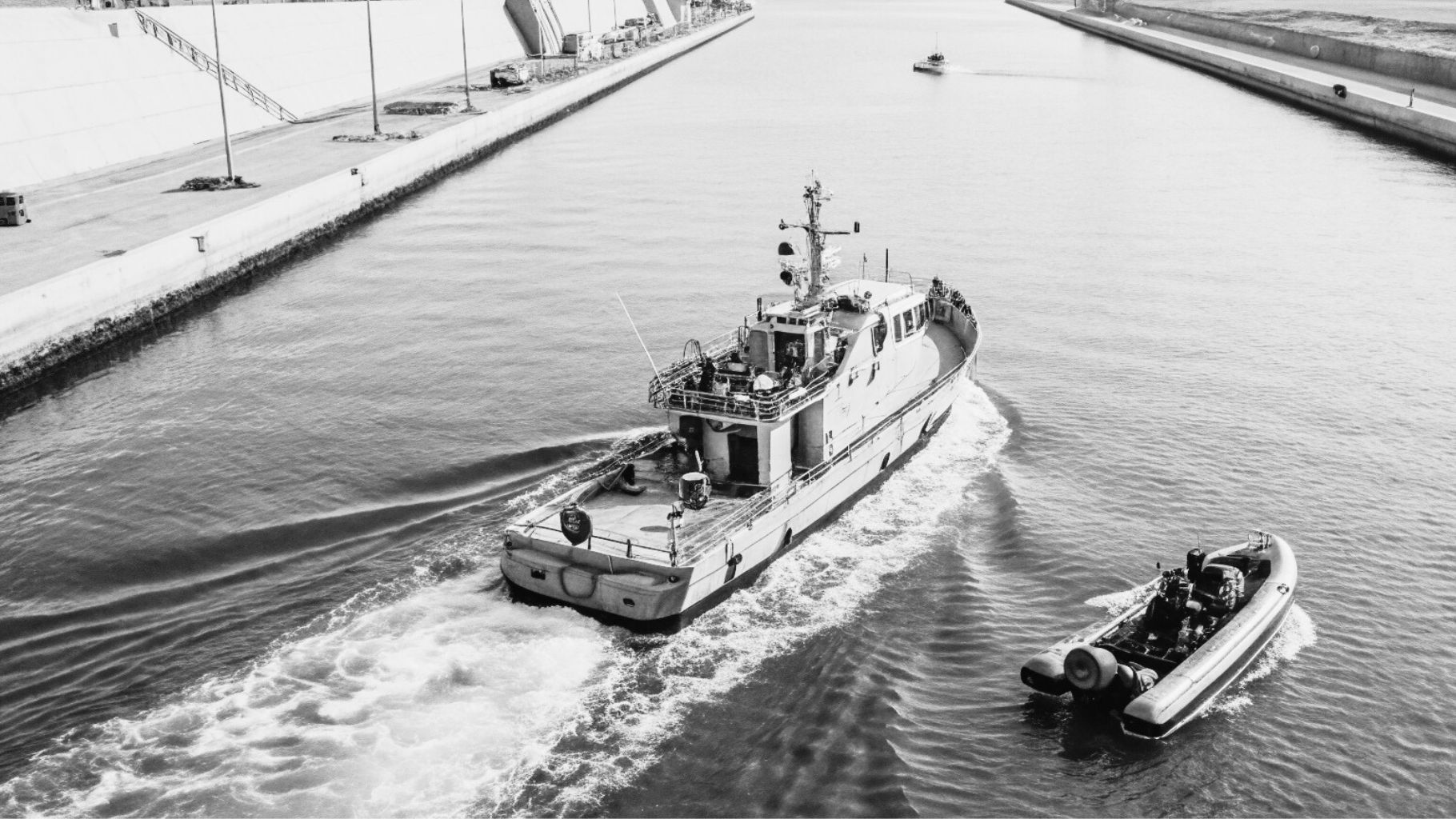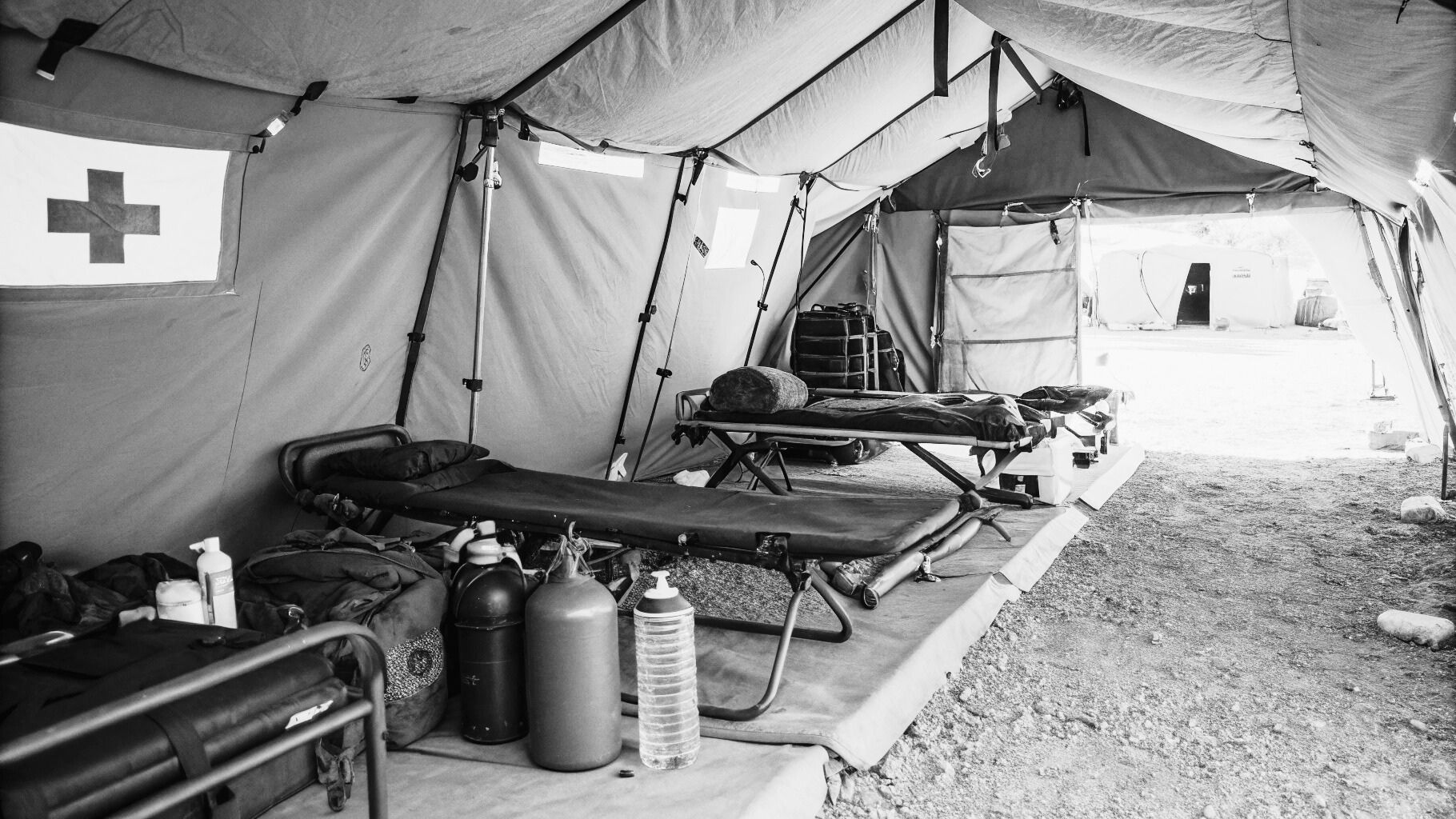
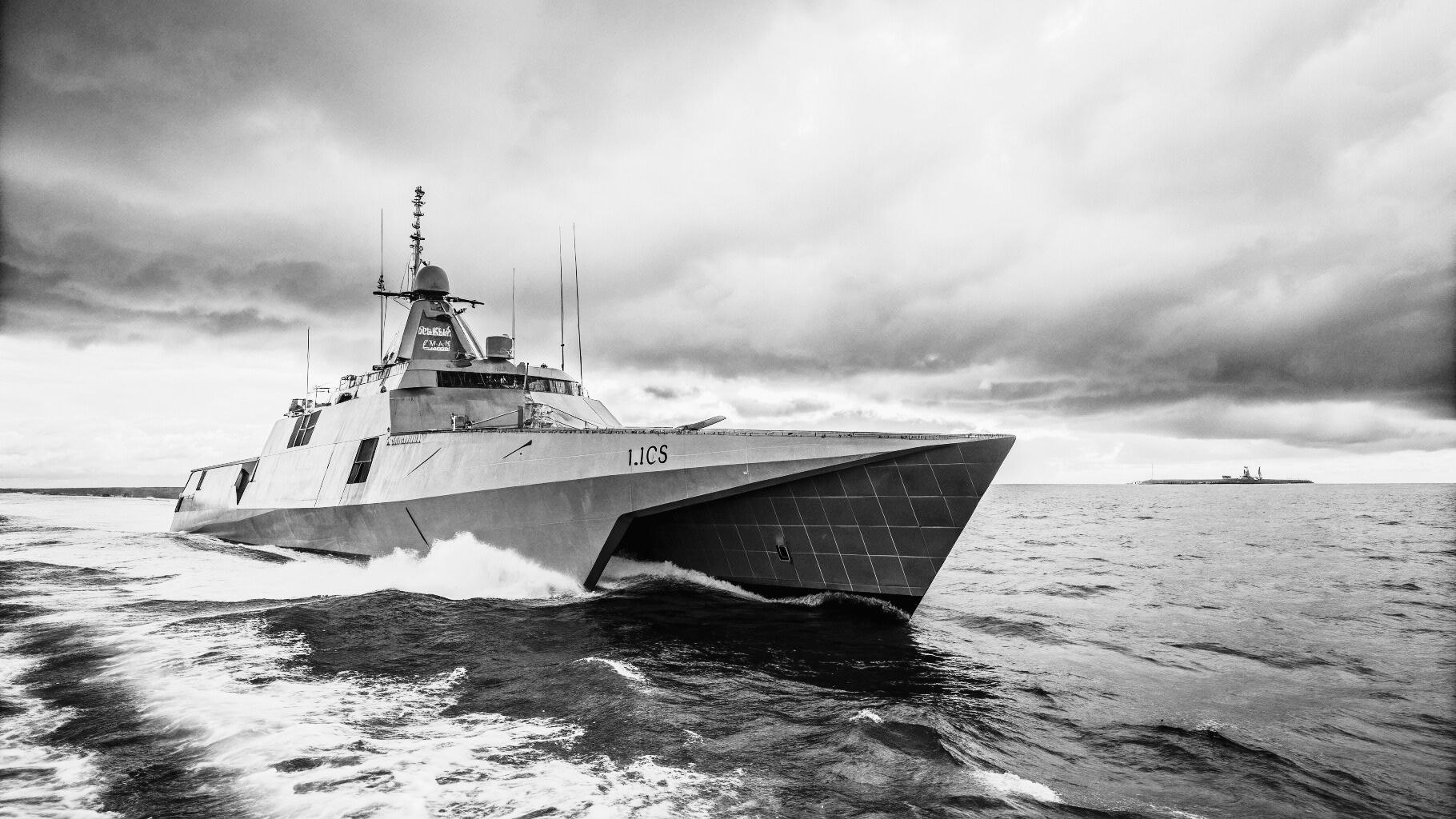
The U.S. Navy has christened the future USNS Lansing (EPF 16) at Austal USA’s shipyard in Mobile, Alabama, marking the completion of the Spearhead-class expeditionary fast transport program. The milestone highlights continued U.S. investment in rapid sealift, intra-theater mobility, and afloat medical support as naval logistics face increasing pressure in the Indo-Pacific and European theaters.
The christening ceremony, highlighted by Military Sealift Command and Austal USA, marks Lansing’s transition from construction into the testing and trials phase. As the sixteenth and final ship of the Spearhead class, Lansing underscores Washington’s focus on sustaining fast, flexible logistics platforms that enable distributed and large-scale naval operations. In an era of intensifying maritime competition, the event signals to allies and competitors alike that U.S. naval modernization extends beyond frontline combatants to the logistical enablers that underpin operational reach and endurance.
USNS Lansing is the third Spearhead-class vessel built to the enhanced Flight II configuration, which integrates high-speed intra-theater transport with dedicated medical capabilities. Constructed by Austal USA on an aluminum catamaran hull, the ship measures approximately 103 meters in length with a beam of about 28.5 meters and a shallow draft of roughly 3.8 meters, allowing access to ports and littoral areas inaccessible to larger ships. Powered by four MTU 20V8000 diesel engines driving waterjets, the vessel can exceed speeds of 35 knots and, under favorable conditions, approach 40 knots.
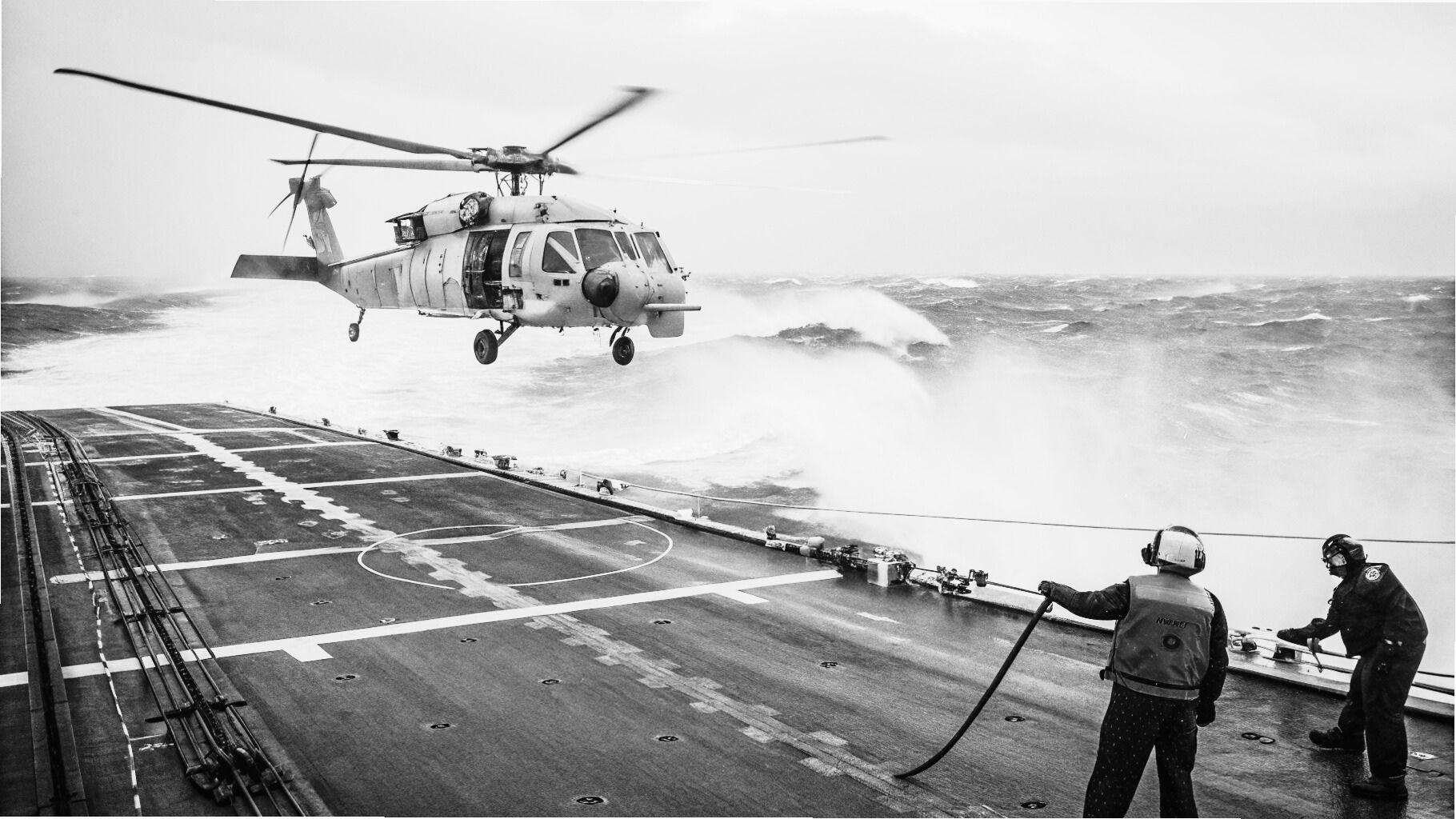
Central to Lansing’s utility is its reconfigurable mission bay of around 20,000 square feet, designed to accommodate vehicles, containers, and palletized cargo. This is complemented by a flight deck capable of supporting large helicopters and, in the Flight II variant, structurally reinforced to operate tiltrotor aircraft such as the MV-22 and CMV-22. Together, these features give Lansing a distinctive combination of speed, capacity, and aviation flexibility rarely found in auxiliary platforms.