The US Air Force has awarded BAE Systems a contract valued at up to $145 million to develop, produce, and supply an infrared-guided air-to-air counter-drone weapon derived from the Advanced Precision Kill Weapon System (APKWS).
This new dual-mode APKWS builds upon the enhanced laser-guided version previously developed under the Fixed Wing, Air Launched, Counter-Unmanned Aircraft Systems Ordnance (FALCO) program. The requirement emerged from an urgent operational demand identified by United States Central Command, driven by the increasing threat posed by Group 3 unmanned aerial systems (UAS) — drones weighing over 55 pounds (25 kg) — to US forces deployed in the Middle East, according to Naval News.
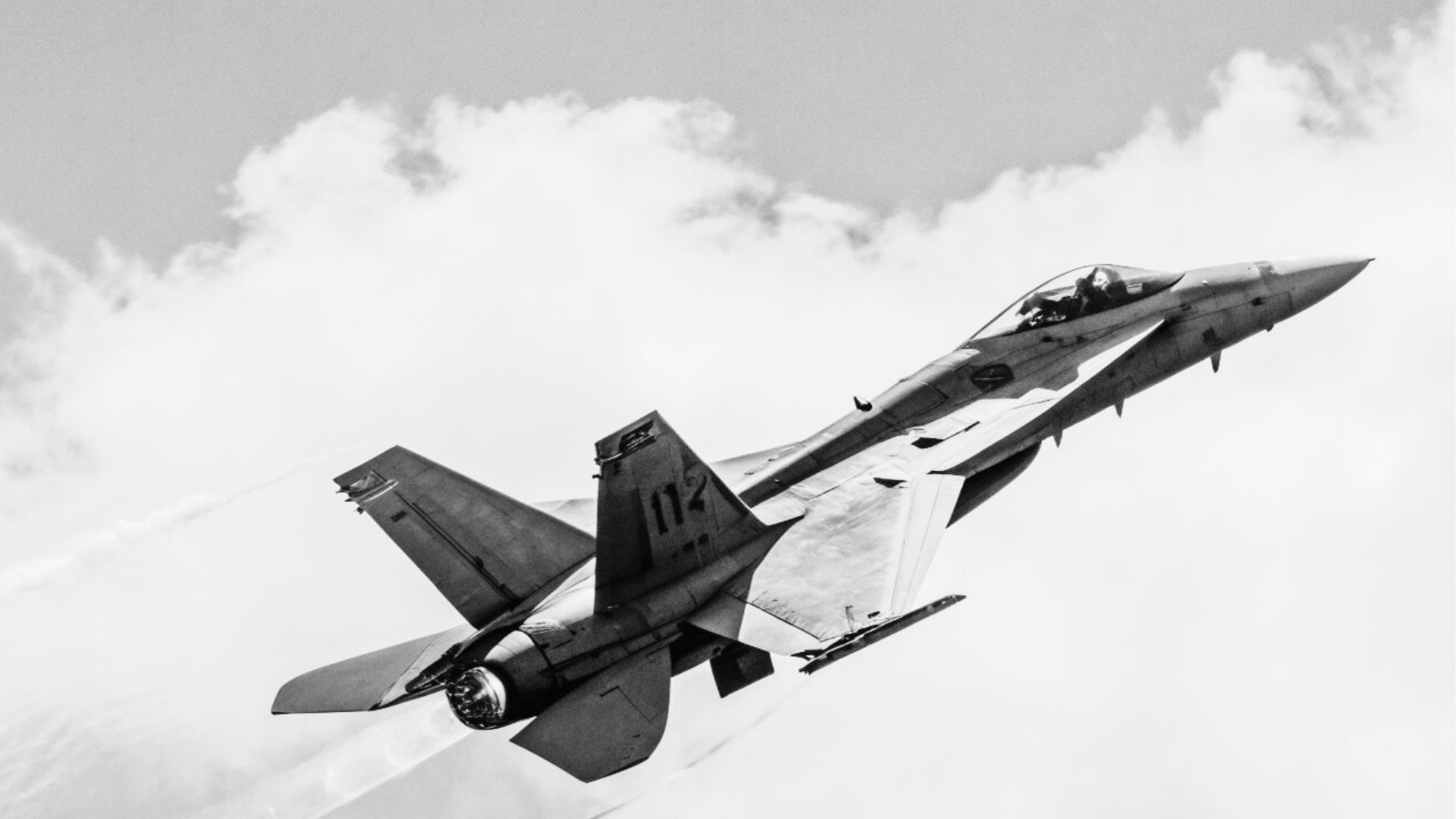
The system is slated for integration onto the US Air Force’s F-16 fighter fleet and the US Navy’s MH-60 helicopters as early as this fall. However, a United States Department of Defense contract notice indicates that the first delivery order is expected by July 2027, with the contract period extending from February 12 this year through February 12, 2031.
Precision Conversion Kit
The APKWS functions as a cost-effective precision guidance kit that transforms standard 70mm (2.75-inch) unguided rockets into laser-guided munitions capable of accurately striking fixed or moving air and ground targets, including lightly armored threats.
For air-to-air missions, the system incorporates a proximity fuze to neutralize maneuvering drones without requiring a direct hit. Under the FALCO initiative, software upgrades enhanced its ability to engage aerial UAS targets. FALCO-configured rockets have already been operationally deployed from US Air Force fixed-wing aircraft against Houthi targets over the Red Sea.
Infrared Seeker Enhancement
The latest APKWS configuration introduces an upgraded infrared counter-UAS seeker, eliminating the need for continuous laser designation and allowing faster, more adaptable drone interceptions. The improved design reportedly includes a nose-mounted long-wave infrared seeker and a mid-body warhead equipped with a dual-safe proximity fuze.
A laser-to-infrared switching capability reduces lasing time and accelerates engagement timelines against maneuvering or swarm threats. This also enables fighter aircraft to carry a dozen or more missiles per sortie, significantly expanding counter-drone firepower.
Modifications to the baseline FALCO system are intended to lower production costs and facilitate large-scale manufacturing. The contract reportedly includes 300 prototype missiles — 100 allocated for integration and testing, and 200 reserved for evaluation and contingency deployment in the Middle East.