
EU member states on Wednesday agreed that Ukraine may use a new €90-billion ($118 billion) loan to purchase a larger share of weapons from close allies such as the United Kingdom, provided those countries contribute financially to the scheme.
The agreement on the loan’s conditions clears the way for Kyiv to access urgently needed funding in the coming months, as it confronts a deepening budget crisis four years into Russia’s war.
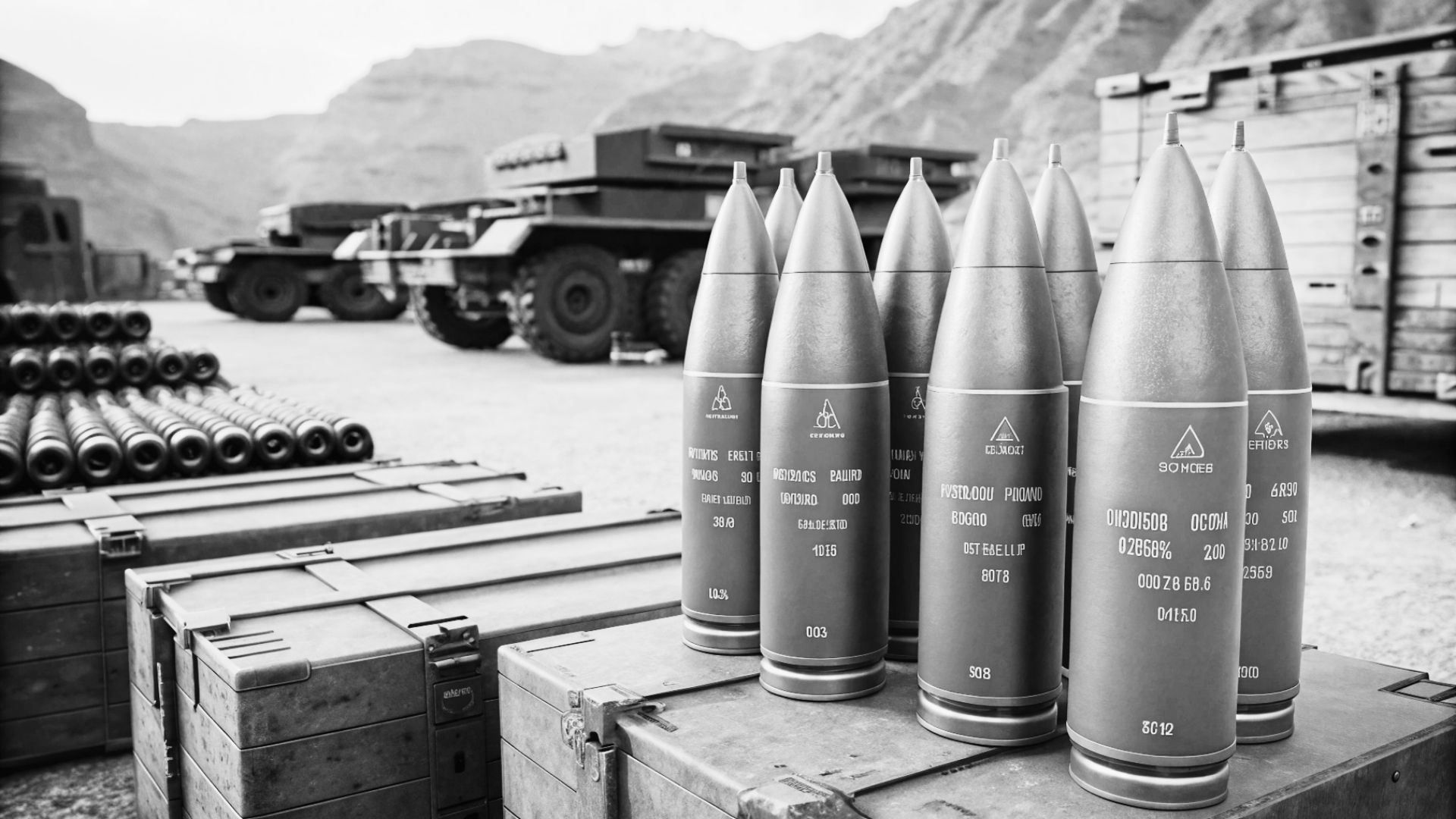
Under the framework, Ukraine will be able to allocate up to €60 billion ($70 billion) of the loan specifically for arms procurement to support its defense against the Russian invasion.
EU governments had spent weeks negotiating how much of that funding could be used to purchase weapons from non-EU suppliers or Ukraine’s domestic industry.
France pushed for strict limits on external purchases, while other member states advocated greater flexibility for trusted partners such as the UK, Canada, and Norway.
EU ambassadors ultimately agreed on a compromise allowing firms from key allied countries — including the UK — to access a greater share of the funds, provided those governments agree to pay a “fair and proportionate” share of the loan’s borrowing costs, according to an EU statement.
Diplomats said the European Commission is now expected to open talks with London on participation in the scheme.
The proposed conditions, which still require approval from EU lawmakers, closely resemble terms that derailed British efforts last year to gain access to a separate €150-billion ($170 billion) EU weapons program, after disagreements over the required entry contribution.
Momentum to strengthen ties has grown as US President Donald Trump’s policies have unsettled traditional alliances, raising uncertainty over transatlantic relations.
The internal EU debate comes as Ukraine faces an acute financial crisis, pushing Kyiv to urge Brussels to allow arms purchases from any available source.
Under the agreed framework, Ukraine may procure certain weapons from outside the EU if European manufacturers cannot supply them quickly enough — a provision that could allow purchases from the United States, including critical systems such as Patriot air-defense missiles.