A French small and medium-sized enterprise has developed a new interceptor, Fury 120, aimed at defeating one-way attack drones such as Iran’s Shahed and Russia’s Geran. The programme illustrates how the widespread use of inexpensive drones in Ukraine is driving air-defence innovation beyond traditional, government-led development models.
Fury 120 was conceived specifically to counter loitering munitions that have been deployed extensively during the conflict in Ukraine. Unlike most French military systems, the interceptor was neither developed under the Direction générale de l’armement nor supported by a major defence prime. Instead, it was independently financed and produced by ALM Meca, an Alsace-based SME with a background in precision machining.
Since 2022, low-cost attack drones have become effective weapons of attrition, capable of overwhelming air-defence systems, exhausting surface-to-air missile inventories, and forcing unfavourable cost-exchange decisions. The Shahed family, produced in Iran and also manufactured and used in Russia, is not technologically advanced, but combines adequate range, a low-altitude signature that complicates detection, and mass employment tactics that create multiple avenues of attack. As a result, the challenge has shifted from simply intercepting individual drones to neutralising large numbers of them rapidly and at a sustainable cost.
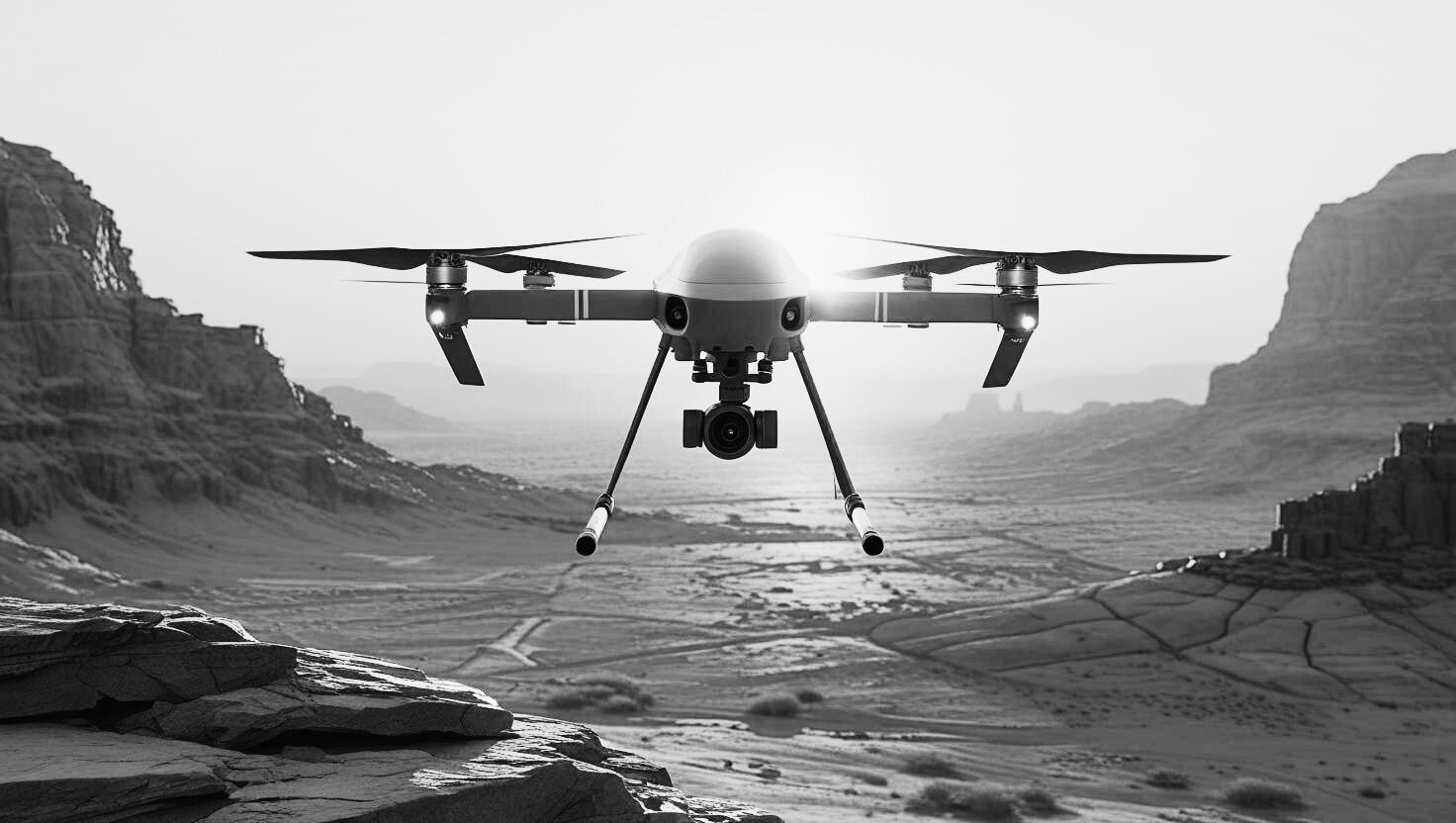
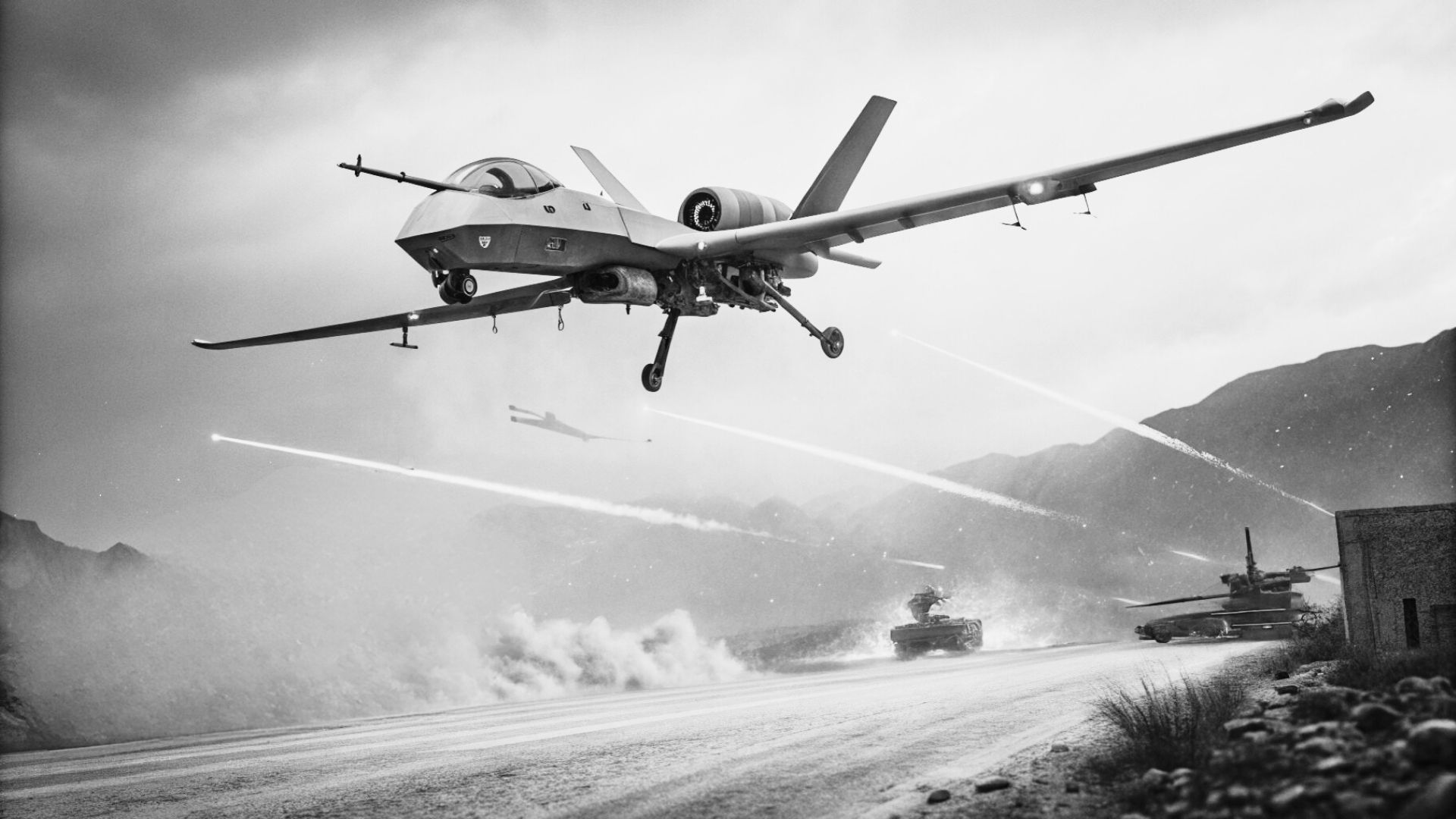
Fury 120 is positioned as a response to this problem. According to Challenges, the interceptor is approximately 1.1 metres long with a wingspan slightly exceeding one metre. Its compact, fighter-like configuration prioritises speed as a key operational attribute. Powered by a kerosene-fuelled microjet engine, Fury 120 differs from many existing counter-drone systems that rely on propeller-driven designs optimised for endurance. This propulsion choice allows it to reach a claimed top speed of 700 km/h—around three times faster than typical Shahed-type targets—shortening interception timelines and increasing engagement opportunities when warning is limited.
The platform is also reported to withstand manoeuvres of up to 20G, a performance level uncommon for lightweight interceptor drones. While Shahed-type targets themselves are not highly agile, this capability provides significant correction margin during low-altitude engagements in complex airspace. High manoeuvrability enables the interceptor to compensate for guidance errors, sensor disruptions, and delayed cueing, helping to preserve a viable intercept path even under degraded conditions.
Beyond its technical attributes, Fury 120 is notable for its development pathway. ALM Meca operates outside France’s traditional defence-industrial ecosystem and approaches the problem from a precision-engineering perspective rather than that of a systems integrator. However, the war in Ukraine has demonstrated that meaningful innovation can emerge from smaller actors able to rapidly assemble existing technologies under operational pressure. Delivering an interceptor drone in under a year using private funding reflects a broader European shift toward accelerated experimentation driven by battlefield lessons, inventory constraints, and budgetary pressures.