
India’s defence startup ecosystem is continuing to expand, with Vadodara-based Svaayatt Systems Pvt Ltd announcing the successful development of its unmanned multi-terrain ground vehicle, the SGV-500 Scorpion. The company is now preparing for a live technical demonstration for the Indian Armed Forces, showcasing a weapon-integrated unmanned platform designed for frontline combat and support missions.
This demonstration represents a key transition point, moving the SGV-500 from a developmental prototype to an operationally validated system ready for real-world deployment. The trials will evaluate weapon integration, terrain mobility, communication stability, and precision engagement under remote control.
The SGV-500 is a compact, tracked combat UGV built for high-intensity roles such as fire support, surveillance, perimeter security, and engagement of enemy personnel and light vehicles. It is specifically engineered to operate in hostile environments while minimizing risks to human soldiers.
The upcoming trials will feature live firing using onboard systems like light machine guns and grenade launchers. The platform is designed to detect and engage targets in under three seconds, delivering accuracy comparable to the weapons it carries—demonstrating its capability for precise remote combat operations.
Mobility remains a core strength, with the UGV capable of traversing rugged terrain, climbing steep gradients, and sustaining operations over long distances. It is expected to demonstrate over 40 km of cross-country endurance without recharge, while its compact tracked design enables effective operation in confined and urban environments.
Weighing around 500 kg, the SGV-500 incorporates substantial armor protection to enhance survivability. It can reach speeds of up to 30 km/h and offers a line-of-sight control range of 10 km, extendable through relay systems such as drones.
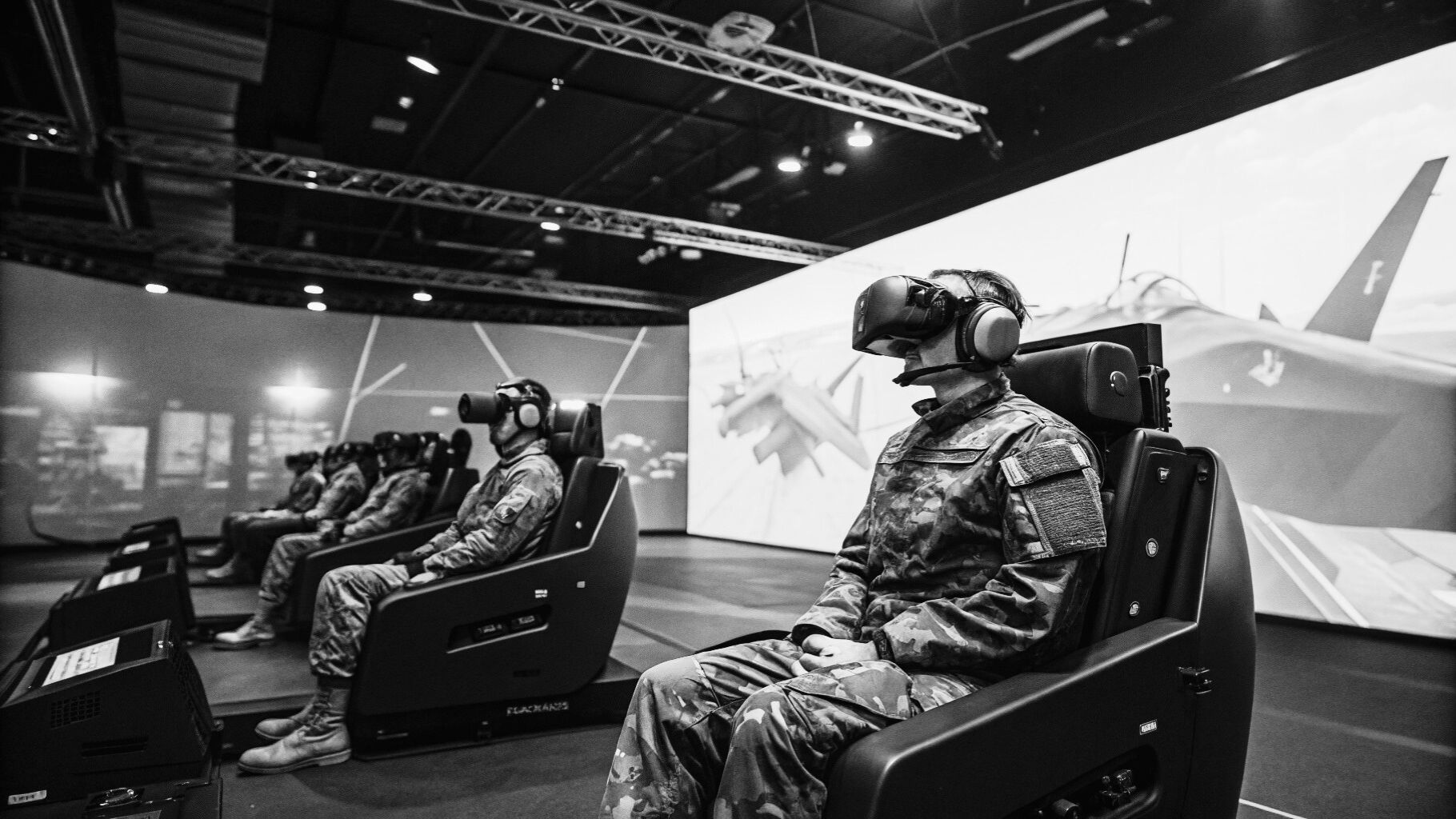
A standout feature is its immersive control interface, which uses a virtual reality-based system where operator head movements control camera view and weapon orientation. This first-person control approach significantly improves situational awareness and targeting precision.
The platform is also highly modular, capable of adapting to multiple roles beyond combat, including logistics transport, casualty evacuation, firefighting, and drone deployment. This flexibility positions it as a force multiplier across diverse mission profiles.
The demonstration will also validate secure and resilient communication links, ensuring reliable command and control in contested environments where electronic warfare threats may be present.
Overall, the SGV-500 reflects the growing shift toward unmanned and semi-autonomous warfare systems. For the Indian Armed Forces, such indigenous solutions could play a vital role in border security, counter-insurgency, and urban operations, reducing troop exposure while maintaining effectiveness. A successful demonstration could pave the way for induction and large-scale deployment within India’s defense ecosystem.