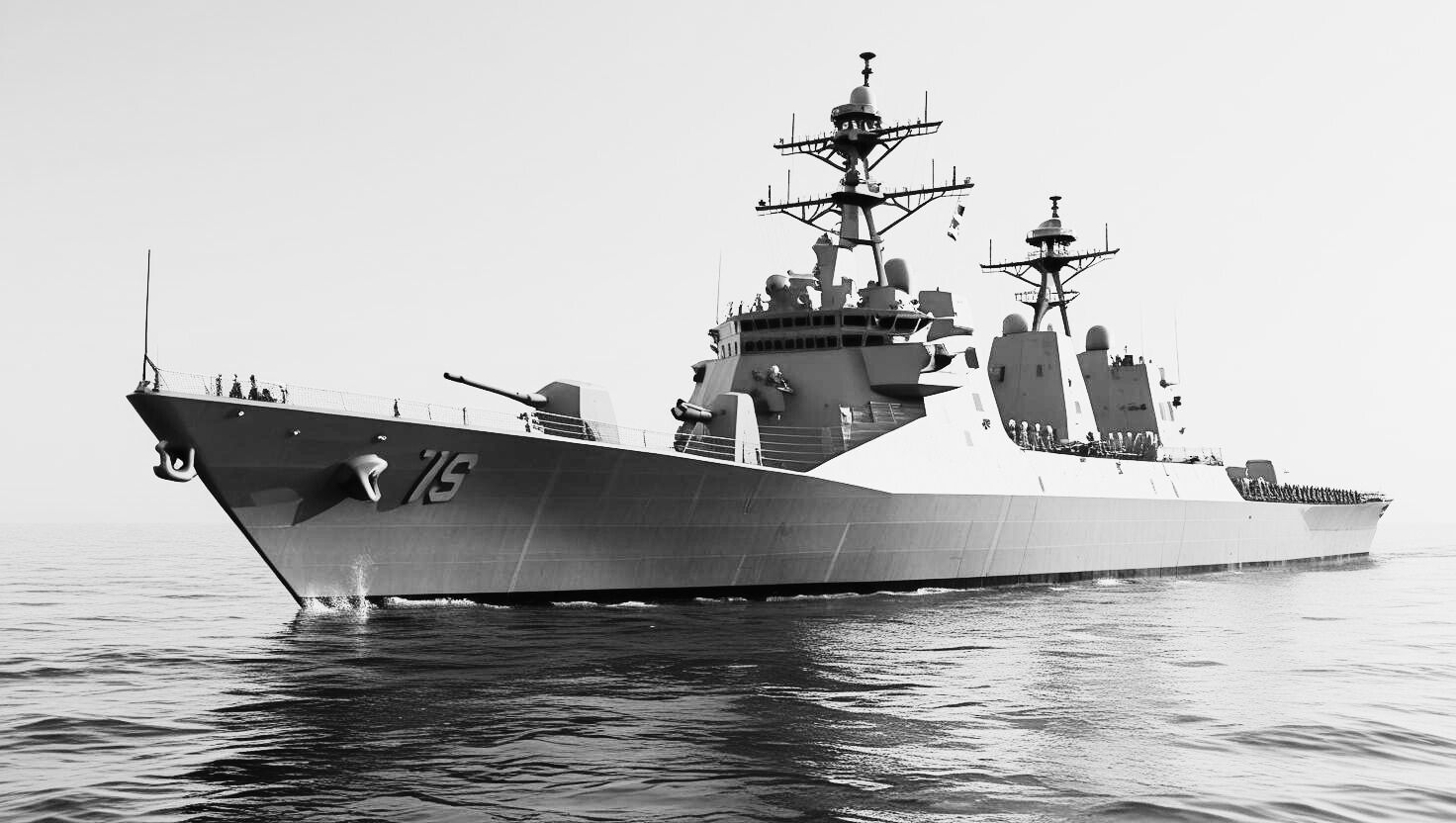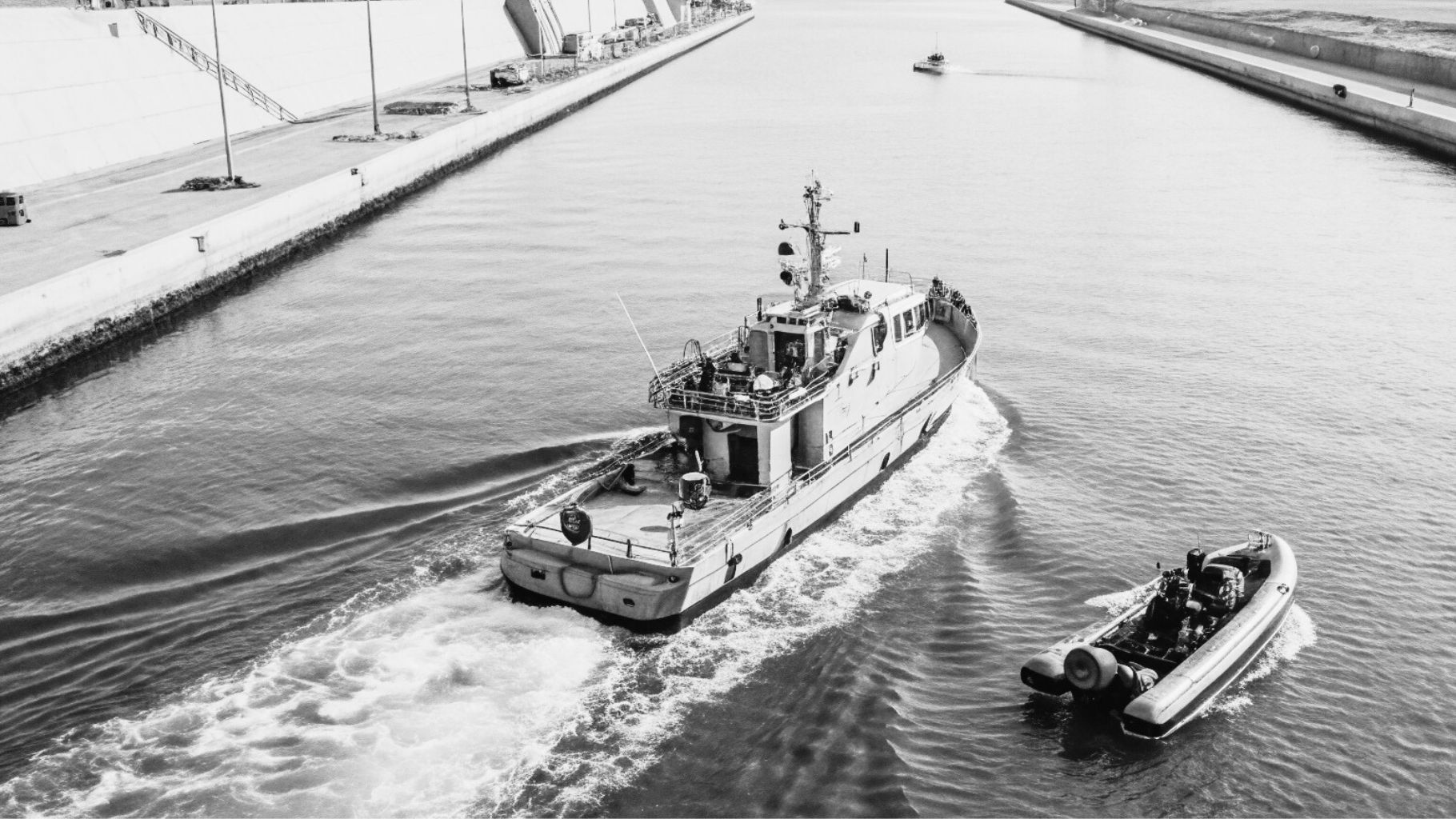
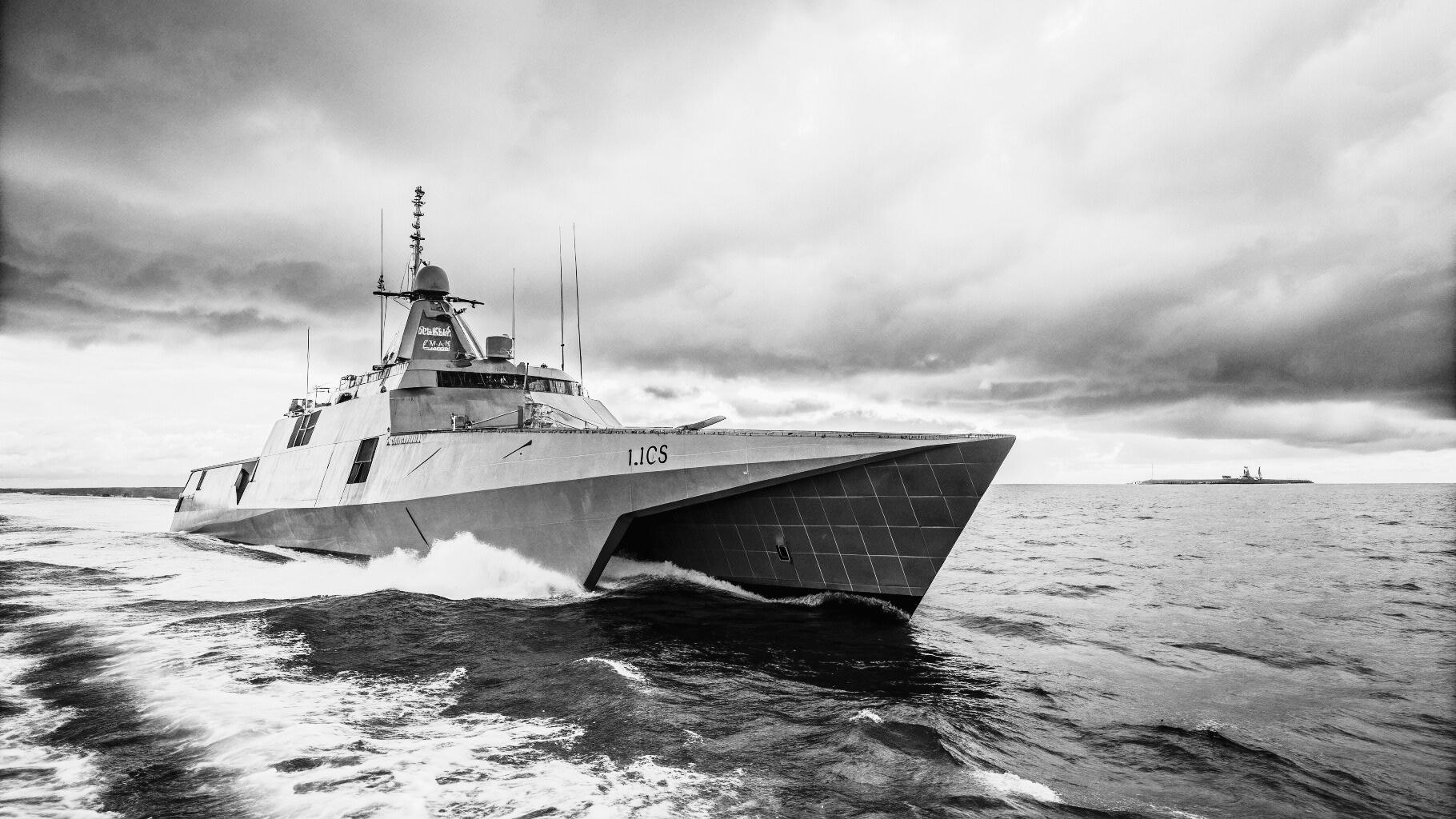
Fincantieri has launched the Italian Navy’s new hydro-oceanographic vessel Quirinale at its Riva Trigoso shipyard in northwestern Italy, marking a key milestone in the Navy’s scientific and maritime surveillance capabilities.
Designed for seabed mapping and scientific monitoring, the vessel will support operations conducted by the Italian Hydrographic Institute. It can accommodate up to 140 personnel, including crew and scientific staff, and measures approximately 110 meters in length with a displacement of about 6,000 tons.
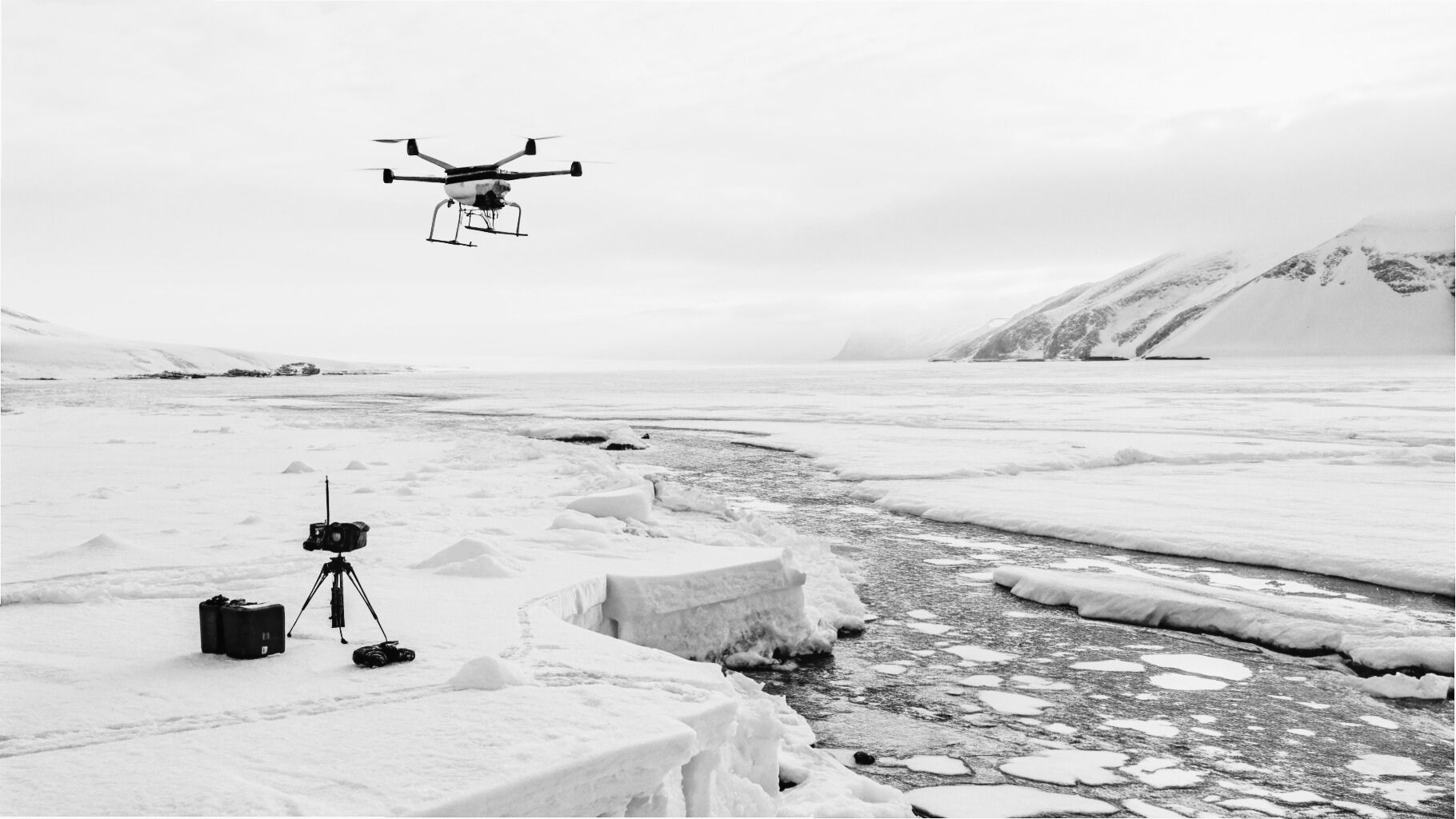
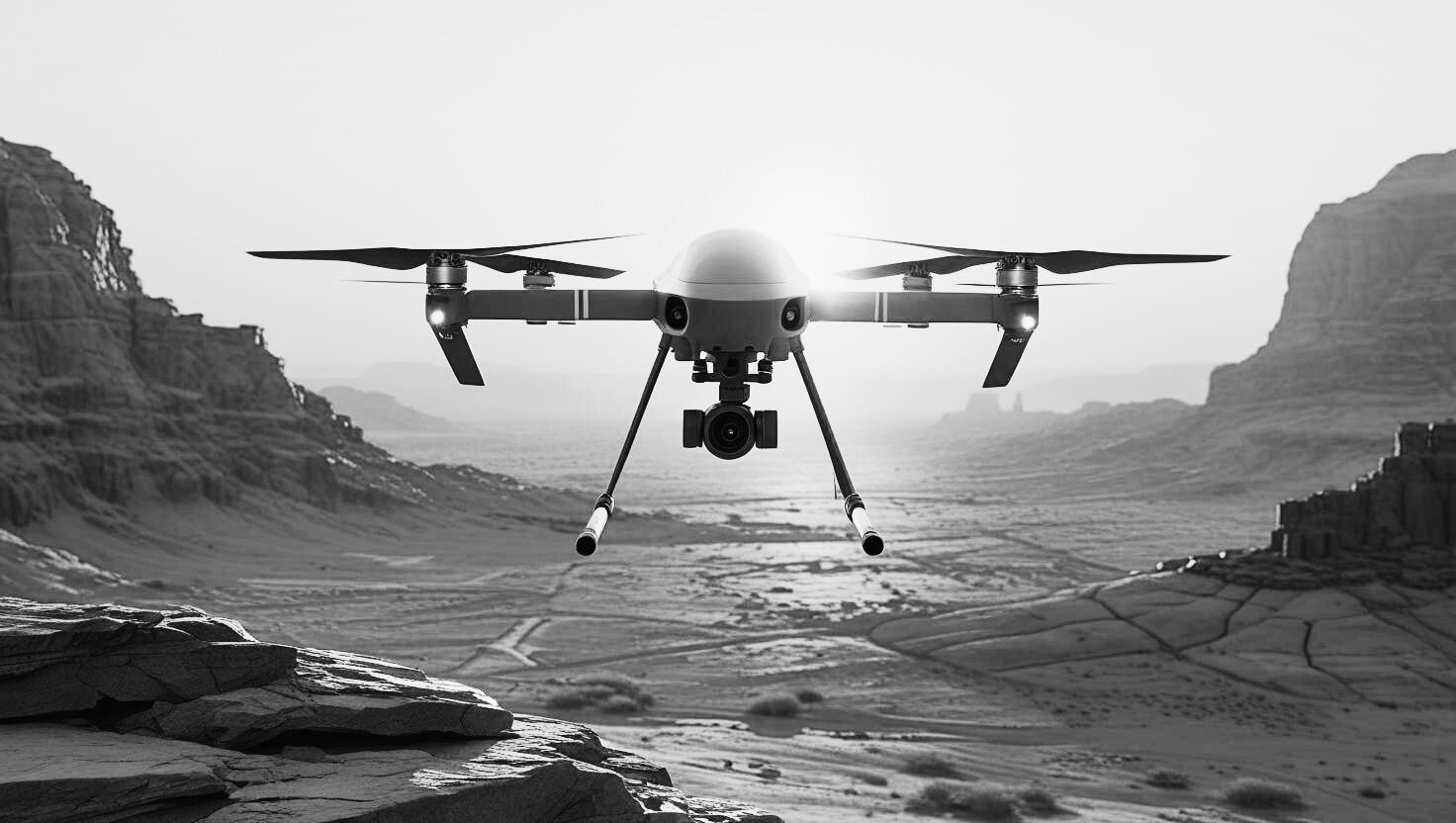
Quirinale is built to operate in harsh environments, withstanding temperatures as low as –16°C. The ship is equipped with advanced hydrographic, oceanographic, and geophysical sensors, along with autonomous underwater and surface vehicles to support a wide range of research missions. Additional features include specialized lifting systems for scientific equipment and a dynamic positioning system to ensure precision and stability during operations.
Environmental sustainability is a core design focus, with emission-reduction technologies, diesel-electric propulsion, optimized hull forms, and the use of low-impact materials integrated into the vessel. Fincantieri described the ship as a new unit that reflects its role as a strategic partner to the Italian Navy and its commitment to innovation, safety, and sustainability.
The launch of Quirinale follows a series of recent naval advancements by Fincantieri. Last month, the company delivered a new supply ship to the Italian Navy capable of supporting multiple mission types, including underwater operations. That vessel is set to undergo refitting at Fincantieri’s Palermo shipyard under the Underwater Technology Hub to enable missions ranging from logistics to specialized tasks.
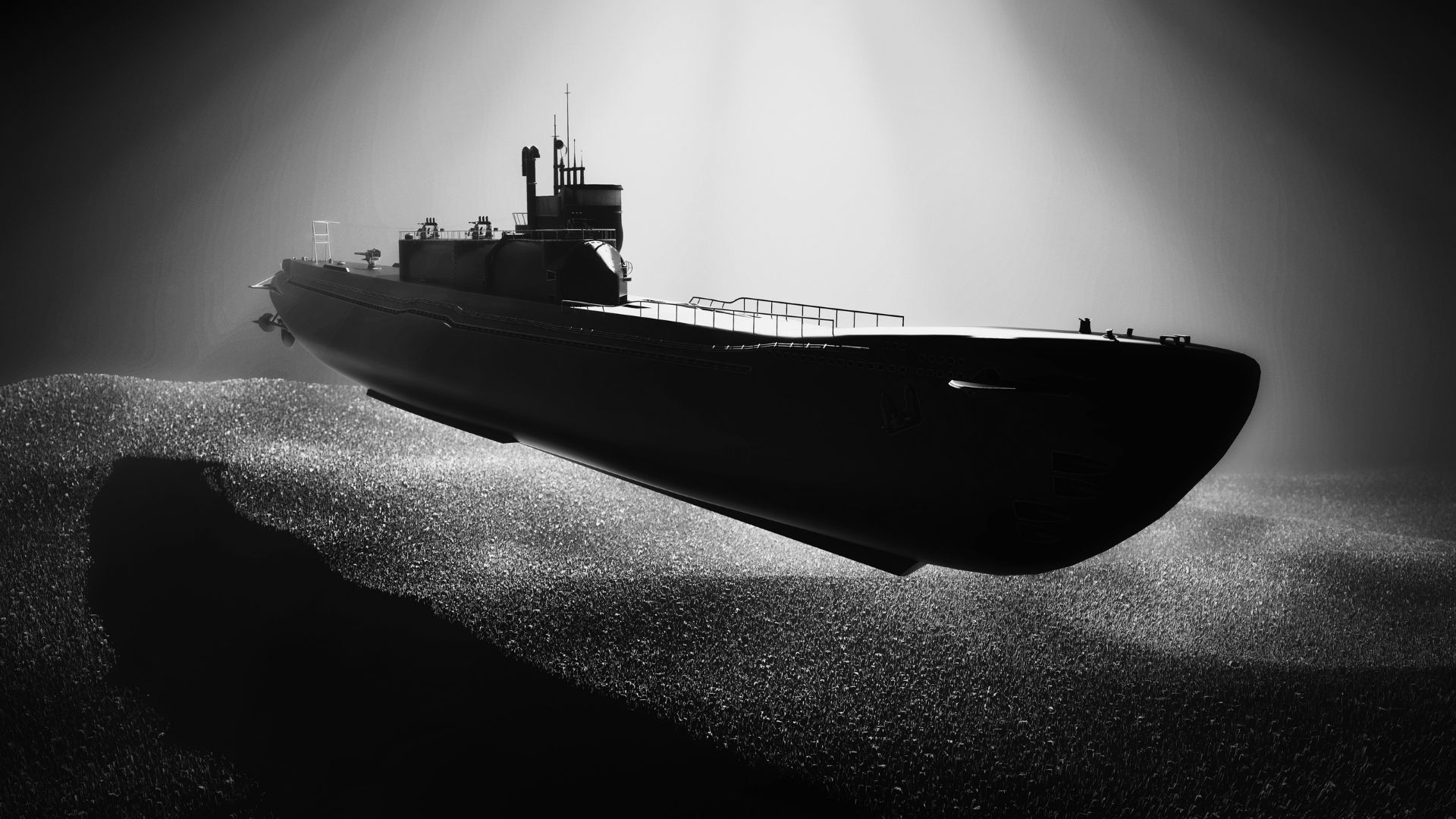
In October 2025, Fincantieri also unveiled DEEP, an underwater drone system designed to safeguard seabed infrastructure and enhance port and coastal security. The system combines an underwater early-warning sensor network with a command-and-control hub for real-time data, supported by autonomous underwater vehicles for missions such as deep-water reconnaissance and environmental monitoring.