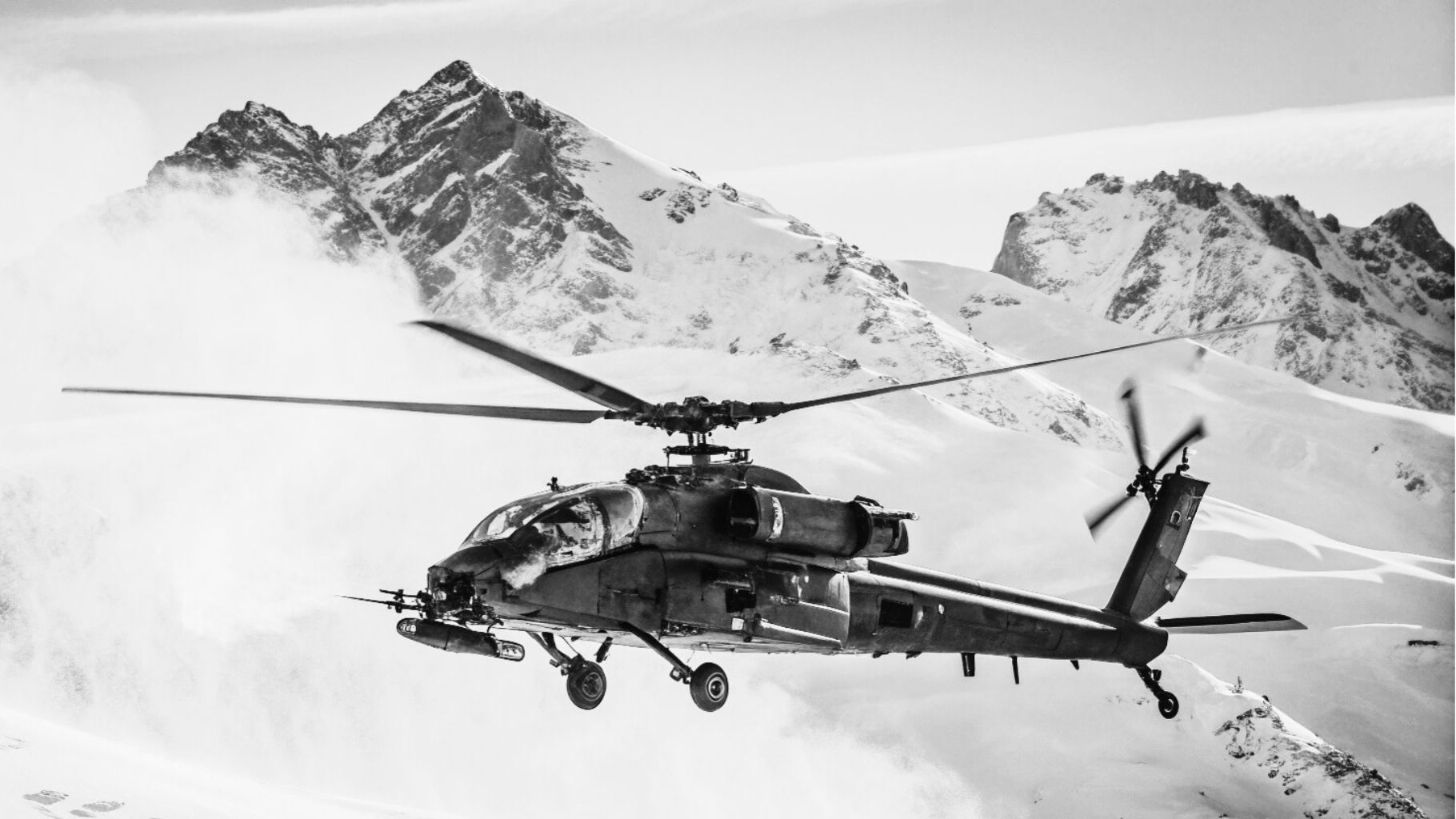

Texas-based M1 Support Services has teamed up with California’s Robinson Helicopter Company to propose the R66 platform for the US Army’s Flight School Next training modernization effort. The program seeks a next-generation rotorcraft to replace long-serving training models like the UH-72 Lakota as the service transitions away from its older Black Hawk and Apache fleets.
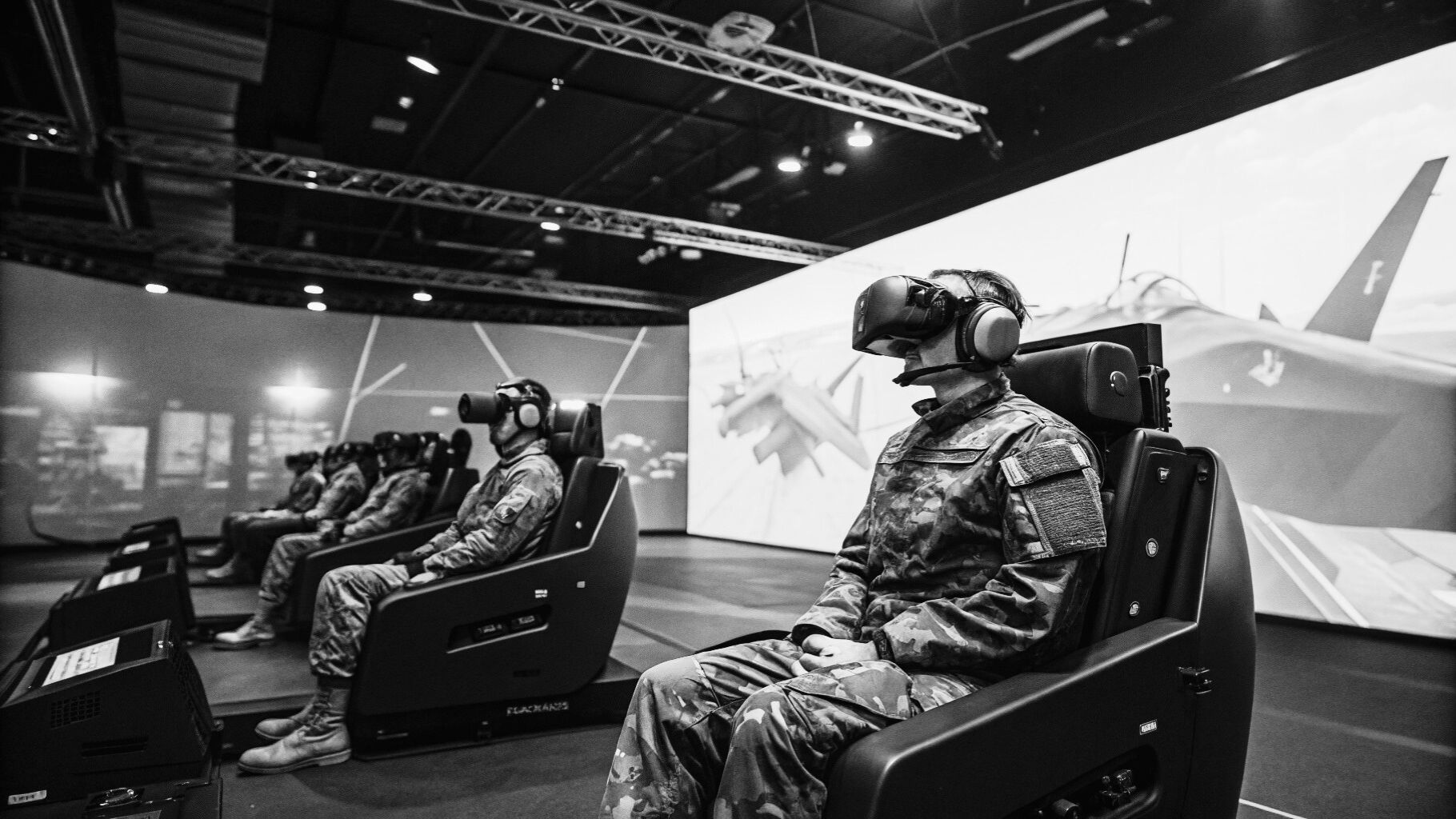
M1 stated that its approach integrates the Robinson R66 with advanced learning technologies, including AI-driven virtual training environments, to speed up pilot development. The aircraft will be backed by M1’s extensive experience in aircraft management, utility support, and maintenance operations, including the ability to launch, recover, and service hundreds of aircraft daily.
More than 1,900 R66 units are currently used worldwide across civil and military training environments. The helicopter accommodates up to four passengers or 1,200 pounds (544 kilograms) of external cargo, measures 30 feet (9 meters) in length, features a 33-foot (10-meter) rotor diameter, and has an empty weight of 1,290 pounds (585 kilograms).
Its training features include a 4K cockpit camera, Garmin G500H TXi and GTN750 touchscreen avionics, impact-resistant windshields, crashworthy fuel systems, and NVG-compatible instrumentation. Powered by a Rolls-Royce RR300 turboshaft engine producing around 270 horsepower, the R66 reaches speeds of up to 140 knots (161 miles/259 kilometers per hour), has a 350-nautical-mile (403-mile/648-kilometer) range, and operates at altitudes up to 14,000 feet (4,267 meters).
About 85 percent of the R66’s components are manufactured at Robinson’s Torrance, California facility.