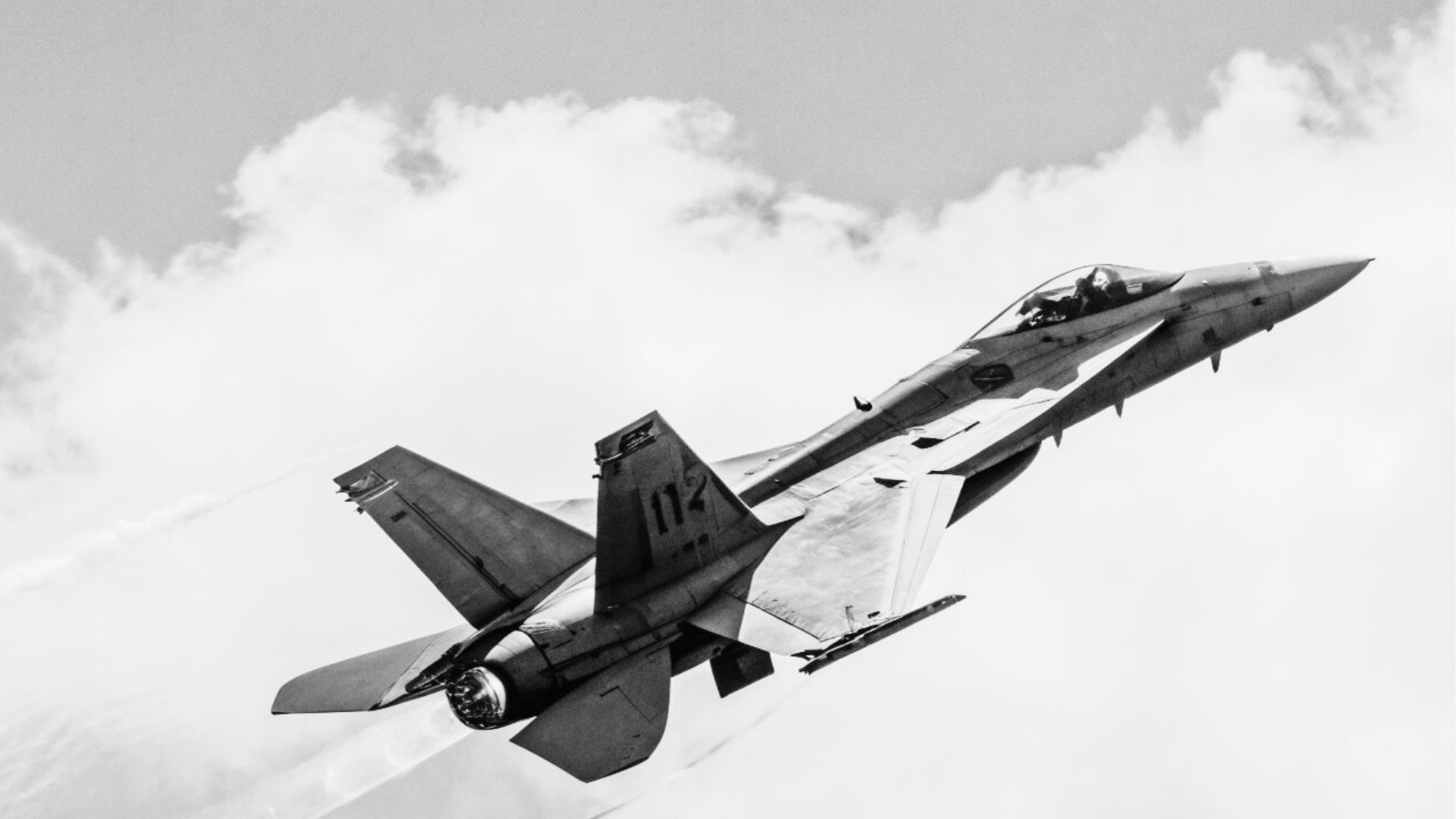
The U.S. Air Force has officially inducted its first T-7A Red Hawk advanced trainer into operational service at Joint Base San Antonio–Randolph, Texas, marking a significant milestone in the modernization of pilot training. The event signals a decisive move toward a digital-first training architecture designed to better prepare aircrews for today’s data-driven combat environment.
The aircraft was formally welcomed during an arrival ceremony at Joint Base San Antonio–Randolph, with confirmation from Air Education and Training Command and parallel announcements from Boeing. The entry of the first operational Red Hawk reflects a strategic transition away from legacy Cold War–era trainers toward a system built to support fifth-generation fighters, advanced bombers, and future sixth-generation aircraft operating in highly networked battlespaces.
For more than 60 years, advanced U.S. Air Force pilot training has relied on the T-38 Talon, an aircraft conceived in the early 1960s to teach fundamental jet flying skills in an analog cockpit. While the T-38 has undergone multiple service-life extensions and avionics upgrades, it was never designed to replicate the sensor fusion, mission-system integration, and information management demands of modern combat aircraft. As a result, training increasingly depended on simulators and classroom instruction to bridge the growing disconnect between training aircraft and operational platforms.
The induction of the T-7A Red Hawk is intended to address that gap at its source. Initially assigned to the 99th Flying Training Squadron under the 12th Flying Training Wing, the aircraft will serve as the primary replacement for the T-38 across the advanced training pipeline, with additional squadrons expected to transition in the coming years. Unlike its predecessor, the Red Hawk was designed from inception as a digital training system rather than a legacy platform adapted to evolving requirements.
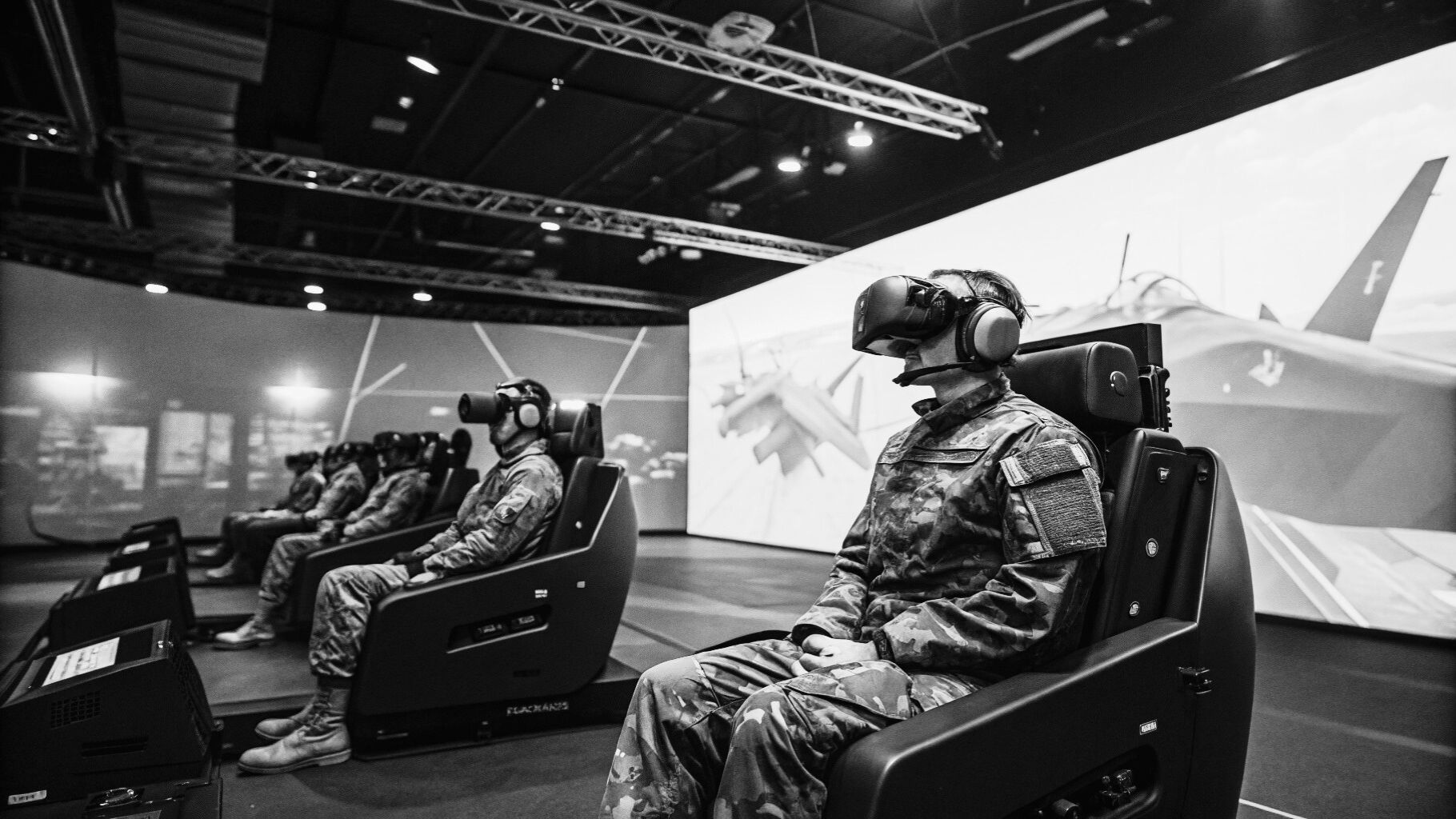
Technically, the difference between the two aircraft is substantial. The T-38 focuses on basic aircraft handling with limited onboard systems, leaving instructors to simulate modern complexity through external tools. By contrast, the T-7A embeds that complexity into the cockpit itself, featuring large-area digital displays and modern hands-on throttle-and-stick controls. This approach exposes student pilots early to the cognitive demands of managing sensors, data, and decision-making—skills central to contemporary air combat.
The Red Hawk’s flight performance further supports its training mission. Engineered for high agility, rapid acceleration, and precise handling across a wide envelope, the aircraft enables instruction in energy management and maneuvering techniques relevant to modern operations. Its digital flight control system allows handling characteristics to be adjusted for different training phases, offering flexibility that the aging T-38 fleet could not provide and enabling a single platform to support a broader range of training objectives.