HAL and Germany’s HENSOLDT have entered into a strategic collaboration to introduce LiDAR-based Obstacle Avoidance Systems (OAS) on Indian military helicopters. Announced at the Dubai Airshow 2025, the agreement strengthens India’s domestic avionics ecosystem and supports the country’s broader objective of expanding indigenous capabilities in sensor technology and helicopter safety systems.
The partnership includes a substantial technology transfer package, covering IP rights, engineering designs, and production authorization. This allows HAL to manufacture the OAS within India and integrate it into multiple helicopter variants. Initial deployment is planned for the Light Combat Helicopter, with subsequent integration on the ALH Dhruv and other indigenous platforms used by the Indian armed forces.
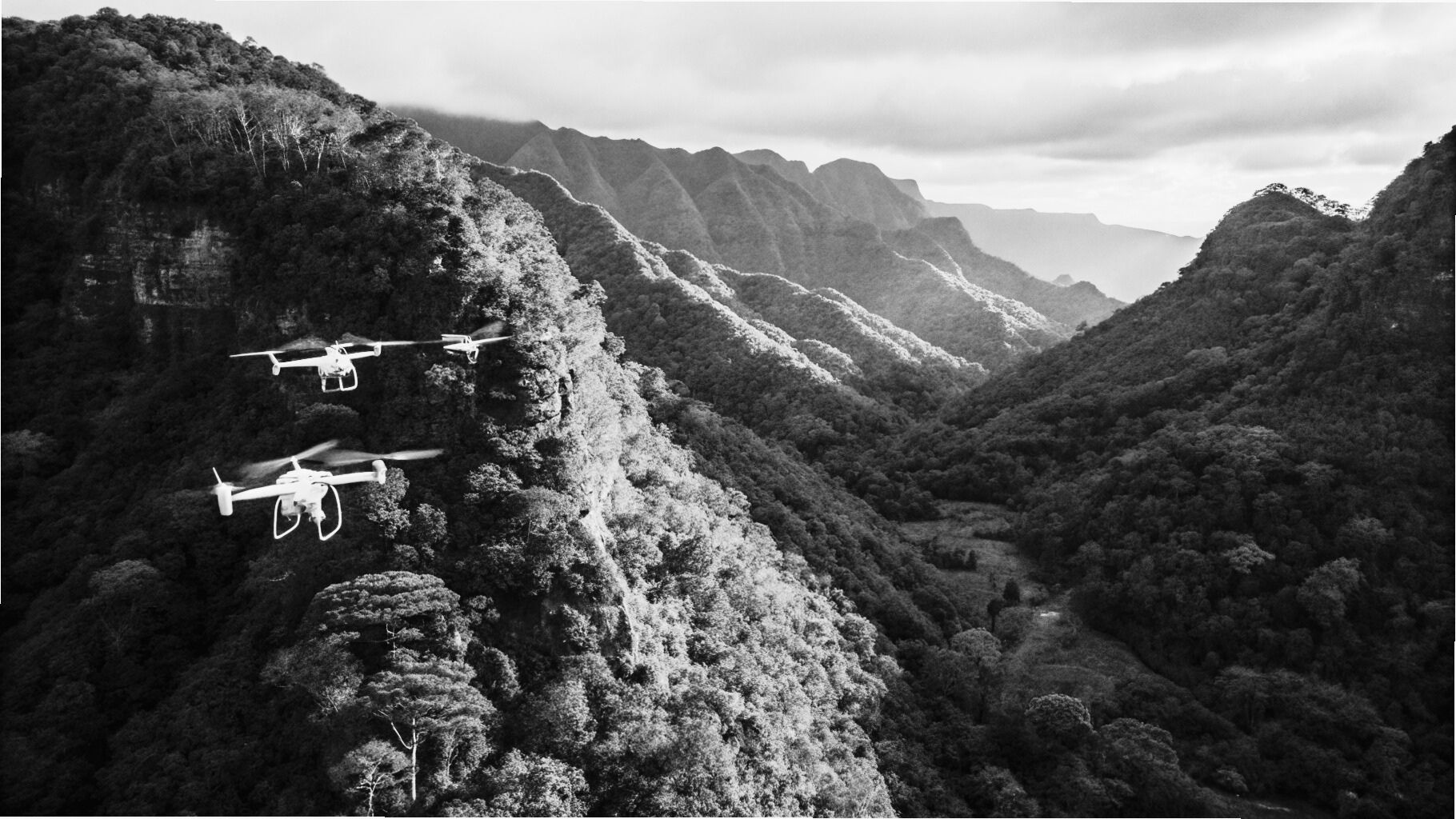
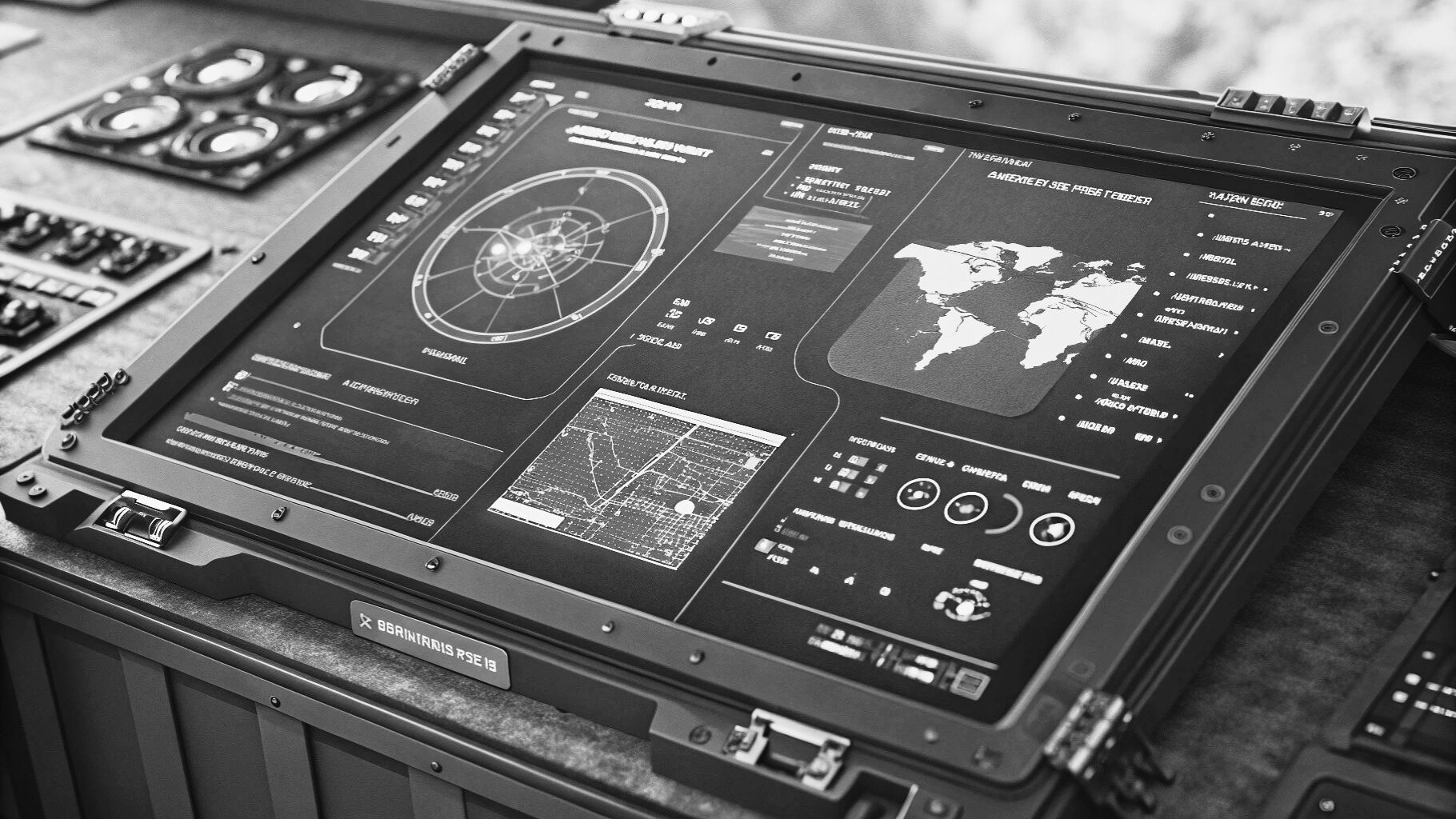
The advanced OAS is built around HENSOLDT’s SferiSense LiDAR, supported by a dedicated DVE computer that enhances pilot situational awareness. The system enables real-time obstacle mapping, improved synthetic vision, and safer navigation during operations in dust, fog, clouds, dense forests, and mountainous terrains. Its introduction is expected to significantly reduce flight risks in the challenging environments typical of India’s northern and desert sectors.
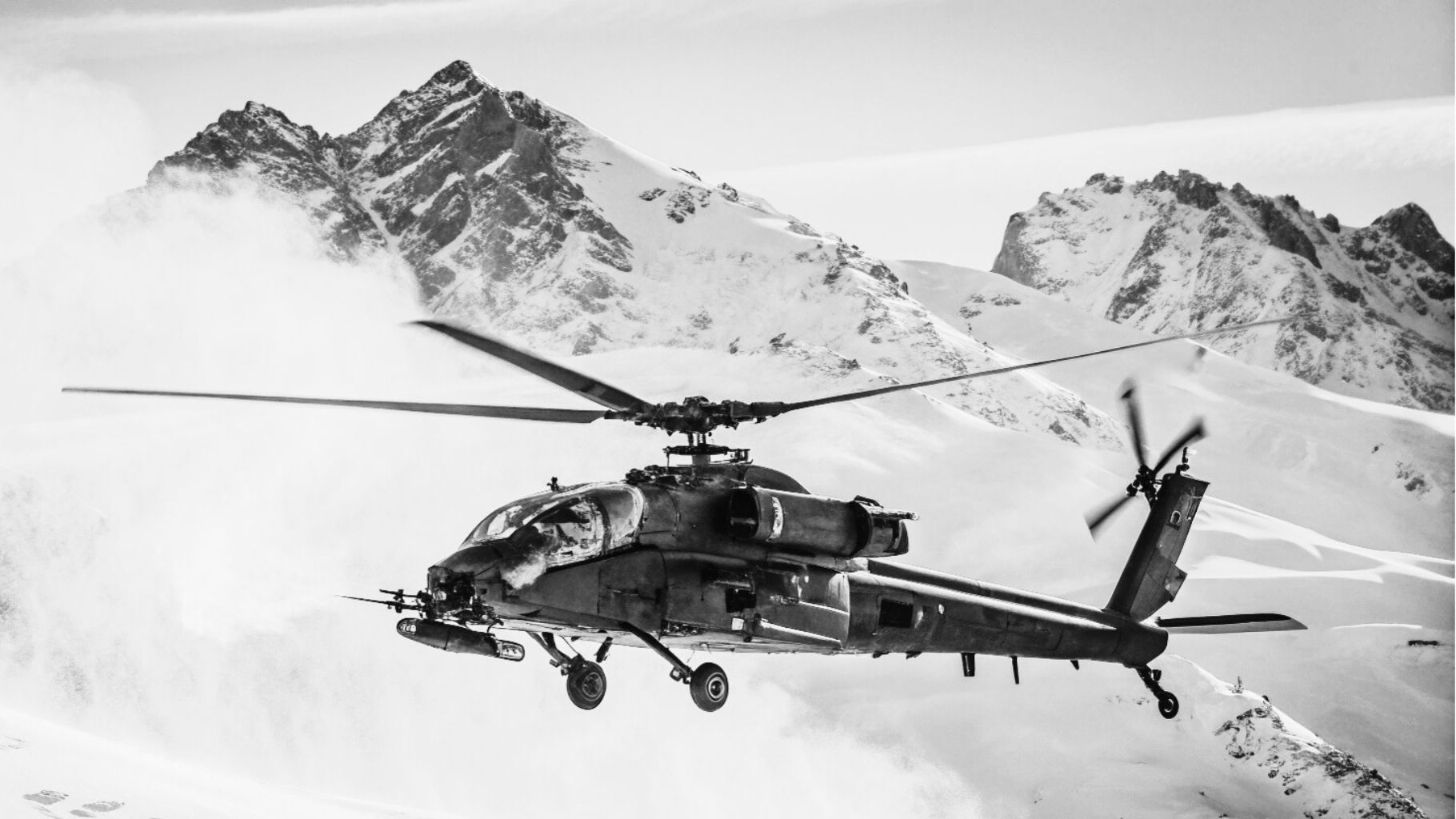
Internationally, LiDAR-enabled obstacle avoidance has become an essential safety tool for modern military helicopters. Germany uses it on NH90 and Tiger helicopters to support safe flight in rugged regions. France fields similar synthetic vision systems on its Tiger and H145M platforms for demanding night and low-visibility missions. The US Army has also adopted LiDAR-assisted navigation on selected Black Hawk and Apache variants to mitigate risks during brownout and dust-heavy operations. HAL’s integration of this technology positions India alongside global leaders leveraging LiDAR to enhance helicopter survivability and pilot safety.