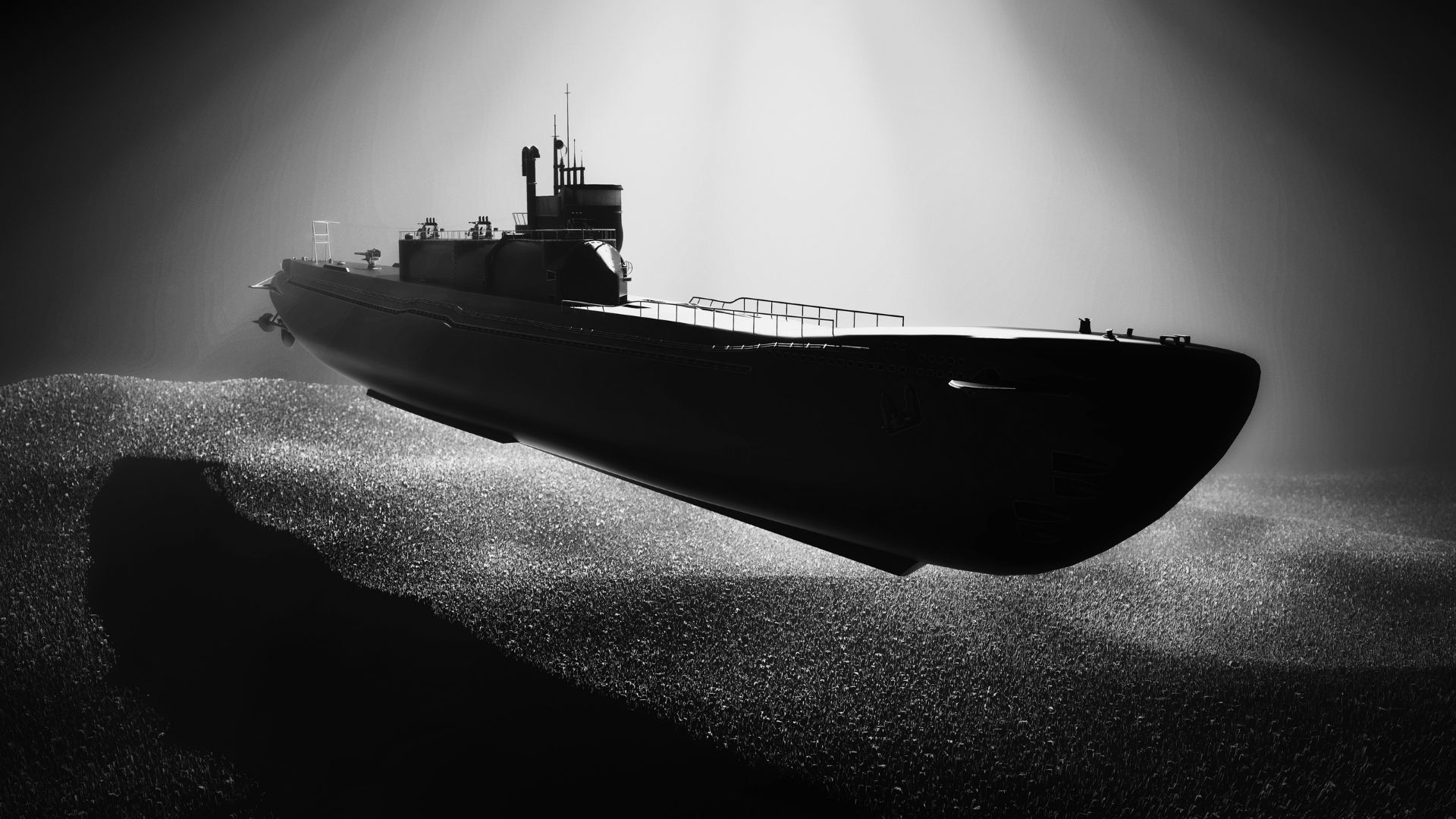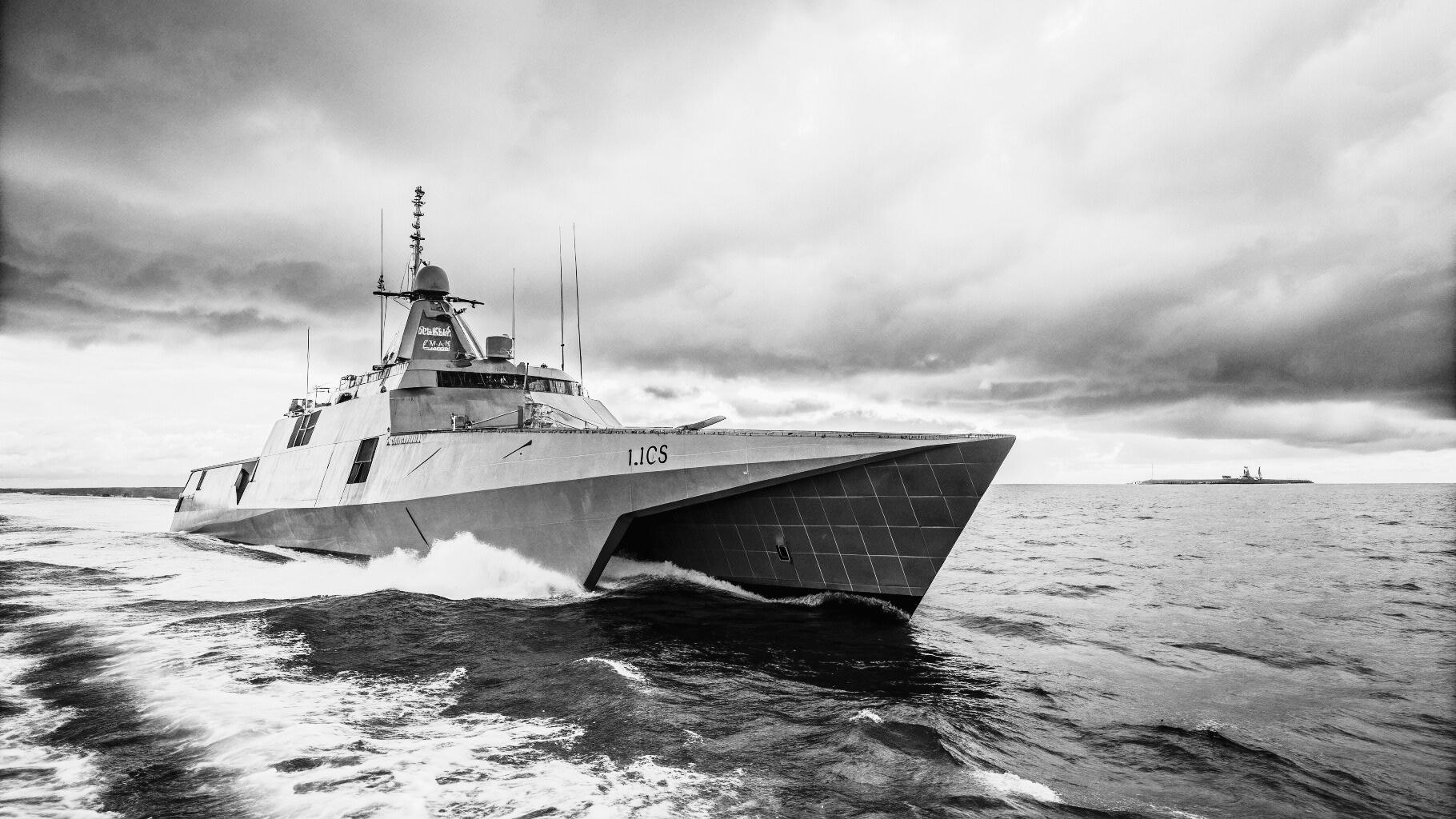
India is set to advance its naval modernisation agenda as the Cabinet Committee on Security is expected to approve a ₹40,000 crore programme for eight New Generation Corvettes. These vessels will be constructed domestically by Garden Reach Shipbuilders & Engineers in Kolkata and Goa Shipyard Limited, reinforcing the country’s drive toward defence self-reliance. Designed as fast and versatile platforms, the corvettes will reach speeds of around 30 knots and be equipped for anti-submarine warfare, surface strike, and air defence roles.
The induction of these ships comes as the Navy’s existing corvette fleet—comprising Veer, Khukri, and Kora classes—approaches the end of its service life. The new platforms are expected to replace the Khukri and Kora classes with enhanced endurance and combat capability, complementing the existing Kamorta-class and smaller vessels. Notably, the programme reflects India’s transition away from legacy Soviet-origin designs toward indigenous warship construction.
The project gains urgency amid regional developments, particularly Pakistan’s induction of Turkish-origin Babur-class corvettes, which have strengthened its naval capabilities. India’s new corvettes are intended to maintain a strategic and technological edge in the region. The first vessel is expected by 2030, followed by phased inductions, enabling a smooth transition from older ships.
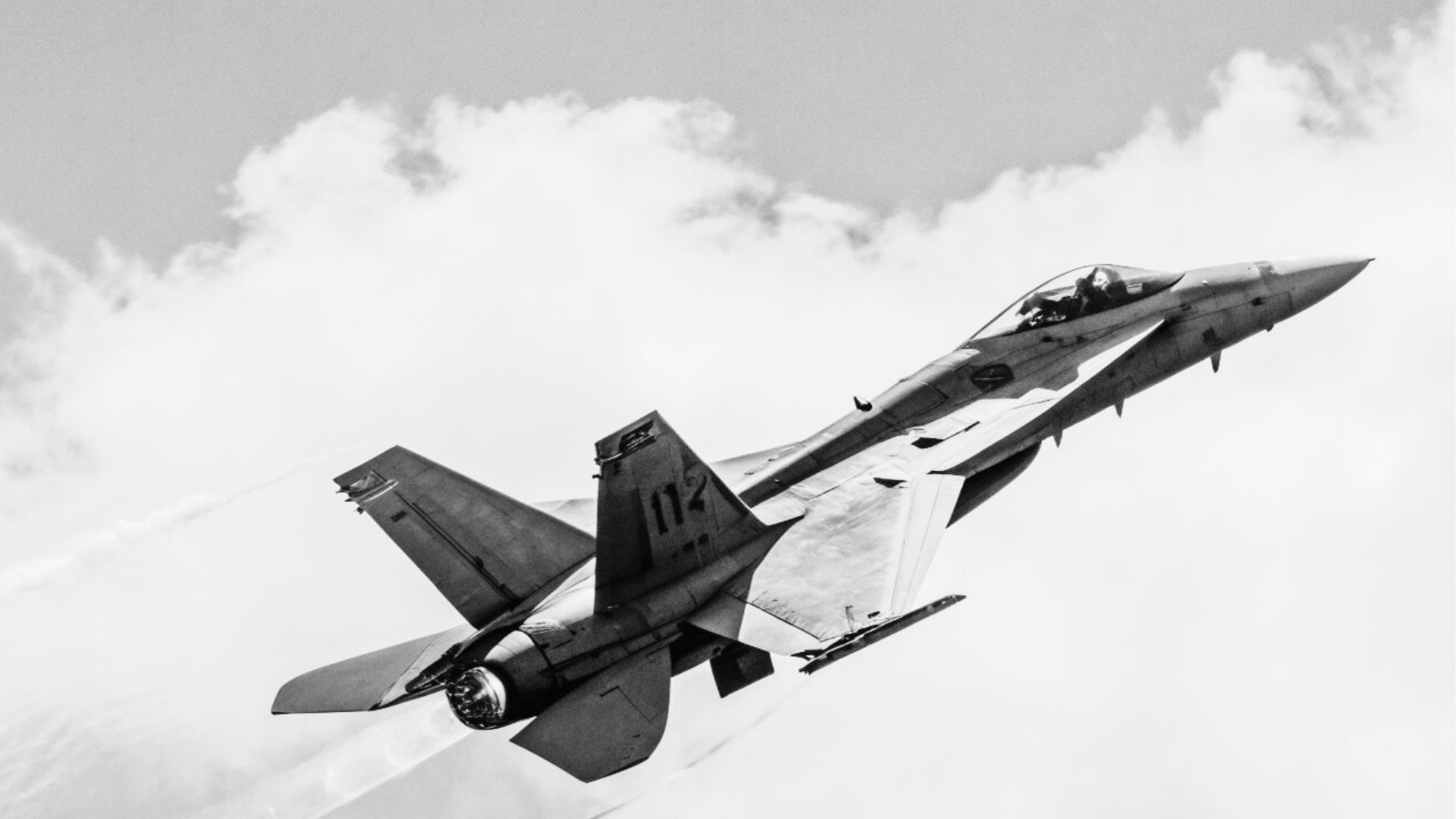
In parallel, India is preparing to induct 26 Rafale-M fighter jets under a ₹60,000 crore deal with France. These aircraft will operate from INS Vikramaditya and INS Vikrant, replacing the ageing MiG-29K fleet. Together, the corvette programme and Rafale induction mark a significant enhancement of India’s maritime strike and defence capabilities, strengthening its position in the Indian Ocean region.