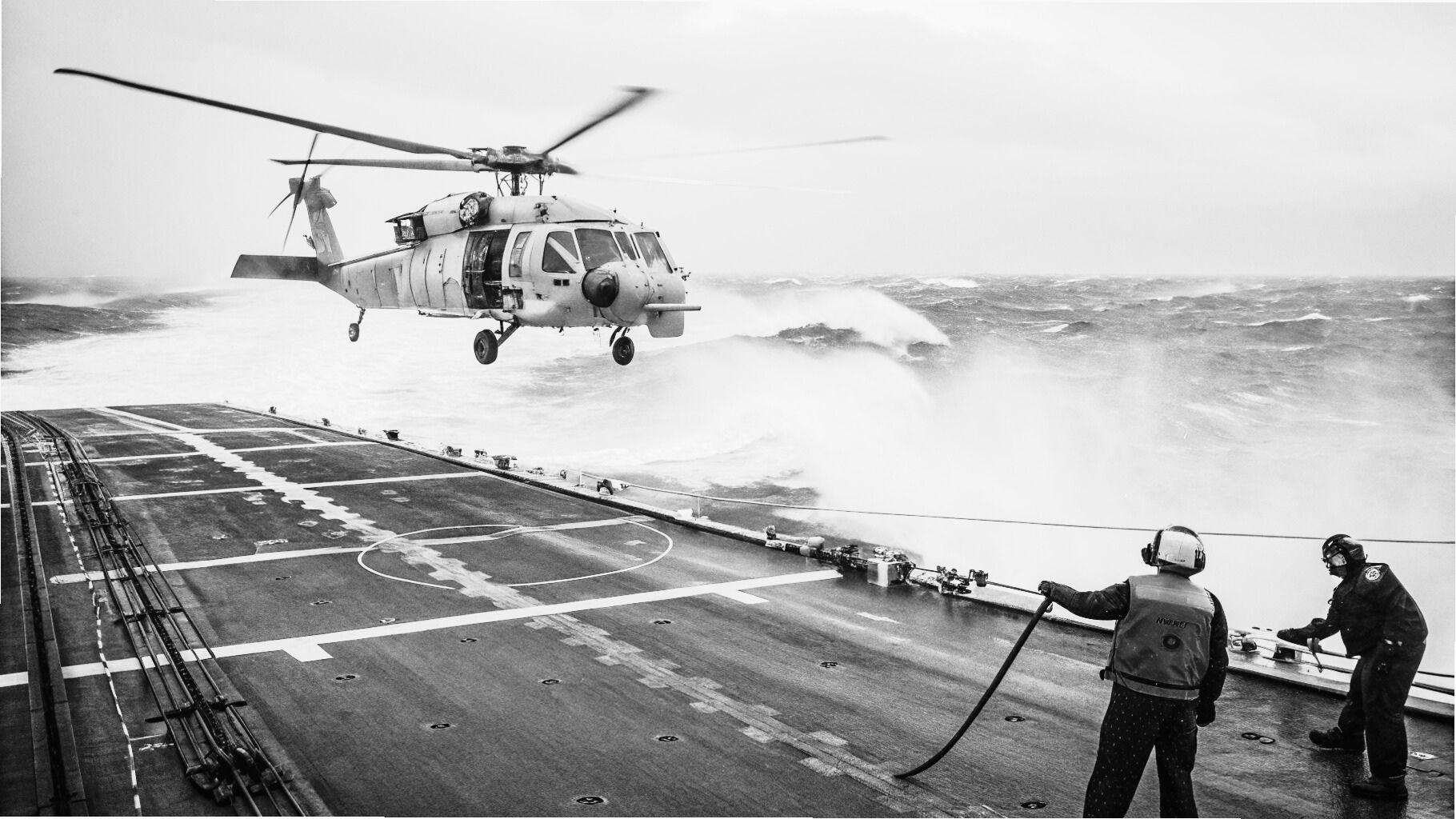
The British Royal Navy and Leonardo UK have completed the inaugural autonomous flight of the full-scale Proteus unmanned helicopter at Predannack Airfield in Cornwall. This milestone marks the first airborne validation of a large rotary-wing aircraft capable of operating alongside crewed platforms in future UK naval aviation.
During the flight, the Proteus managed its own flight systems without a human onboard, while ground-based test pilots maintained oversight for safety. The event transitions the program from ground trials to operational airborne testing, demonstrating the helicopter’s potential to integrate with the Royal Navy’s Fleet Air Arm.
Predannack, a satellite airfield for RNAS Culdrose and the UK National Drone Hub, provided the ideal environment for autonomous flight experiments, linking the program to ongoing naval rotary-wing operations. Observers from Leonardo, the Royal Navy, and UK Defence Innovation attended to witness the milestone.
The Proteus program traces its origins to 2013 when the Ministry of Defence awarded a £2.3 million contract to AgustaWestland to explore rotary-wing unmanned systems under the Anti-Submarine Warfare Spearhead program. Subsequent development phases, including a £60 million contract signed in 2022, have supported roughly 100 skilled jobs in the UK and positioned the Proteus among the world’s first full-size autonomous helicopters.