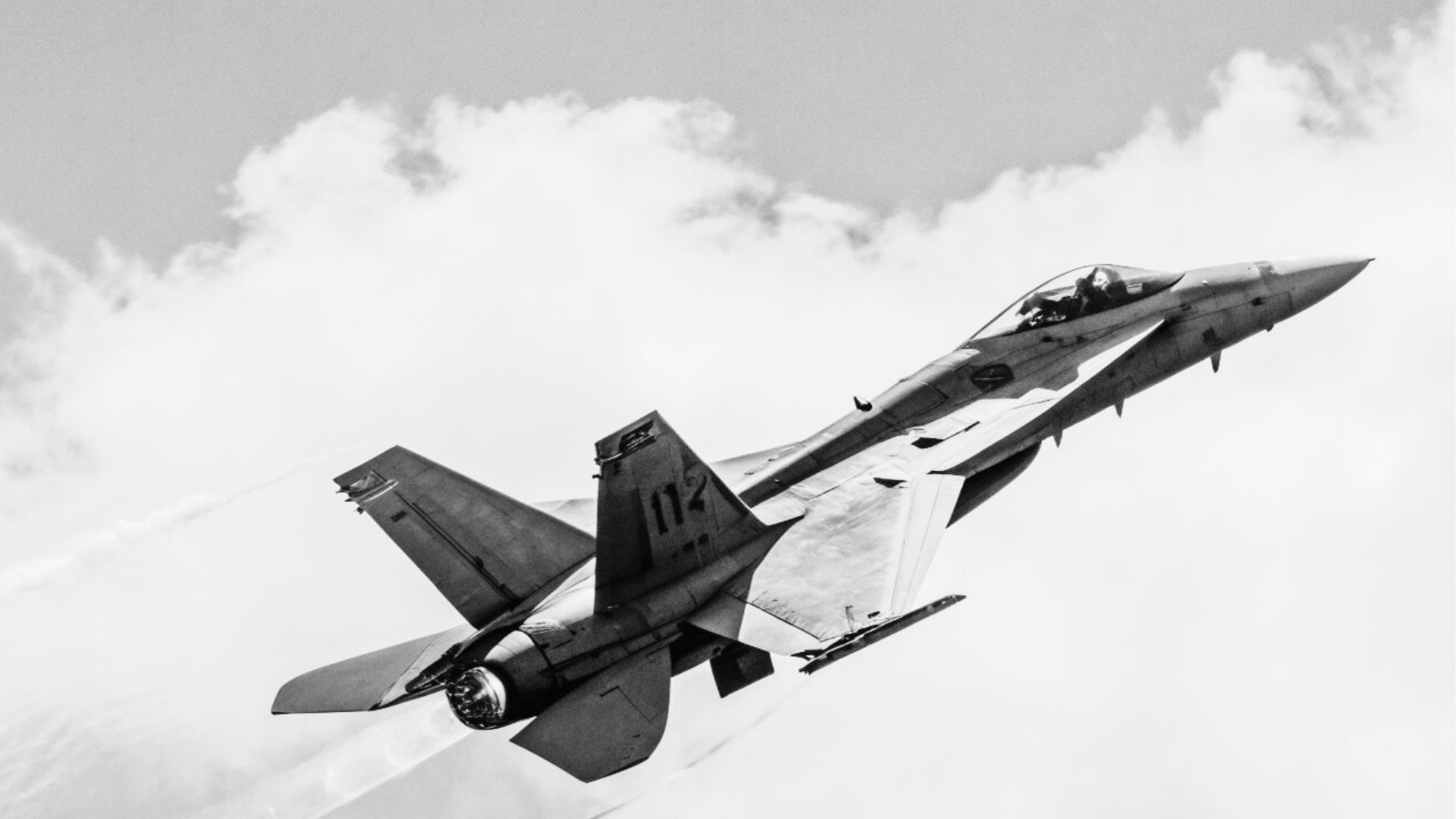
Stavatti Aerospace has released a detailed proposal positioning its SM-39 Razor as a contender for the U.S. Navy’s Next Carrier Air Dominance (NCAD) requirement, marking one of the most ambitious independent concepts to emerge in the ongoing sixth-generation fighter debate. Published in January 2026, the proposal outlines a notional acquisition of 600 aircraft at an estimated flyaway cost of $85 million each, implying a total program value of roughly $51 billion. The plan anticipates deliveries between 2031 and 2037 and includes a supporting training ecosystem featuring 50 full-mission simulators.
The timing of the announcement is notable, arriving as the Navy’s F/A-XX program gains renewed momentum following a period of budgetary uncertainty and mounting congressional pressure to accelerate key decisions.
According to company materials, the SM-39 Razor concept is deliberately bold. The aircraft features a low-observable triple-fuselage configuration intended to reduce supersonic wave drag, coupled with performance claims that include sustained speeds beyond Mach 4 and supercruise capability above Mach 2.5. Propulsion would rely on next-generation adaptive-cycle afterburning turbofan engines, either Stavatti’s proprietary “NeoThrust” concept or a powerplant class comparable to current U.S. adaptive-cycle demonstrators. As with broader industry trends, the design emphasizes fuel efficiency, thermal management, and electrical power generation to support advanced sensors and future mission systems. Whether such performance can be achieved in a carrier-capable aircraft at acceptable cost and sustainment levels remains uncertain.
The proposal provides its clearest technical detail in the area of weapons integration. The SM-39 is described as carrying an internal 20 mm M61A2 Vulcan cannon with a 1,000-round magazine, supported by two internal weapons bays. A forward bay, approximately 162 inches long and rated for 5,000 pounds at 7.5 g, is intended for air-to-air missiles or precision-guided munitions. A larger mid-fuselage bay, rated for 12,000 pounds, supports a rotary launcher and heavier strike payloads. Illustrative loadouts suggest the aircraft could carry up to six beyond-visual-range missiles internally or multiple 2,000-pound-class guided bombs while retaining low observability.
External payload options include four jettisonable wing hardpoints, each rated at 4,500 pounds, compatible with a broad range of U.S. Navy weapons such as anti-ship, anti-radiation, and standoff strike munitions, as well as external fuel tanks. Stavatti cites a total design payload capacity of 25,000 pounds enabled by standard digital weapons interfaces. The proposal also references future integration of directed-energy weapons, noting internal power and cooling margins intended to support high-energy laser systems as the technology matures.