The U.S. Marine Corps has deployed its new ACV-P (Amphibious Combat Vehicle–Personnel Carrier), part of the Amphibious Combat Vehicle (ACV) family, during ship-to-shore operations conducted from USS Makin Island off the California coast. The deployment underscores ongoing efforts to modernize amphibious warfare capabilities to support rapid crisis response and forward-deployed missions.
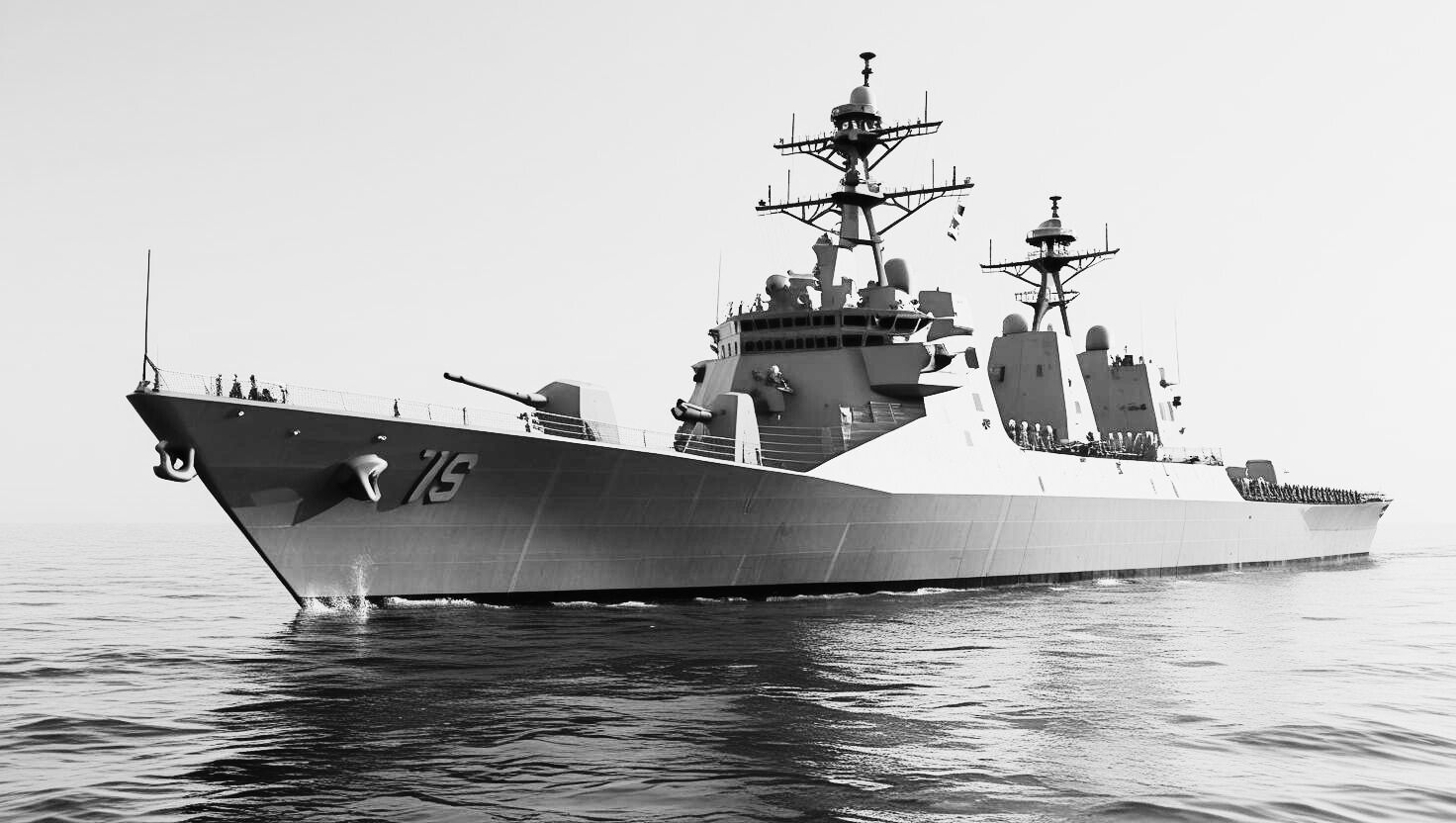
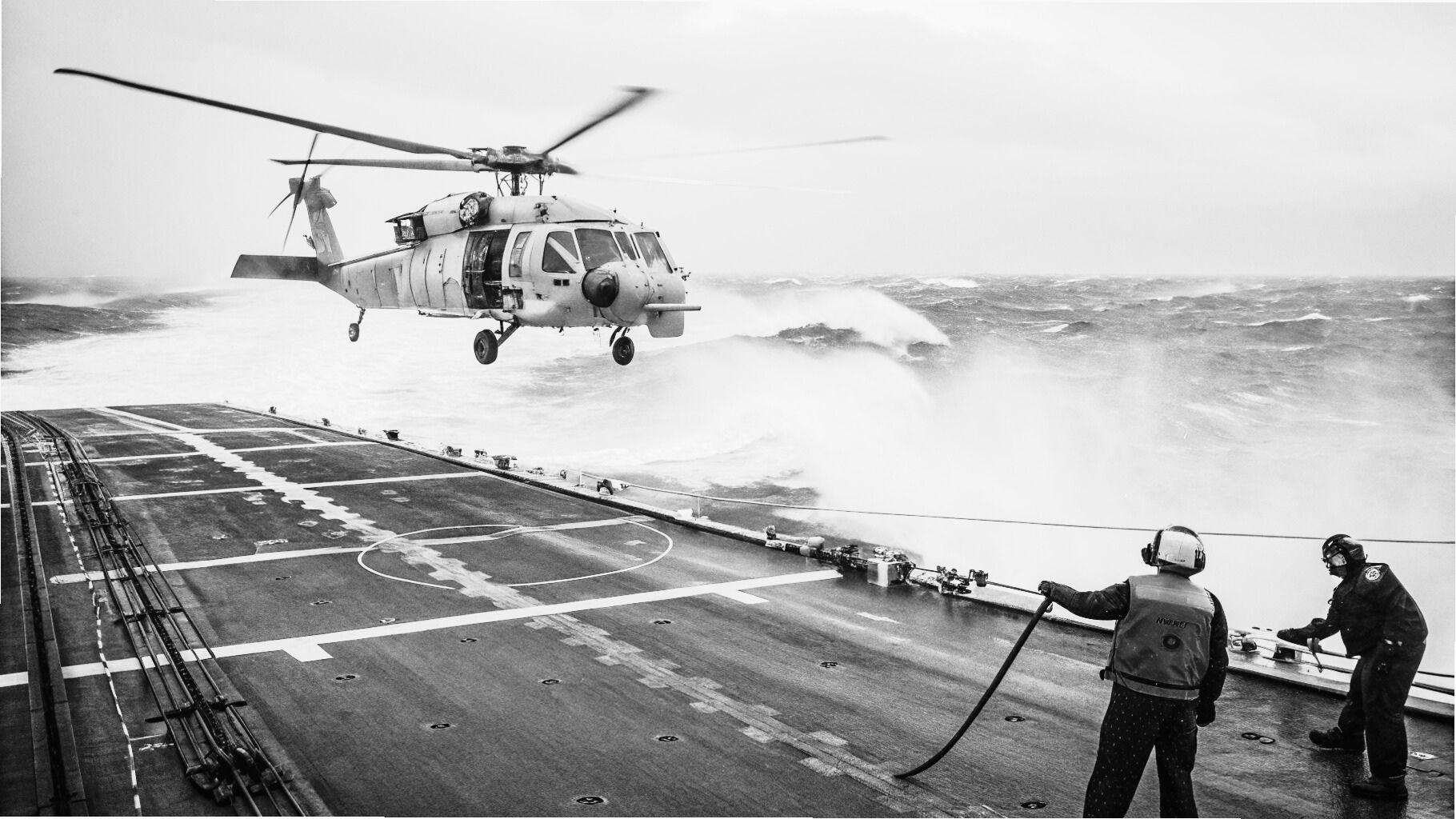
Marines from the 3rd Assault Amphibious Battalion, 1st Marine Division, executed ship-to-shore maneuvers aboard USS Makin Island (LHD-8), a Wasp-class amphibious assault ship, as part of Quarterly Underway Amphibious Readiness Training (QUART) 26.2. The January 23, 2026, exercise demonstrated the Navy–Marine Corps team’s ability to project modernized ground combat power from the sea, according to service officials.
The operation formed part of routine amphibious training aimed at sustaining combat readiness and validating the integration of new armored platforms with U.S. Navy amphibious assault ships. Conducting such exercises at sea ensures Marines and Sailors remain proficient in the complex coordination required for contemporary amphibious operations.
QUART remains a key mechanism for maintaining interoperability between the U.S. Navy and Marine Corps, reinforcing command relationships, communications, and tactical procedures essential for maritime power projection.
The Amphibious Combat Vehicle represents the Marine Corps’ next-generation armored amphibious platform, developed to replace the legacy AAV-7A1 Assault Amphibious Vehicle that has served since the early 1970s. While combat-proven, the AAV faced growing limitations in survivability, reliability, and protection against modern threats.
Developed under the ACV program, the platform features a modern 8×8 wheeled armored design that improves land mobility while reducing maintenance demands compared to the tracked AAV. The ACV also offers enhanced speed, range, and maneuverability at sea, and is designed to self-deploy from amphibious ships, operate in open-ocean environments, and transition seamlessly into sustained ground operations.