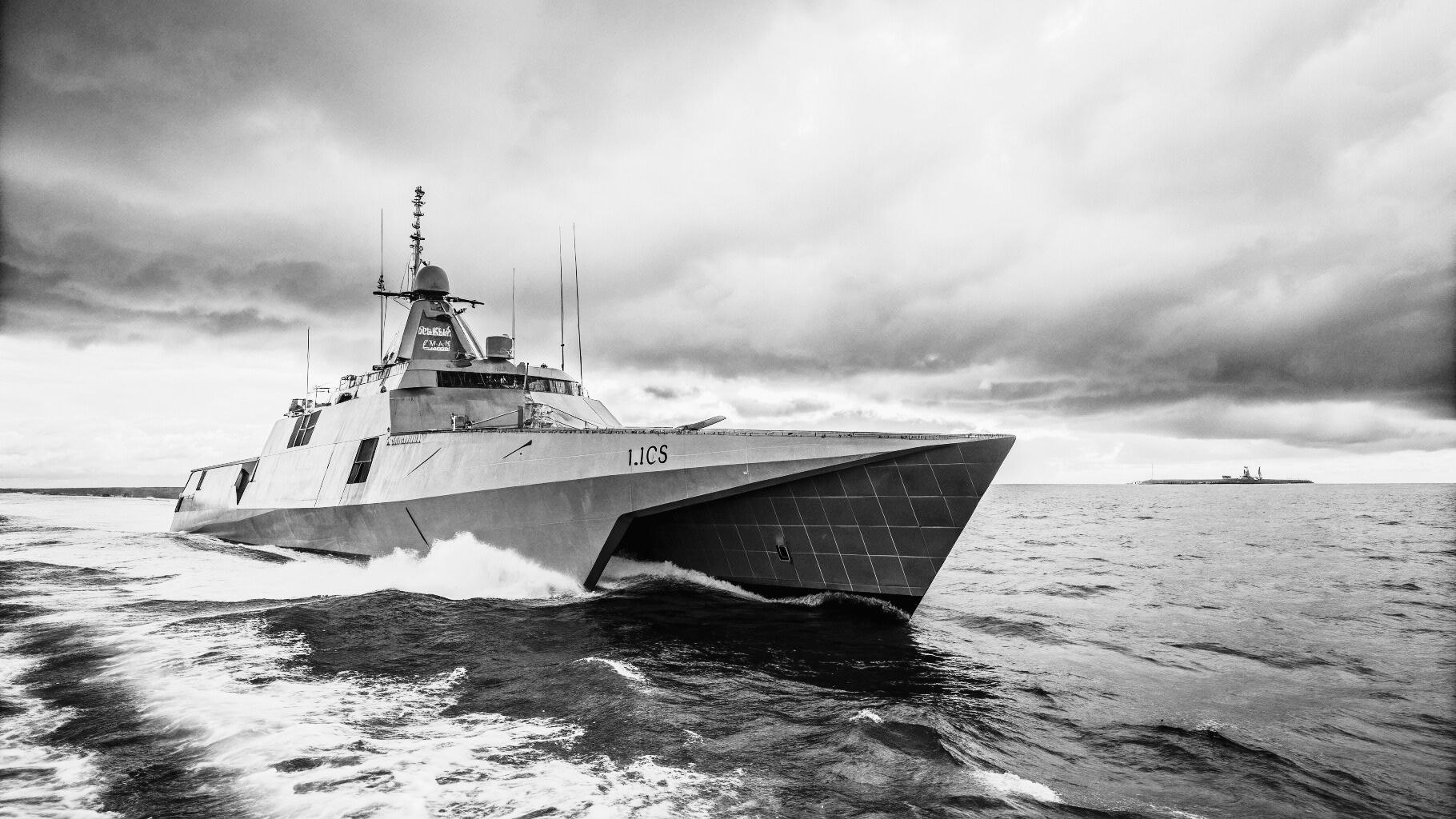
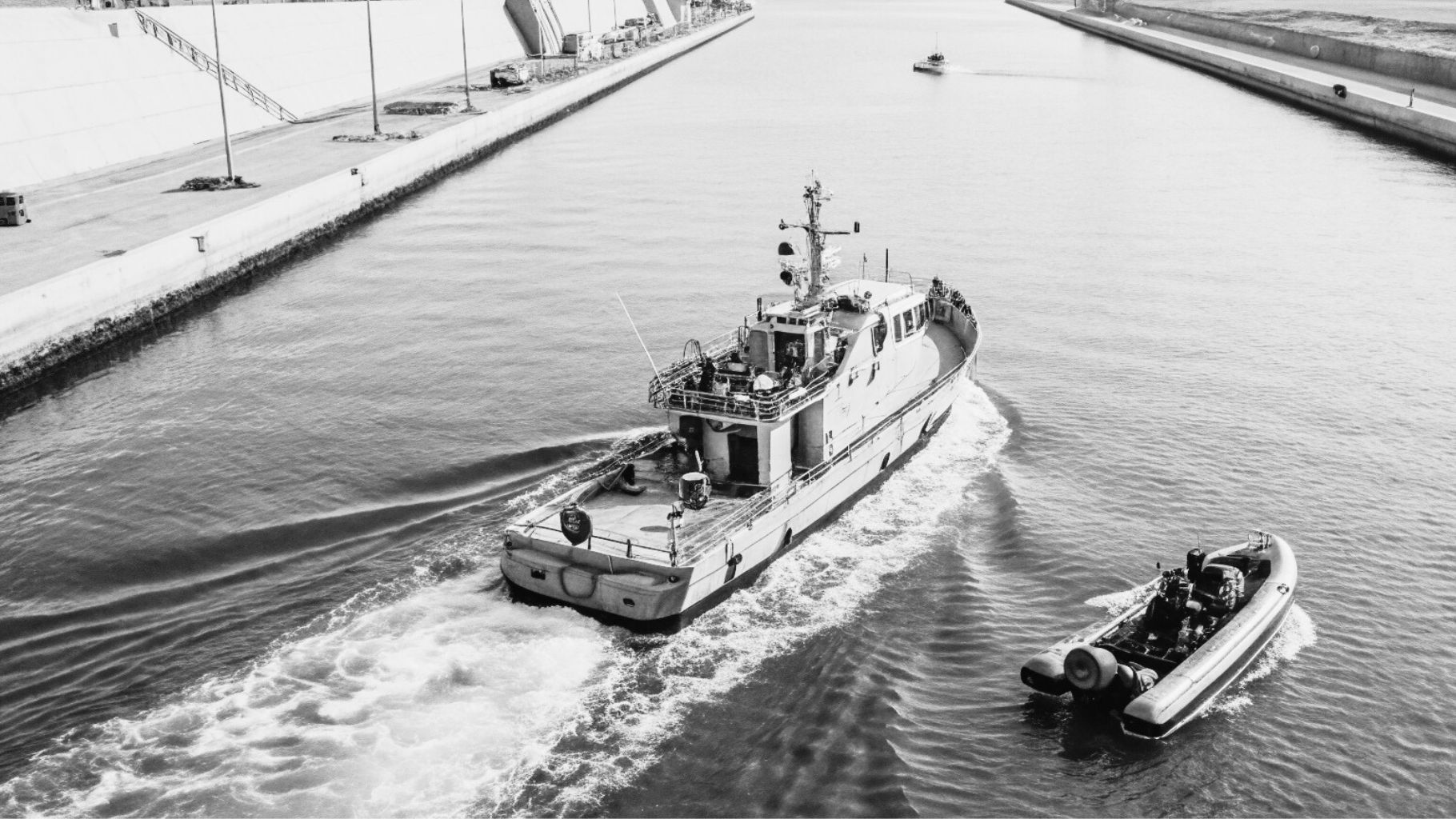
Huntington Ingalls Industries (HII) is pushing ahead with the development of its ROMULUS unmanned surface vessel family, with the lead prototype now approximately 30 percent complete.
The vessel is expected to enter sea trials in late 2026.
Designed for long-endurance, open-ocean operations, the ROMULUS USVs are intended to support the US Navy, Marine Corps, joint forces, and allied partners.
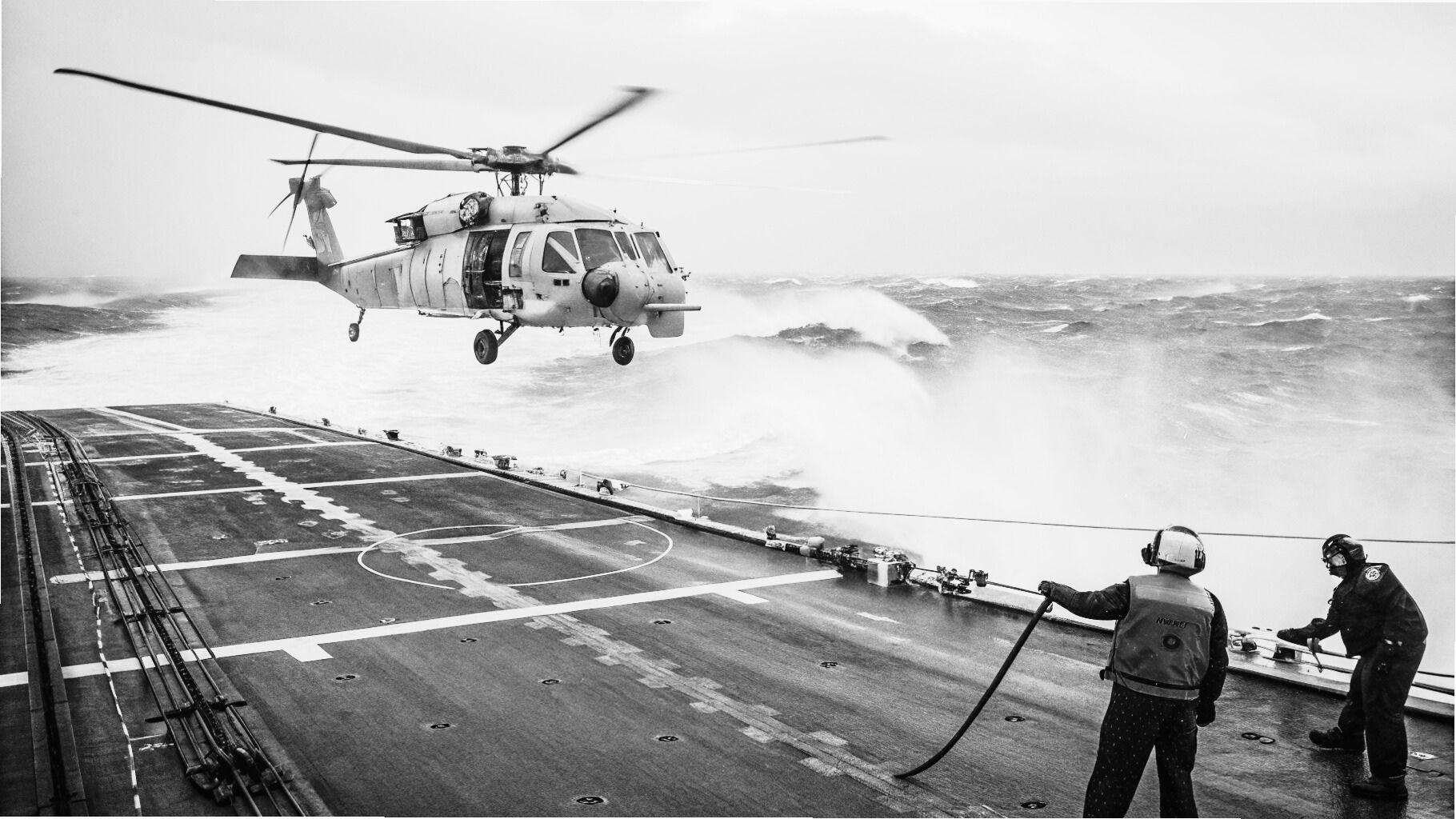
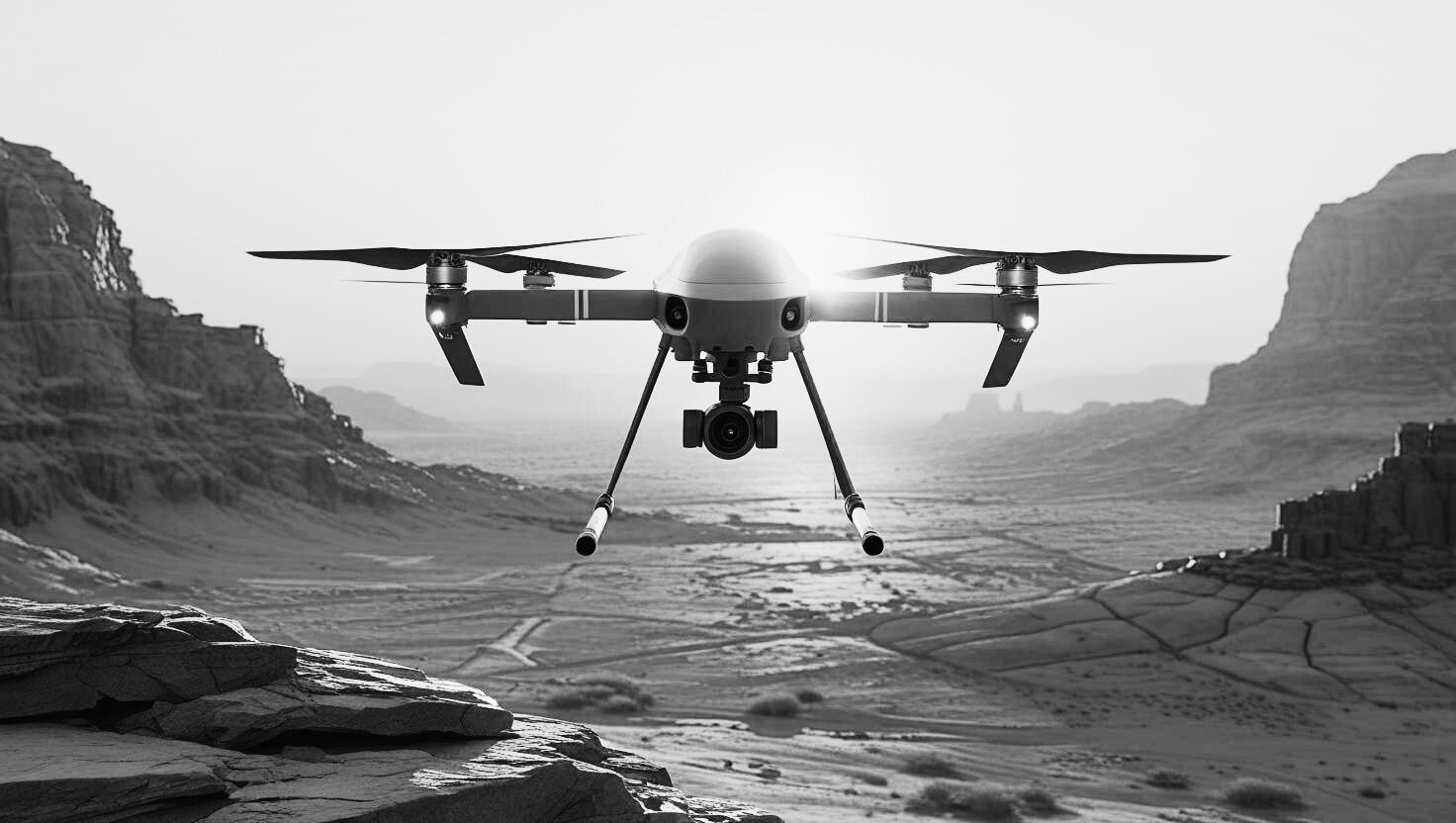
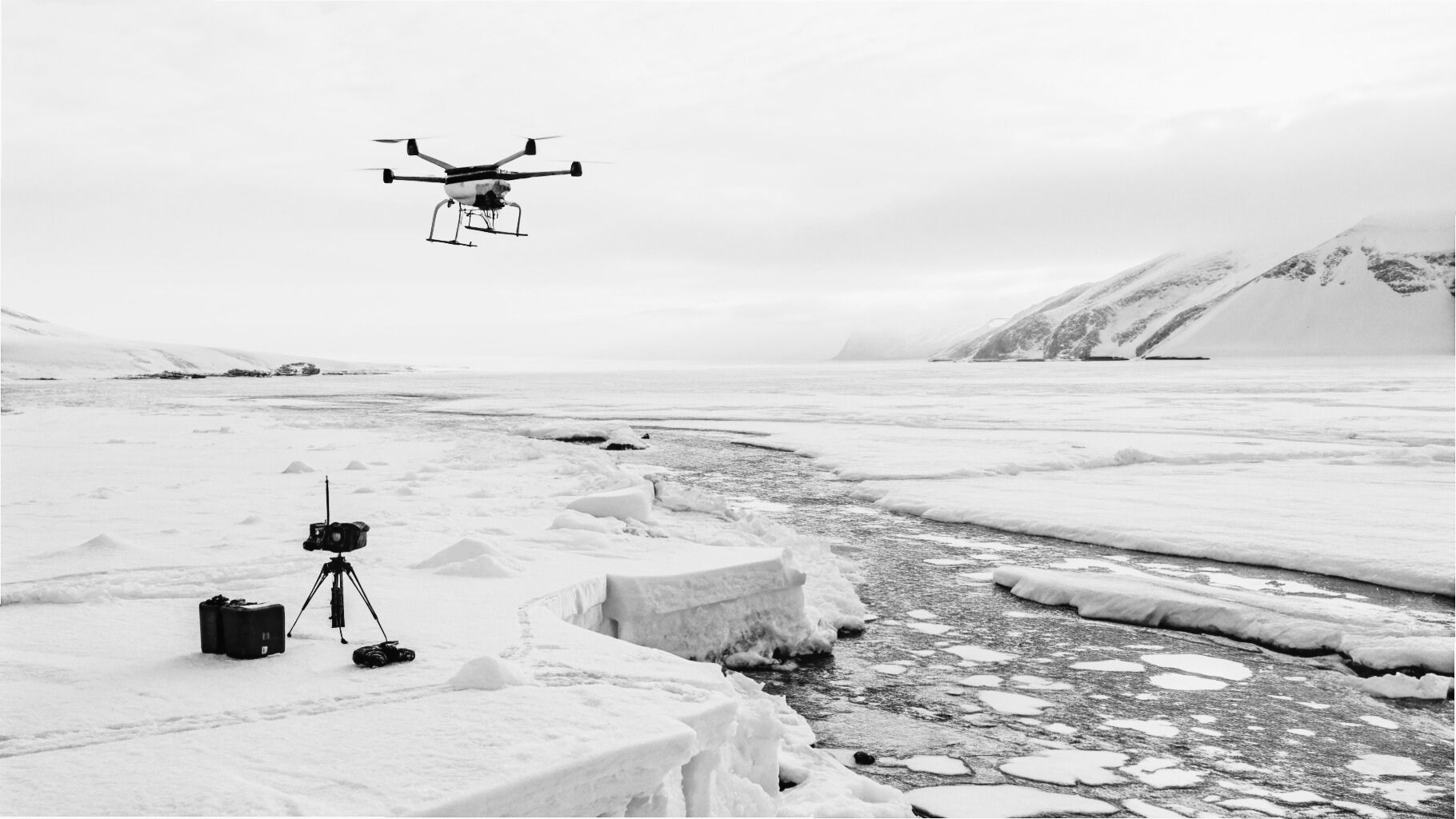
Their mission set includes intelligence, surveillance, and reconnaissance, counter-drone operations, mine countermeasures, strike missions, and the deployment and recovery of unmanned underwater and aerial systems.
The vessels are capable of speeds exceeding 25 knots and offer an operational range of up to 2,500 nautical miles.
Each ROMULUS platform measures roughly 190 feet in length.
The design supports both manned and unmanned teaming, enabling missions such as refueling and logistical resupply.
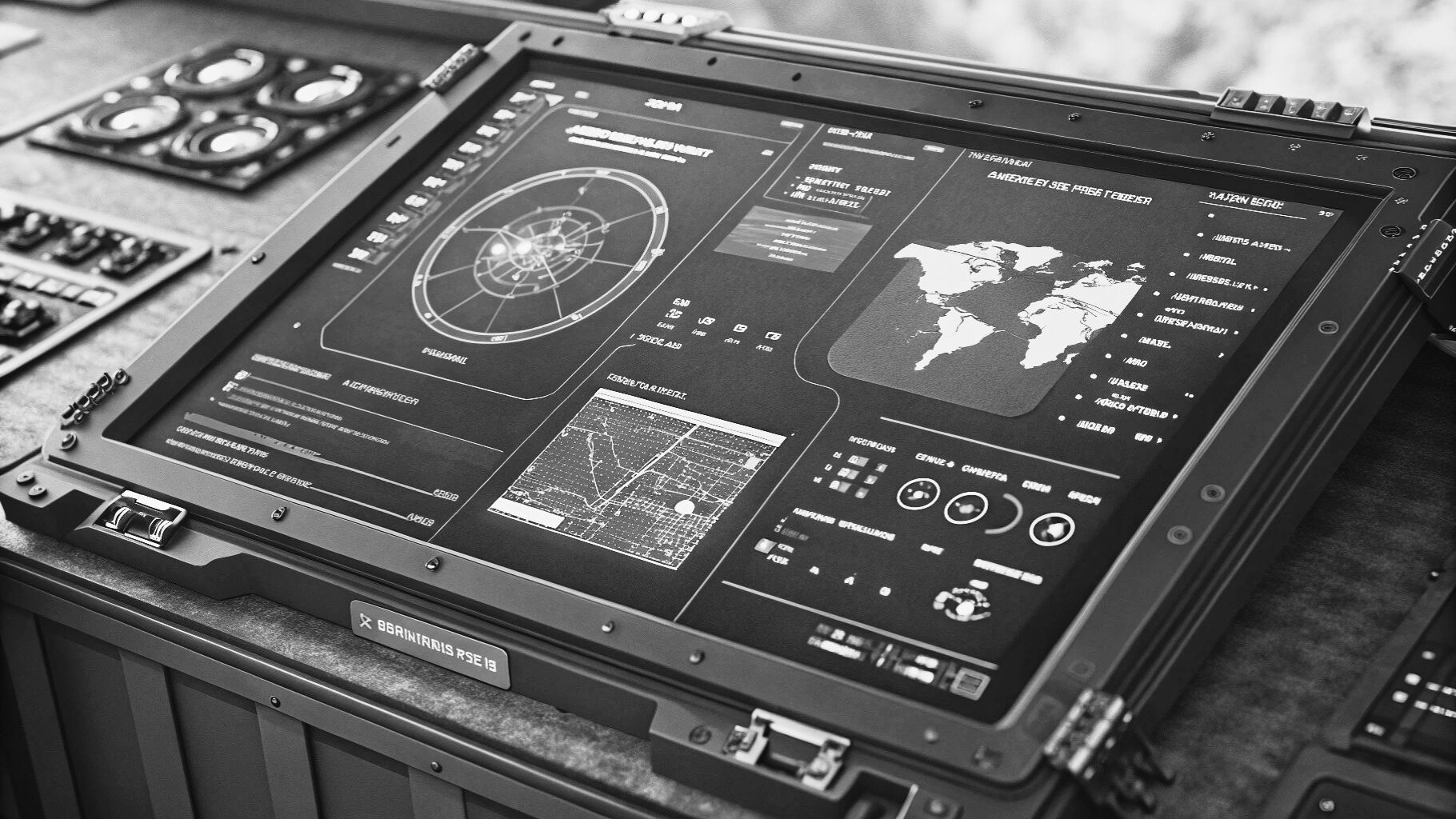
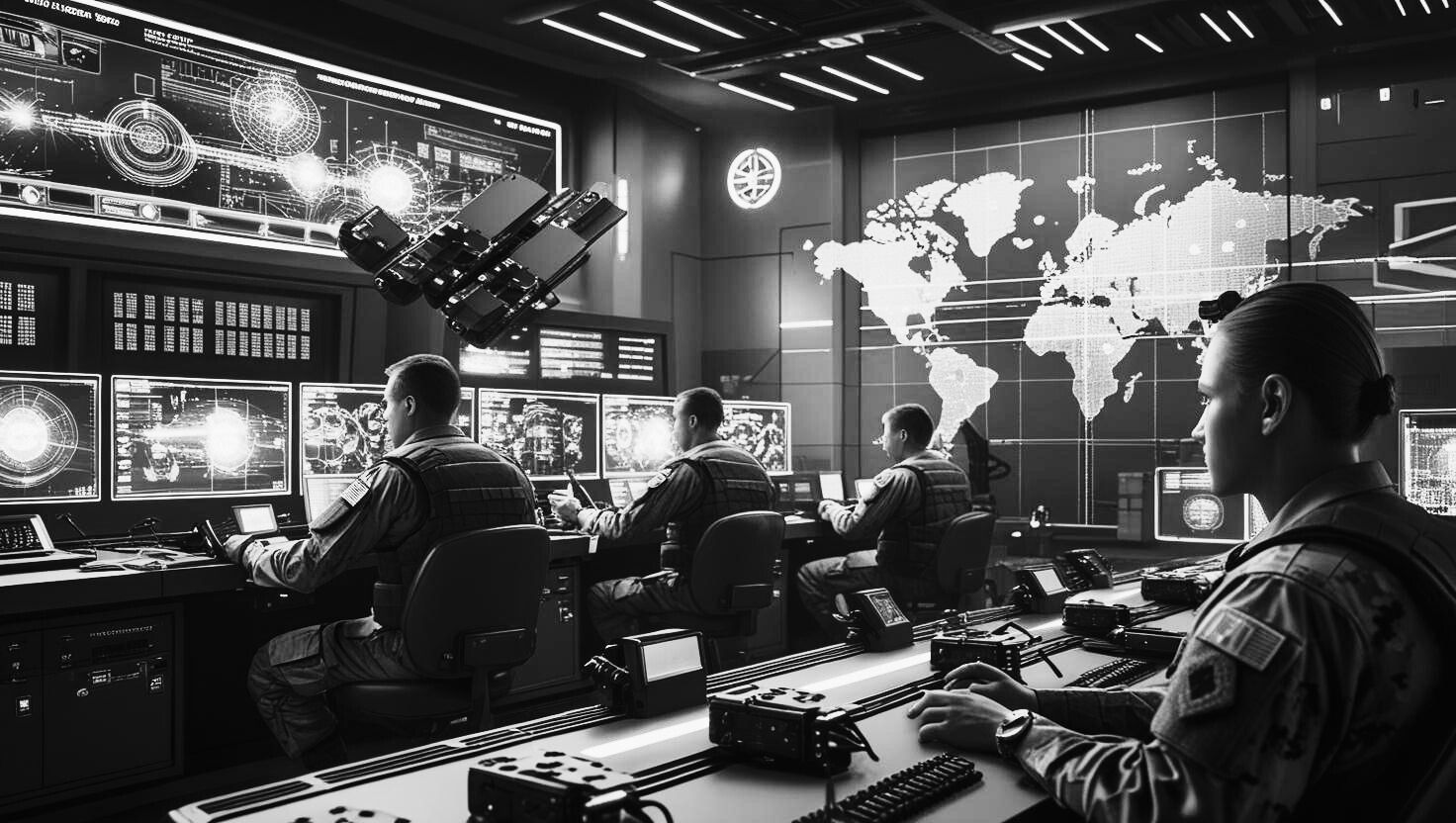
At the heart of the system is Odyssey, HII’s AI-enabled control suite, which allows operators to manage single vessels or coordinated swarms.
Built on an open-architecture framework, ROMULUS is designed to accommodate future sensors, payloads, and autonomy upgrades.
The vessels integrate advanced technologies from Shield AI, Applied Intuition, and C3 AI to improve autonomous performance and long-term sustainment.
In November, HII and Shield AI successfully demonstrated dual-autonomy integration, operating Shield AI’s Hivemind mission autonomy software in parallel with HII’s Odyssey system.