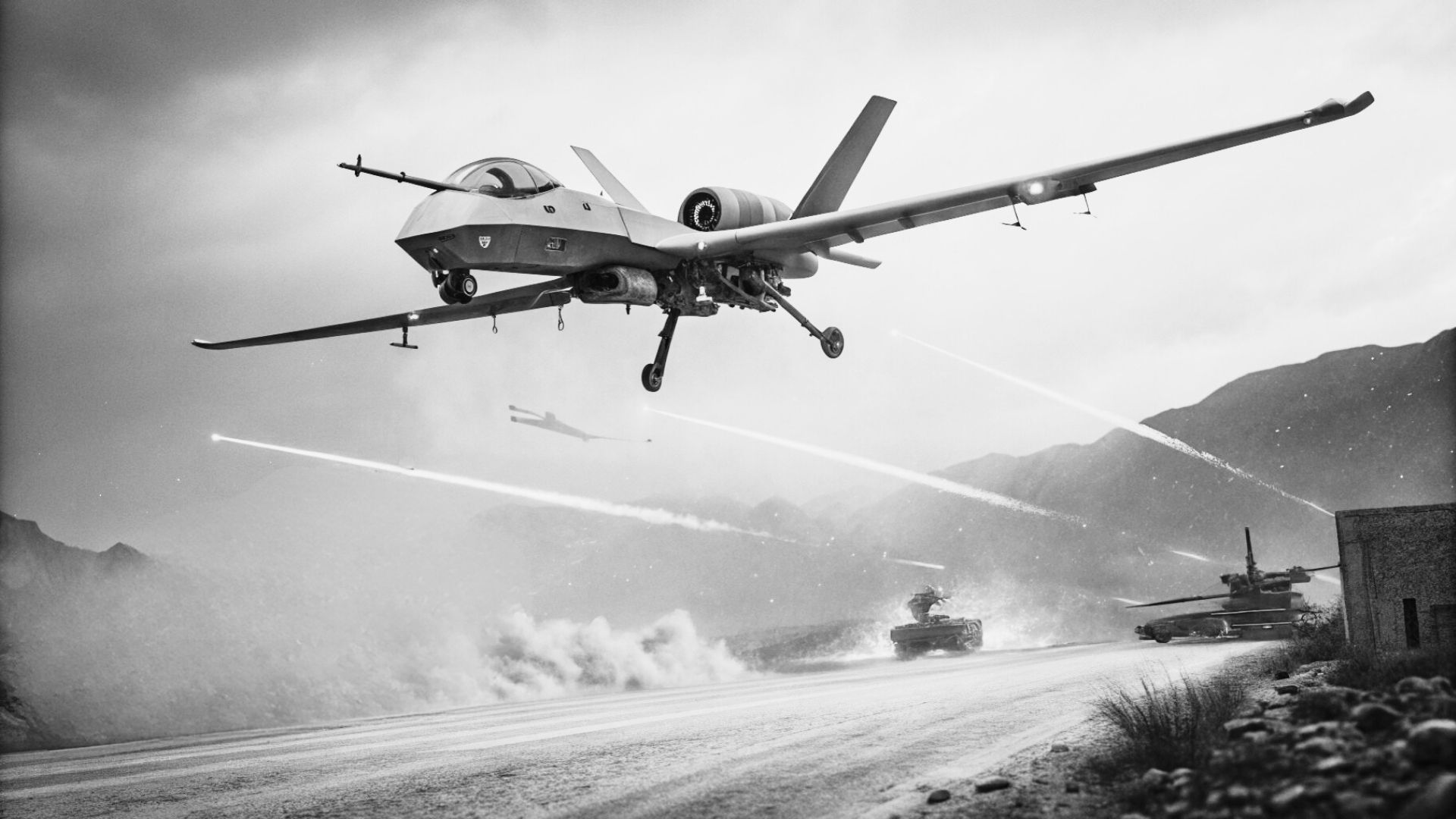
The US Air Force (USAF) has chosen Raytheon’s PhantomStrike radar for integration on its autonomous X-62A Variable In-flight Simulation Test Aircraft (VISTA) as part of a broader modernization effort.
PhantomStrike is a lightweight, air-cooled fire-control radar based on gallium nitride technology, designed to significantly reduce size, weight, and power requirements when compared to conventional AESA radars.
Weighing less than 150 pounds (68 kg), the radar is optimized for use on uncrewed aerial systems, light-attack platforms, and rotorcraft. Raytheon states that its digital beamforming and electronic steering capabilities enable multiple operating modes, allowing simultaneous air and ground targeting at a lower cost than comparable systems.
The radar successfully completed its first flight test in May.
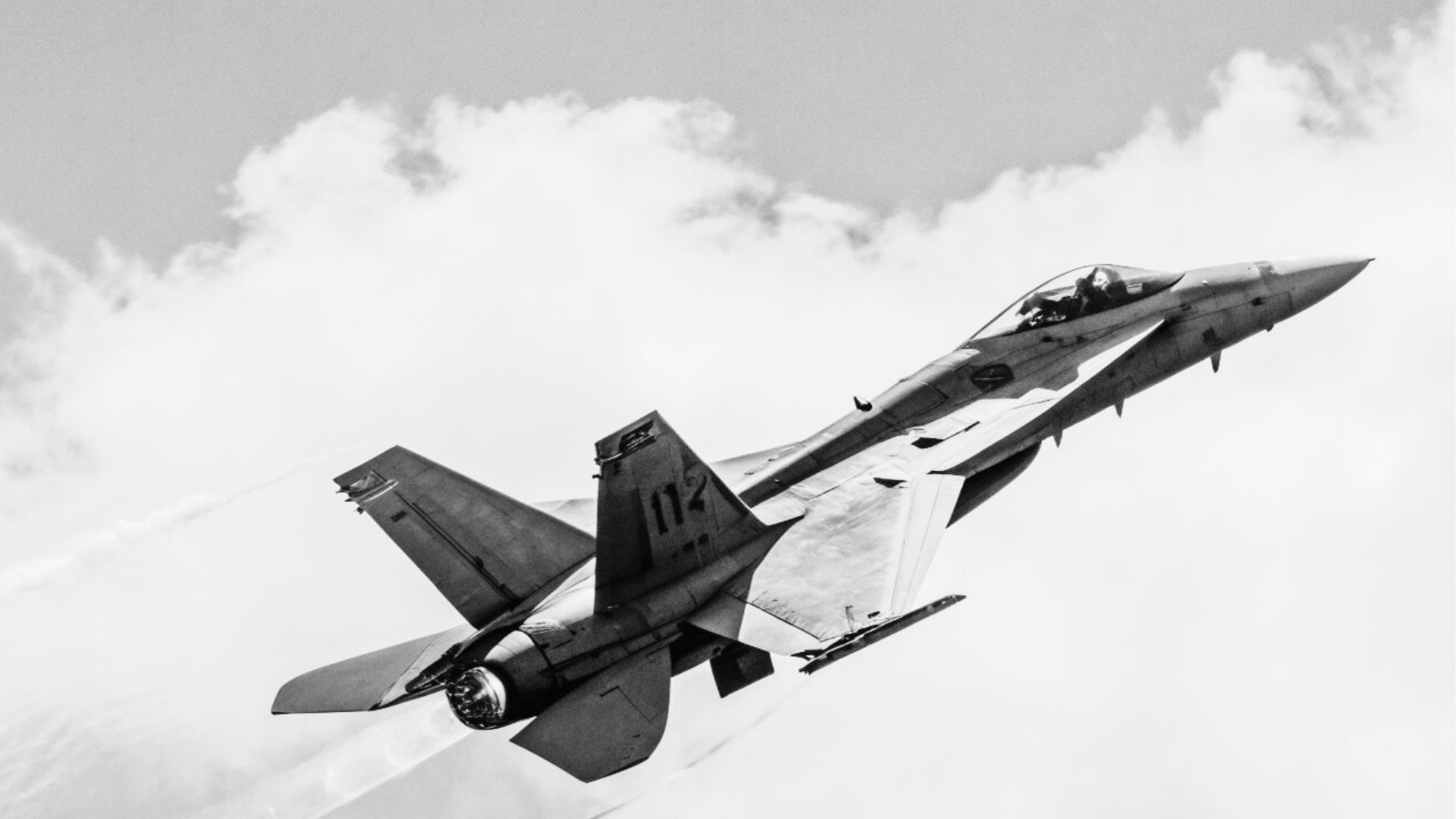
VISTA, developed by Lockheed Martin’s Skunk Works in partnership with Calspan Corporation for the USAF Test Pilot School at Edwards Air Force Base, is a modified F-16D Block 30 featuring Block 40 avionics and an open-systems architecture.
The aircraft functions as a hybrid test platform for machine-learning applications and advanced software development, complementing the USAF’s Viper Experimentation and Next-Gen Operations Model – Autonomy Flying Testbed (VENOM-AFT) program, also based on the F-16.
In February 2023, VISTA achieved a historic milestone by completing its first flight controlled by an artificial intelligence (AI) agent, demonstrating within-visual-range maneuvering against AI red-team adversaries.
Further upgrades planned for 2025 will push the aircraft into increasingly complex operational scenarios, focusing on real-time AI decision-making, system integration, and collaborative autonomy.