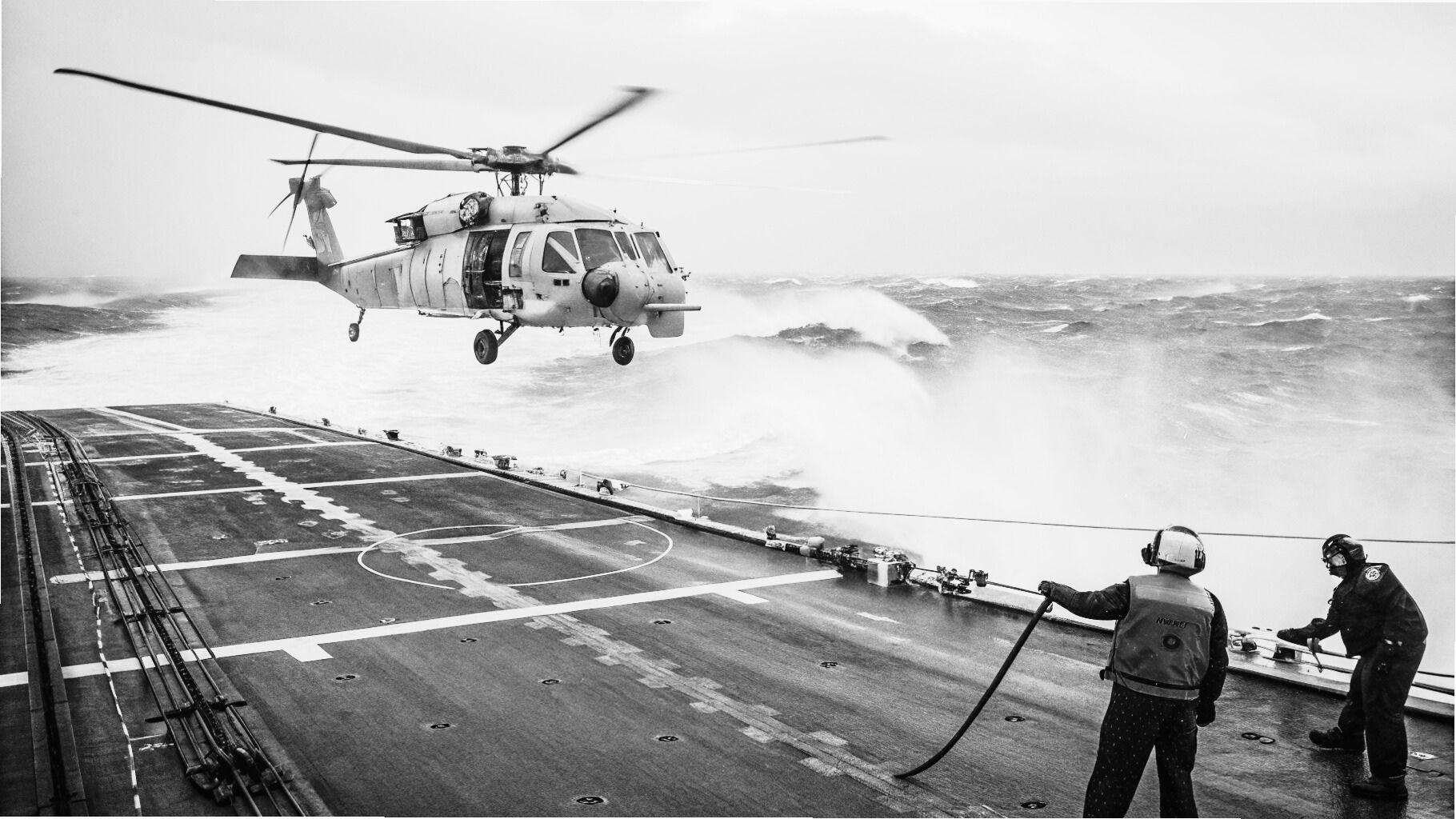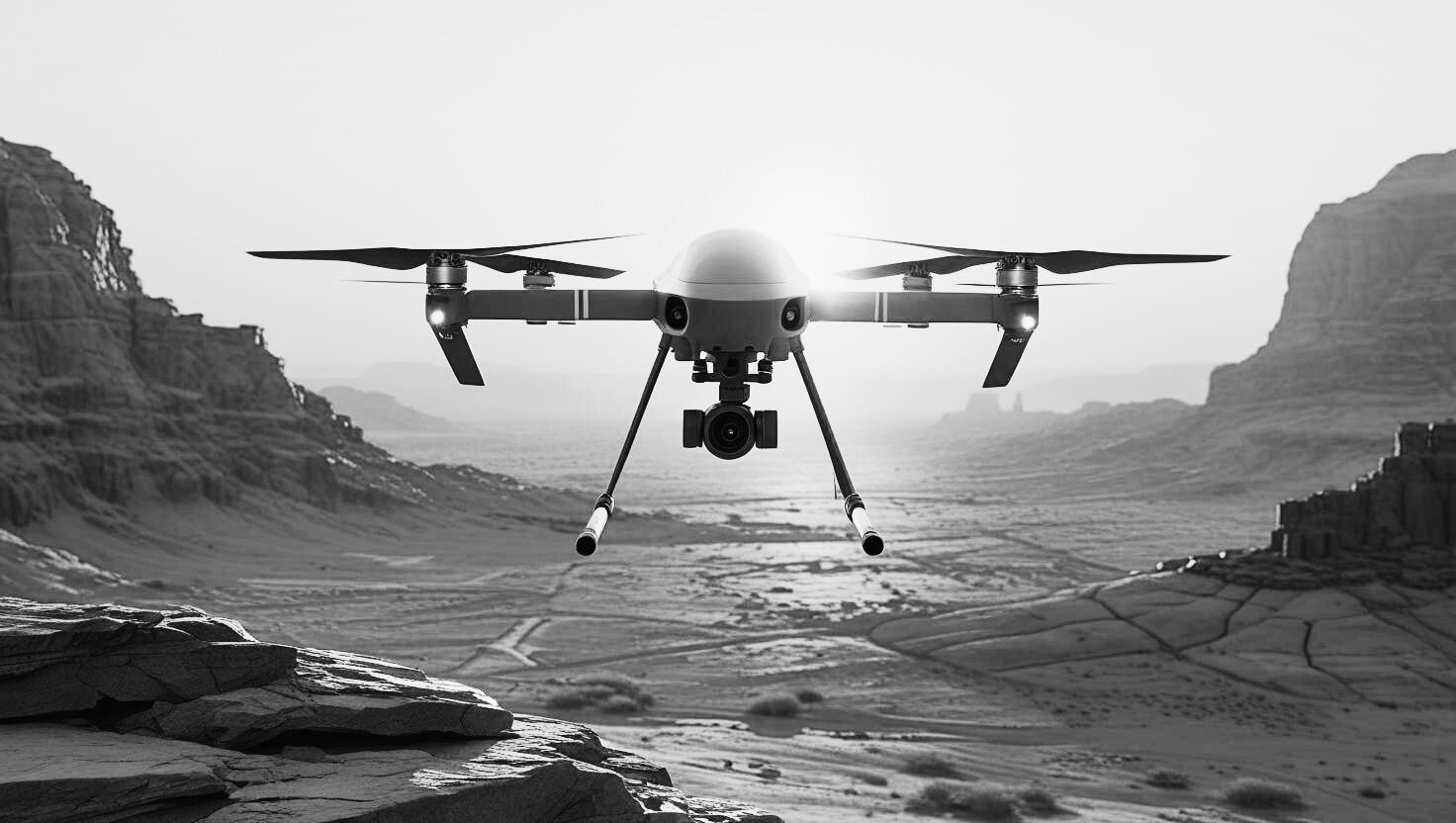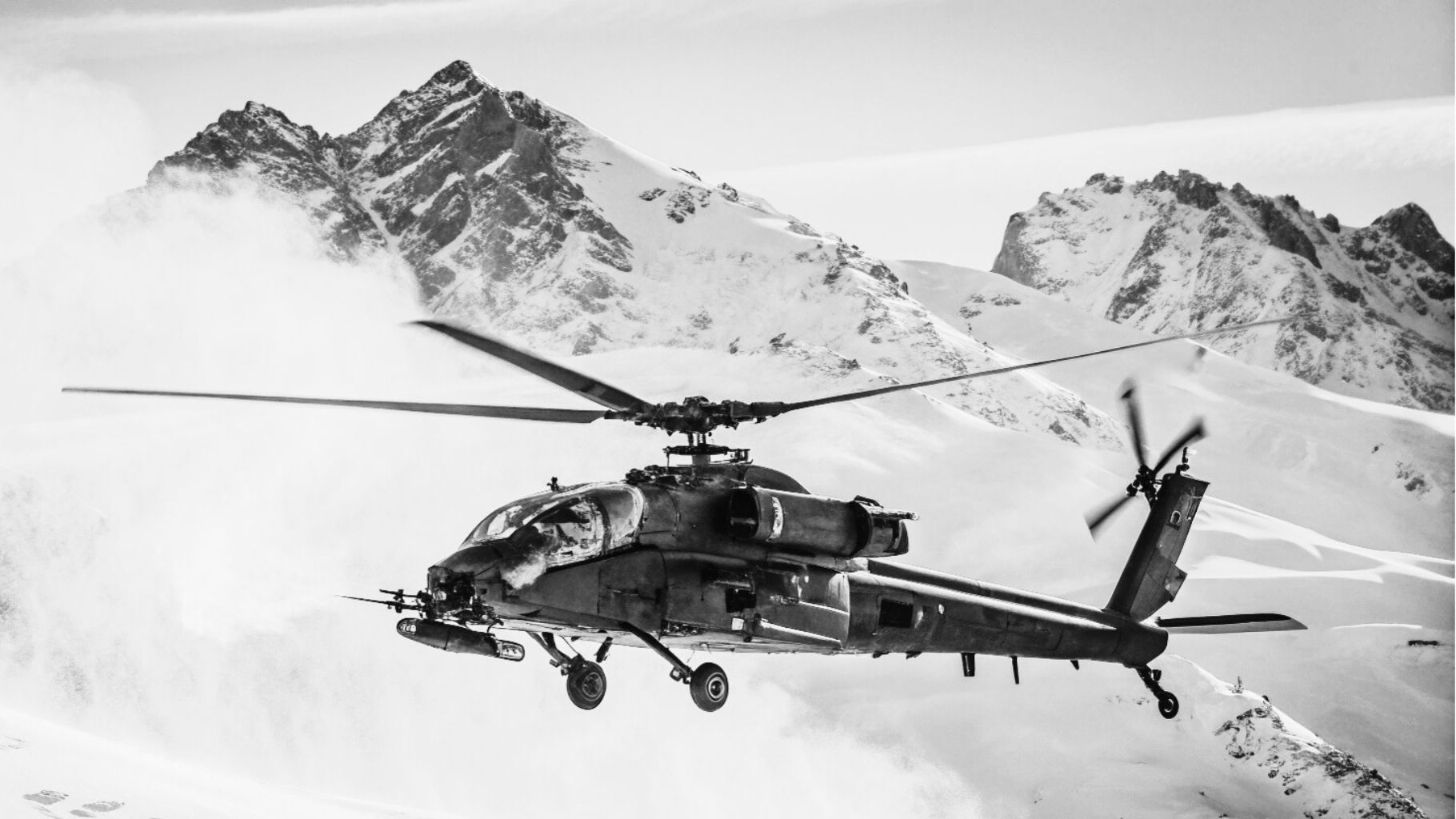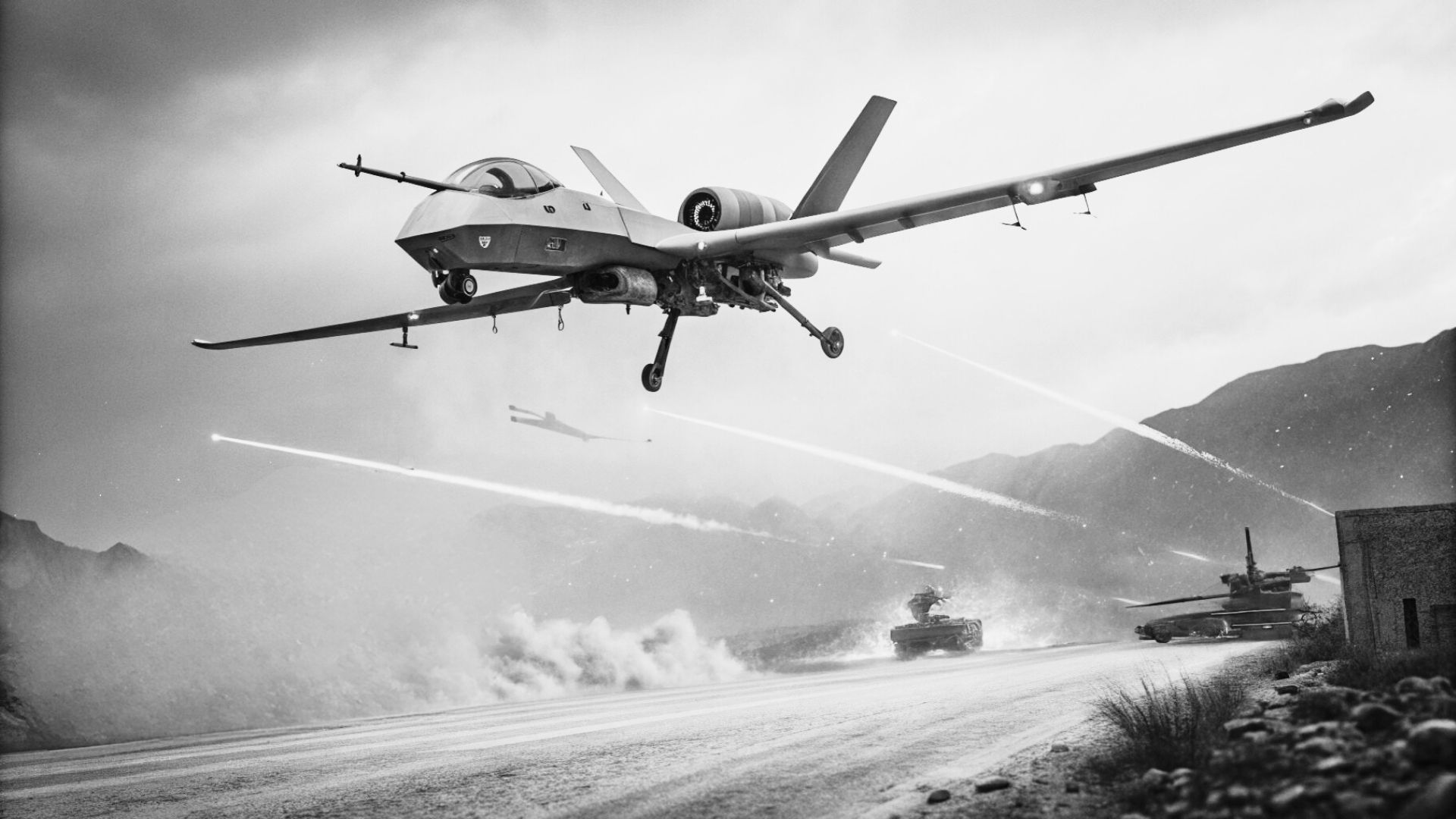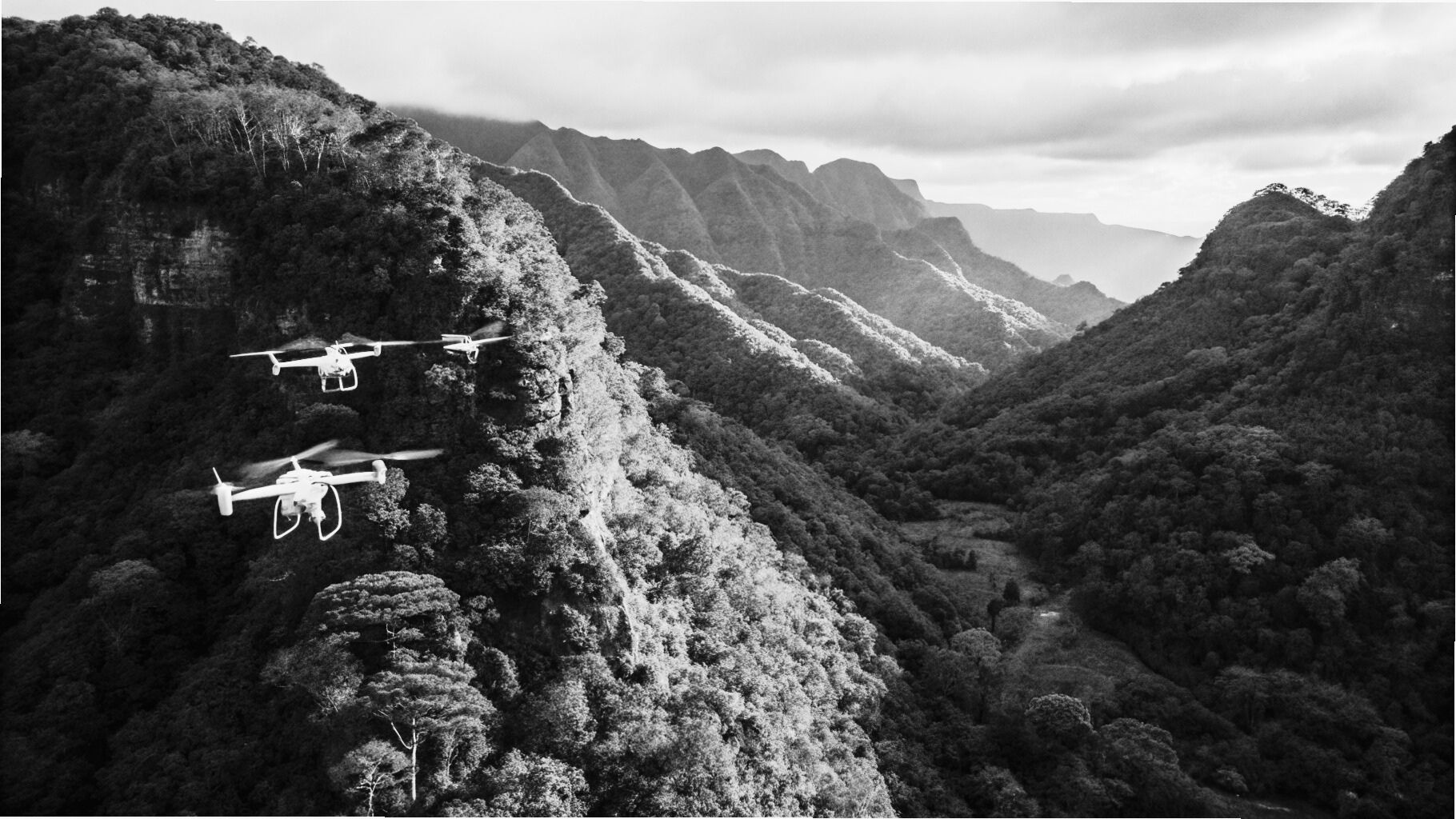
The UK Ministry of Defence has advanced Project NYX into a new phase of development, tasking seven UK-based companies with designing loyal wingman uncrewed aerial systems to operate alongside British Army Apache attack helicopters. The initiative is intended to expand combat mass, enhance survivability, and provide greater operational flexibility for Army aviation in contested airspace.
Under the latest phase, industry partners Anduril, BAE Systems, Leonardo, Lockheed Martin UK, Syos, Tekever, and Thales have been commissioned to develop and prototype next-generation uncrewed systems capable of close cooperation with Apache AH-64E helicopters. The programme reflects the Ministry’s broader investment in uncrewed and autonomous capabilities aimed at sustaining operational tempo and resilience in high-threat environments. Following a pre-qualification process completed in late 2025, the teams are now developing concepts for missions including reconnaissance, strike, target acquisition, and electronic warfare. A down-selection to four teams is planned for March 2026, with concept demonstrators to follow and initial operational capability targeted for 2030.
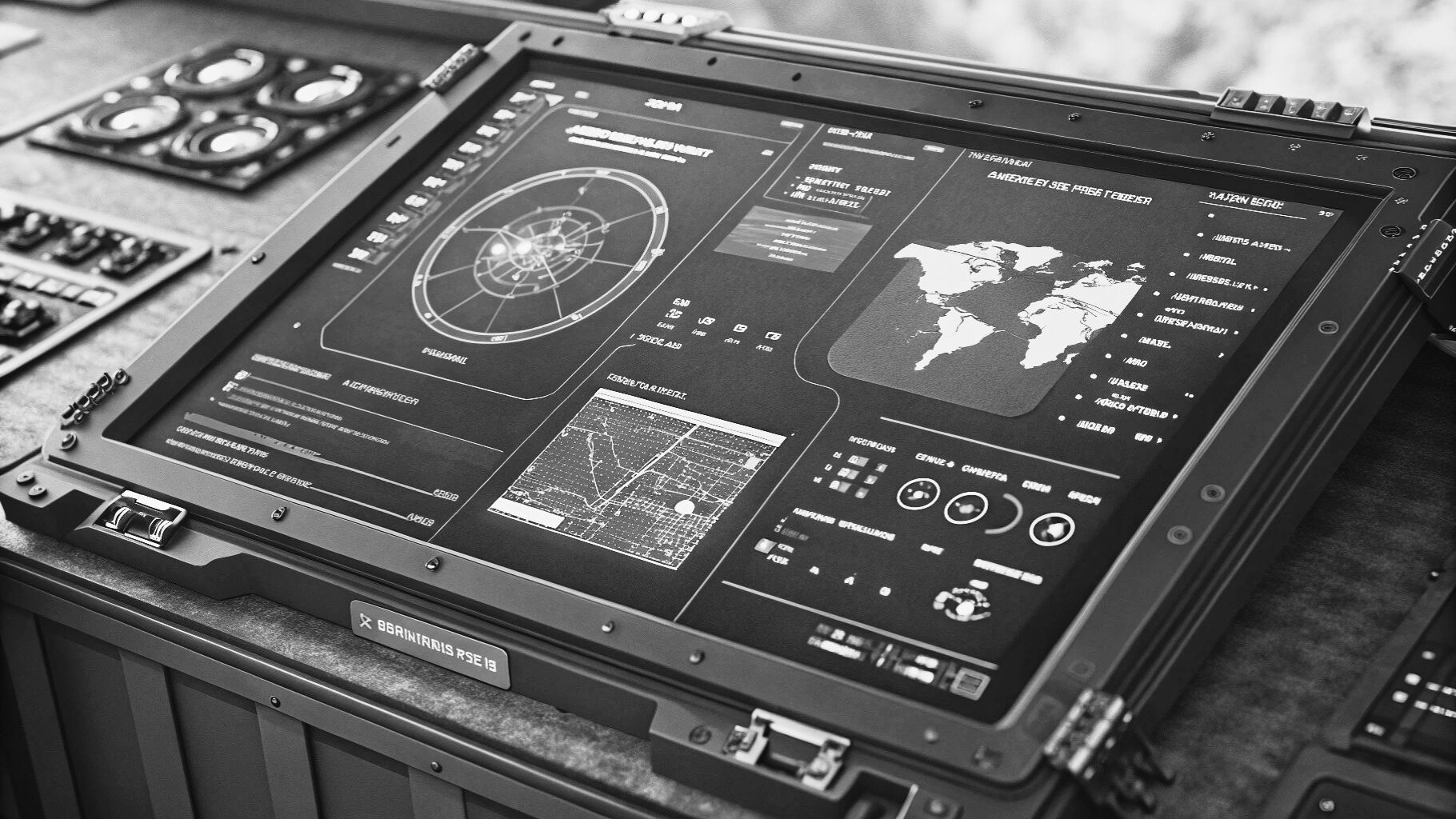
Project NYX is centered on manned–unmanned teaming tailored specifically to rotary-wing operations. Rather than direct remote piloting, the concept emphasizes “command rather than control,” with Apache crews setting mission intent while autonomous systems execute tasks within defined parameters. This approach is intended to reduce cockpit workload, accelerate decision-making, and improve survivability in environments where communications may be degraded or contested.
Integrating loyal wingman drones into Apache mission workflows presents significant technical challenges, particularly in ensuring secure and resilient networking, intuitive human–machine interfaces, and the ability to operate effectively under jamming, spoofing, and GPS-denied conditions. In the rotary-wing context, where helicopters operate low and terrain-masked, these uncrewed systems could extend sensor reach, absorb risk, and enable crews to engage targets while minimizing exposure, reshaping how Apache formations manage risk and lethality on the battlefield.