India has shortlisted three industry consortia comprising private and public-sector companies to develop the country’s first fifth-generation fighter aircraft, effectively excluding state-owned aerospace major Hindustan Aeronautics Limited (HAL) from the program.
The move has been linked to HAL’s heavy production backlog, reportedly nearly eight times its annual turnover, which has constrained its capacity to take on the new project. This marks the first instance in which India’s flagship aerospace organization will not participate in a major combat aircraft development program.
According to Indian media reports, the shortlisted groups are led by Larsen & Toubro, partnered with Bharat Electronics Limited and Dynamatic Technologies; Tata Advanced Systems Limited (TASL), bidding independently; and Bharat Forge, in collaboration with BEML and Data Patterns.
Initially, seven firms competed for the estimated ₹150-billion ($1.66 billion) contract to develop five prototypes of the Advanced Medium Combat Aircraft (AMCA). The winning consortium is expected to be selected through a lowest-cost bidding process, with an announcement anticipated within the next three months.
The chosen consortium will work alongside the government’s Aeronautical Development Agency (ADA) to build the AMCA prototypes and one structural test airframe by 2031.
The development phase is scheduled for completion by 2034, with serial production and induction planned to begin from 2035.
The Indian Air Force intends to induct approximately 120 AMCA fighters, beginning with 40 Mk-1 variants powered by GE Aerospace F414 engines. Later Mk-2 variants are expected to feature a more powerful engine developed by an Indian entity in partnership with a foreign collaborator.
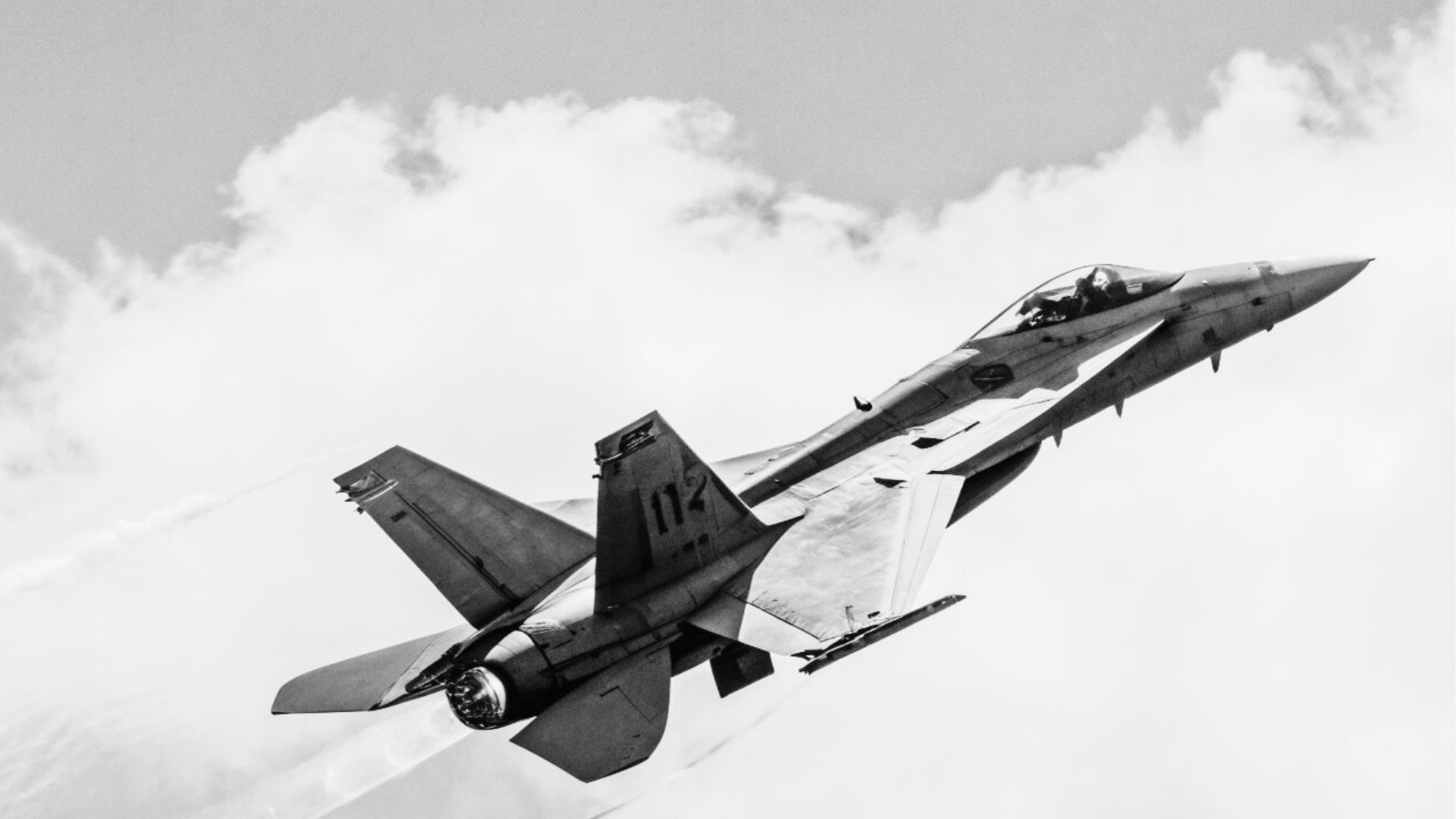
The twin-engine, medium-weight stealth fighter is designed with a low-observable airframe, internal weapons bays, and integrated sensor fusion, enabling missions ranging from air superiority and close combat to deep precision strike.
The aircraft is projected to achieve supercruise speeds of up to Mach 2 (approximately 2,470 km/h or 1,534 mph) while carrying a payload of around 1,500 kg (3,307 lb).