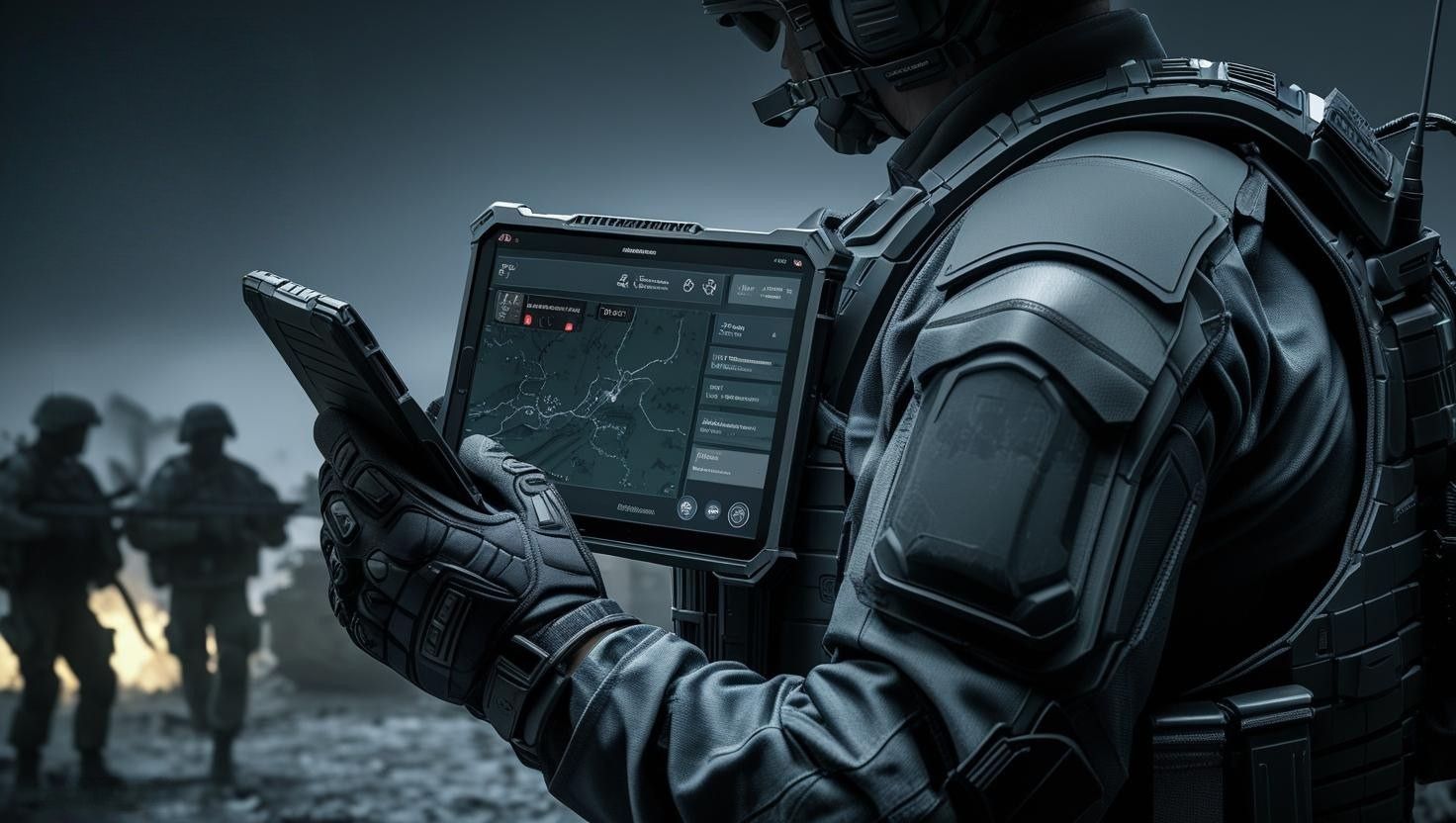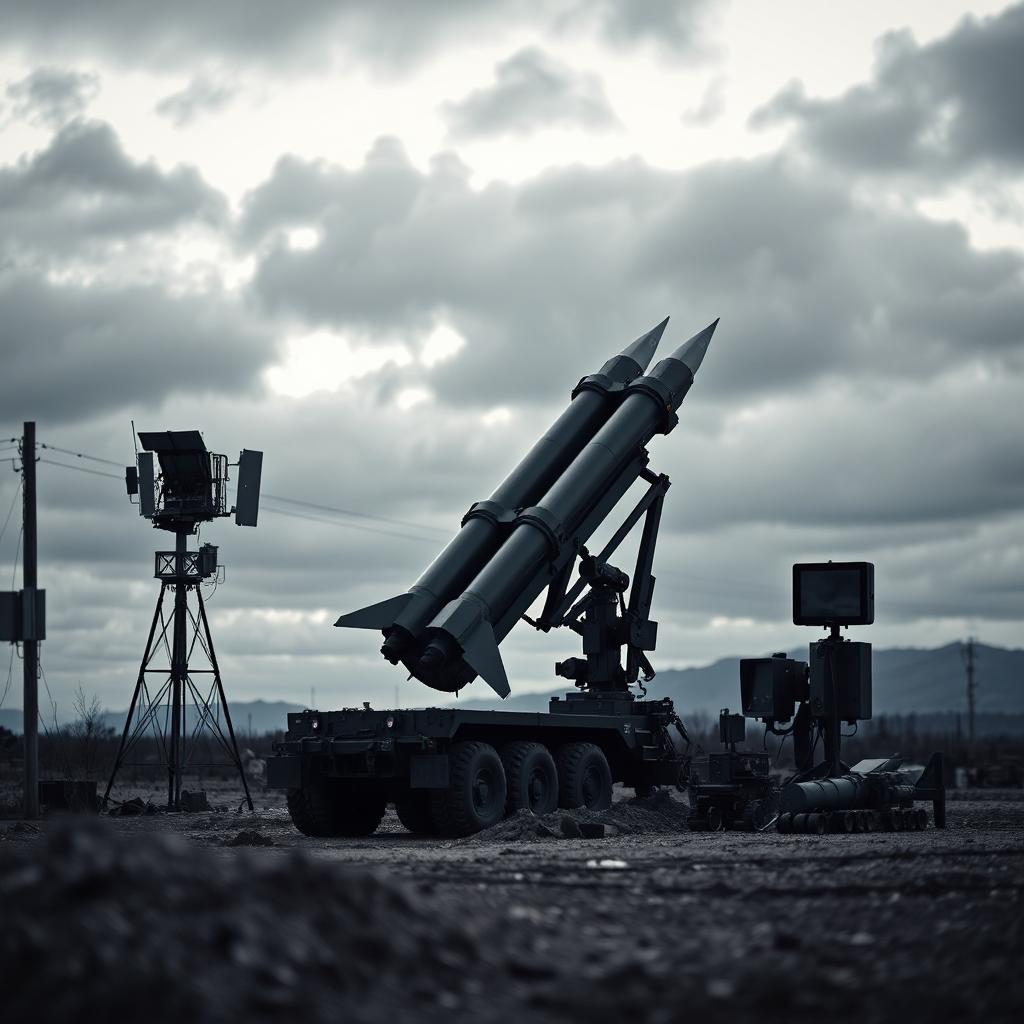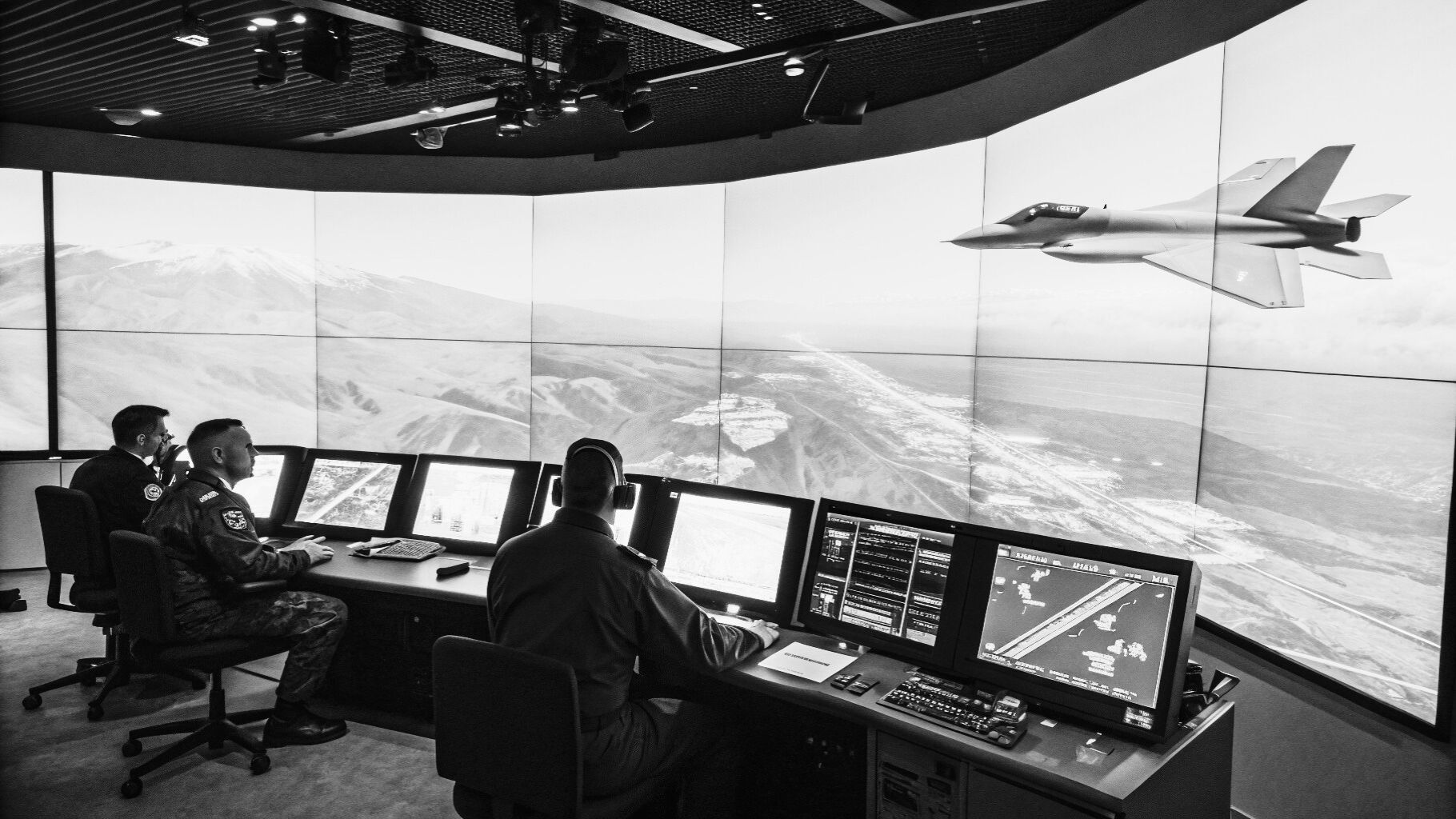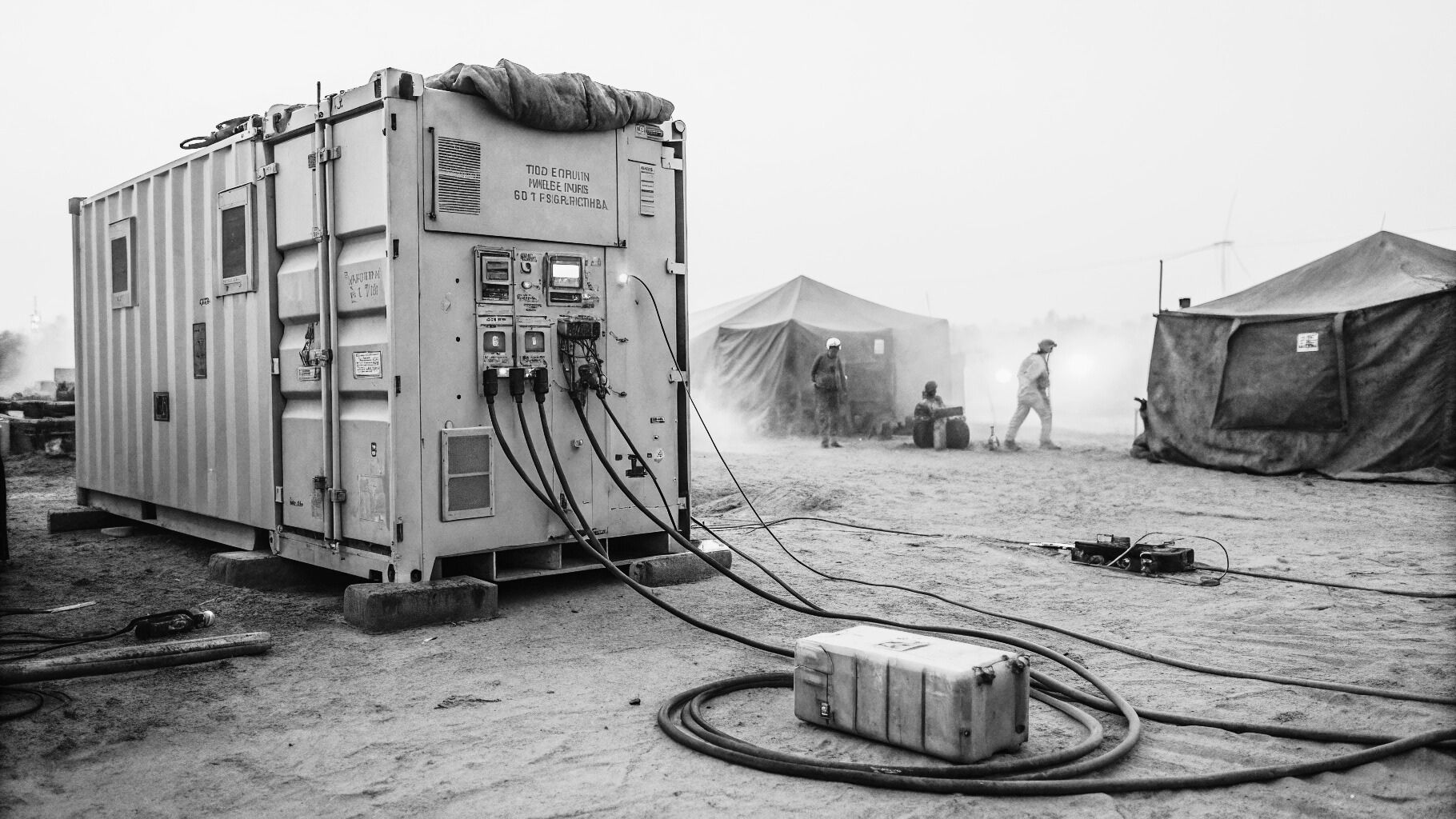

In the modern battlespace, an action in one domain—air, land, sea, space, or cyberspace—can generate immediate effects in another. Combined Joint All-Domain Command and Control (CJADC2) was conceived to operate in this environment, integrating data, commanders, and weapons systems across services and coalition partners. Its core purpose is not to add more sensors or firepower, but to connect information and enable decisions faster than any adversary.
This guide explains how CJADC2 links data, decision-making, and operational effects across every warfighting domain.
What CJADC2 Is
CJADC2 is the US Department of Defense’s evolving framework to accelerate and improve decision-making by connecting sensors, leaders, and shooters across military branches and allied forces. In practical terms, it seeks to:
Gather data from sensors operating in all domains.
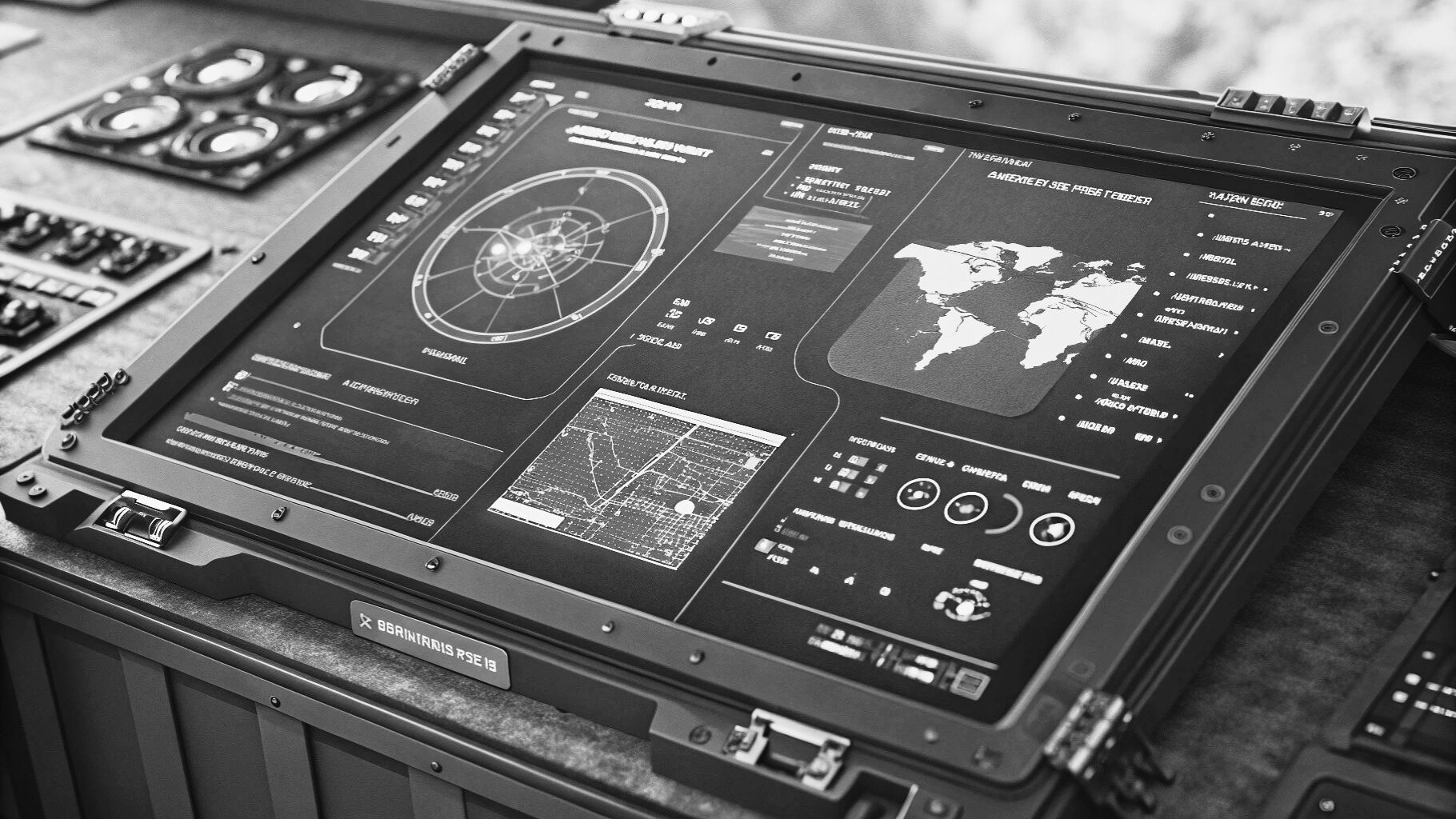
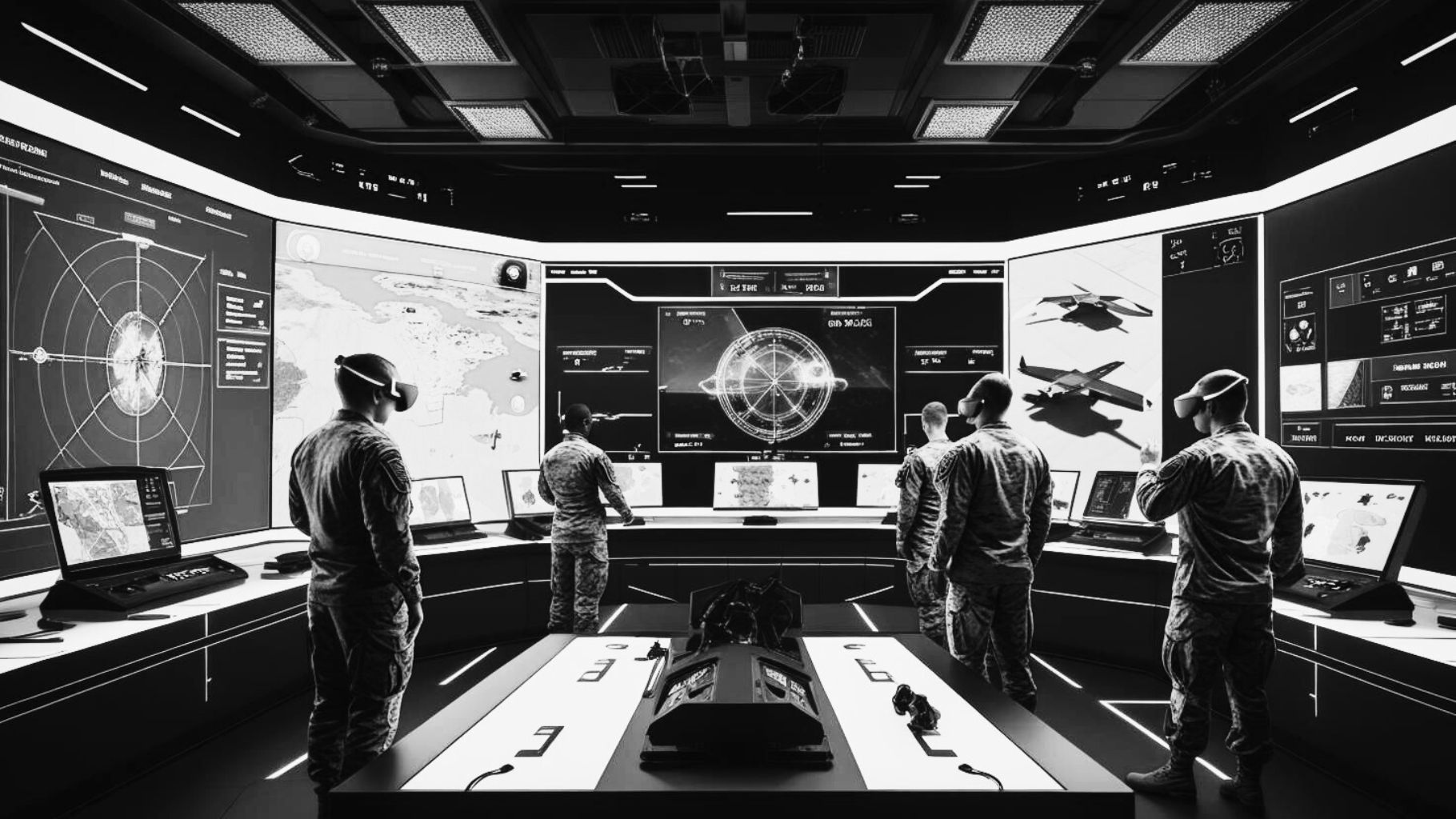
Fuse and process that data into a unified operational picture.
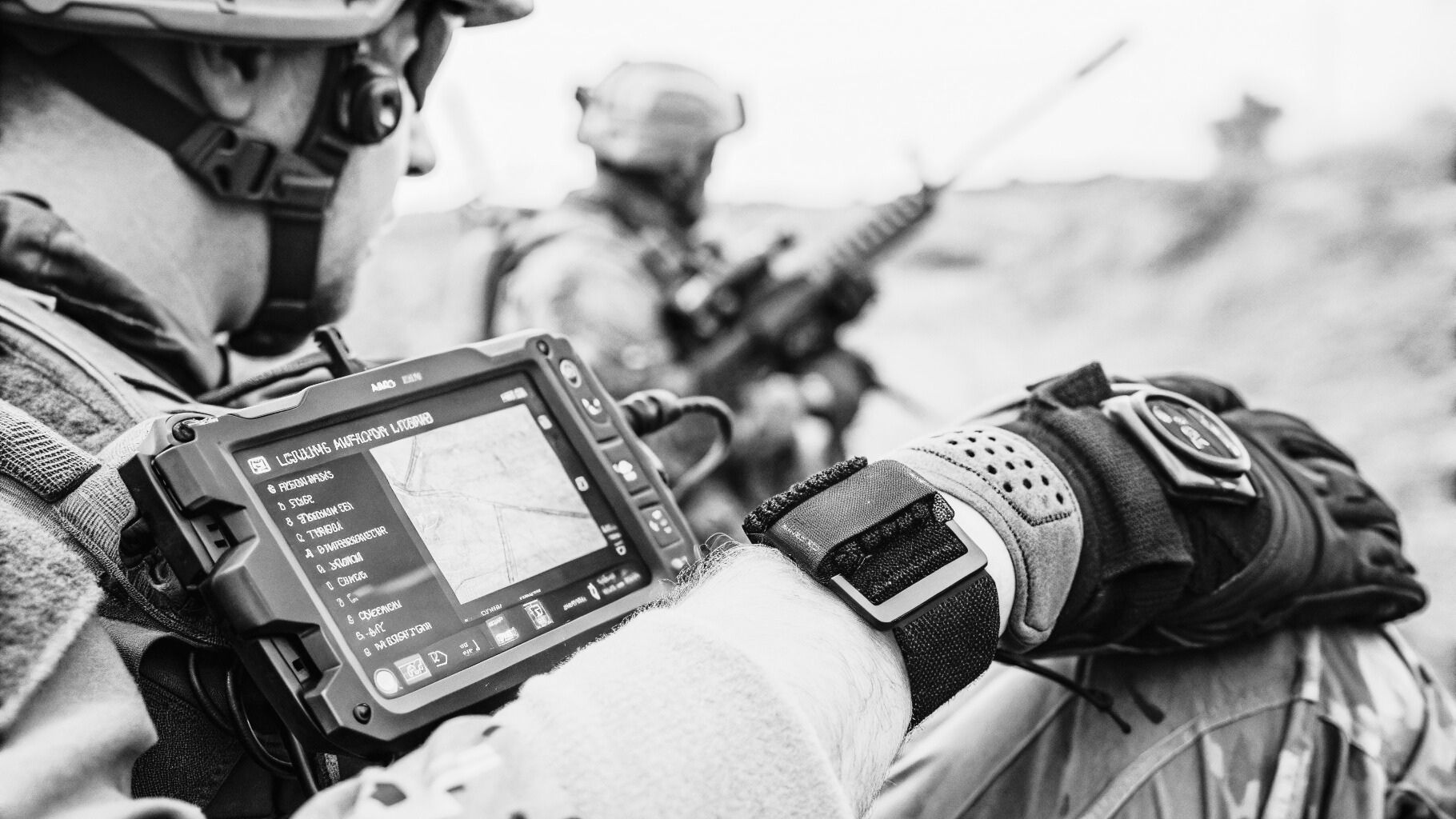
Deliver actionable intelligence to appropriate decision-makers and weapons systems.
Enable synchronized, rapid action across services and partner nations.
CJADC2 is not a single platform or software program. It is a federated architecture and operational approach that connects existing and future systems through shared standards, secure communications, and interoperable networks.
Building on JADC2
The earlier Joint All-Domain Command and Control (JADC2) strategy, introduced in March 2022, was structured around five key lines of effort: data enterprise, human enterprise, technology enterprise, integration with nuclear command and control and communications, and modernization of mission partner information sharing.
While JADC2 focuses on connecting US military forces across domains, CJADC2 expands that architecture to include allied and partner nations, fostering a more integrated multinational defense posture.
Artificial intelligence and machine learning increasingly support this framework by filtering vast data flows, prioritizing targets, and suggesting courses of action—while commanders retain final authority.
Why CJADC2 Was Developed
Historically, each military service built command-and-control systems optimized for its own domain. These systems often struggled to exchange information efficiently, creating silos that slowed decisions.
CJADC2 addresses the reality that future conflicts will be fast-paced, contested, and data-driven. Its central objective is to connect sensors, decision-makers, and strike capabilities more quickly than adversaries can disrupt or outmaneuver them. Its strength lies not in any individual weapon, but in how effectively systems are integrated and coordinated.
How It Functions Operationally
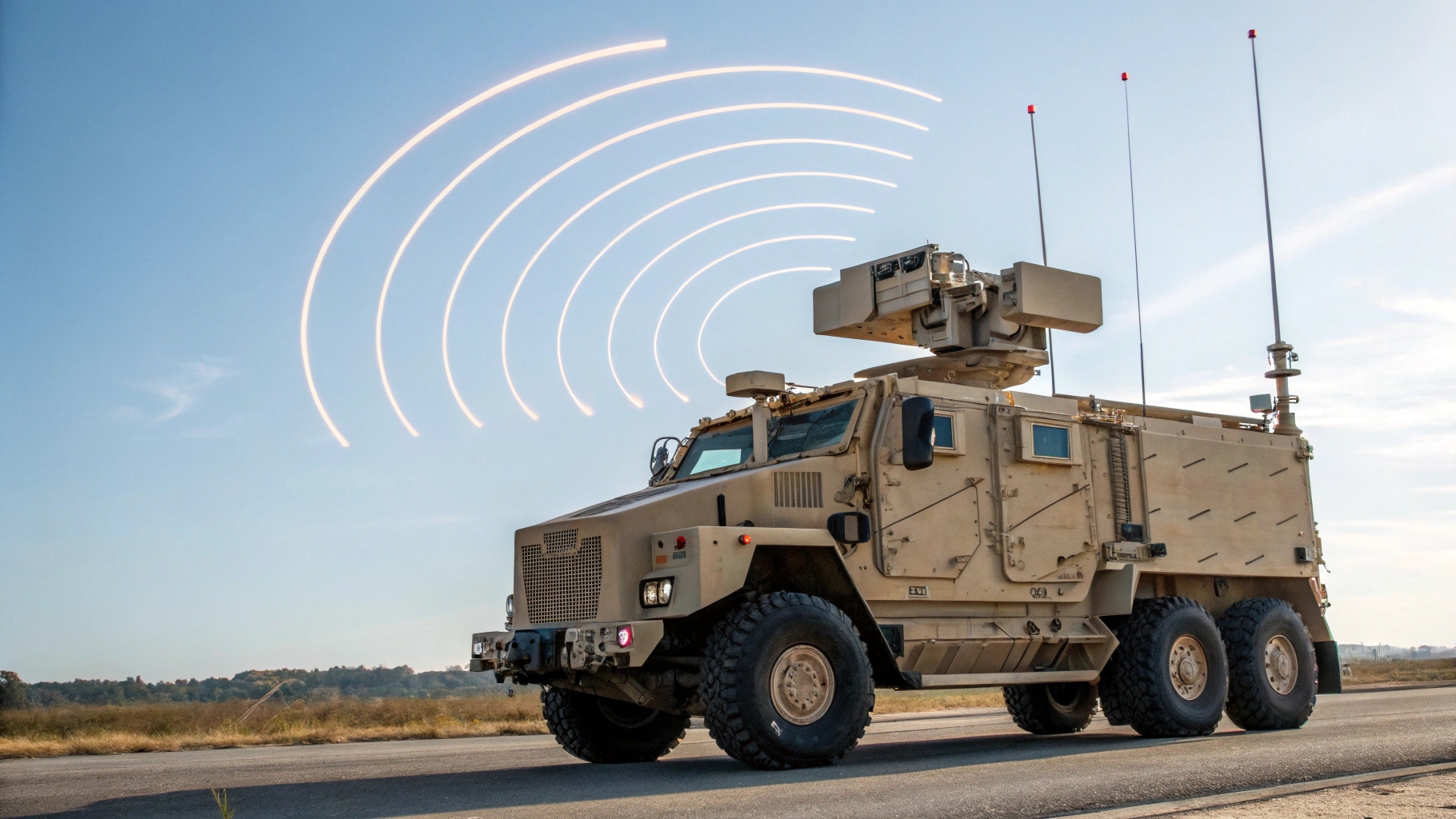
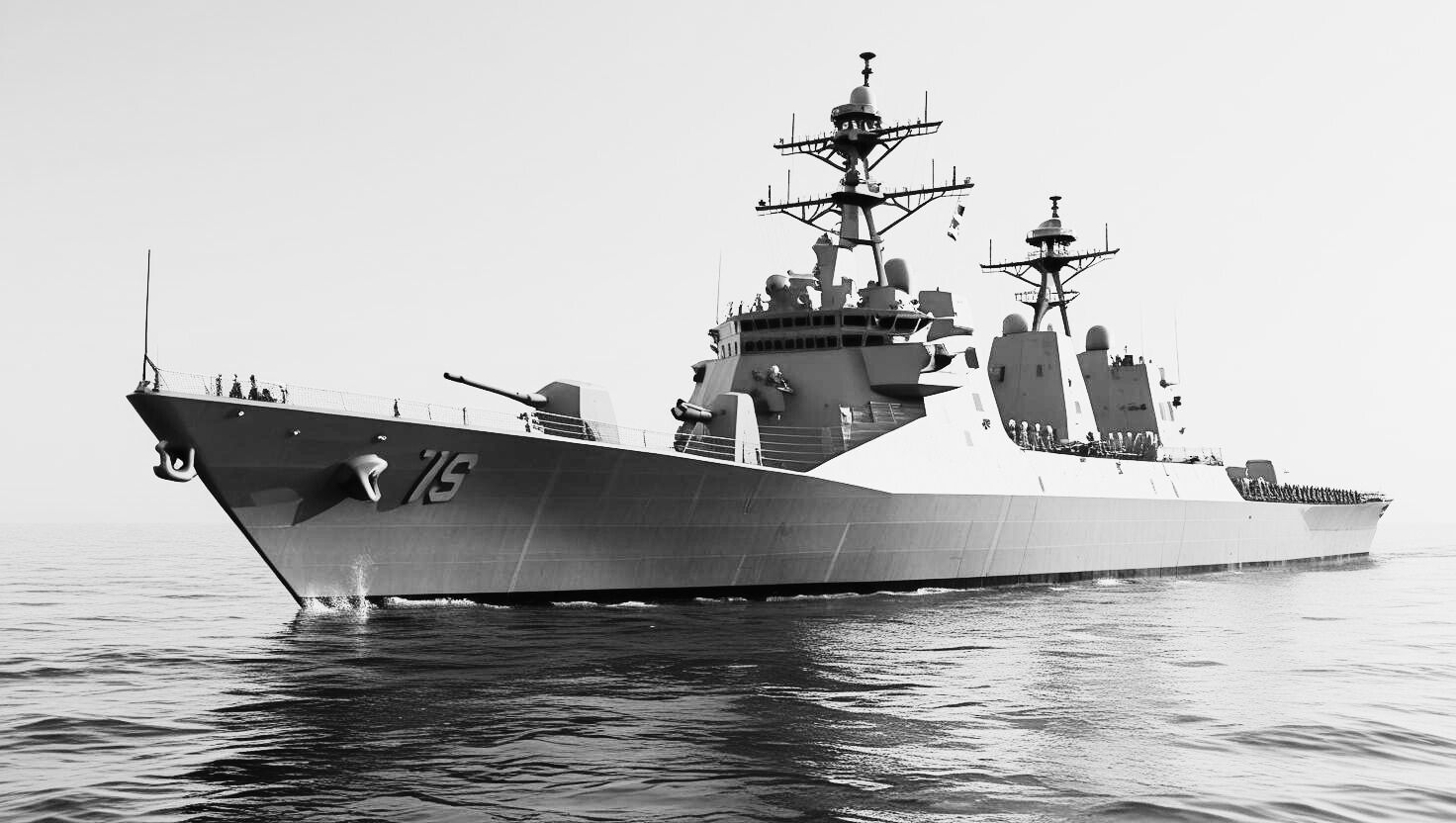
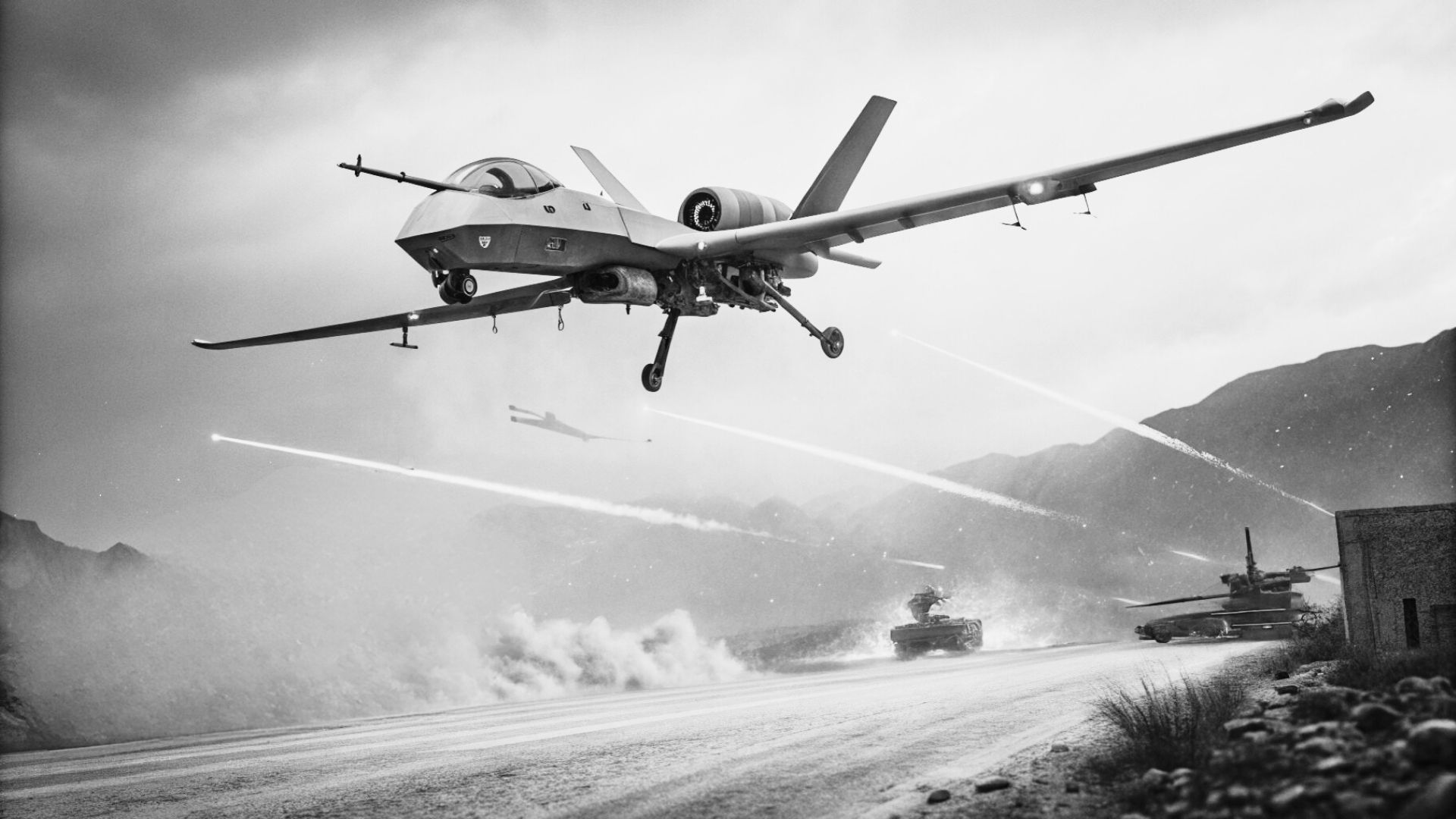
In a CJADC2-enabled scenario, a sensor detecting a threat in one domain—such as a satellite identifying a missile launch, a naval radar tracking hostile aircraft, or a ground radar spotting incoming rockets—can instantly share that data across the force.
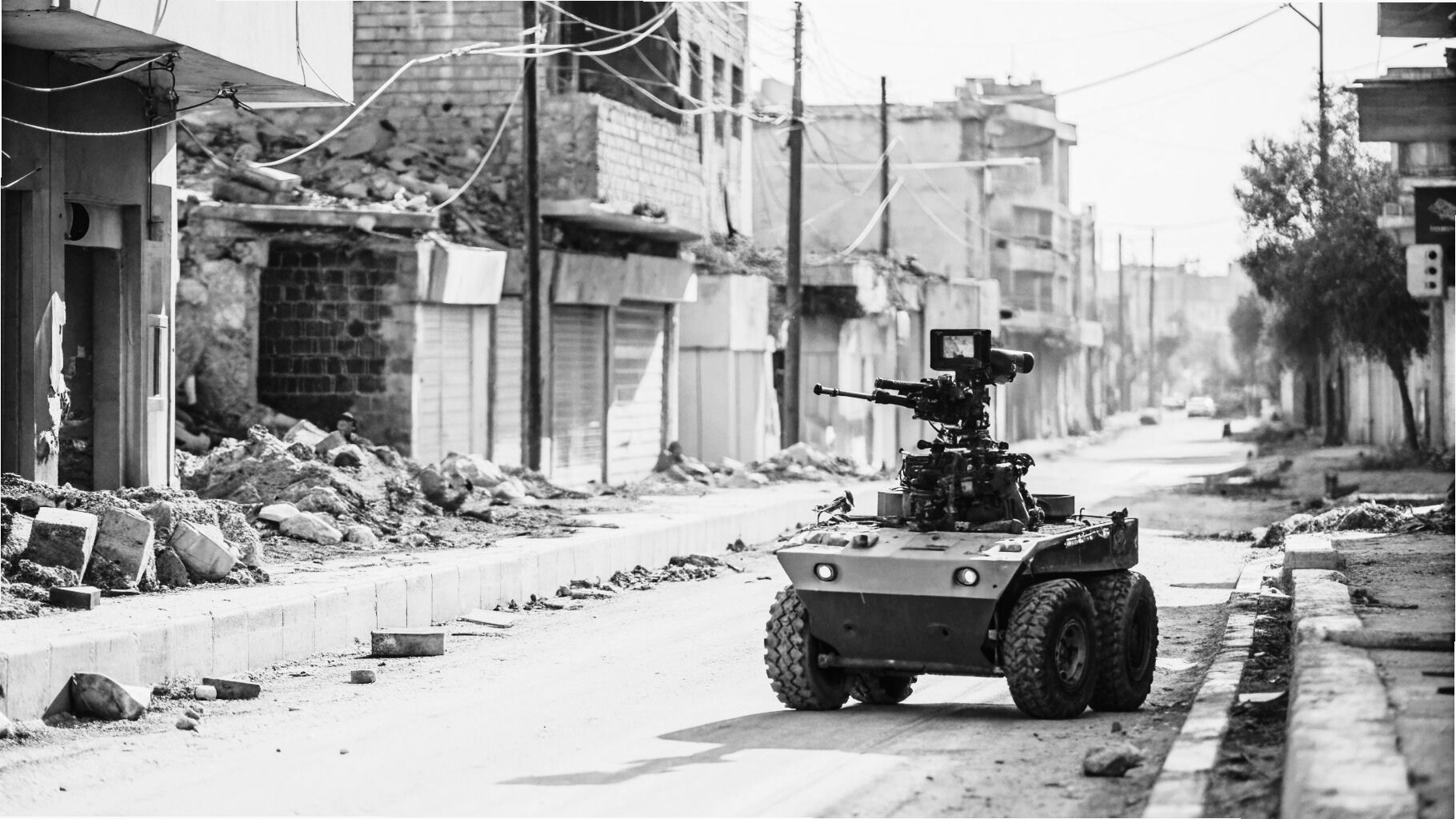
A different platform, potentially in another service or domain, can then engage the threat—even if it did not detect it directly. By separating sensors from shooters, CJADC2 allows the most appropriate system to respond, improving flexibility and resilience.
This networked approach ensures that even if certain assets—such as aircraft, ground radars, or satellites—are degraded or destroyed, the broader force can continue operating effectively.
Challenges Ahead
CJADC2 faces notable hurdles. Interoperability remains complex, particularly when integrating legacy systems and multinational partners with varying standards and security protocols.
Cybersecurity is another major concern, as increased connectivity expands potential attack surfaces. The framework also depends on reliable communications networks, including space-based systems that could be targeted during conflict. Ensuring operations continue in degraded or denied environments remains a priority.
Additionally, aligning doctrine, training, and organizational culture across services and nations presents institutional challenges.
Strategic Significance
CJADC2 signals a shift from platform-centric warfare to network-driven operational dominance. In future conflicts, success may hinge less on the number of weapons and more on the speed and cohesion of decision-making.
By enabling seamless coordination across domains and allies, CJADC2 aims to keep modern forces adaptable, resilient, and effective in increasingly complex operational environments.