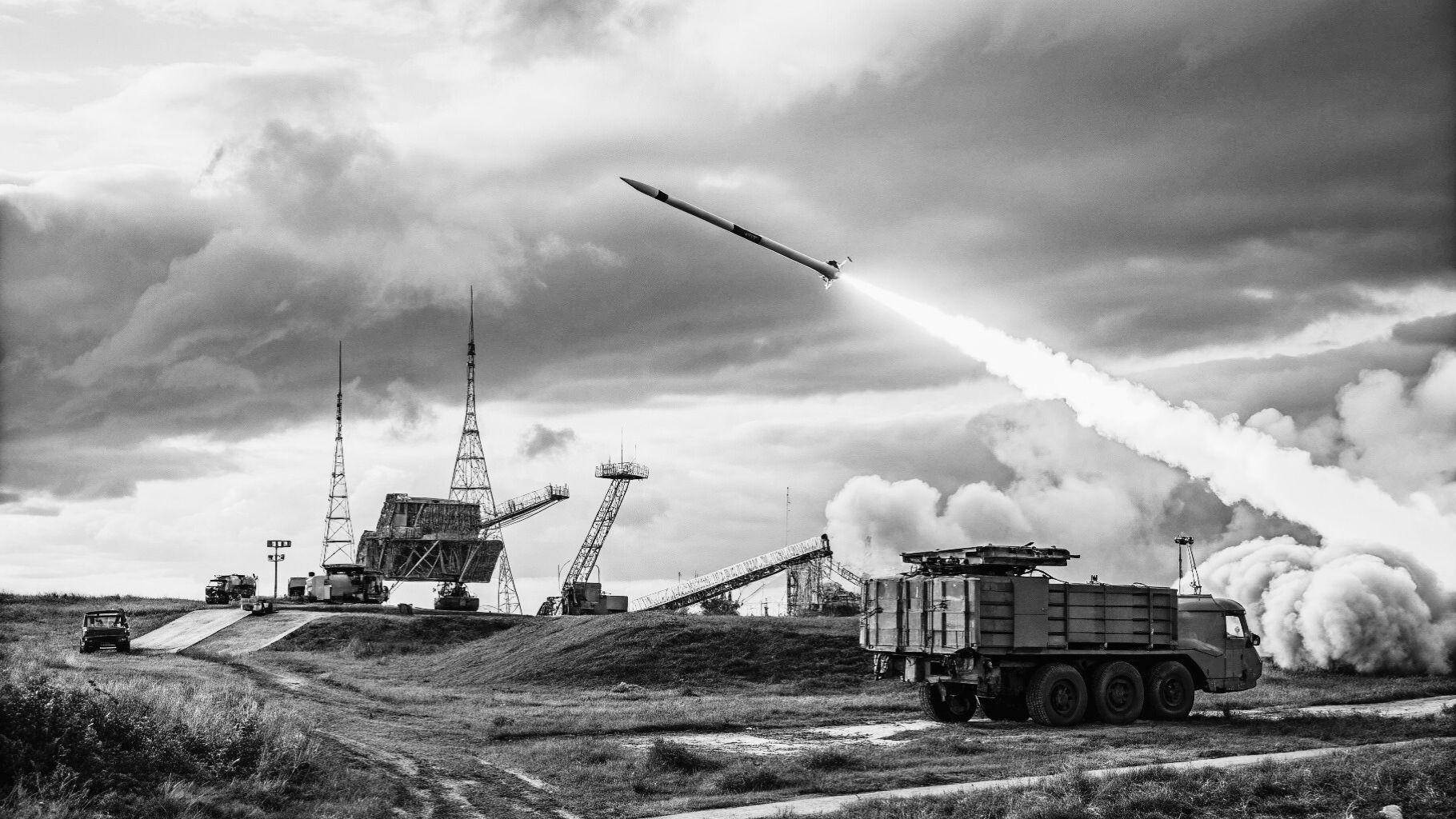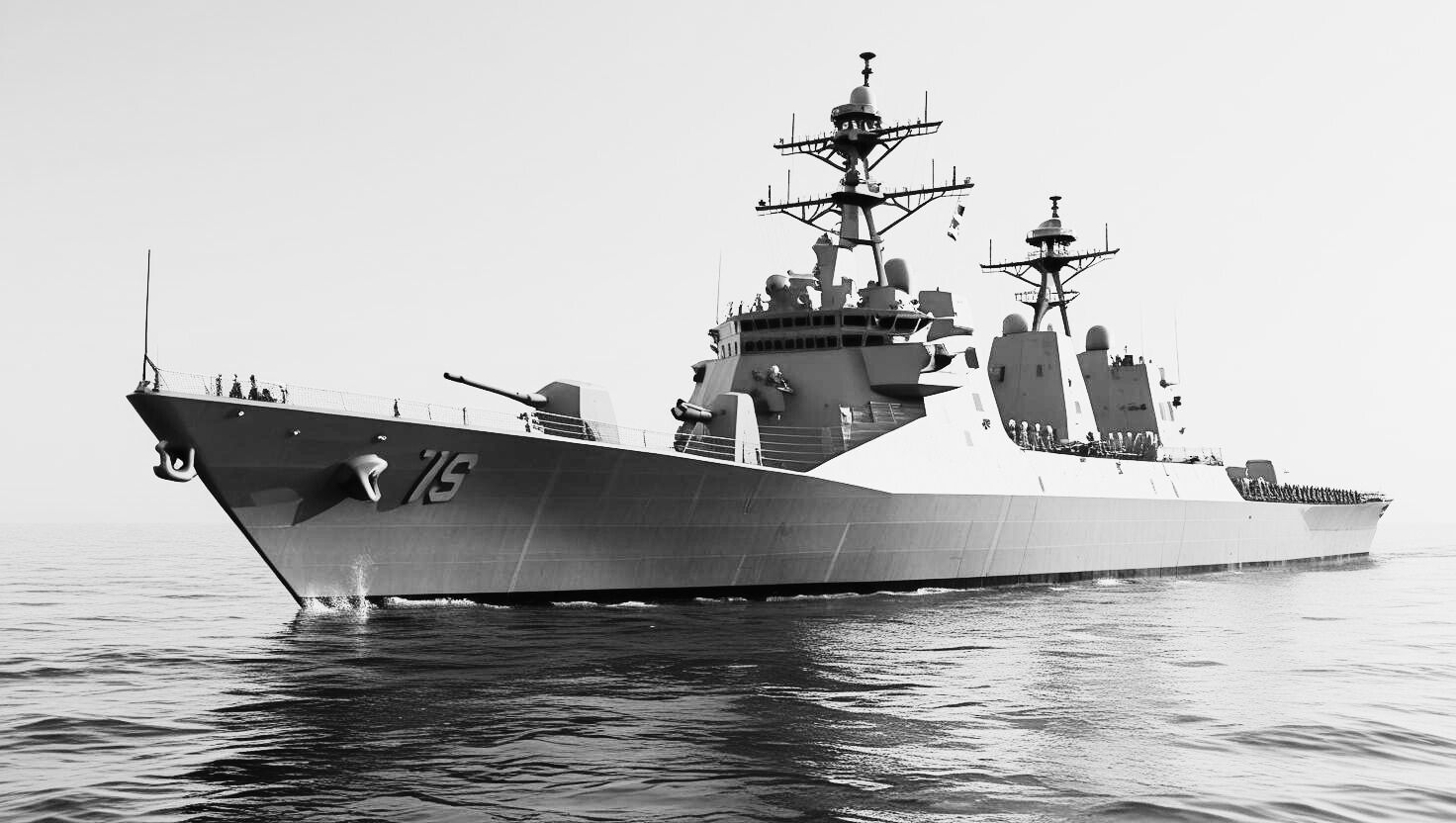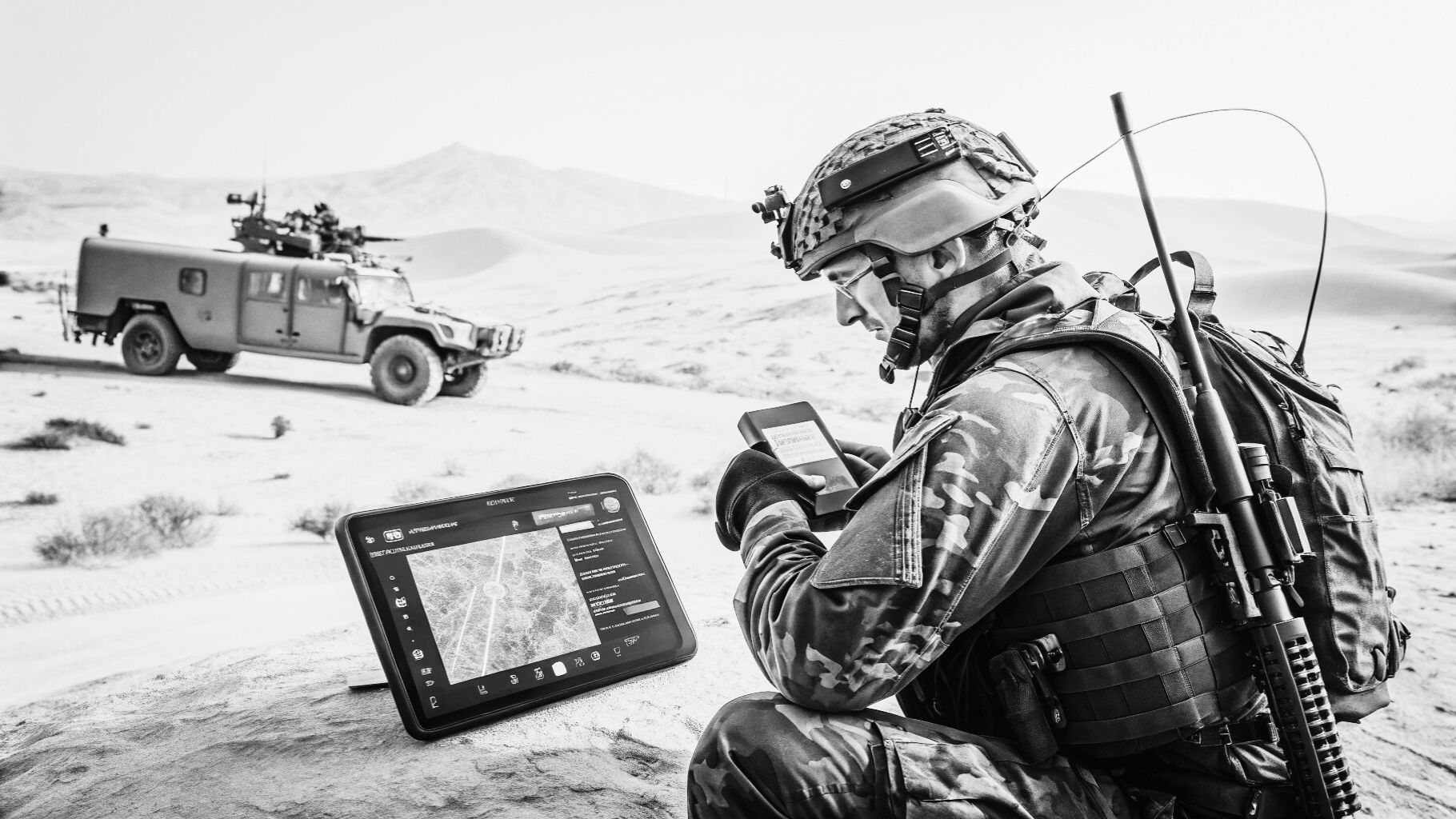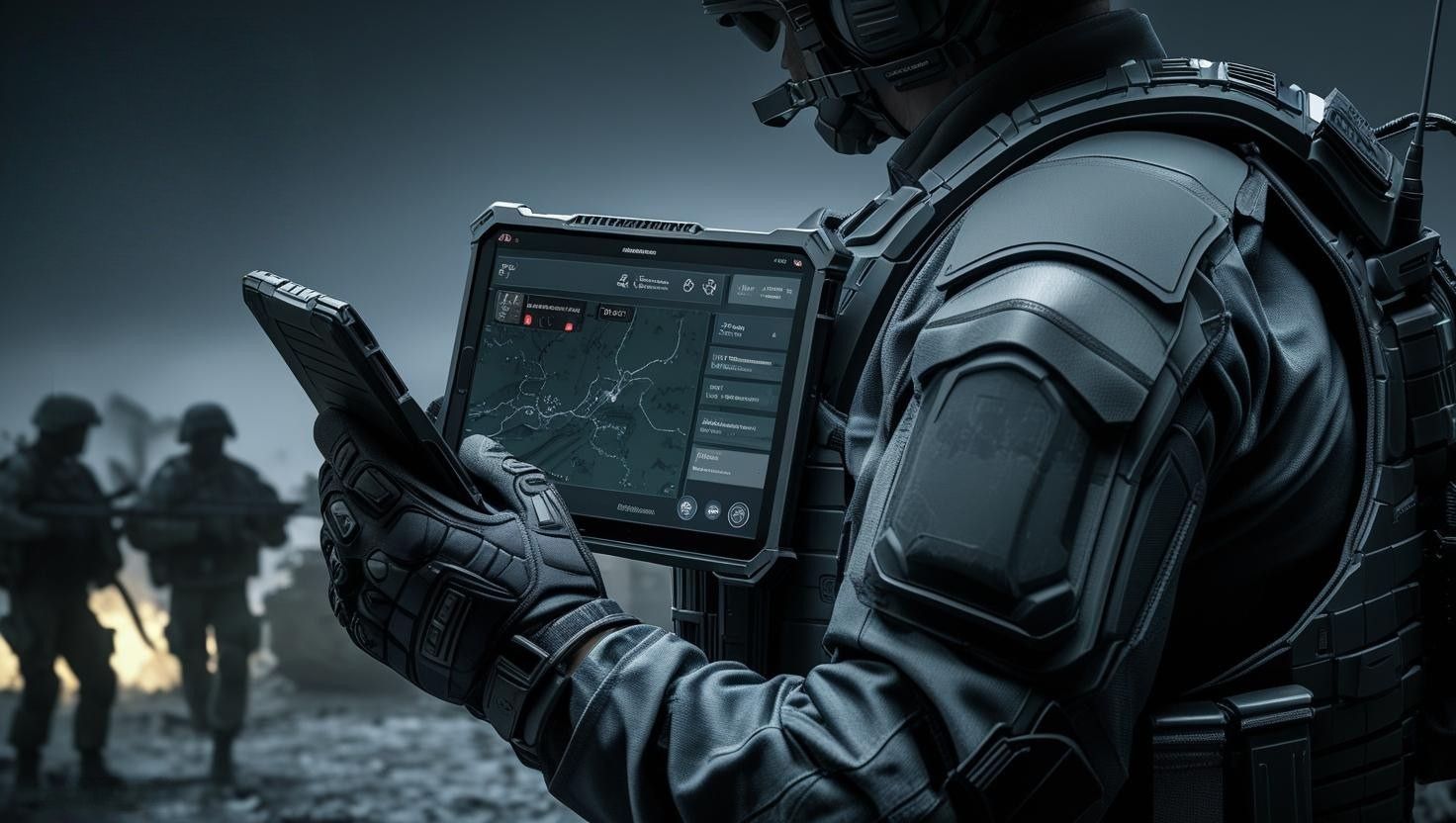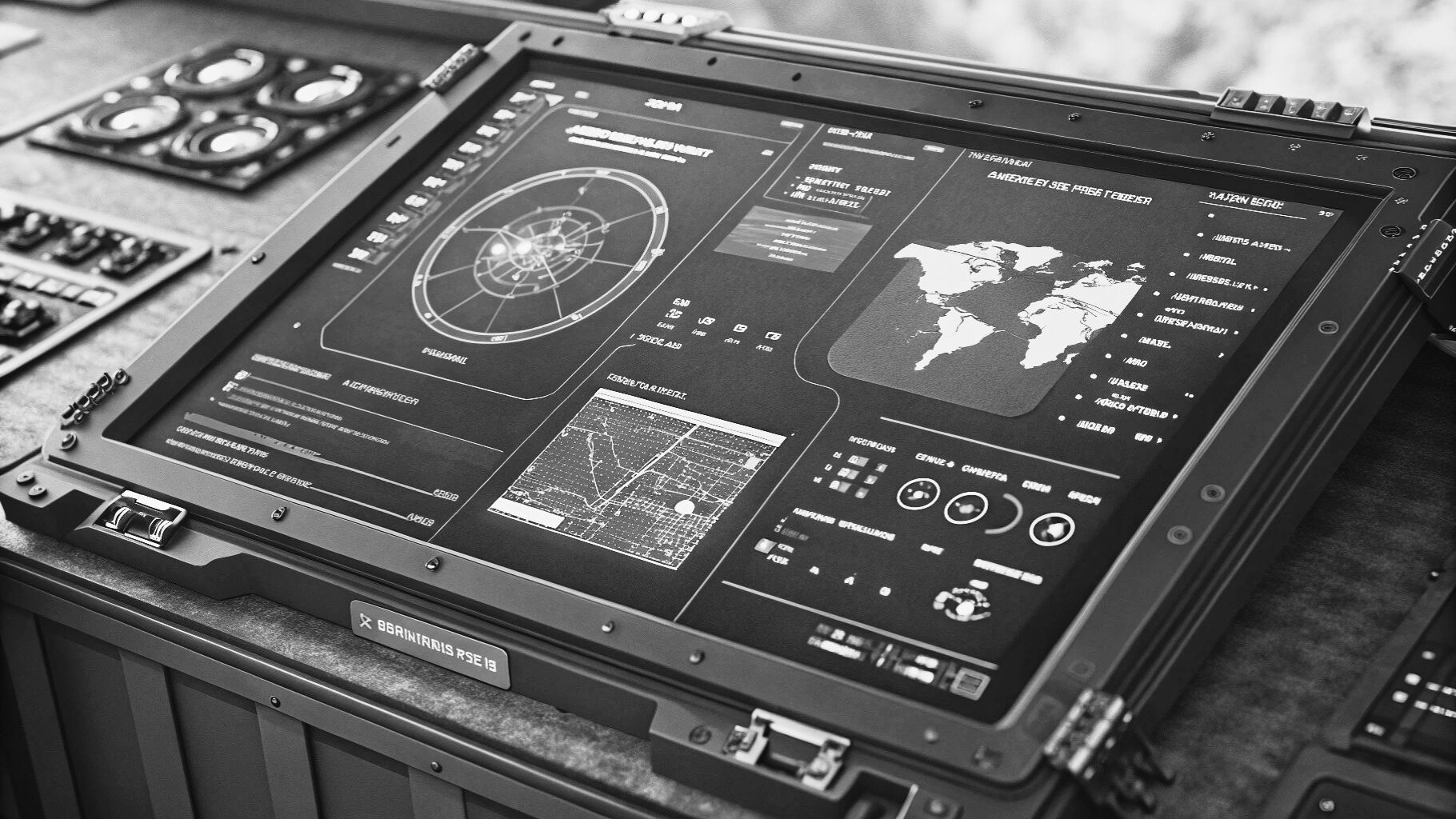

The Akeron missile family emerged from a decade of evolving warfare in which armored vehicles, concealed combatants, and fluid urban threats demanded a more intelligent and adaptable precision weapon. Built for high-intensity, complex battlefields, Akeron integrates digital connectivity, multi-role flexibility, and scalable range to redefine land combat operations.
Evolution of the Akeron Concept
Originally launched under MBDA’s MMP (Missile Moyenne Portée) and MHT (Missile Haut de Trame) initiatives, the program evolved into a unified fifth-generation missile architecture. In 2022, MBDA consolidated both efforts under the Akeron name, unveiling two principal variants: Akeron MP (medium range) and Akeron LP (long range).
Unlike earlier anti-tank guided missiles focused purely on armor destruction, Akeron was designed as a digitally connected weapon capable of detection, adaptation, and integration within a broader command-and-control network. Its architecture enables in-flight retargeting, dynamic engagement control, and seamless integration into modern battlefield systems.
Akeron MP
The Akeron MP is a fifth-generation, multi-role anti-tank guided missile intended for infantry units and light vehicles. It can precisely engage main battle tanks, fortified positions, light armored platforms, and exposed personnel in both open terrain and urban environments.
The system supports fire-and-forget as well as man-in-the-loop control, offering lock-on-before-launch and lock-on-after-launch modes. A fiber-optic data link provides real-time guidance, allowing operators to retarget mid-flight or abort missions when necessary. Its dual-band seeker — combining uncooled infrared and TV guidance — ensures effectiveness across diverse weather and battlefield conditions.
Weighing around 15 kilograms, the missile can be deployed from portable launch posts, vehicle-mounted turrets, naval installations, or dismounted units. Its tandem multipurpose HEAT warhead can be tailored for armor, structures, or personnel. Operational range extends from 150 meters to beyond 4 kilometers, with testing reaching approximately 5 kilometers.
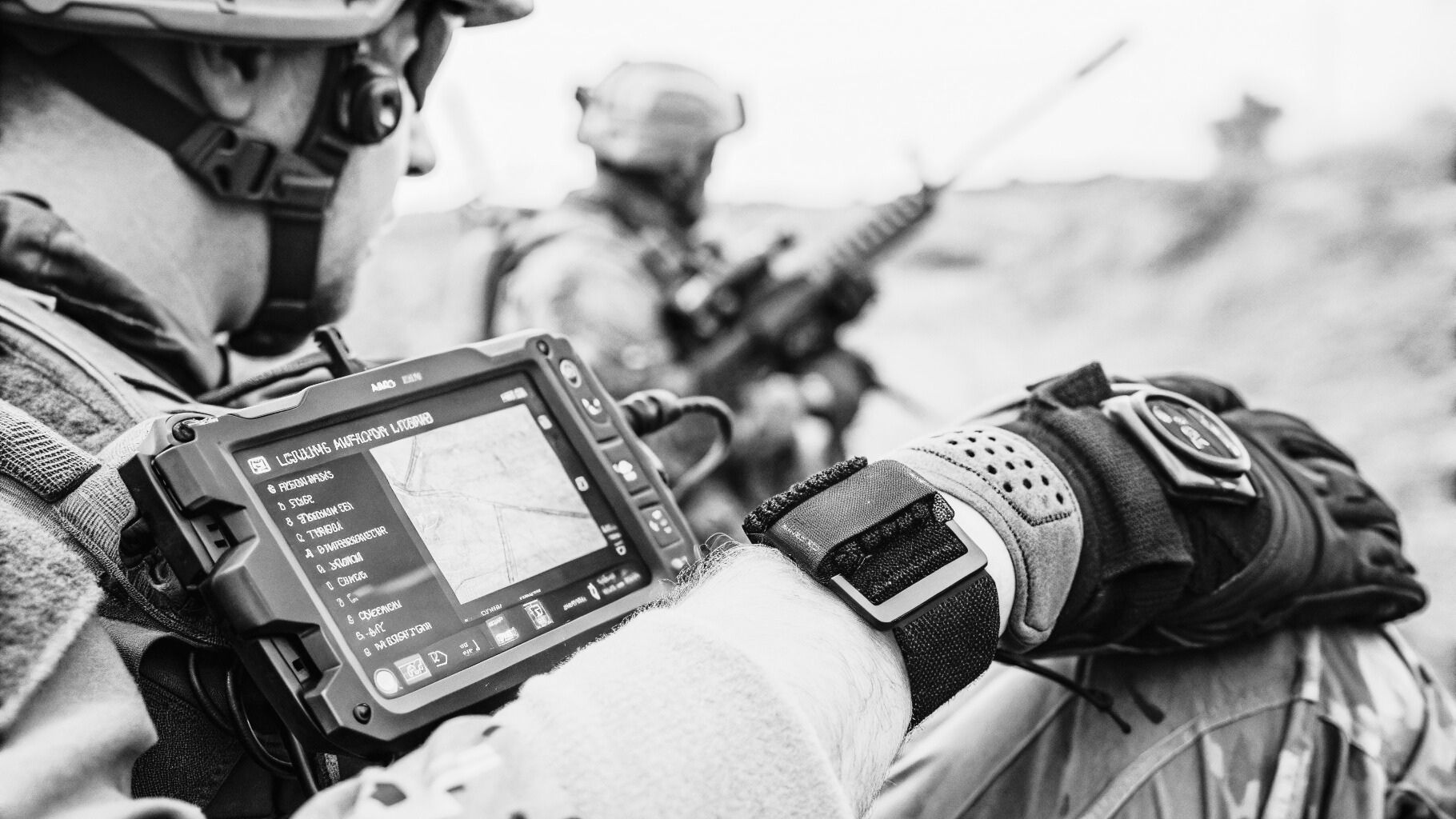
The digital firing unit integrates day and infrared optics, a laser rangefinder, GPS, and a digital compass, effectively functioning as a compact ISTAR platform. The system has demonstrated reliability in extreme environments, from desert climates to sub-arctic conditions.
Akeron LP
The Akeron LP extends the family’s capabilities into beyond-line-of-sight (BLOS) strike operations while retaining network-enabled targeting and man-in-the-loop functionality. Designed for joint-force missions, it supports high-intensity combat and expeditionary deployments across land and air domains.
With an engagement envelope exceeding 8 kilometers and stretching up to 20 kilometers, the LP variant is optimized for top-attack strikes against main battle tanks and high-value BLOS targets. Weighing under 40 kilograms, it can be configured in twin or quad launchers using MIL-1760 interfaces. A bidirectional RF data link and selectable multipurpose warhead enhance flexibility.
Planned integrations include the Tiger Mk3, light helicopters, medium-altitude long-endurance UAVs, and ground vehicles.
Advancing the Anti-Tank Paradigm
Akeron redefines the traditional anti-armor missile by embracing genuine multi-role functionality. It was designed not only for tanks but also for fortified positions, light vehicles, and concealed personnel. The selectable tandem warhead allows mission-specific effects from a single missile family.
Its dual-mode seeker combined with a fiber-optic link enables operators to supervise and adjust engagements mid-flight, reducing collateral risks and enhancing tactical precision in dense or complex environments.
Equally important is its digital backbone, enabling connectivity with external sensors and command networks — forming the foundation for future range extensions and upgrades.
Global Adoption
France is the primary operator, fielding Akeron MP across army and special forces units. Belgium has ordered 761 missiles for its Jaguar infantry fighting vehicles, with deliveries beginning around 2026. Luxembourg and Sweden have also adopted the system. Egypt’s naval special forces became its first non-European export customer, while Cyprus has integrated Akeron-equipped armored vehicles into its anti-tank formations.
In June 2025, NATO concluded a framework agreement with MBDA for Akeron MP, streamlining multinational procurement and interoperability across allied forces.
Future Outlook
With modular architecture and dual-mode guidance, Akeron remains aligned with network-centric warfare concepts and drone-enabled targeting. Expanded variants — including heavier configurations such as the Akeron MBT 120 — signal its transition into longer-range and heavier combat roles.
As modern battlefields grow increasingly digitized and multi-domain, Akeron stands not merely as a missile system, but as a connected precision-strike ecosystem built for future conflicts.