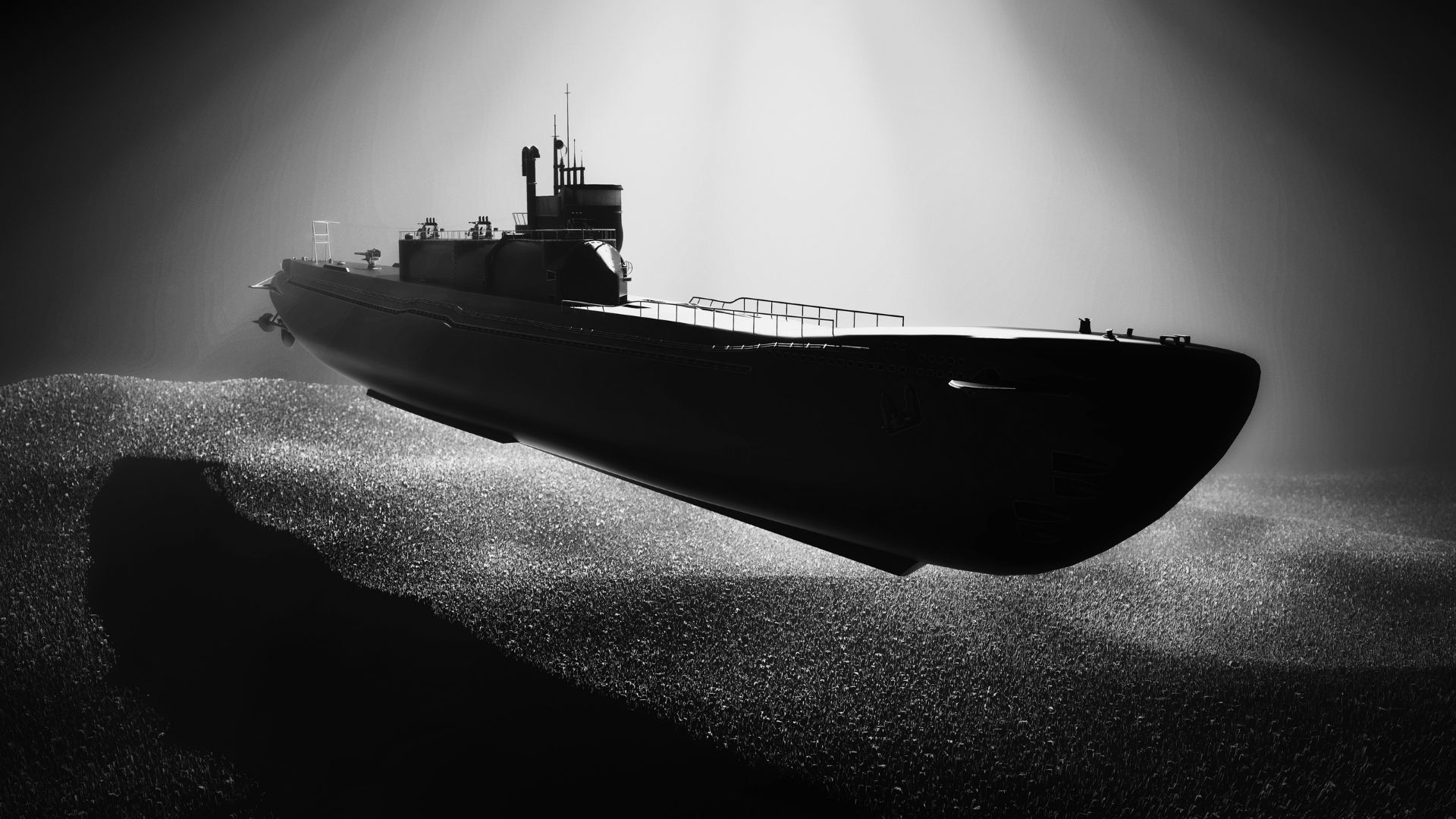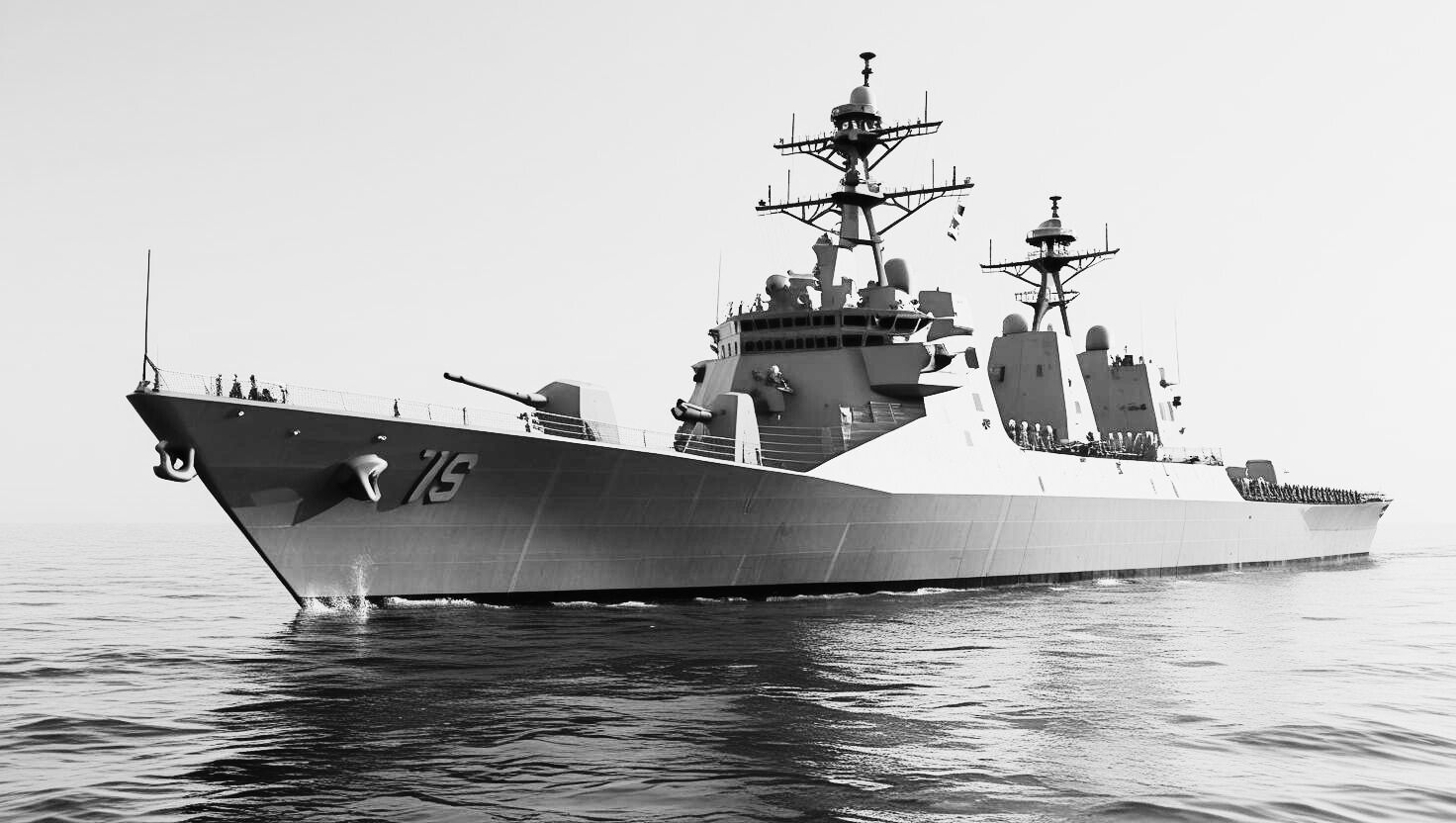
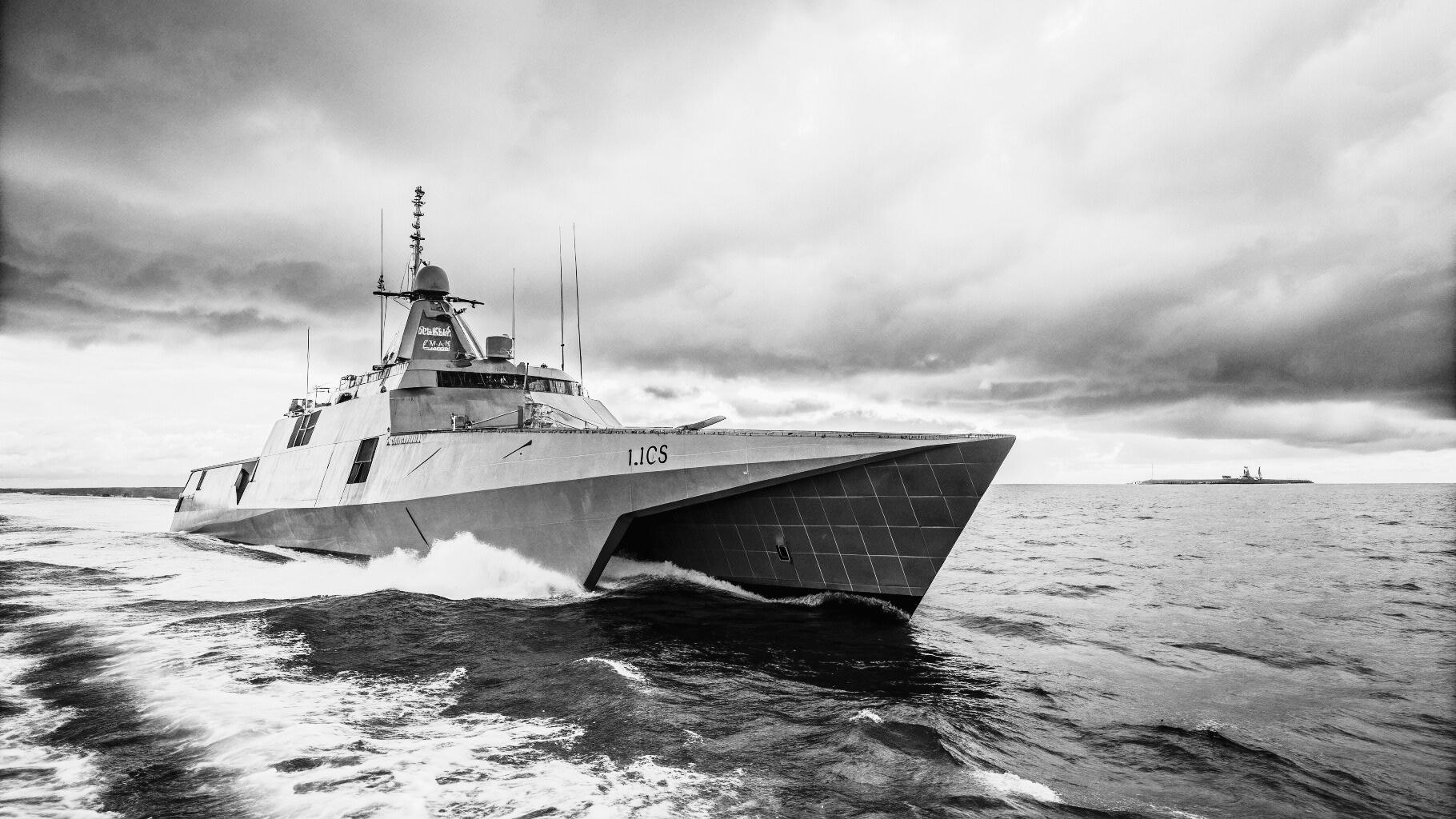
Germany and India are expected to advance discussions on a potential $8 billion defense program as Berlin and New Delhi examine cooperation on the construction of six German-designed conventional submarines for the Indian Navy.
The talks come as India’s conventional submarine fleet continues to age, with 16 boats currently in service, including 10 that are more than 30 years old.
While India is progressing with its nuclear submarine program—its fourth Arihant-class ballistic missile submarine is expected to enter service around 2027—the navy is also seeking to modernize its conventional undersea capabilities.
The proposed deal centers on Type 214 diesel-electric submarines equipped with air-independent propulsion, a technology India has long pursued to extend submerged endurance without the need to surface.
The project would be led by ThyssenKrupp Marine Systems in partnership with state-owned Mazgaon Dock Shipbuilders Limited, with construction planned to take place in India.
The two firms received approval last year for German engineering support, design expertise, and technical consultancy, while MDL would be responsible for building and delivering the vessels.
Indian officials indicated that the propulsion technology under consideration could enable the submarines to remain submerged for up to six days.
Despite growing momentum, sources noted that a final submarine contract is unlikely to be concluded during Merz’s visit.
Nevertheless, officials expect the discussions to highlight broader defense cooperation, particularly following Germany’s recent decision to remove around 110 of 130 defense items from its export control list—easing the path for closer industrial collaboration with India.
The German delegation’s visit includes high-level talks in Gandhinagar, visits to GIFT City and Bengaluru, and cultural engagements in Ahmedabad, including the International Kite Festival and Sabarmati Ashram.