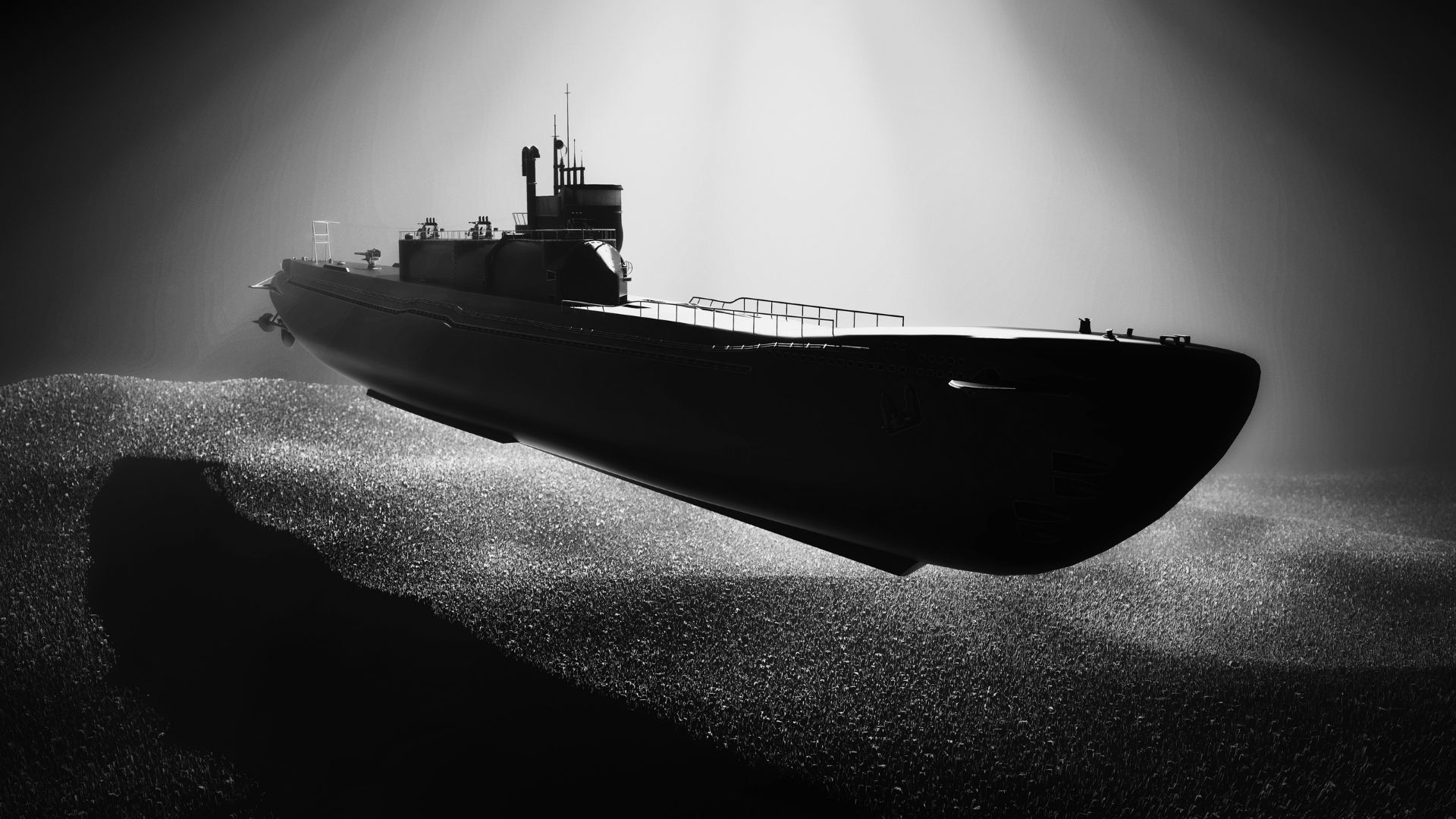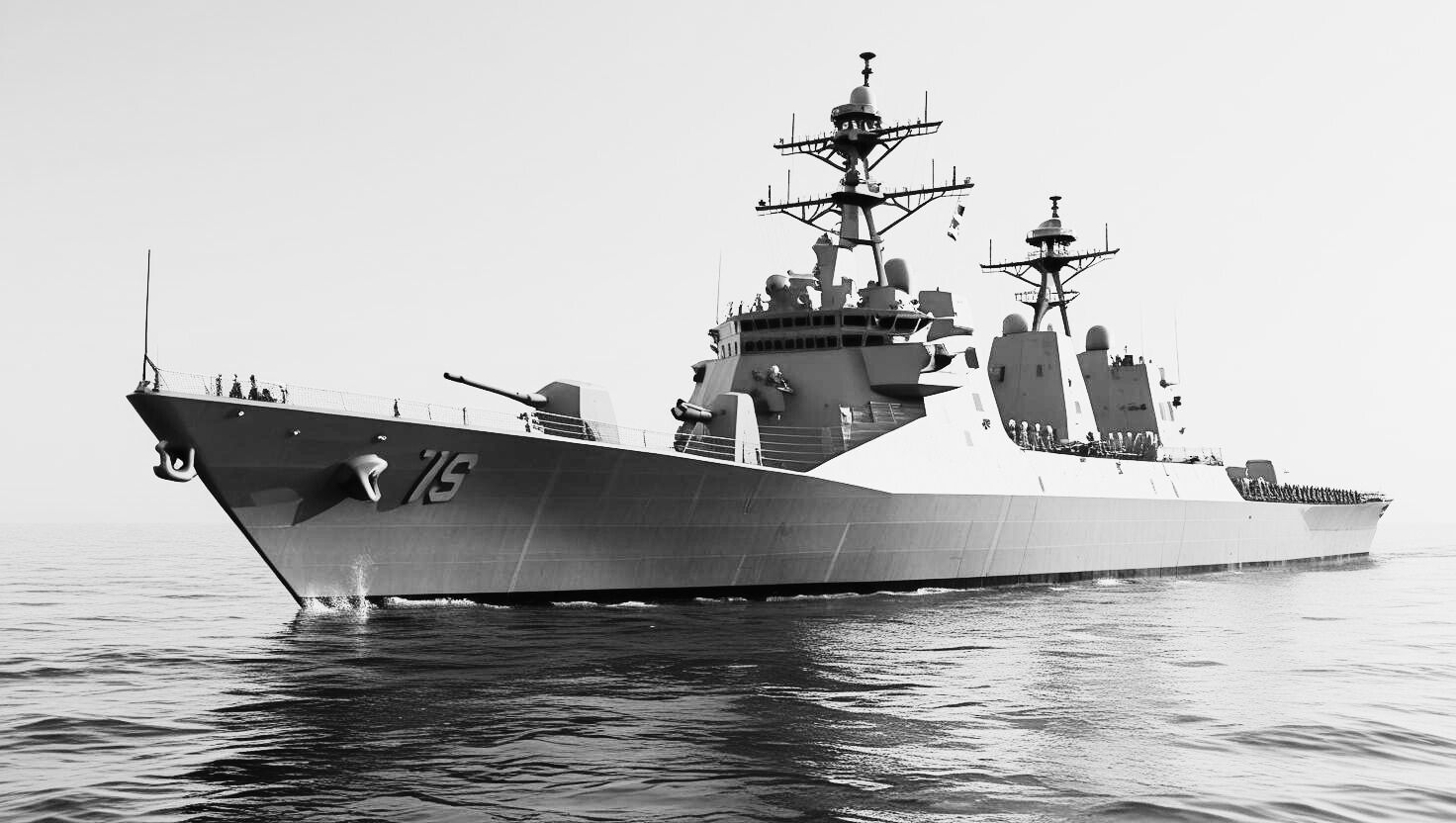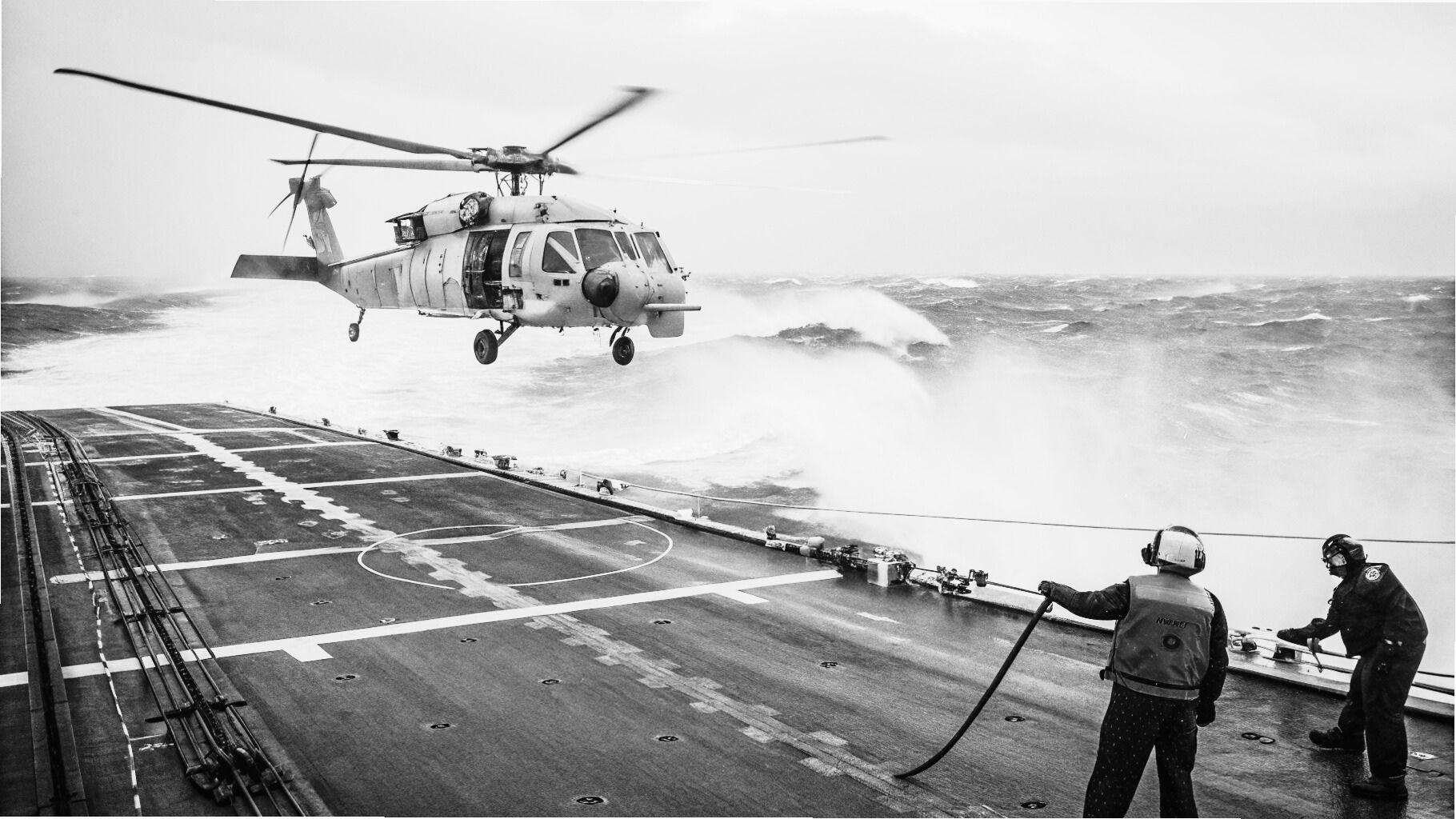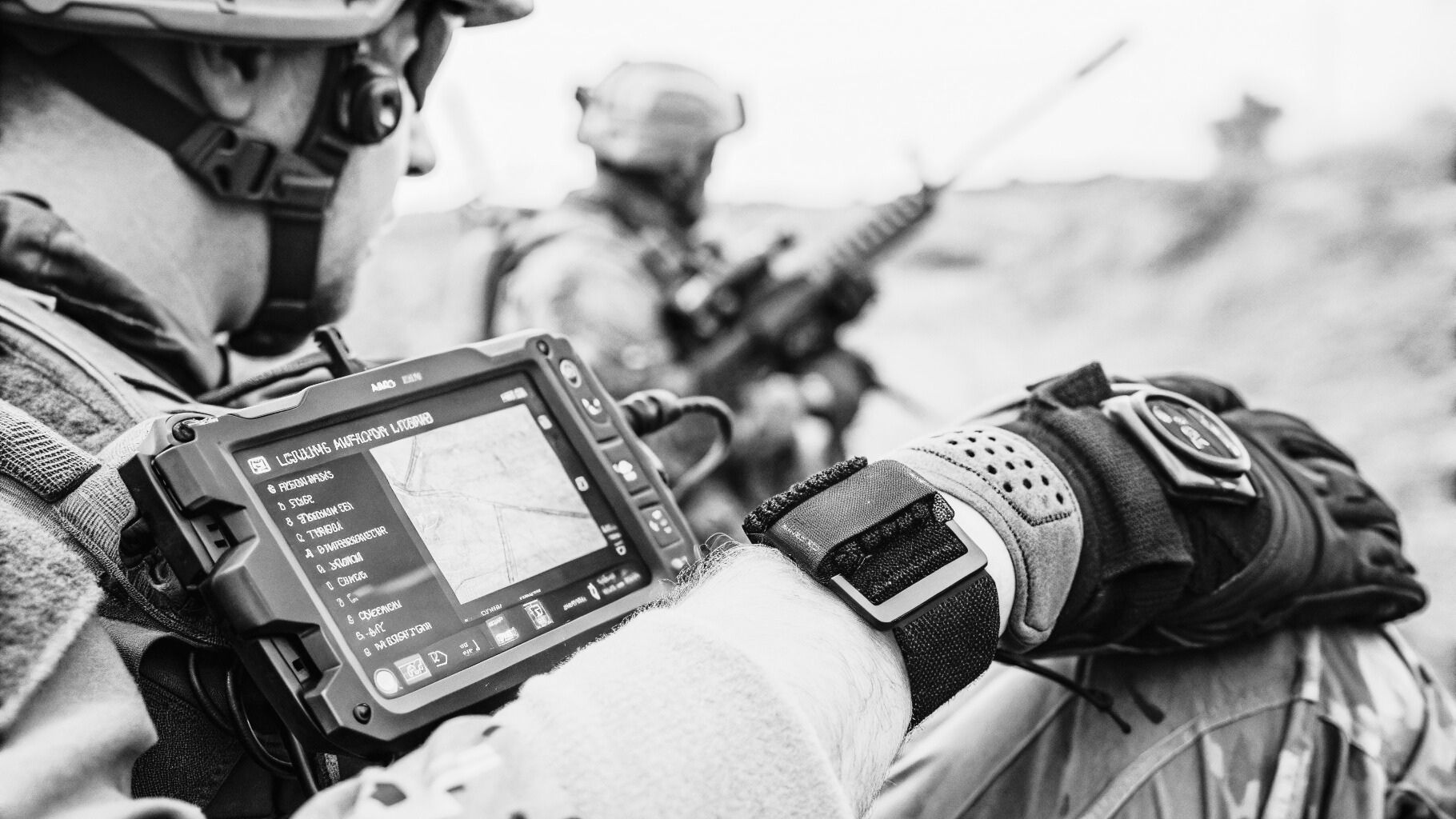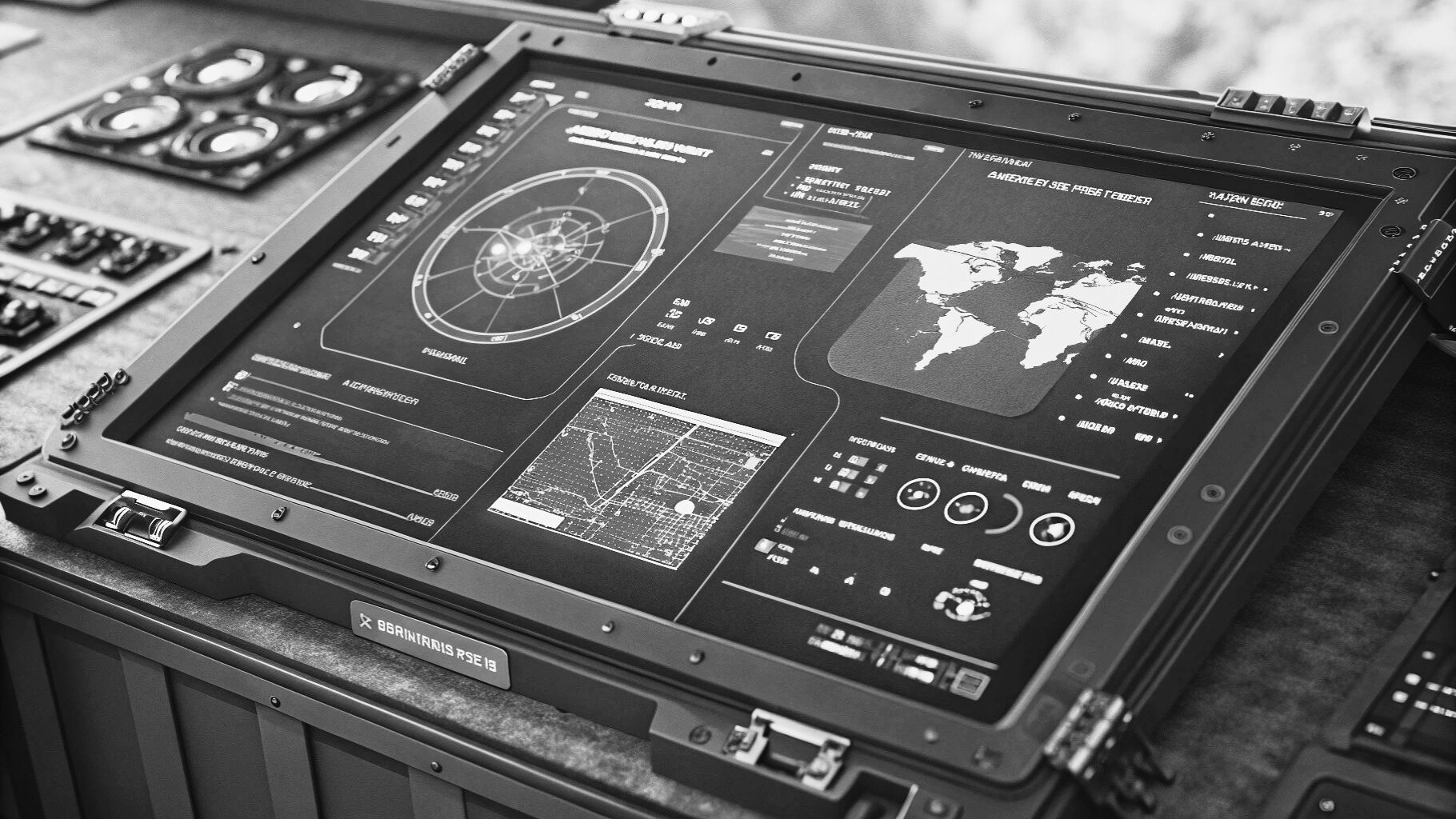
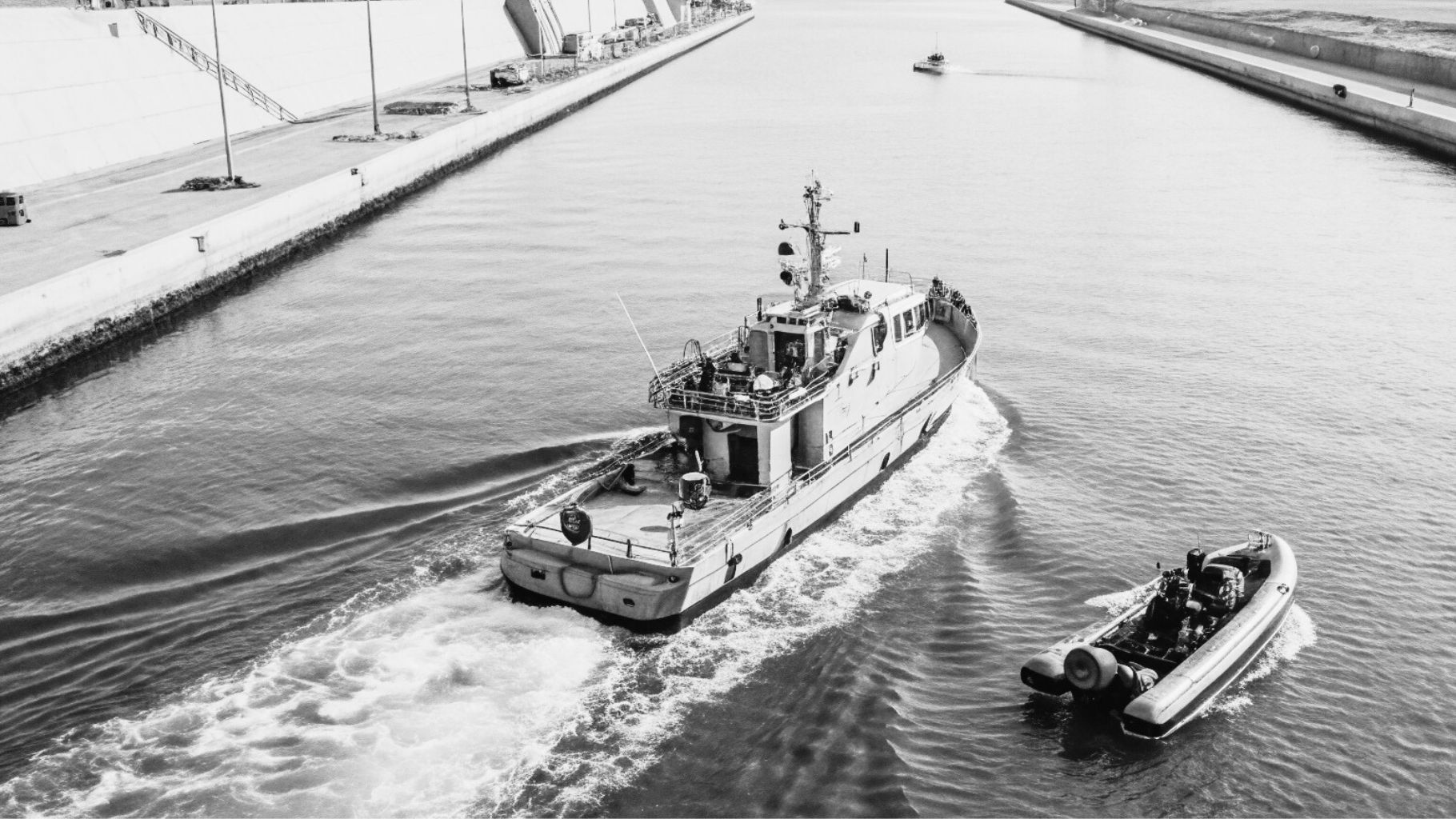
The UK Royal Navy is transforming the RFA Lyme Bay into a central platform for autonomous mine countermeasure operations by integrating advanced uncrewed systems capable of detecting and neutralizing naval mines. The Bay-class support ship is being equipped with modular command-and-control systems, along with the capability to deploy, recover, and manage a range of surface and underwater drones. Installation work is currently underway in Gibraltar, preparing the vessel to function as a dedicated “mothership” for minehunting missions.
Recently placed on heightened readiness, Lyme Bay will now operate beyond its traditional logistics role, serving as a forward-deployed command hub for autonomous systems. Its plug-and-play architecture allows rapid integration of different drone types based on mission requirements. According to Captain Mark Colley, the upgrade highlights the Royal Fleet Auxiliary’s adaptability in meeting evolving operational demands.
This modernization is part of a broader Royal Navy initiative to shift toward autonomous mine countermeasures. The service has already inducted its first fully integrated unmanned minehunting system from Thales under the UK-France Maritime Mine Counter Measures program. Delivered in March 2025, the system includes an AI-enabled unmanned surface vessel, advanced sonar, remotely operated vehicles, and a compact operations center for safer, remote mine clearance. In December 2025, Thales was also awarded a follow-on contract to develop portable autonomous command centers, designed to unify control of multi-domain uncrewed systems, with initial funding of £10 million and potential expansion up to £100 million.