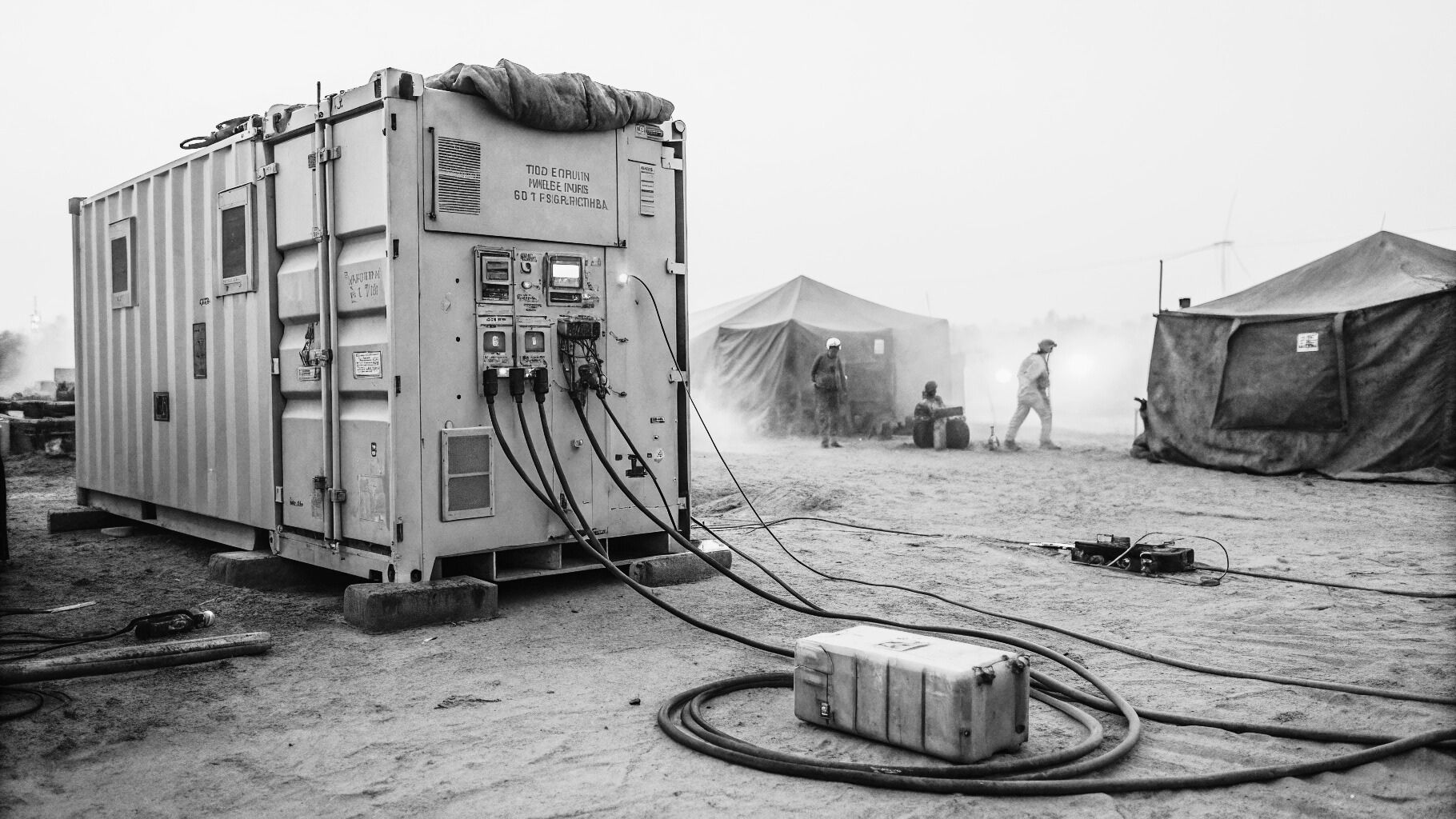
Belgium is developing a national counter-drone capability through a consortium that brings together US firm Anduril and local companies COBBS BELUX and Nokia Belgium.
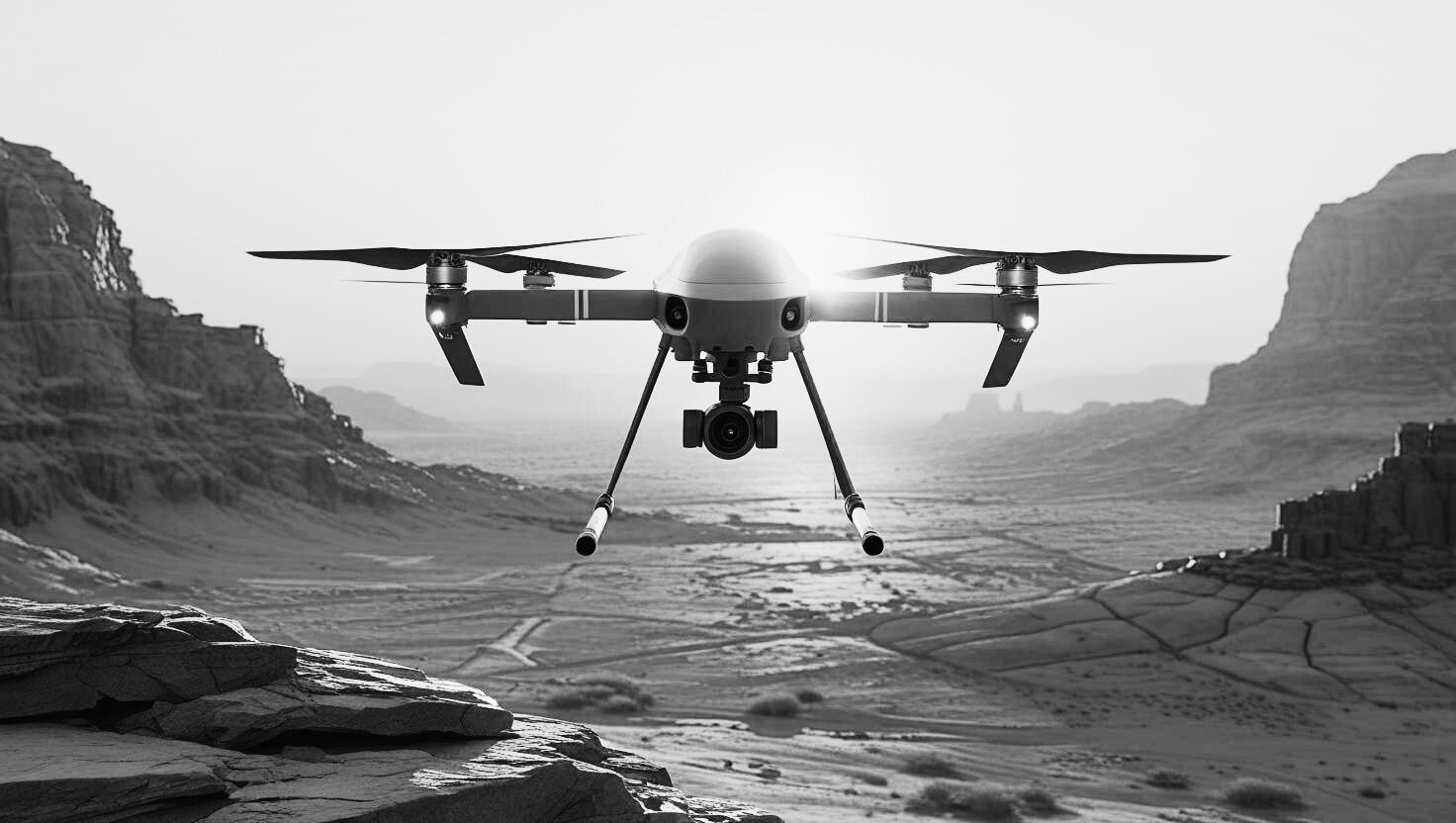
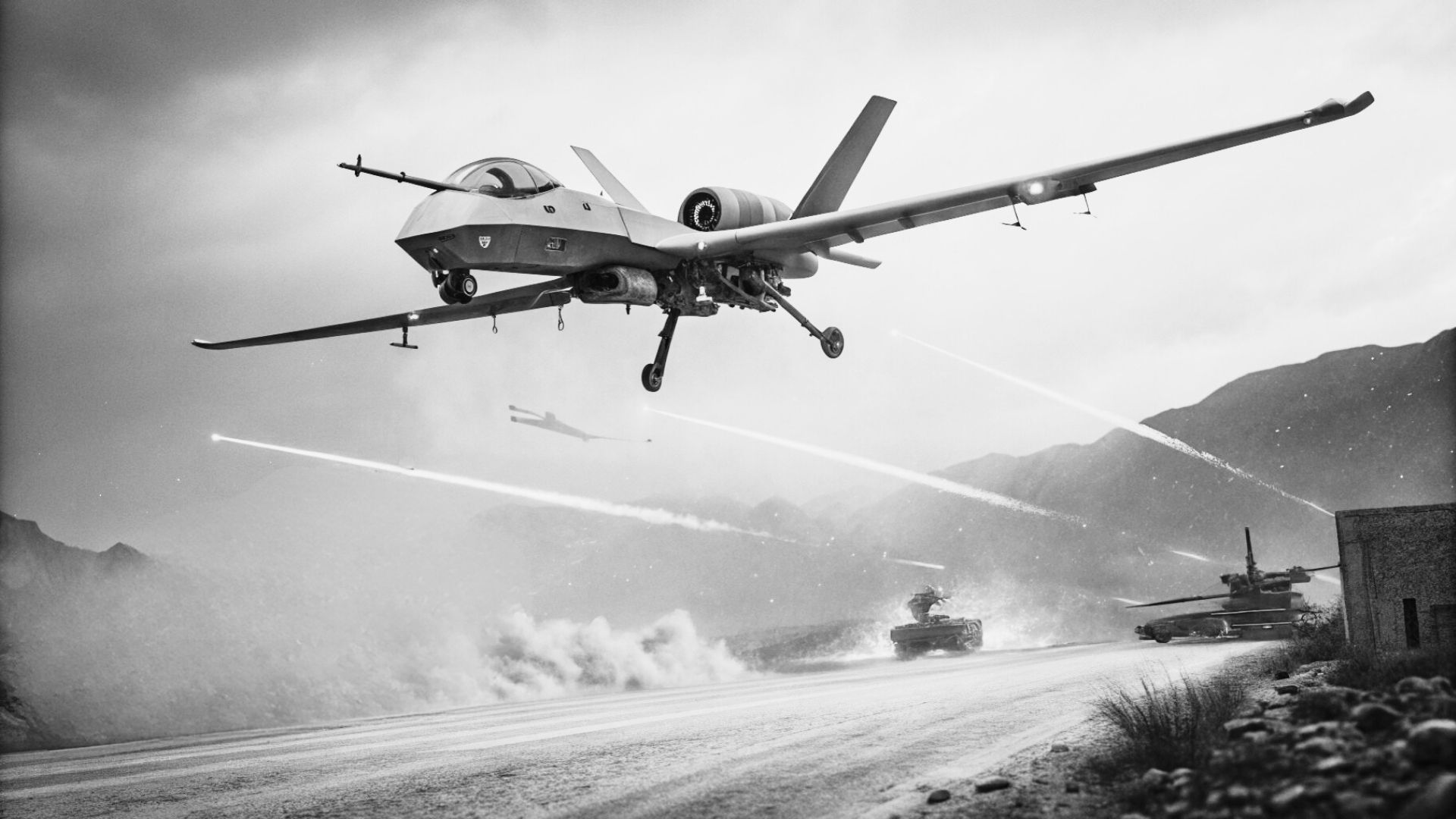
Anduril provides software-defined defense and autonomous systems, including counter-uncrewed aerial systems (C-UAS) such as the Anvil kinetic interceptor, the Roadrunner autonomous air vehicle, and sensors like the Pulsar. COBBS focuses on marketing and distributing defense equipment to European military and security agencies, while Nokia Belgium contributes communications infrastructure, software solutions, and secure network technology.
The consortium combines these capabilities to deliver domestically developed and operated C-UAS systems, designed to protect Belgium’s military installations and critical infrastructure.
System Overview
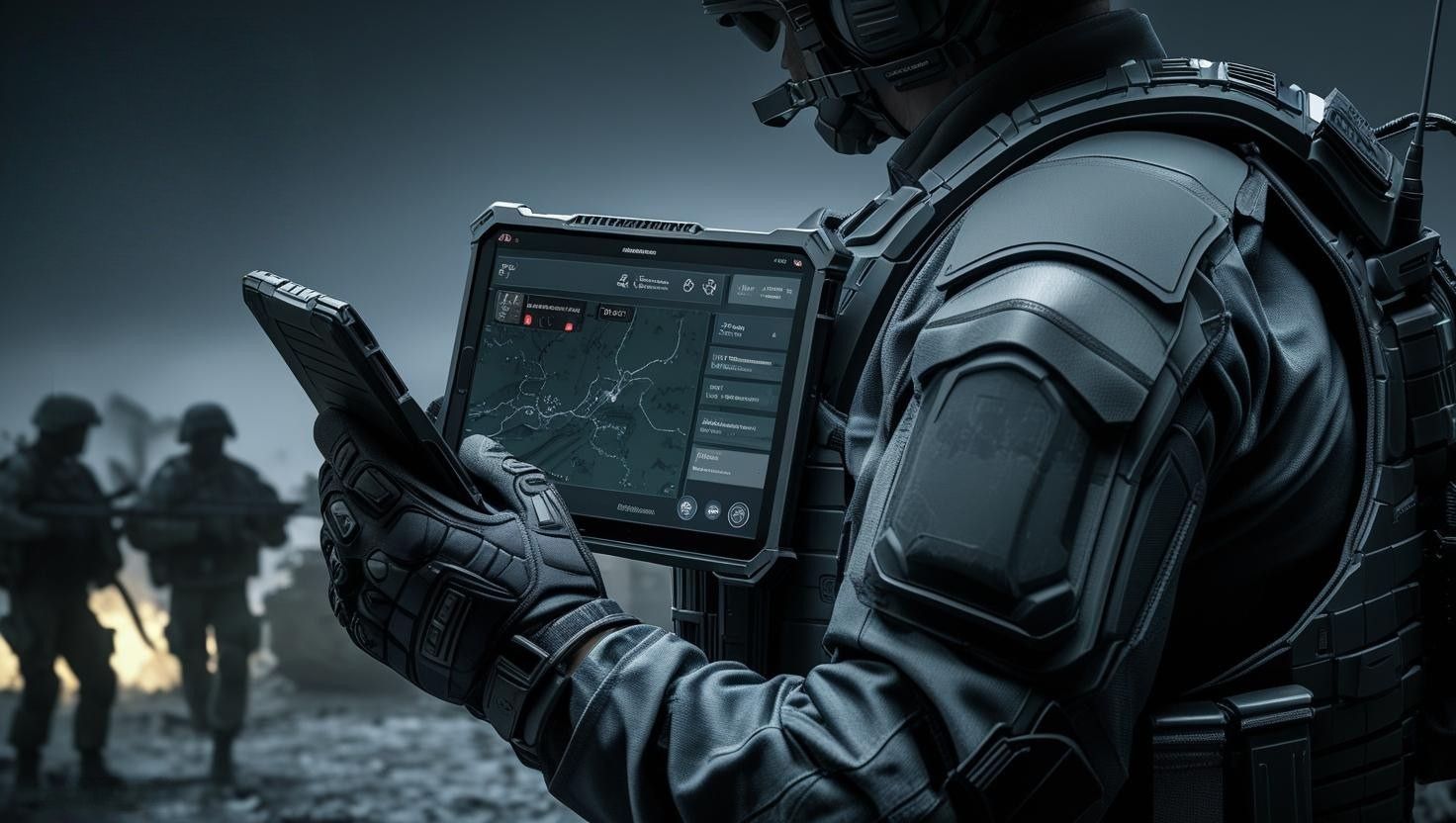
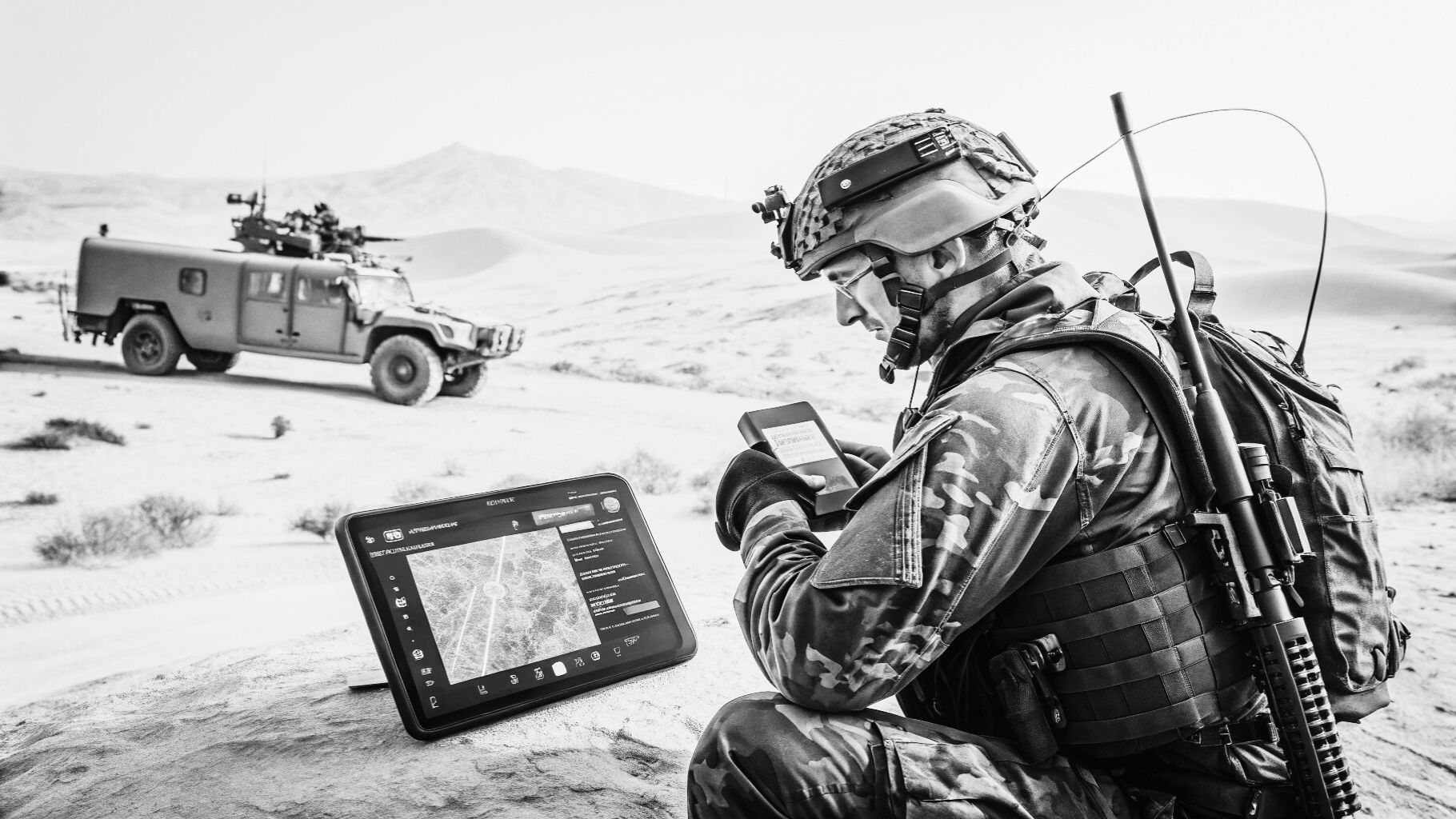
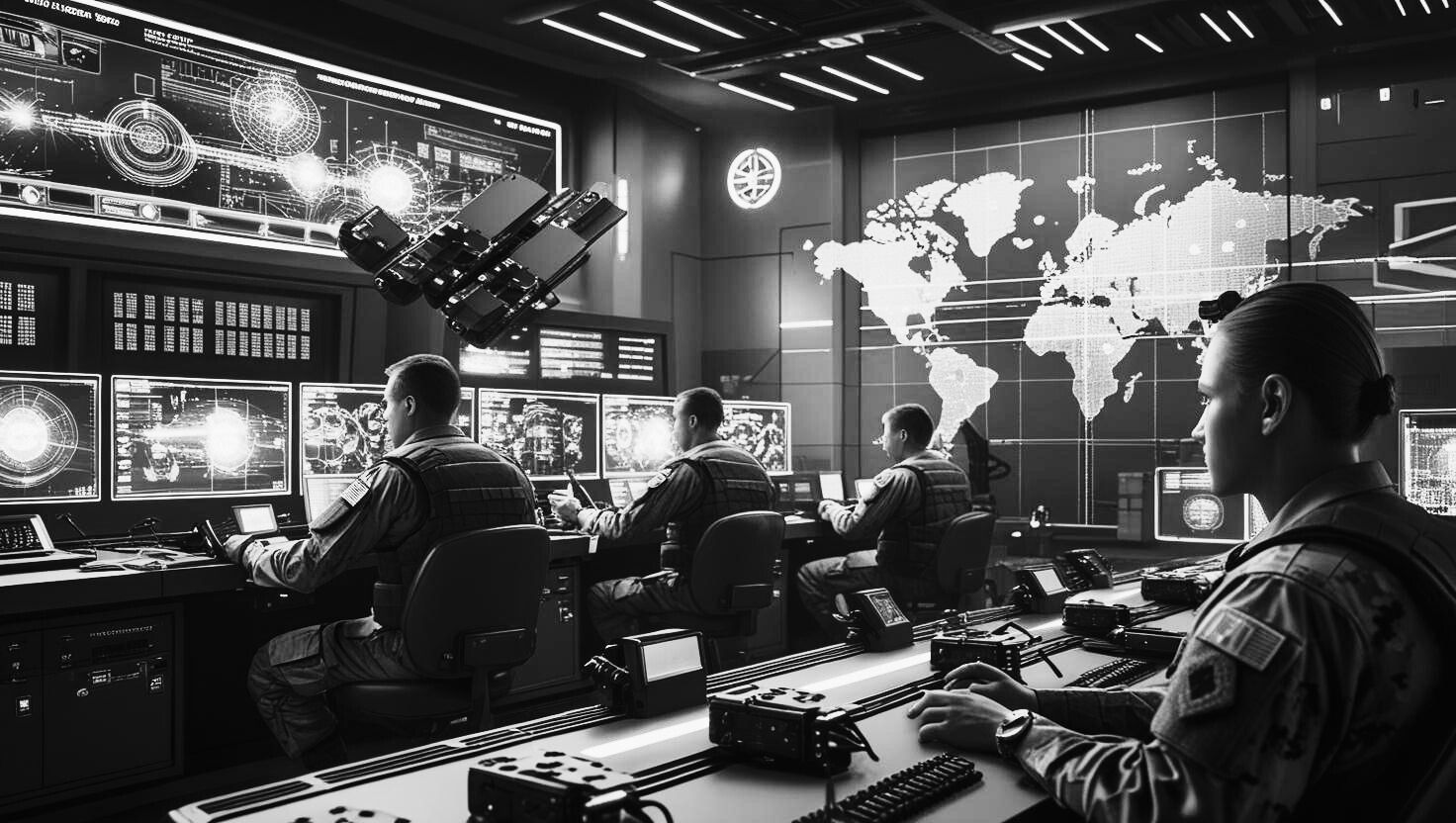
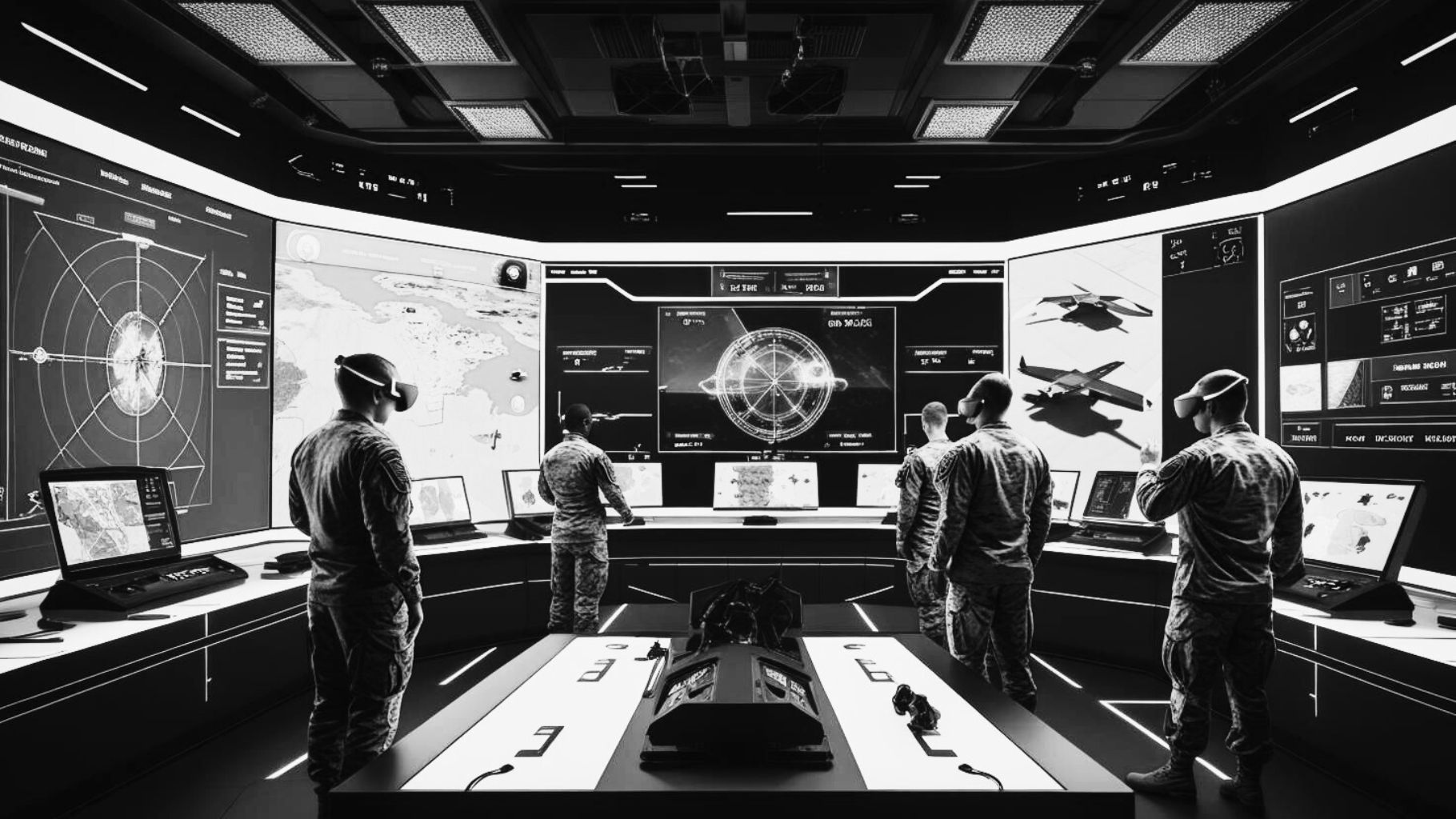
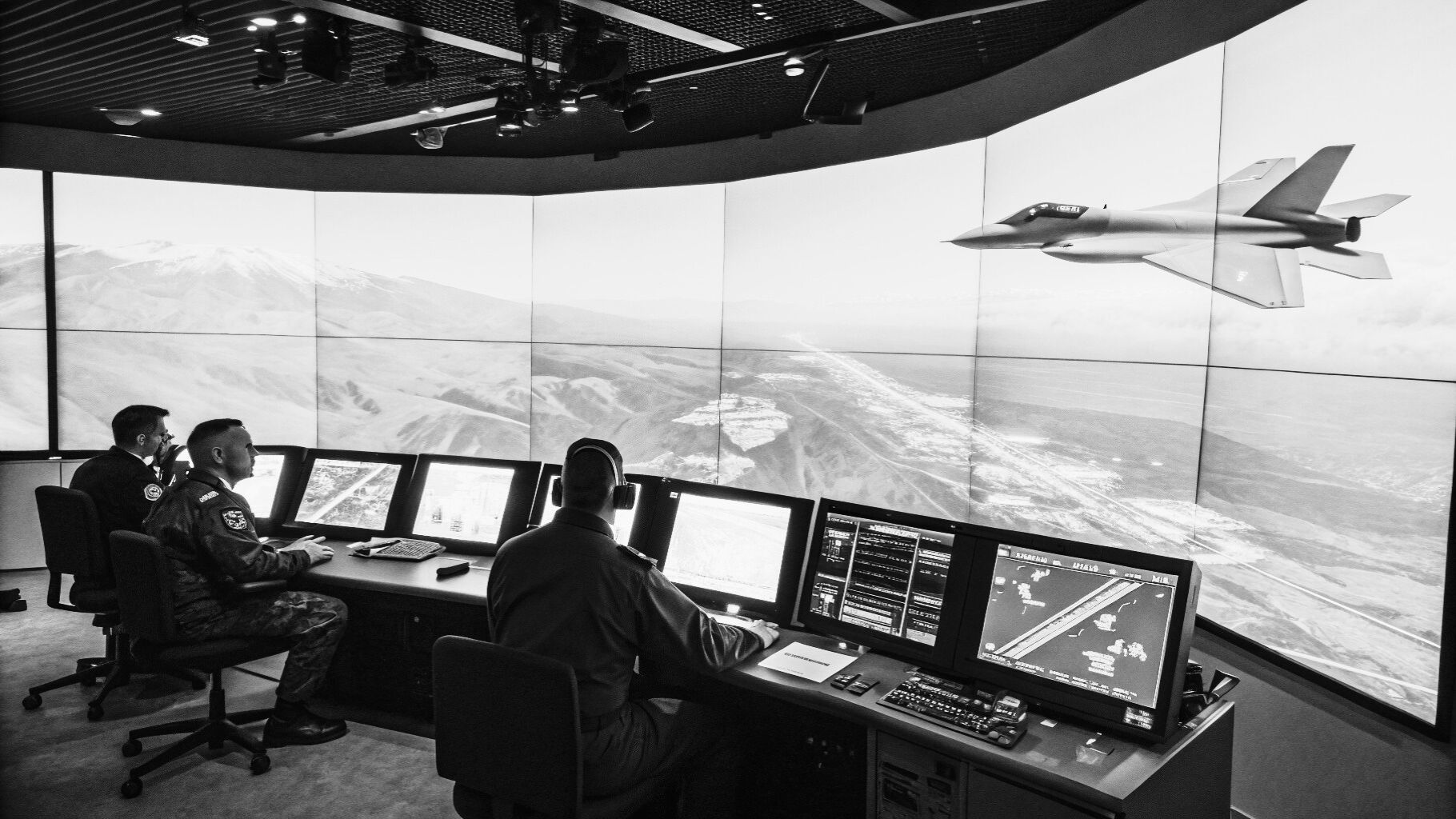
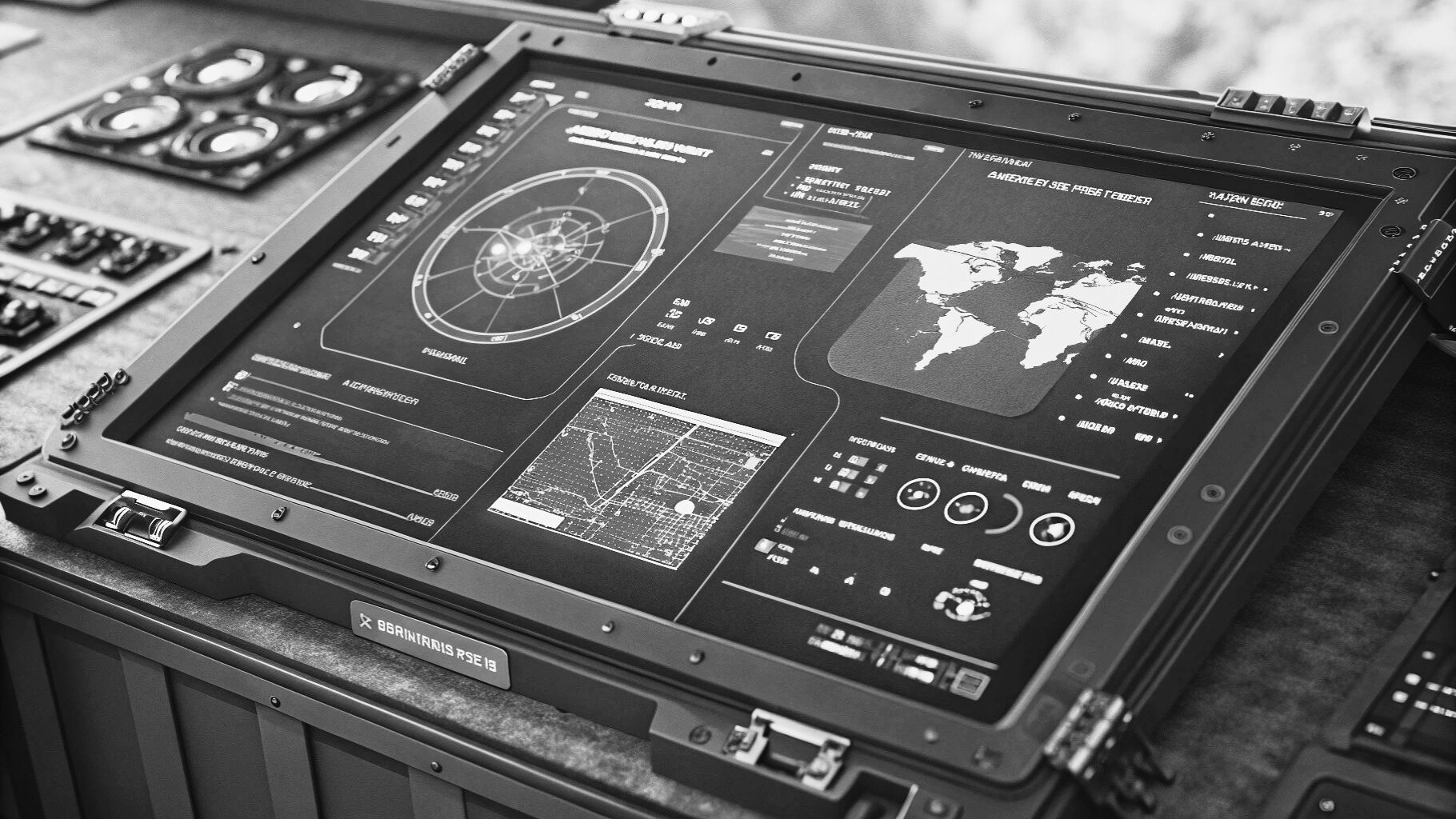
The solution is modular, scalable, and software-centric, featuring a command-and-control intelligence layer that acts as a central processing hub. It integrates data from multiple sources—including radar, optical, RF, and acoustic sensors—and consolidates it into a real-time operational picture with autonomous threat classification.
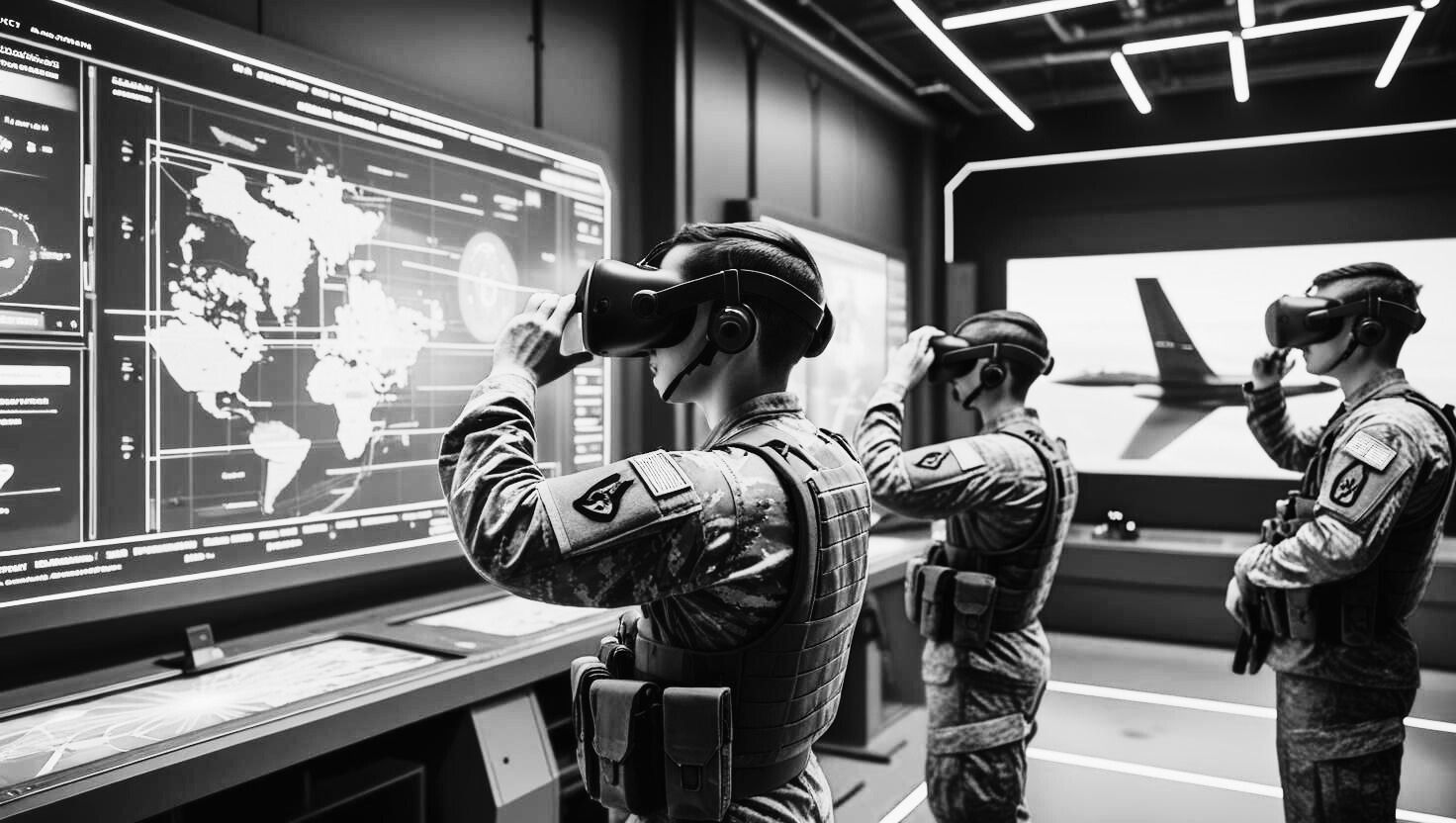
A single operator can oversee multiple counter-drone units simultaneously, retaining authority over all critical engagement decisions.
Drone Threat Context
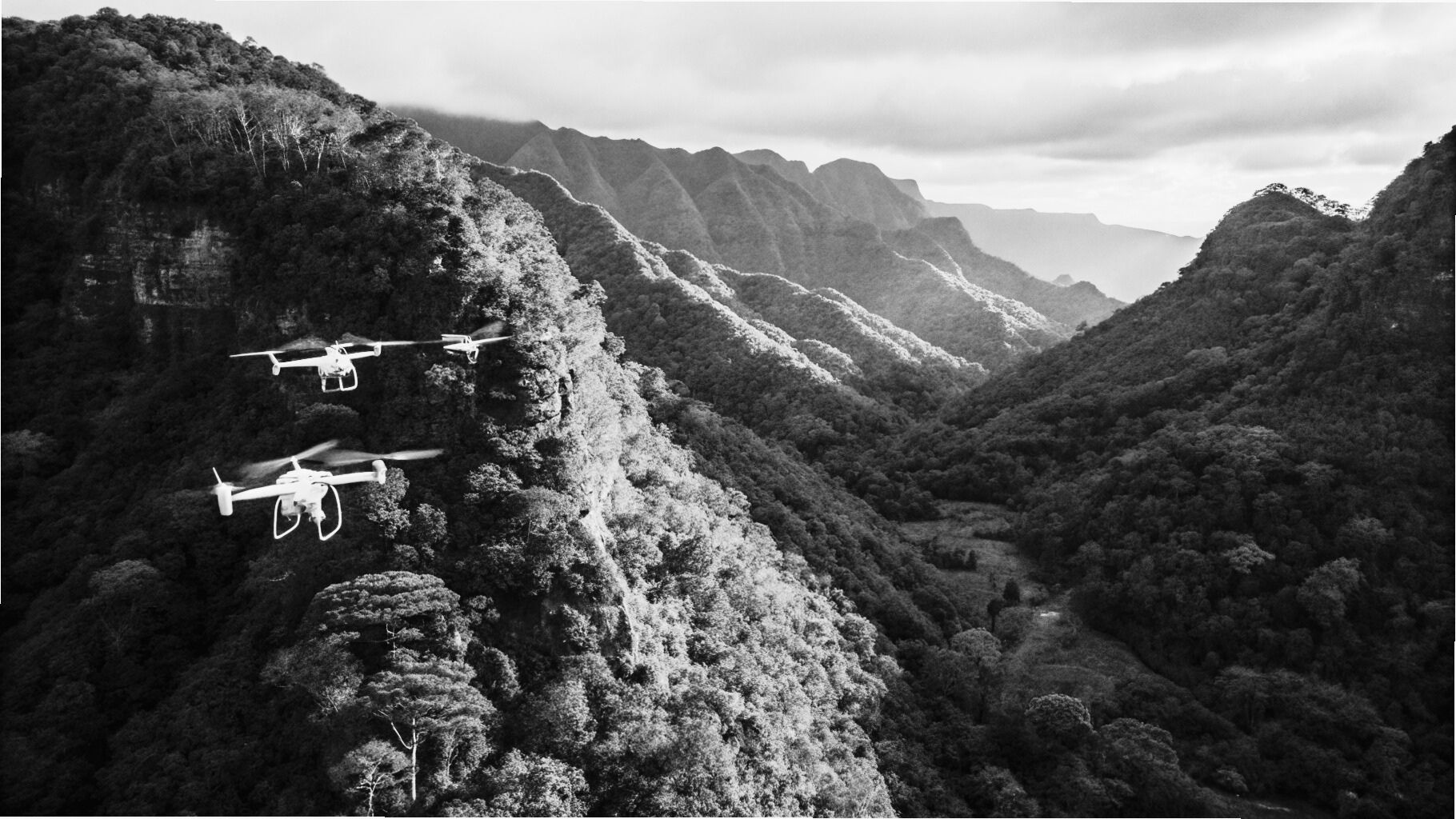
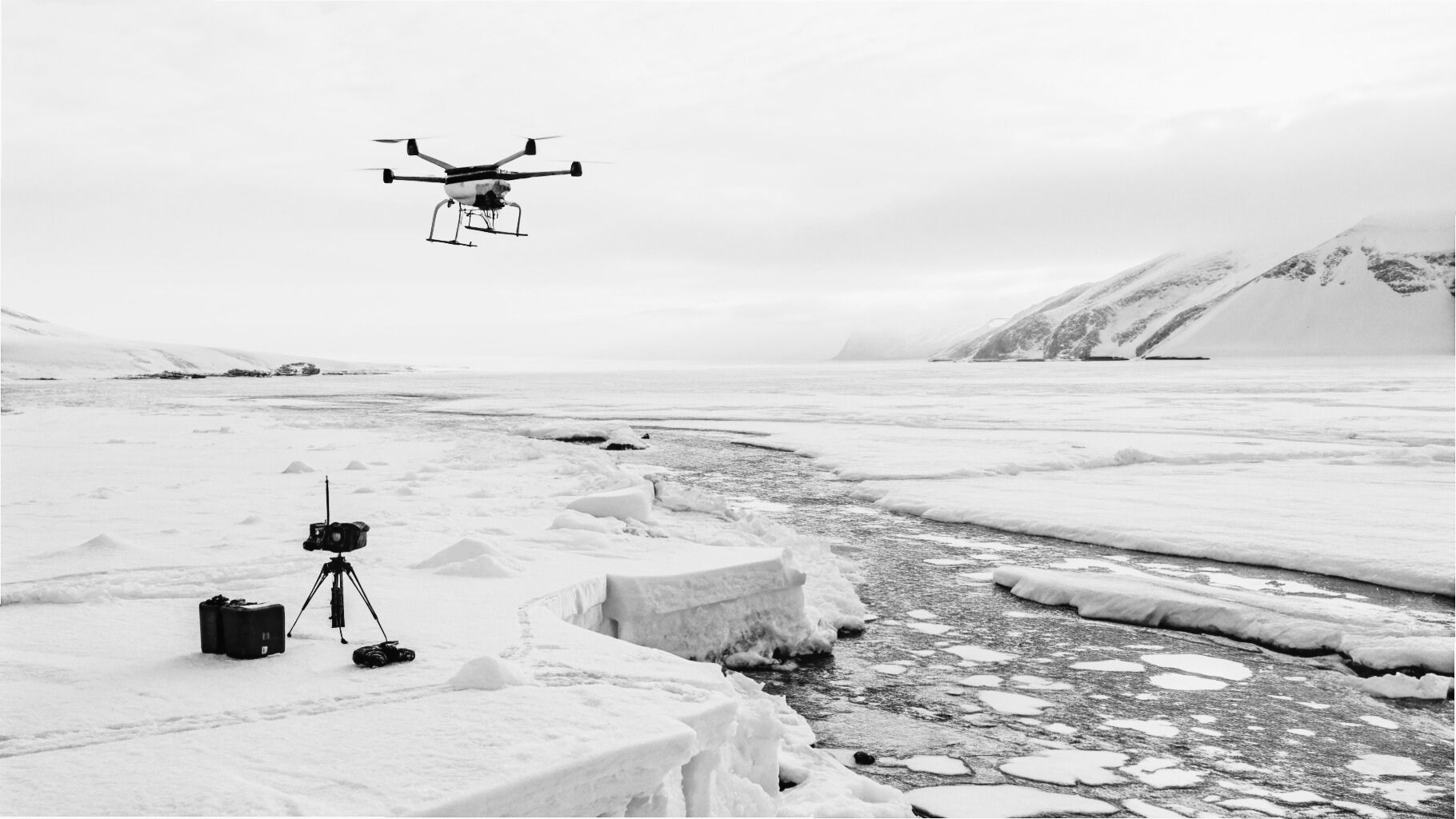
Belgium has faced several unauthorized drone incursions into sensitive areas since last year, exposing gaps in its existing C-UAS capabilities. Soldiers have been instructed to neutralize suspicious drones, provided no collateral damage occurs.
The government has also explored alternative solutions, including a September 2025 collaboration between FN Herstal and HENSOLDT, alongside the current Anduril-COBBS-Nokia consortium.