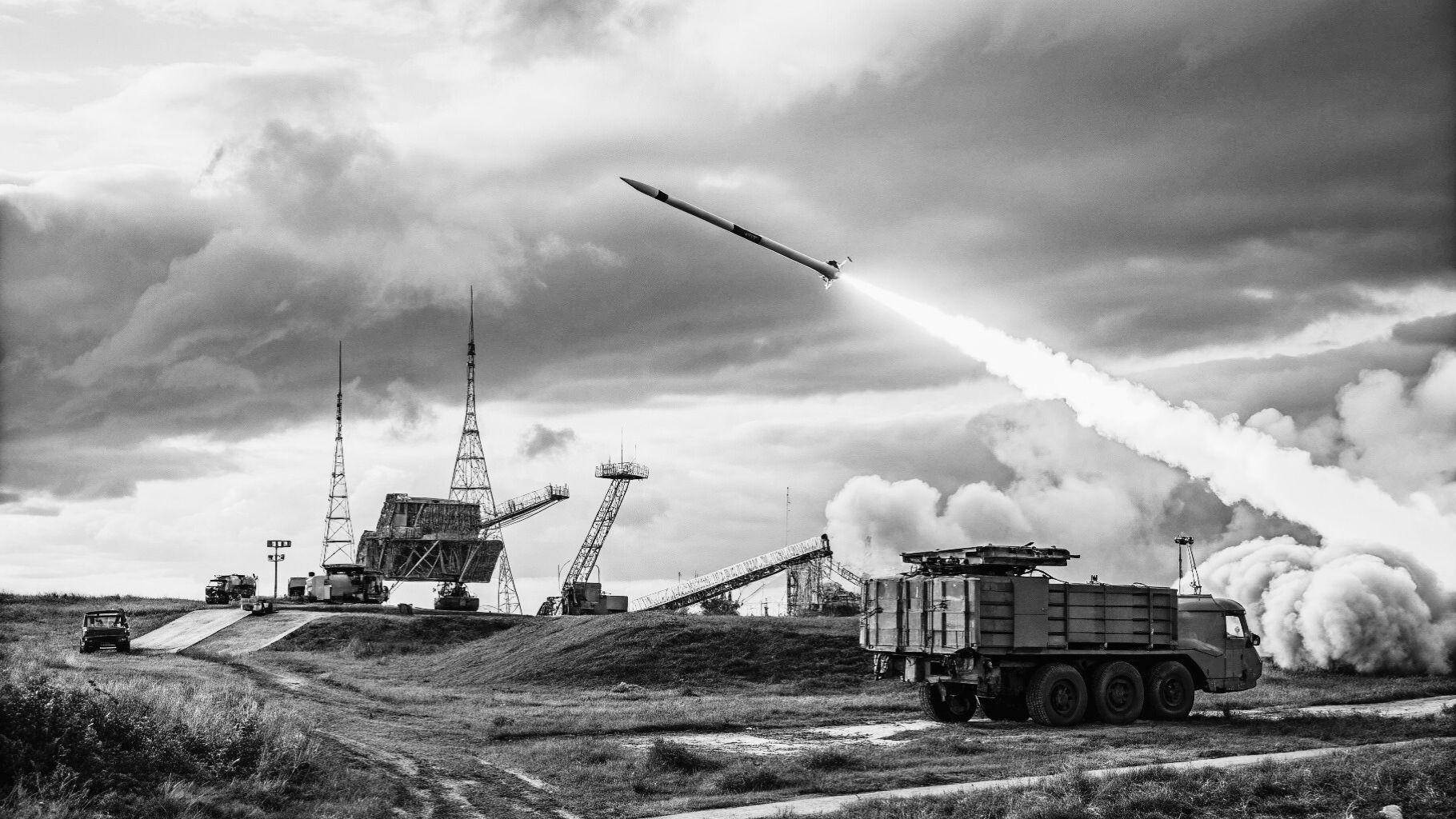
India has taken a major step forward in indigenous stand-off strike capabilities with the approval of the Long Range Air-to-Surface Supersonic Cruise Missile (LRASSCM), significantly enhancing the Indian Air Force’s precision strike arsenal. Announced earlier by DRDO Chairman Sameer V. Kamat, the missile is designed to deliver high-speed, long-range strikes against both land and maritime targets while allowing launch platforms to operate from safe stand-off distances. Powered likely by ramjet propulsion similar to the BrahMos system, the LRASSCM maintains sustained supersonic speeds, reducing enemy reaction time and improving survivability against air defence networks. Its anticipated range of several hundred kilometres enables deep-strike capability without exposing aircraft to frontline threats.
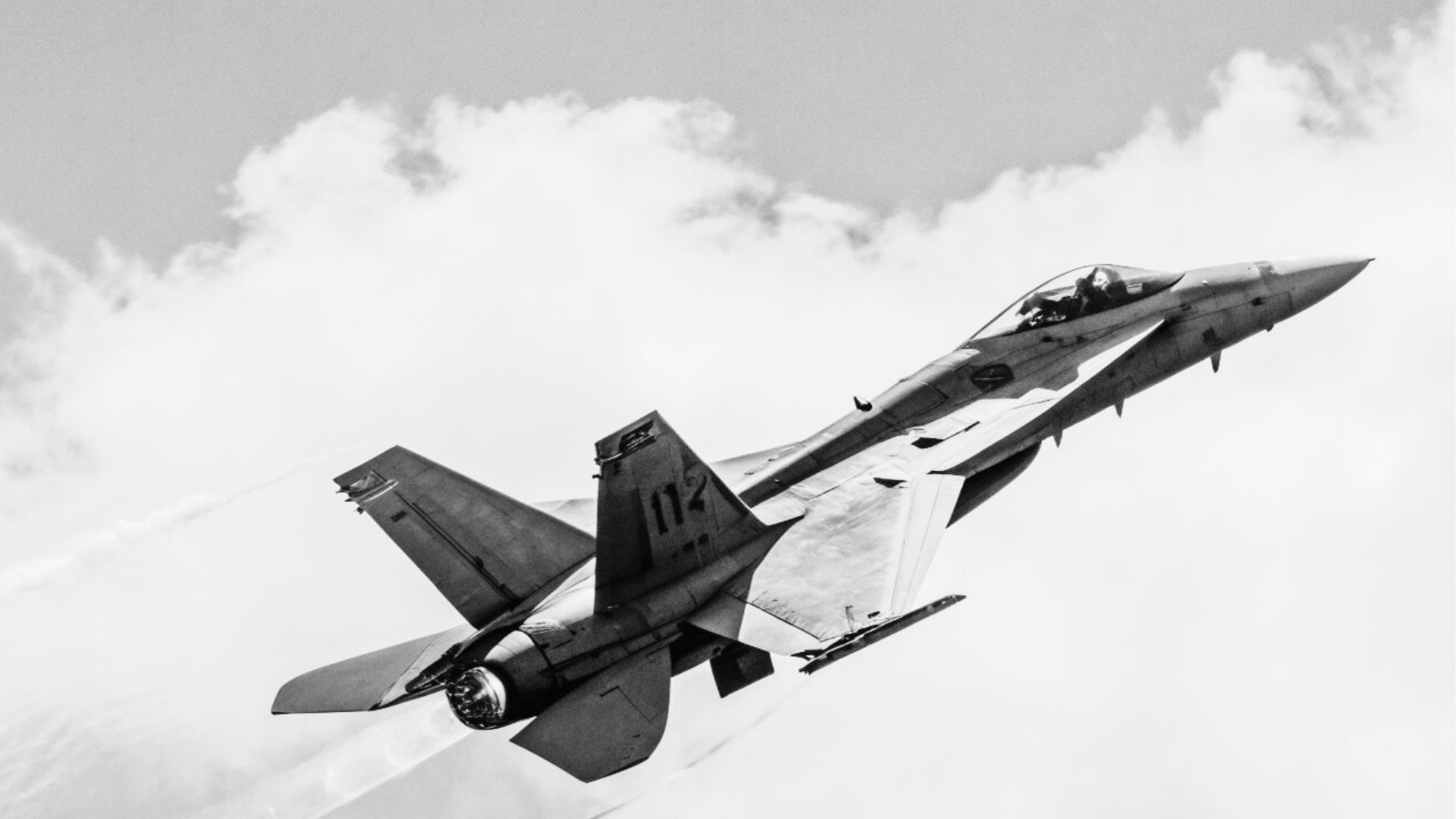
The missile will initially be integrated with the Su-30MKI fleet, leveraging the aircraft’s heavy payload capacity and proven compatibility with systems like BrahMos. Upcoming trials will include separation tests and operational validation, followed by live-fire evaluations. The ongoing “Super Sukhoi” upgrade—featuring enhanced radar, engines, and electronic warfare systems—further strengthens the platform’s role as a primary carrier. This development aligns with India’s push for defence self-reliance, reducing dependence on imports while boosting deterrence through a combination of speed, precision, and versatility. The LRASSCM is expected to support a wide range of missions, including deep strike, anti-ship operations, and suppression of enemy air defences, marking a significant advancement in India’s aerial warfare capabilities.