
For decades, infantry weapons have remained largely consistent, with rifles and machine guns firing traditional cartridges across conflicts from Vietnam to Afghanistan. However, evolving threats are now pushing these systems beyond their limits.
To address this, the US Army launched the Next Generation Squad Weapon (NGSW) program—an ambitious initiative aimed at redefining squad-level firepower through advanced rifles, machine guns, and next-generation ammunition tailored for modern combat environments.
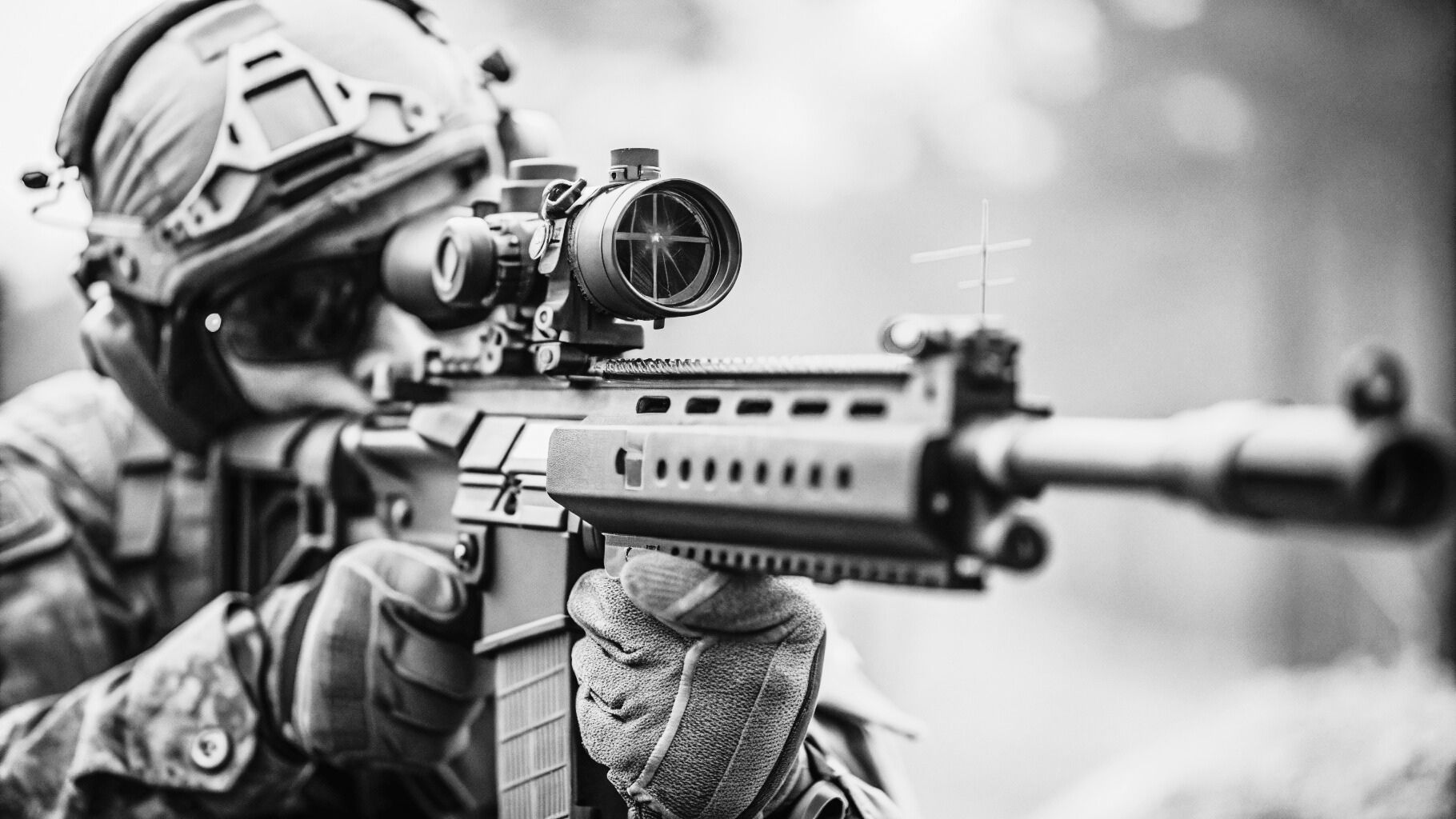
At its core, NGSW is designed to replace legacy systems such as the M4/M4A1 carbine and the M249 Squad Automatic Weapon with a new family of weapons chambered in a 6.8mm cartridge. Paired with advanced fire control systems, the program delivers a fully integrated solution that enhances lethality, range, and target acquisition across varied engagement scenarios.
The program was initiated in 2017 to counter emerging battlefield threats, including adversaries equipped with advanced body armor. Following extensive testing and soldier feedback, contracts were awarded in 2022 to SIG Sauer and Olin Winchester for weapons and ammunition, and to Vortex Optics for fire control systems. Fielding began between 2023 and 2024, supported by a rigorous development process involving months of prototyping and extensive live-fire testing.
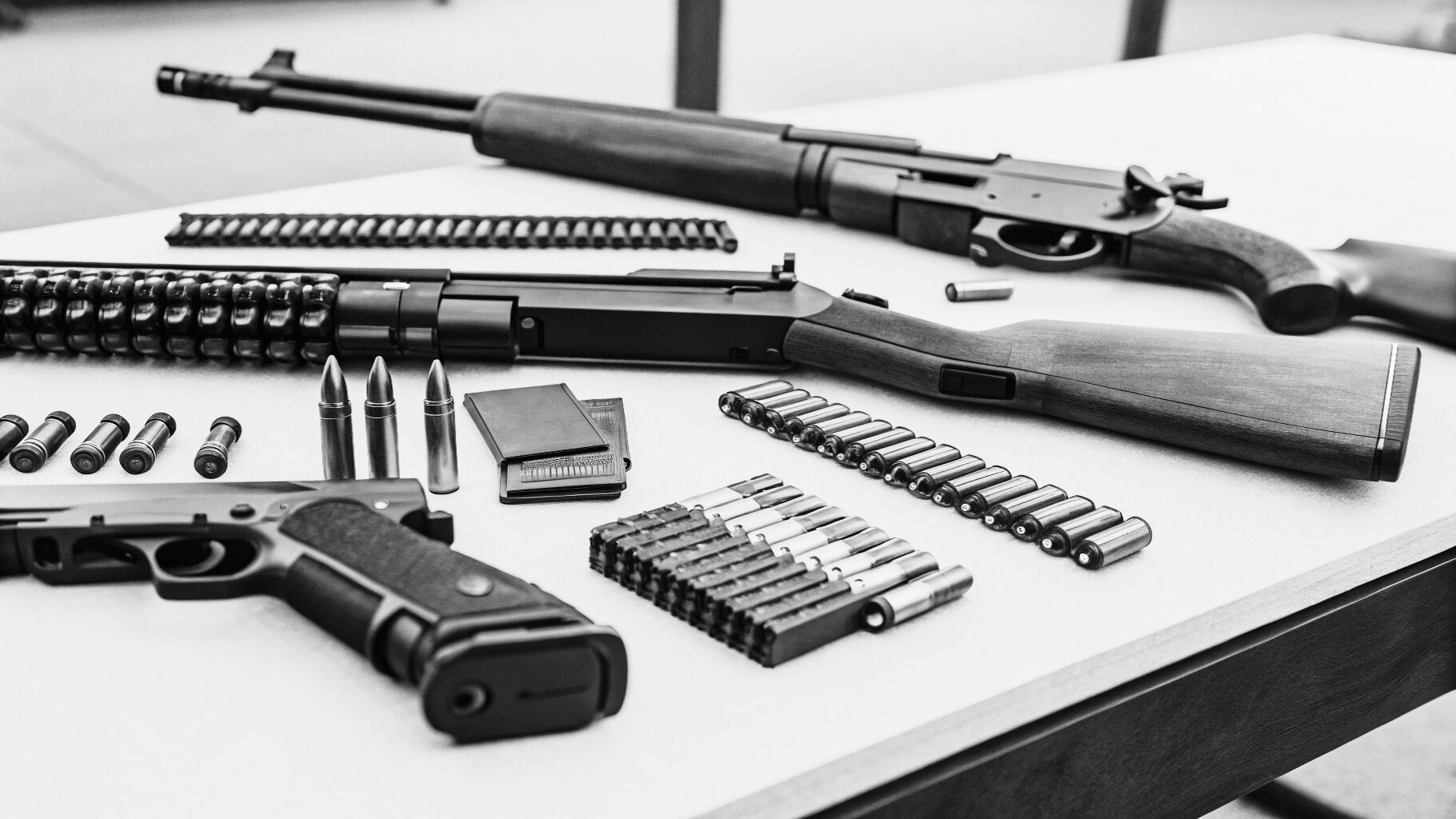
NGSW revolves around two primary platforms: a standard infantry rifle and an automatic rifle. The NGSW Rifle is intended to replace the M4 platform, featuring a modular, piston-driven design with improved ergonomics, ambidextrous controls, and integrated suppressor capability. The NGSW Automatic Rifle replaces the M249, offering belt-fed sustained fire with improved recoil management and reduced operator burden.
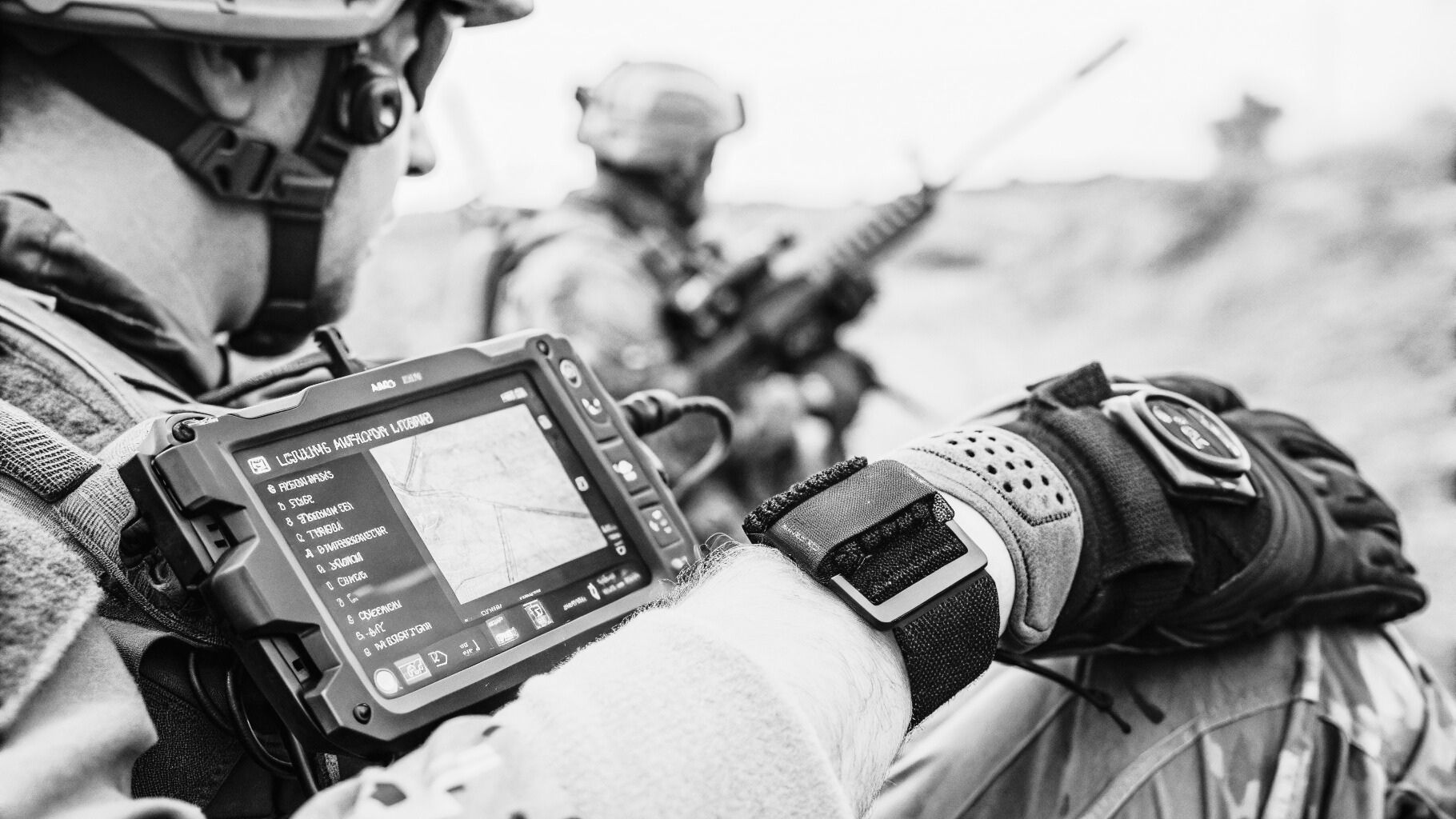
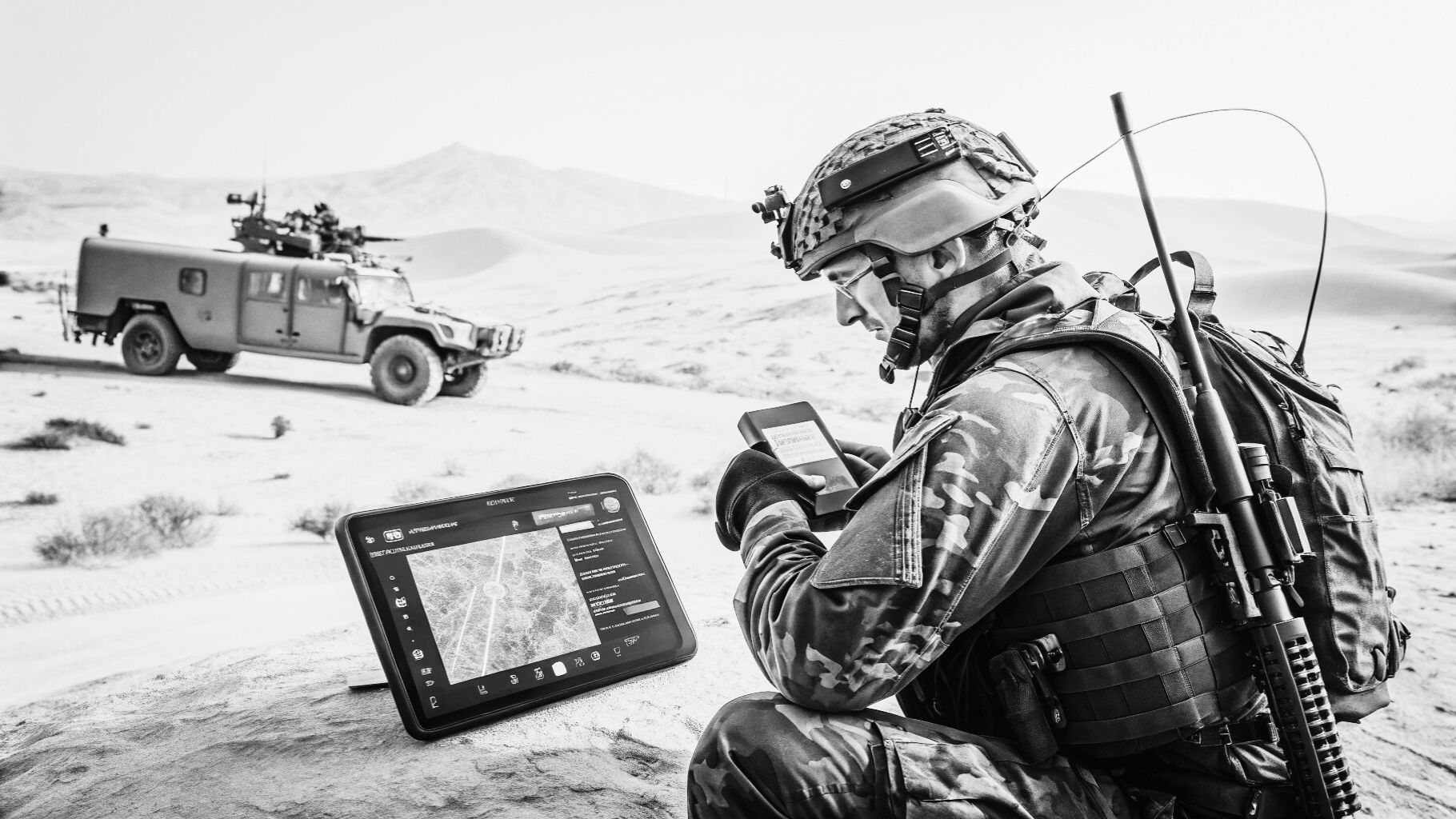
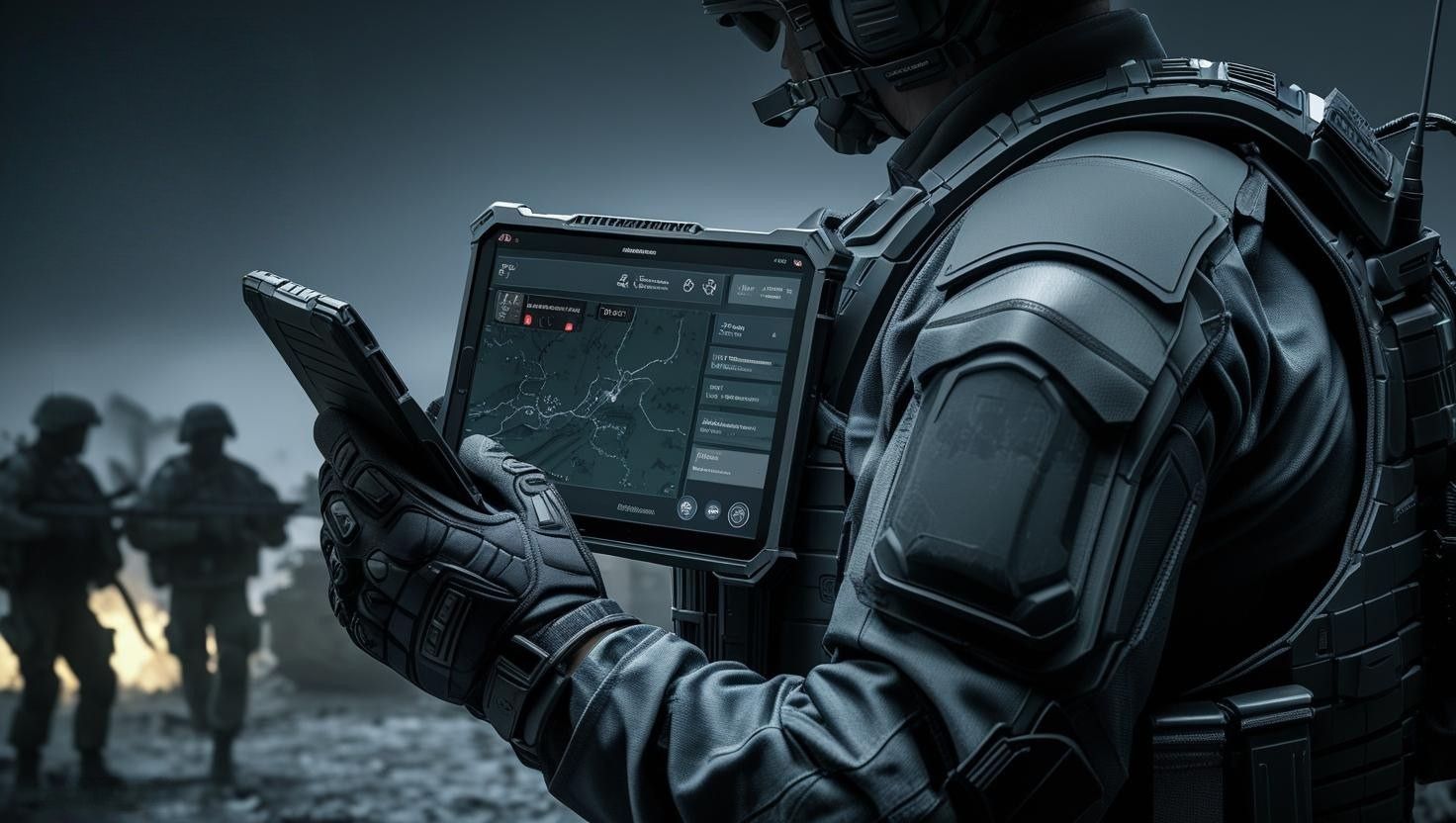
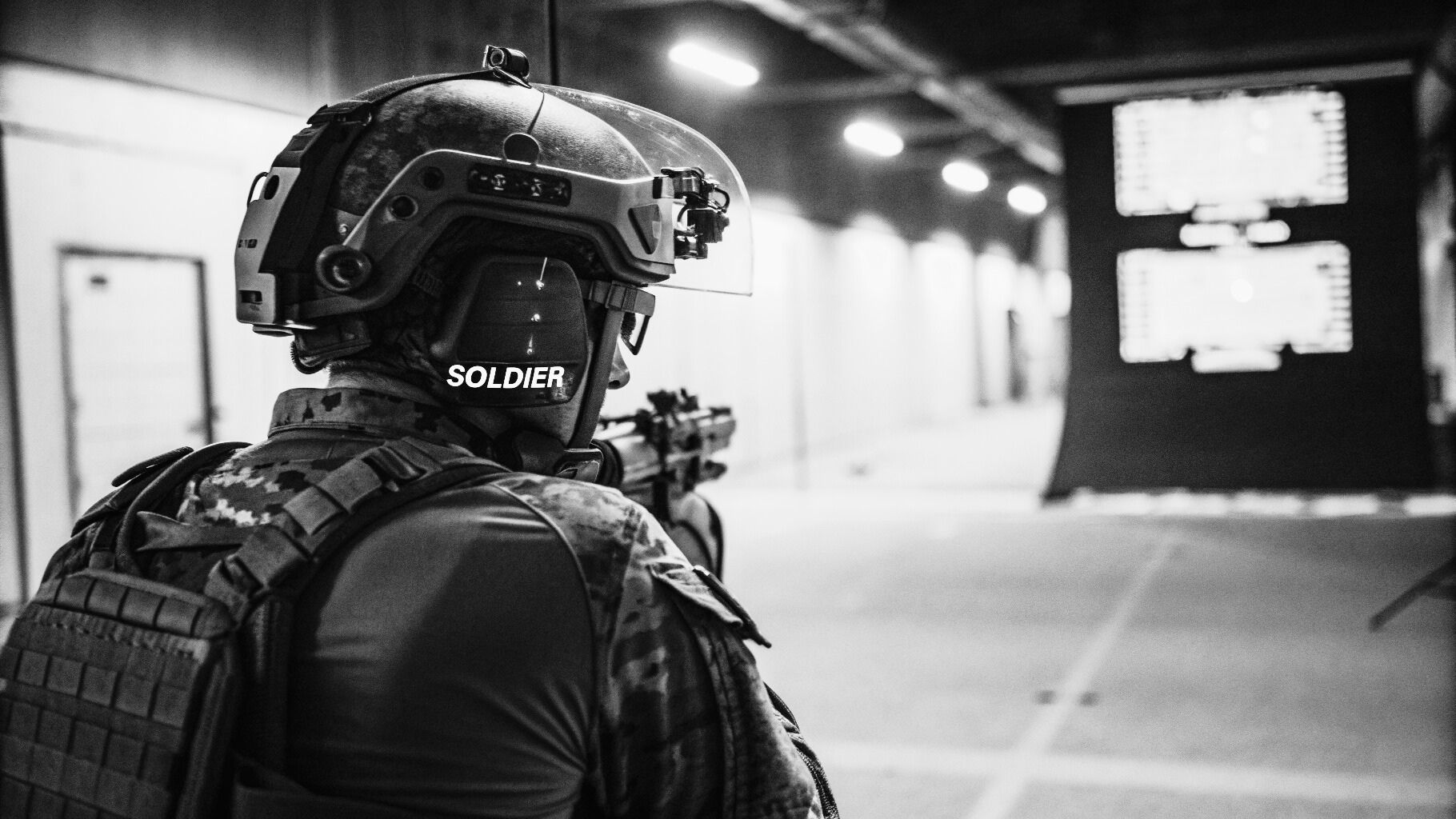
The system’s effectiveness stems from the integration of its components. The 6.8mm ammunition enhances range, penetration, and accuracy, while the XM157 fire control system provides real-time ballistic calculations and laser-assisted targeting. Together, these elements significantly improve engagement effectiveness.
Despite its advantages, the system introduces challenges, including increased weight, logistical complexity, and the need for additional training to operate advanced optics and fire control systems. Deployment is also gradual, leading to mixed inventories across units.
Currently, the NGSW is being fielded within US Army close combat units, with early deliveries at bases such as Fort Campbell. However, not all services have adopted the system, with the US Marine Corps opting to retain its existing weapons.
Looking ahead, the program is expected to evolve further, incorporating upgrades such as improved suppressors, refined ergonomics, and potential new variants. The long-term goal is to field hundreds of thousands of systems, enhancing the Army’s combat effectiveness and adaptability.