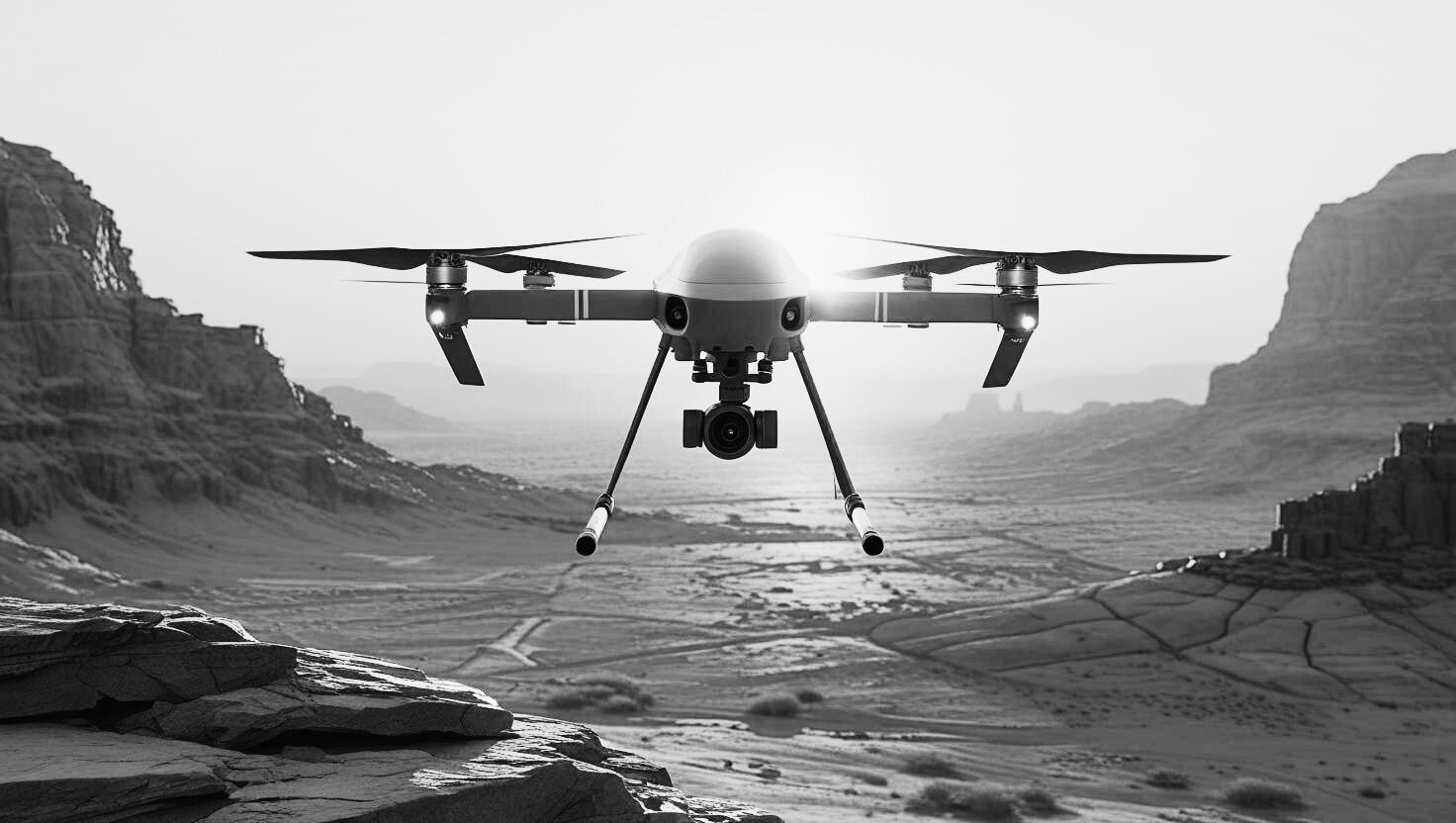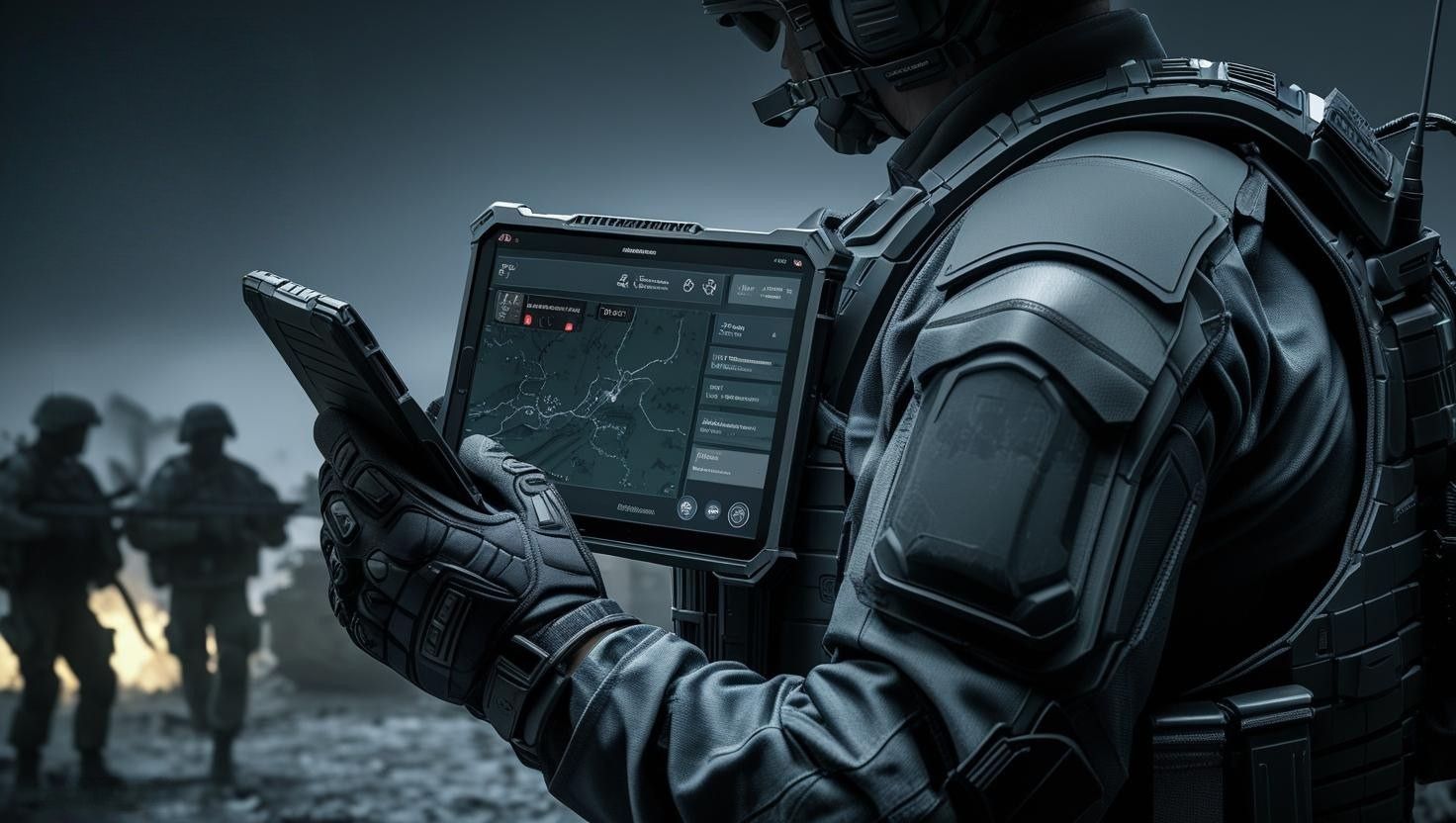
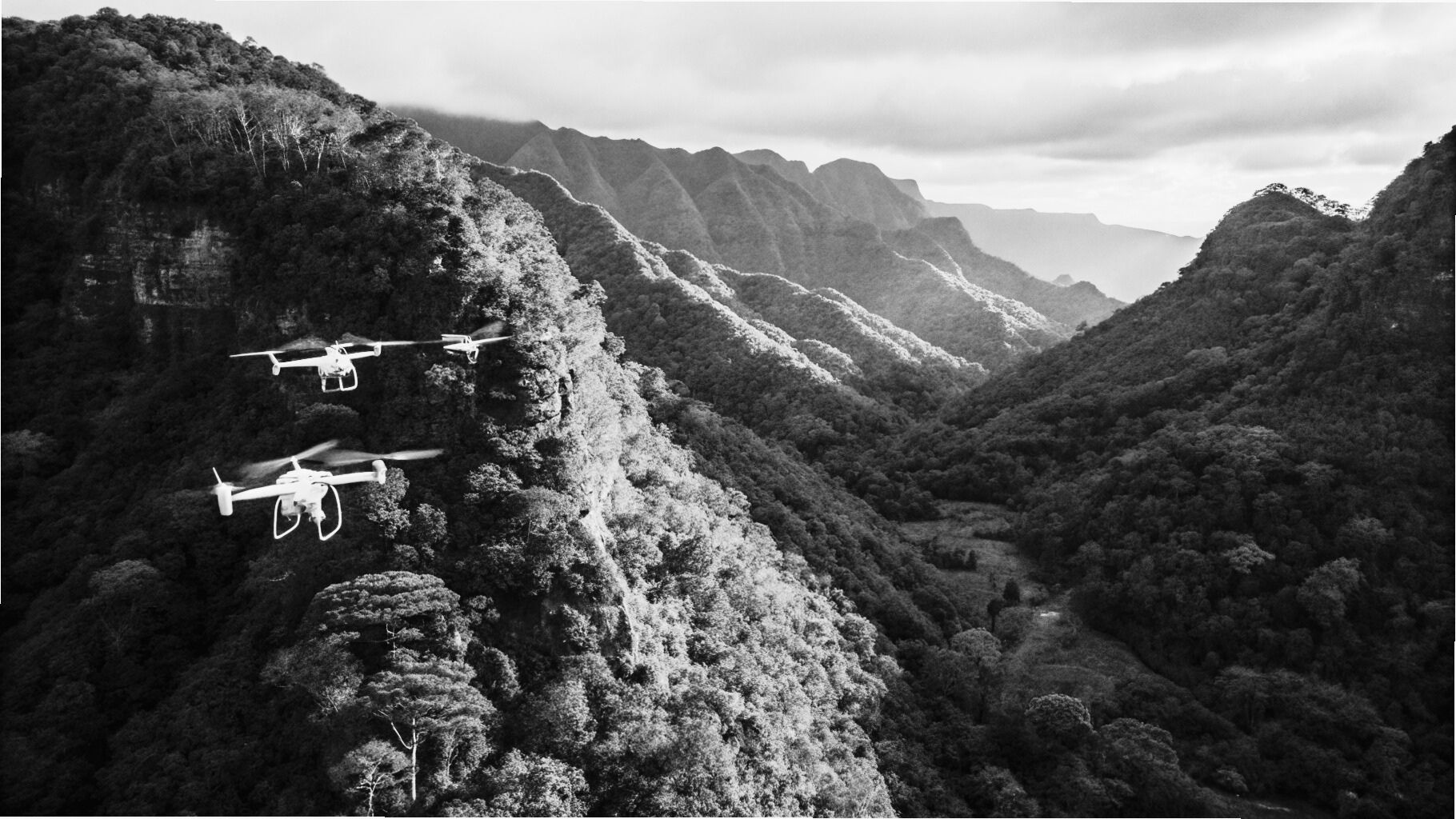
The U.S. Marine Corps has developed a first-person-view (FPV) drone produced using 3D-printing technology that is simple to assemble, ready for operational use, and compliant with national security requirements.
The system, known as HANX, was developed with significant input from Sgt. Henry David Volpe, an automotive technician with the 2nd Marine Logistics Group, who applied his interest in engineering and robotics to the project. HANX is the Marine Corps’ first unmanned aircraft system made from 3D-printed components to receive approval under the National Defense Authorization Act (NDAA), service officials confirmed last month.
Volpe’s work accelerated after his assignment to the II Marine Expeditionary Force Innovation Campus at Camp Lejeune, North Carolina, where he was able to focus on robotics and rapid prototyping.
Named after Volpe’s nickname “Hank,” the HANX drone has been cleared for use by U.S. Naval Air Systems Command and features a low-cost, modular design that allows Marines to assemble the system using in-house 3D-printing capabilities.
Unlike earlier 3D-printed Marine drones, HANX meets current NDAA compliance standards, ensuring it does not rely on unapproved foreign-sourced components that could pose security risks. It is the first 3D-printed FPV drone approved by both NAVAIR and under existing NDAA requirements.
HANX can be configured for multiple missions, including reconnaissance, logistics delivery, or use as an explosive FPV platform. Development required more than 1,000 hours of work and extensive coordination to secure approvals, resulting in a secure, field-ready drone designed by Marines for operational use. The Marine Innovation Campus has since outlined plans for in-house production, training, and curriculum development.