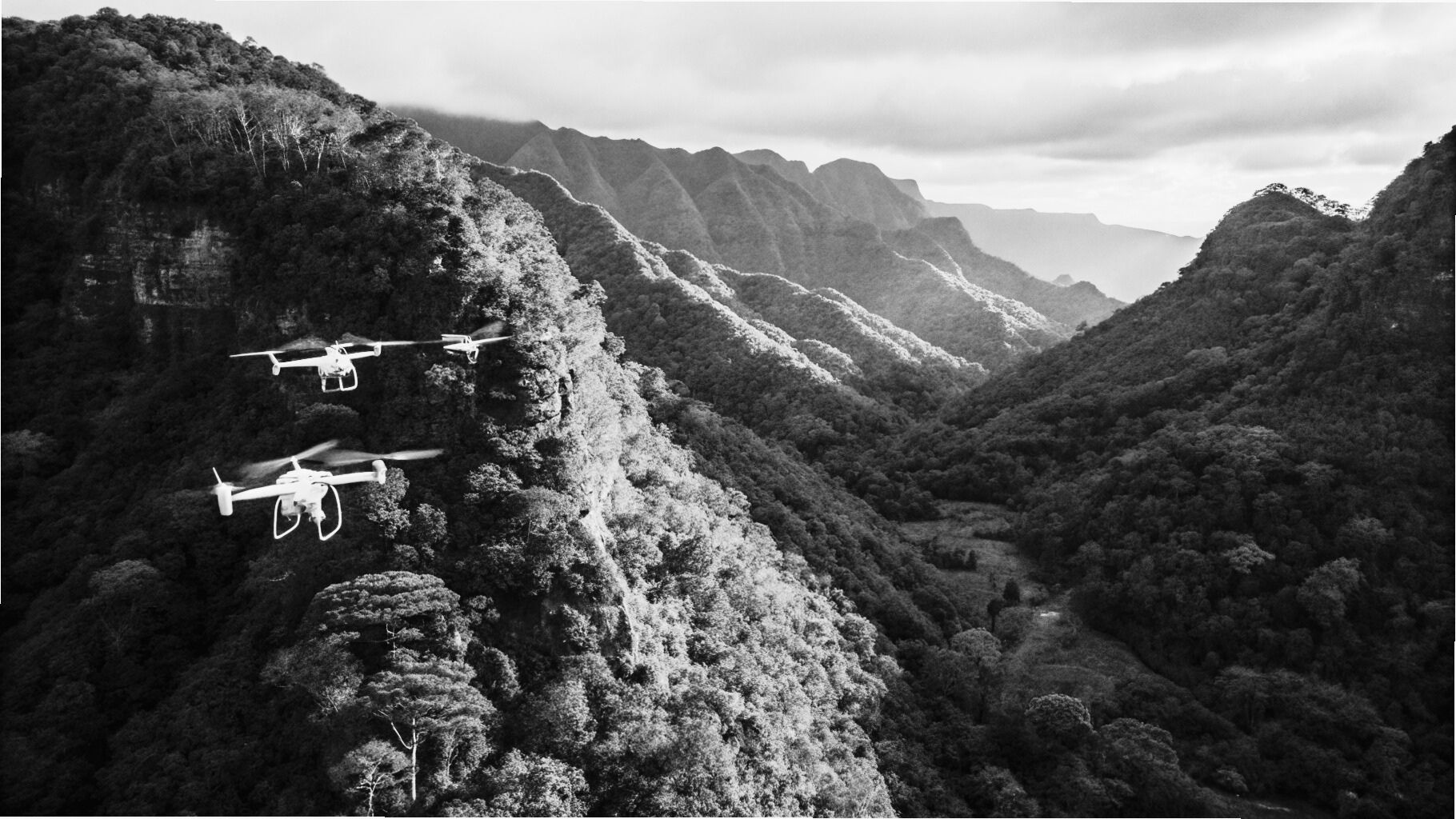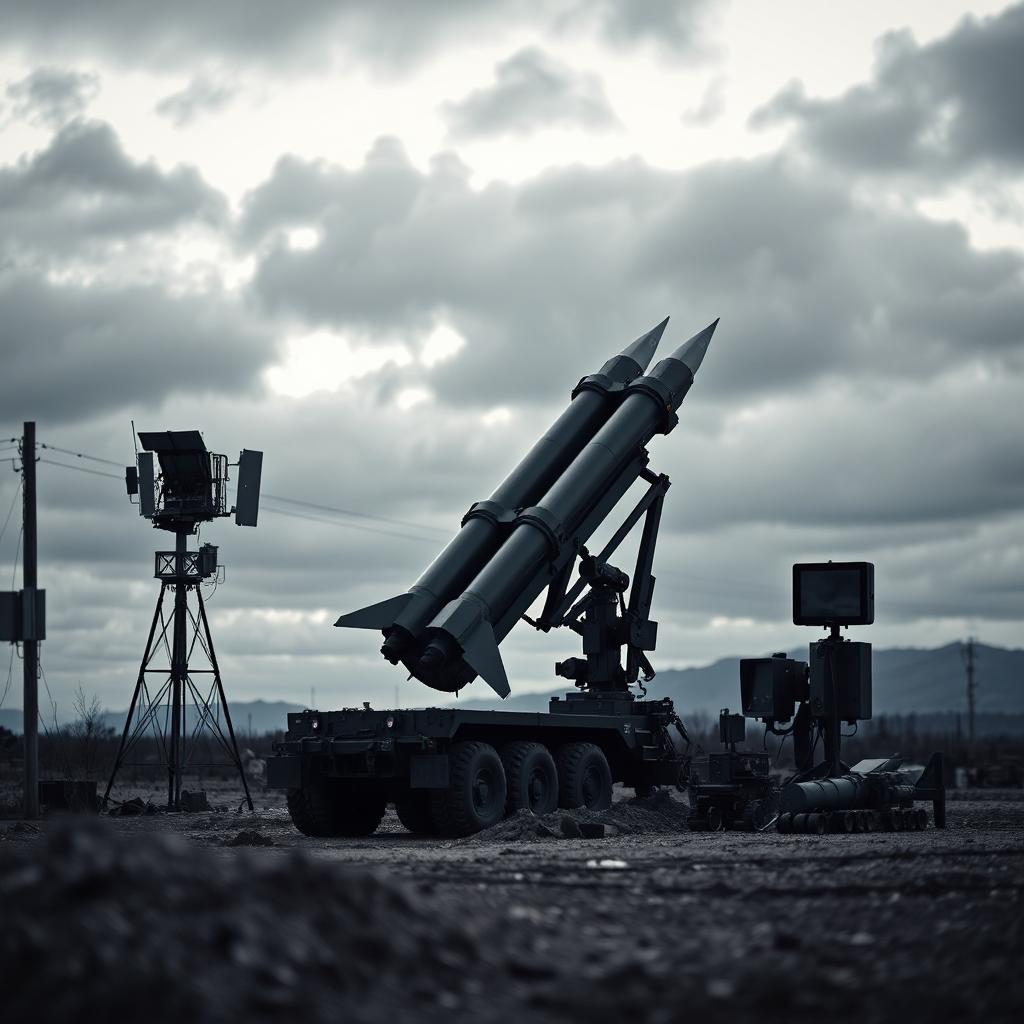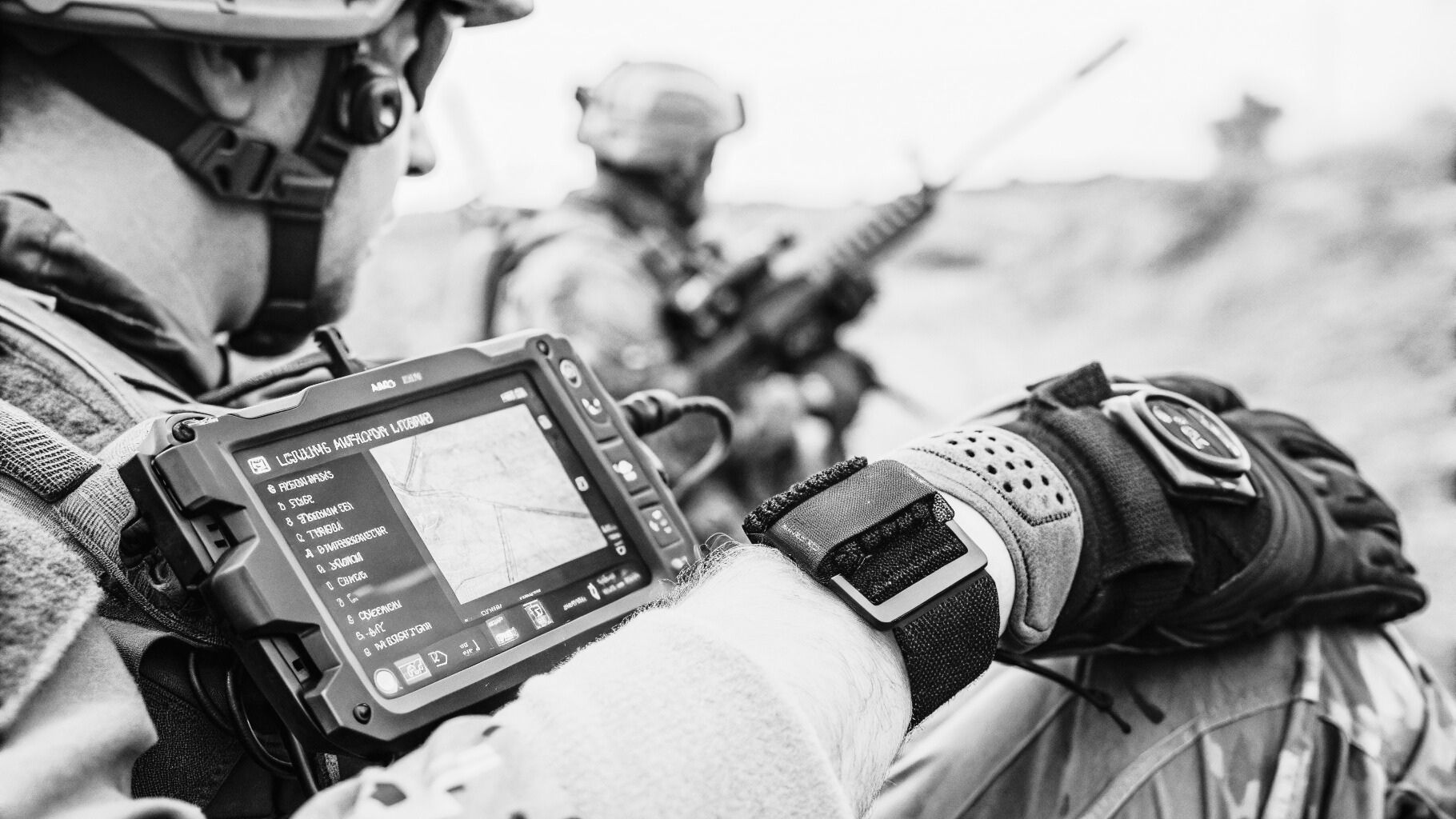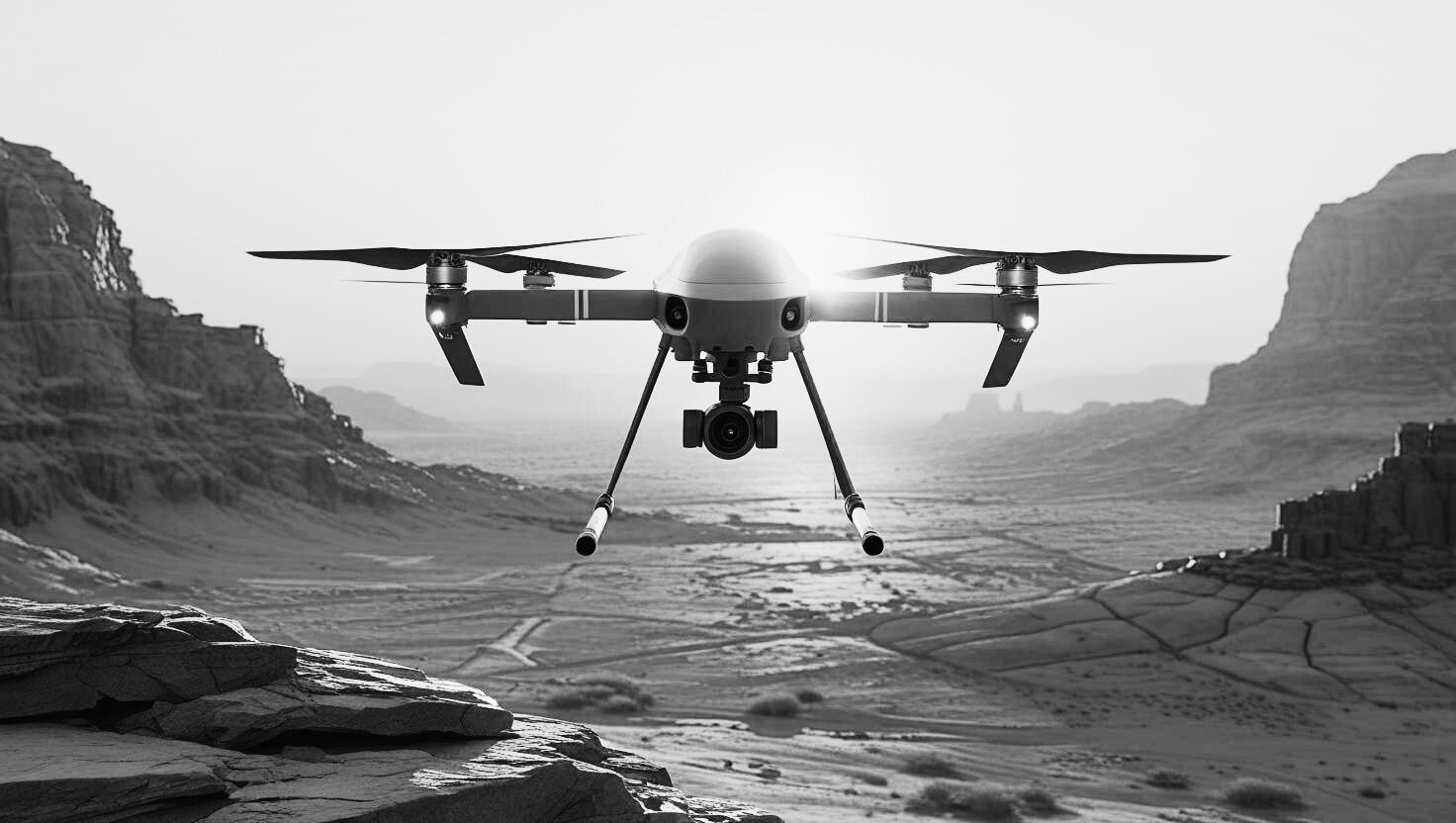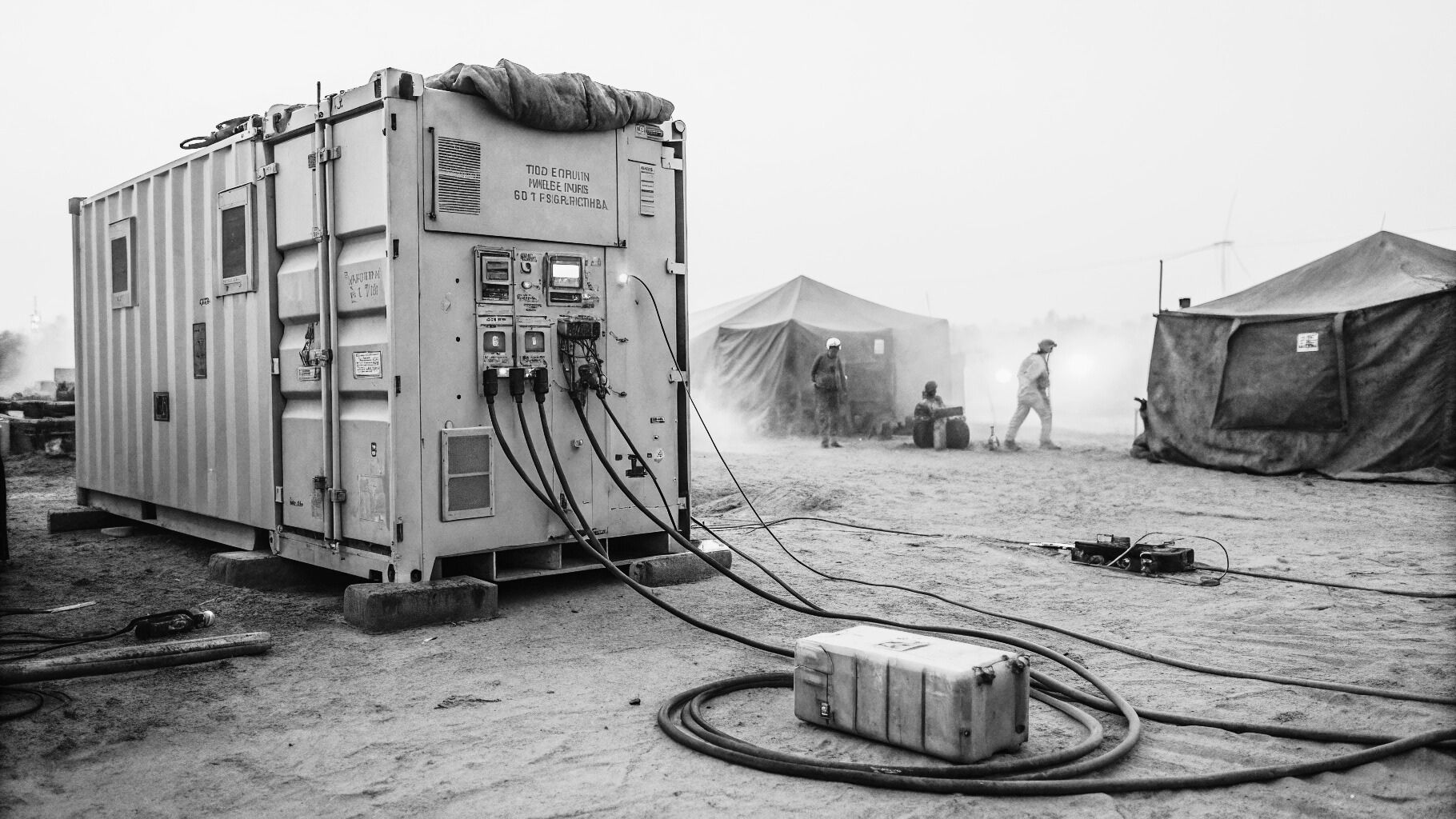

Honeywell has entered into a strategic partnership with Odys Aviation to develop an airborne counter-drone capability designed to extend defensive coverage for critical infrastructure and high-value assets beyond conventional ground-based systems. The solution integrates Honeywell Aerospace’s Stationary and Mobile UAS Reveal and Intercept (SAMURAI) platform with Odys Aviation’s Laila hybrid-electric vertical take-off and landing (VTOL) aircraft.
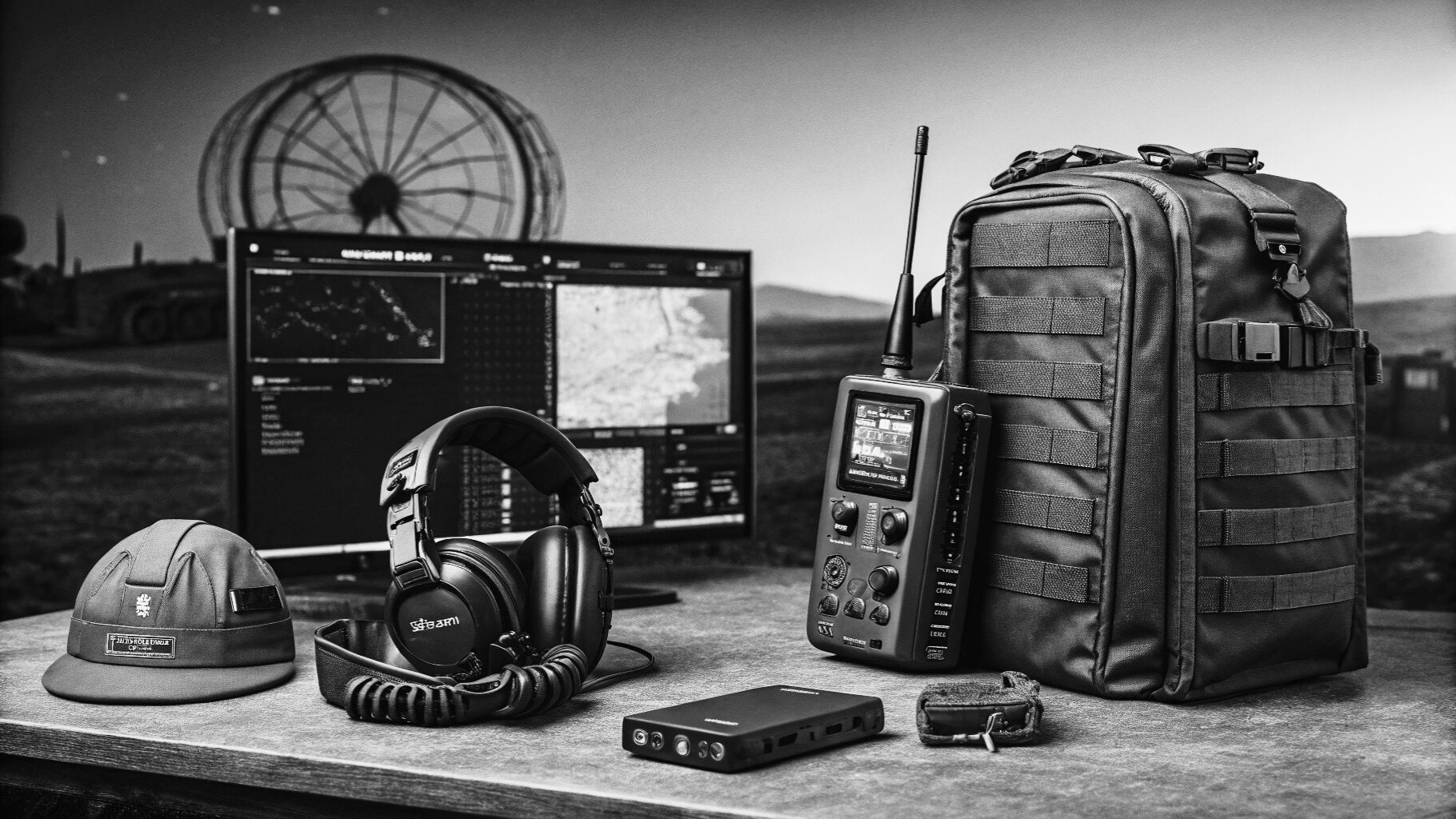
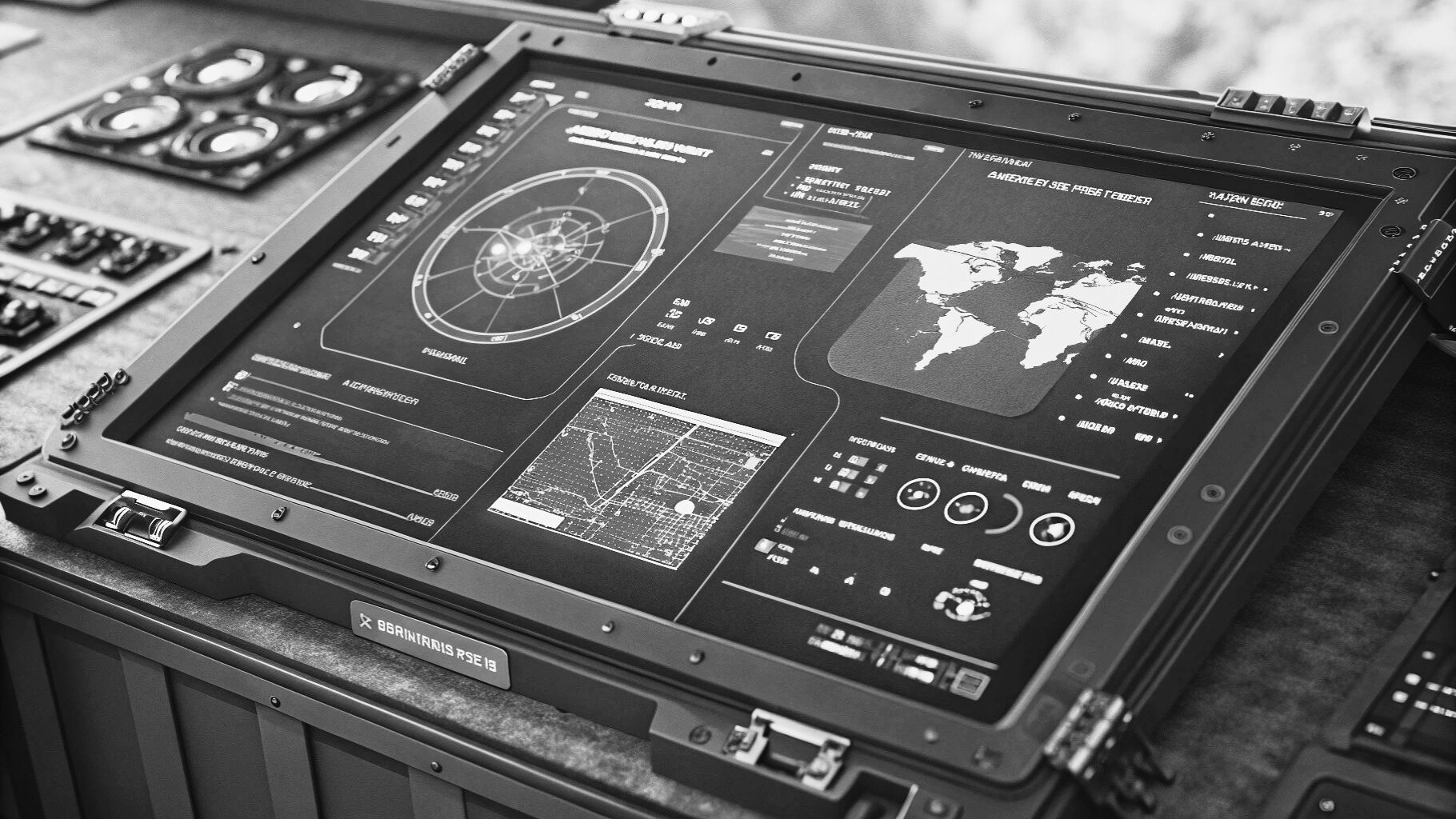
Over a year of engineering and integration efforts have been dedicated to adapting the SAMURAI system for airborne deployment, effectively introducing an intermediate defensive layer between ground-based sensors and missile defense systems. SAMURAI is a modular counter-UAS architecture capable of detecting, identifying, tracking, and neutralizing drones through a layered combination of sensors, beyond-visual-line-of-sight communications, command-and-control systems, and both electronic and kinetic countermeasures.
The system integrates radio-frequency detection with electro-optical sensing and can deploy interceptor drones to counter swarm threats. According to Honeywell Aerospace President of Defense and Space, Matt Milas, SAMURAI offers reliable, scalable counter-UAS capabilities with seamless integration into existing defense networks.
Originally designed to safeguard US Air Force convoys transporting sensitive assets, SAMURAI enables threat detection at extended ranges and rapid countermeasure deployment without requiring operational pauses. The system also leverages artificial intelligence to improve threat identification and decision-making, including distinguishing drones from background clutter.
The integration of SAMURAI with the Laila VTOL platform significantly enhances operational reach, enabling airborne coverage over expansive and remote areas. Powered by a hybrid propulsion system compatible with Jet A, Jet A-1, and JP-8 fuels, the Laila aircraft can remain airborne for up to eight hours with a range of approximately 450 miles (724 kilometers). Its design eliminates dependence on dedicated charging infrastructure, allowing rapid deployment in remote, expeditionary, and offshore environments.