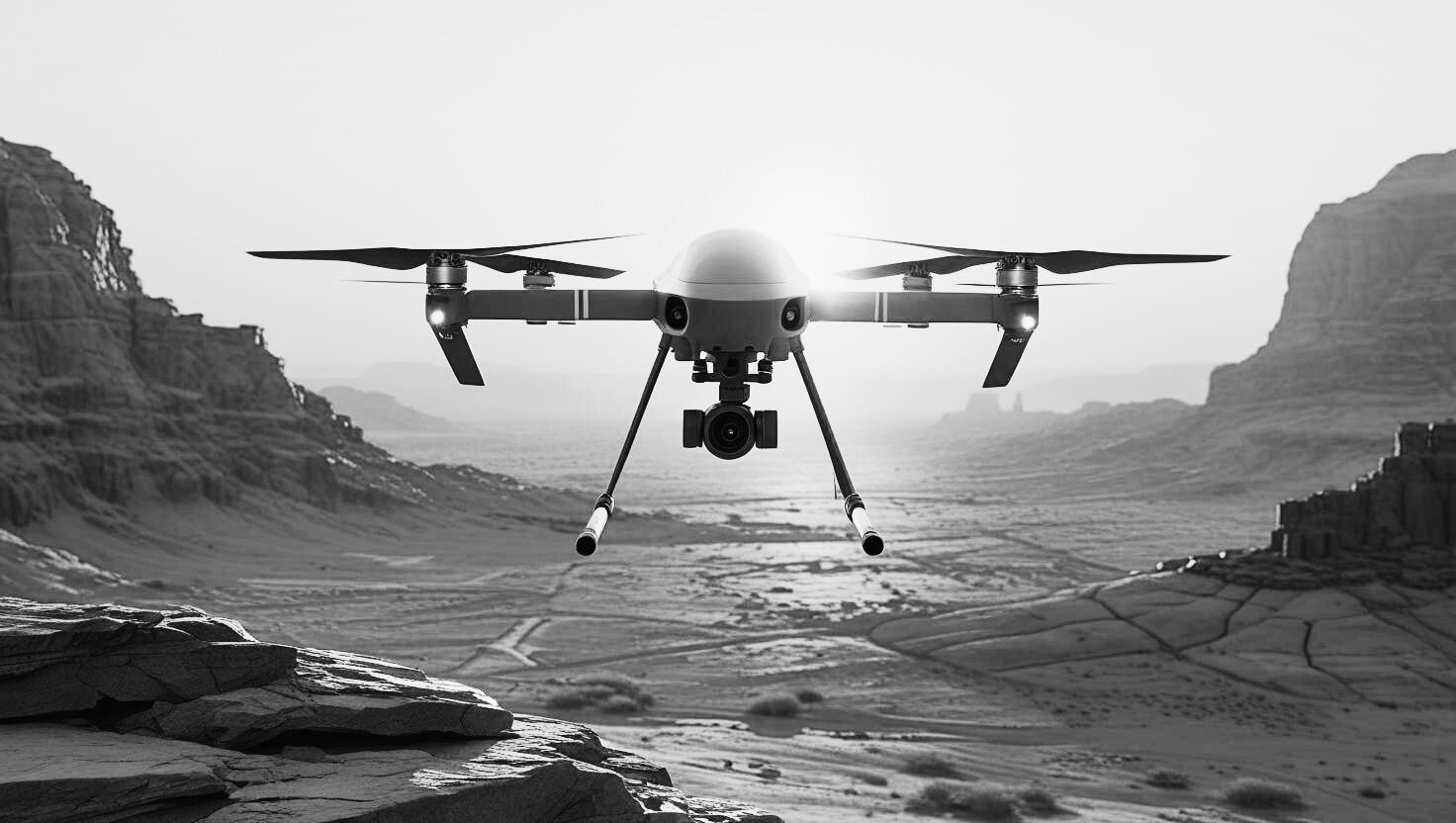
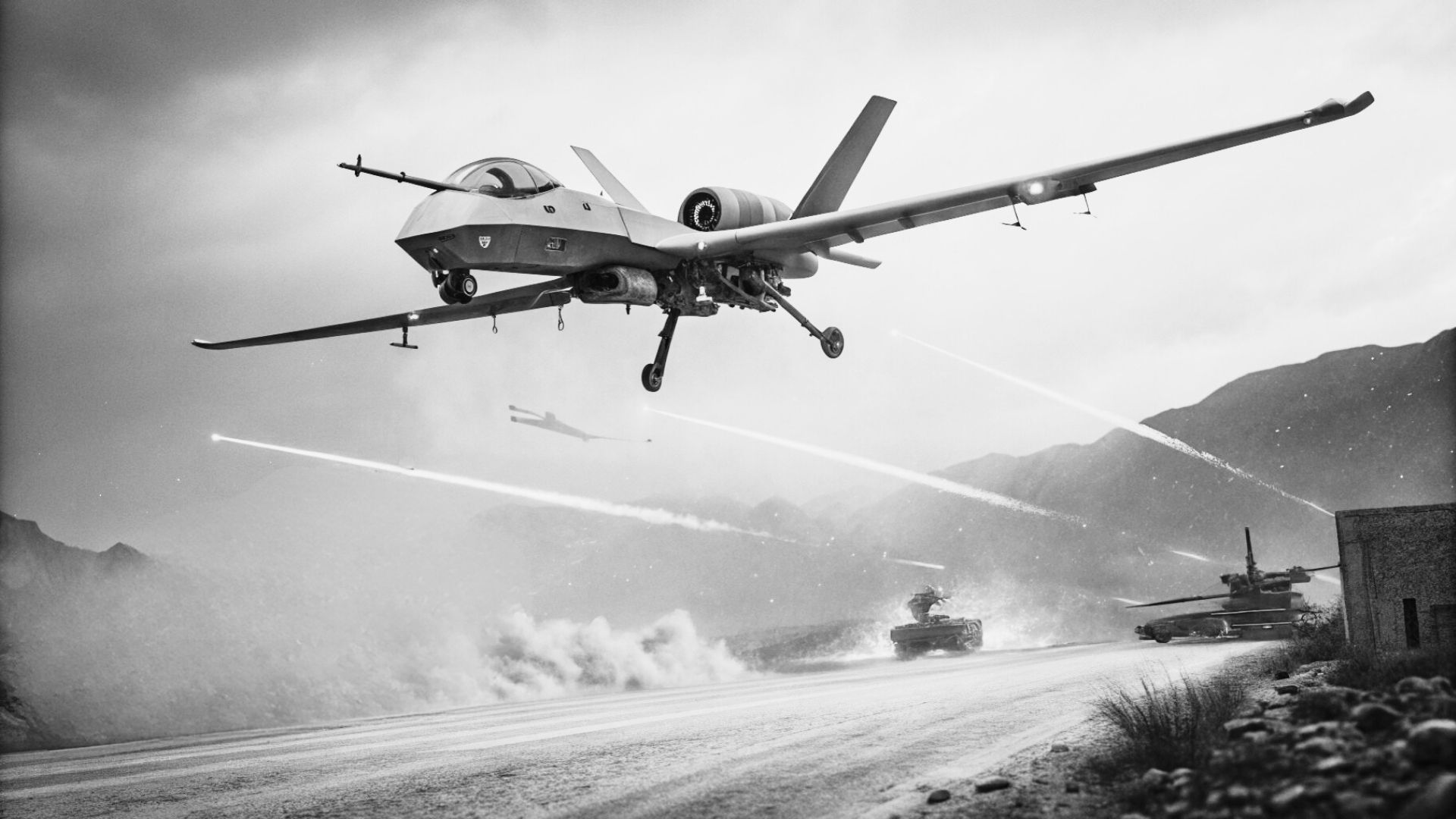
India is advancing its autonomous strike capabilities through a joint effort between CSIR-National Aerospace Laboratories and Solar Defence & Aerospace Limited to develop a 150-kg class loitering munition UAV for deep-strike operations.
Established in November 2025, the collaboration focuses on converting the design into a deployable system, with prototype trials planned from 2028 onward. The project highlights India’s push toward self-reliant, long-range unmanned strike platforms.
The UAV is envisioned as a “kamikaze” drone capable of striking critical targets at long distances, with an estimated range of 900 kilometers and endurance of up to 9 hours. It will carry a 15-kg explosive payload designed to neutralize key assets such as air defense nodes, radar systems, and command infrastructure.
At the core of the platform is a domestically developed Wankel rotary engine by NAL, offering high efficiency and lightweight performance ideal for endurance missions. The engine has been certified for flight testing by CEMILAC, marking an important milestone.
The drone is being engineered with low observability features to reduce radar detection and improve survivability in contested environments. It will also incorporate AI-driven navigation systems capable of operating without GPS, ensuring mission continuity even under electronic warfare conditions.
Equipped with advanced EO/IR sensors, the system can autonomously detect, recognize, and identify targets. Once a target is validated, the UAV can execute autonomous terminal guidance, enabling high-precision strikes while reducing dependence on continuous human control.