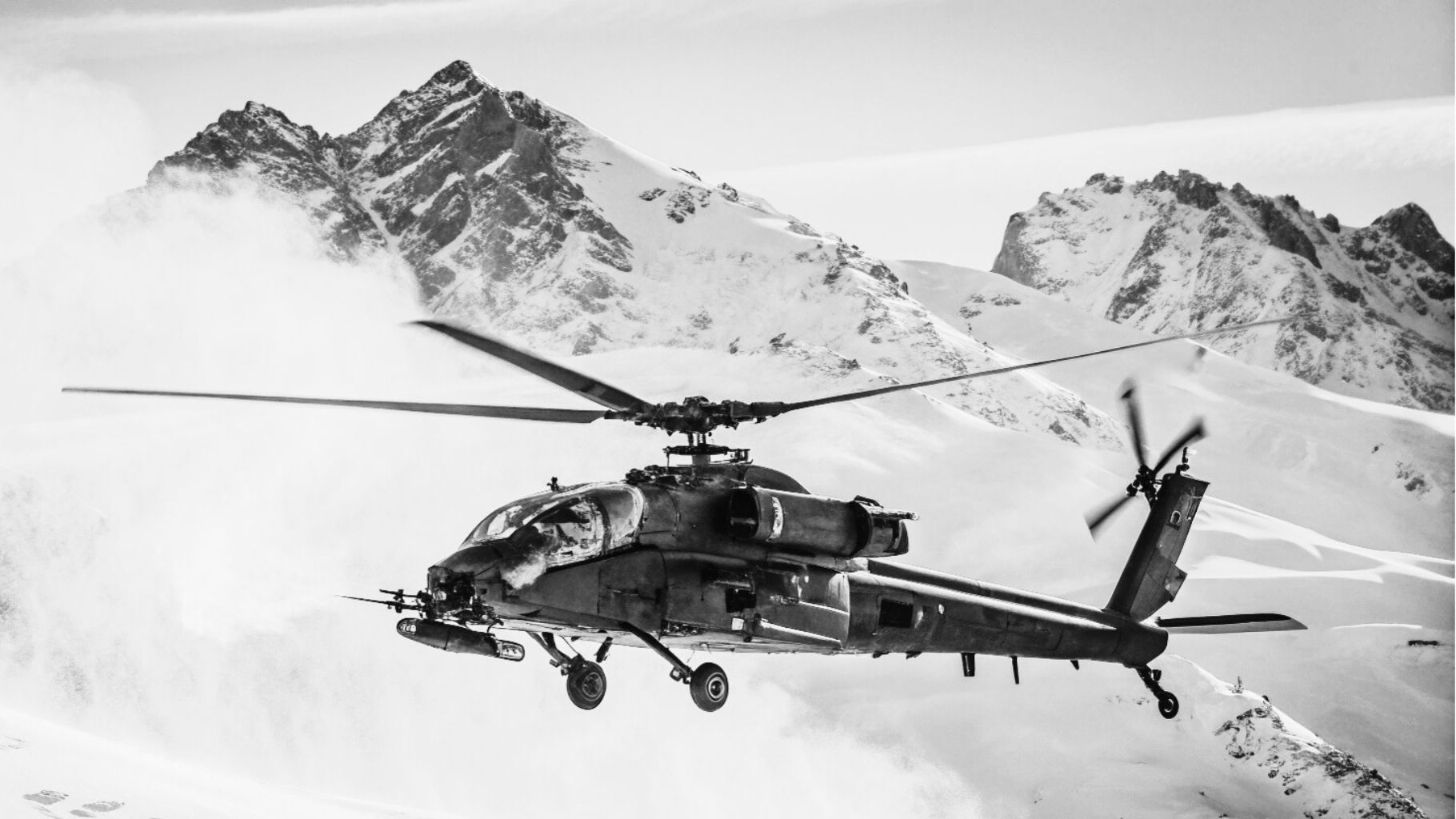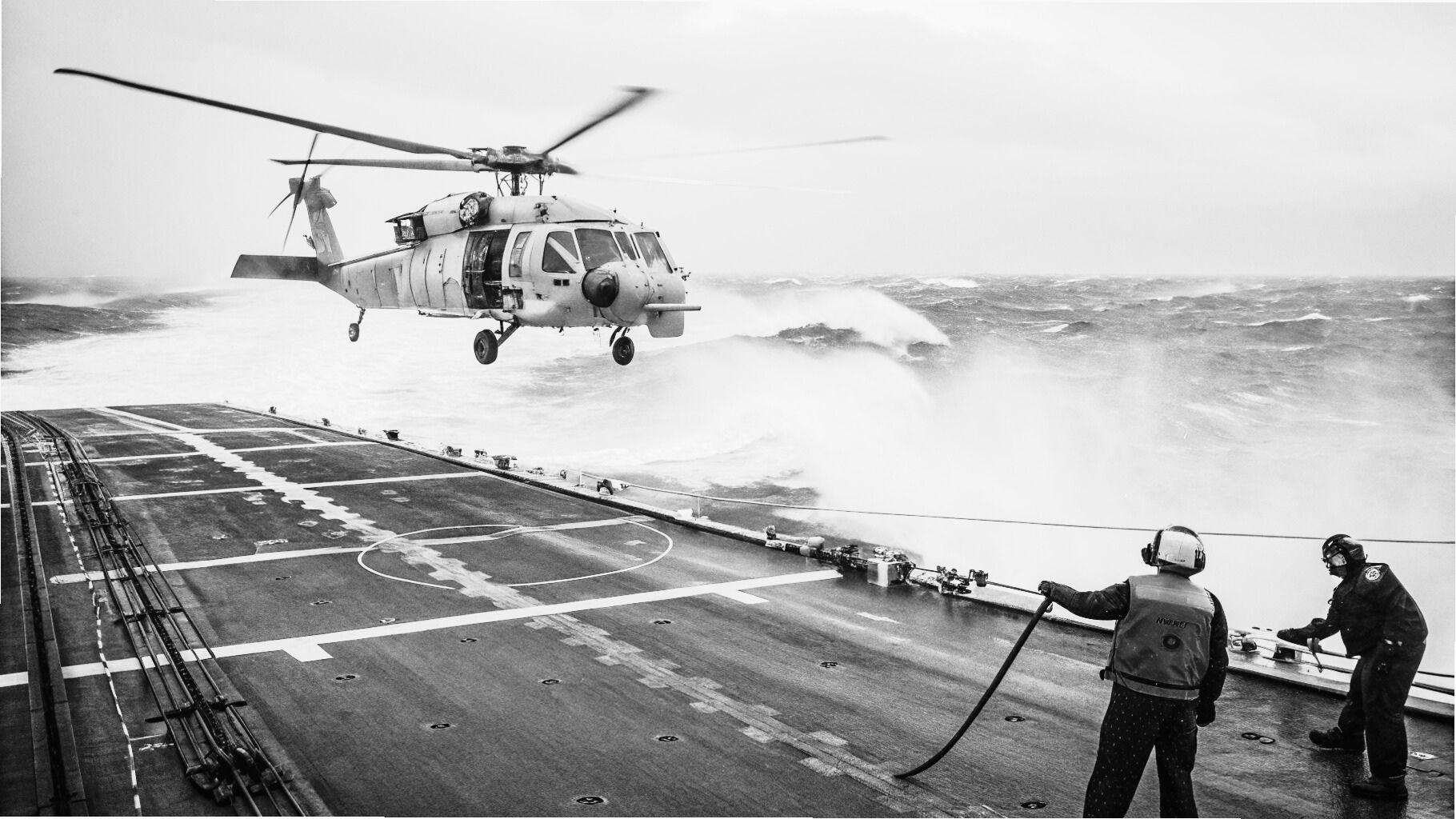
The US Army has invited industry feedback to evaluate the feasibility of commercially upgrading its UH-60M Black Hawk fleet to extend the helicopter’s operational life beyond 2050.
Under the proposed midlife modernization plan, contractors would refurbish between 12 and 24 UH-60M aircraft annually, along with an undetermined number of HH-60M medevac variants, according to a recent request for information (RFI). Each aircraft would be completely disassembled for comprehensive inspection. Any damaged or worn structural components would be repaired or replaced, while corrosion and fatigue issues would be mitigated through corrective and preventive measures.
Managed by the US Army’s Utility Helicopters Project Office (UHPO), the initiative is intended to expand industrial sustainment capacity for airframe and component repairs, ensuring fleet readiness as the Black Hawk force continues to mature.
The Army currently fields more than 2,000 UH-60Ms, in service since 2006, and is negotiating with Sikorsky on an 11th multi-year production agreement that would continue new aircraft procurement through 2032.
Through the RFI, the service seeks to identify realistic upgrade pathways and gauge industry’s ability to execute them. Over time, the modernization framework could also be extended to other US military branches, civil government H-60 operators, and international Black Hawk users.
Black Hawk Modernization Efforts
The multi-mission helicopter is already undergoing multiple upgrades to integrate emerging technologies such as autonomy, artificial intelligence, and launch-effects capability.
In August, Sikorsky received a $43 million contract to modernize the airframe and fuel systems while installing a digital backbone to support uncrewed aerial systems and launch-effects integration. The improvements are designed to boost payload and range while laying the groundwork for AI-enabled flight controls and autonomous operations.
Earlier efforts included the rollout of the Upturned Exhaust System II kit, enhancing infrared suppression, lowering weight, and improving reliability and maintainability.
In October, Sikorsky revealed a fully autonomous Black Hawk variant featuring its third-generation fly-by-wire controls combined with MATRIX autonomy technology. Designed for logistics resupply, drone deployment, and long-endurance missions, the uncrewed model aims to reduce pilot workload, enhance safety, and enable operations in contested environments.
For launch-effects integration, the Black Hawk conducted its first flight test in 2023 with the Altius 700 air vehicle developed by Anduril, successfully validating performance throughout all phases of flight.