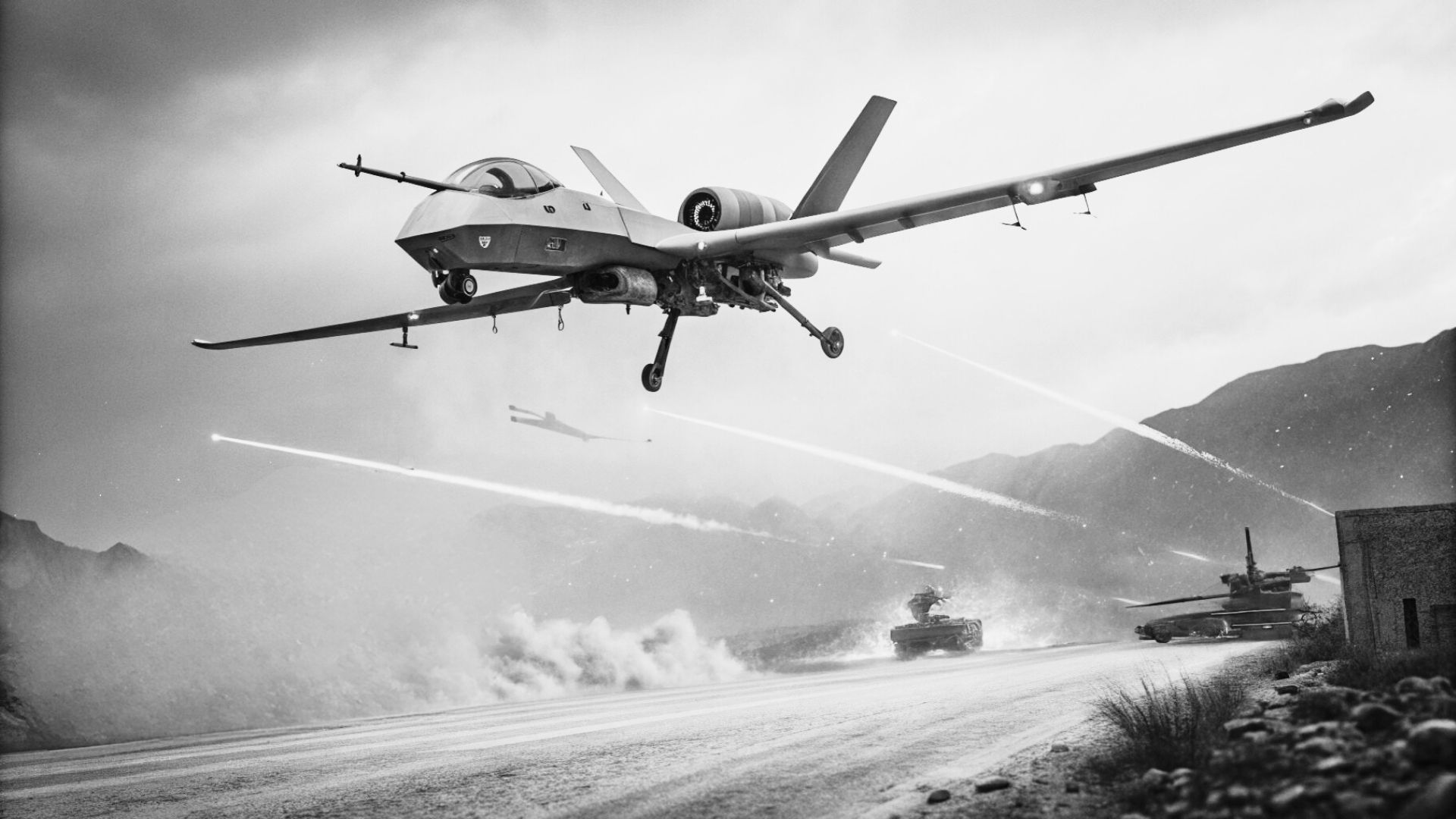

The Joint Interagency Task Force 401 (JIATF-401) and the Federal Aviation Administration (FAA) have carried out a high-energy laser test aimed at improving counter-drone capabilities while ensuring the safety of civilian airspace.
The joint effort between the United States Department of Defense and the FAA seeks to assess how counter-unmanned aerial systems can operate within US national airspace without affecting commercial aviation. The trial took place at the White Sands Missile Range, where researchers studied the effects of high-energy laser beams on specially designed targets that simulate aircraft structures.
Engineers also tested automated safety mechanisms capable of shutting down the system if unsafe conditions arise, while collecting additional data on potential visual risks to pilots and aircrew. Officials said the test forms part of decades of directed-energy experimentation conducted by the US military, with insights from earlier trials helping refine system performance and coordination with aviation regulators.
Boosting Counter-Drone Capabilities
The US is intensifying the testing and deployment of technologies designed to counter the growing threat posed by drones. In February, the United States Army conducted a live-fire demonstration involving an Boeing AH-64 Apache attack helicopter firing the XM1225 Aviation Proximity Explosive round.
During the exercise, the helicopter used the 30×113 mm XM1225 proximity-fused munition to engage aerial targets at varying distances, showcasing its potential in rotary-wing counter-UAS operations.
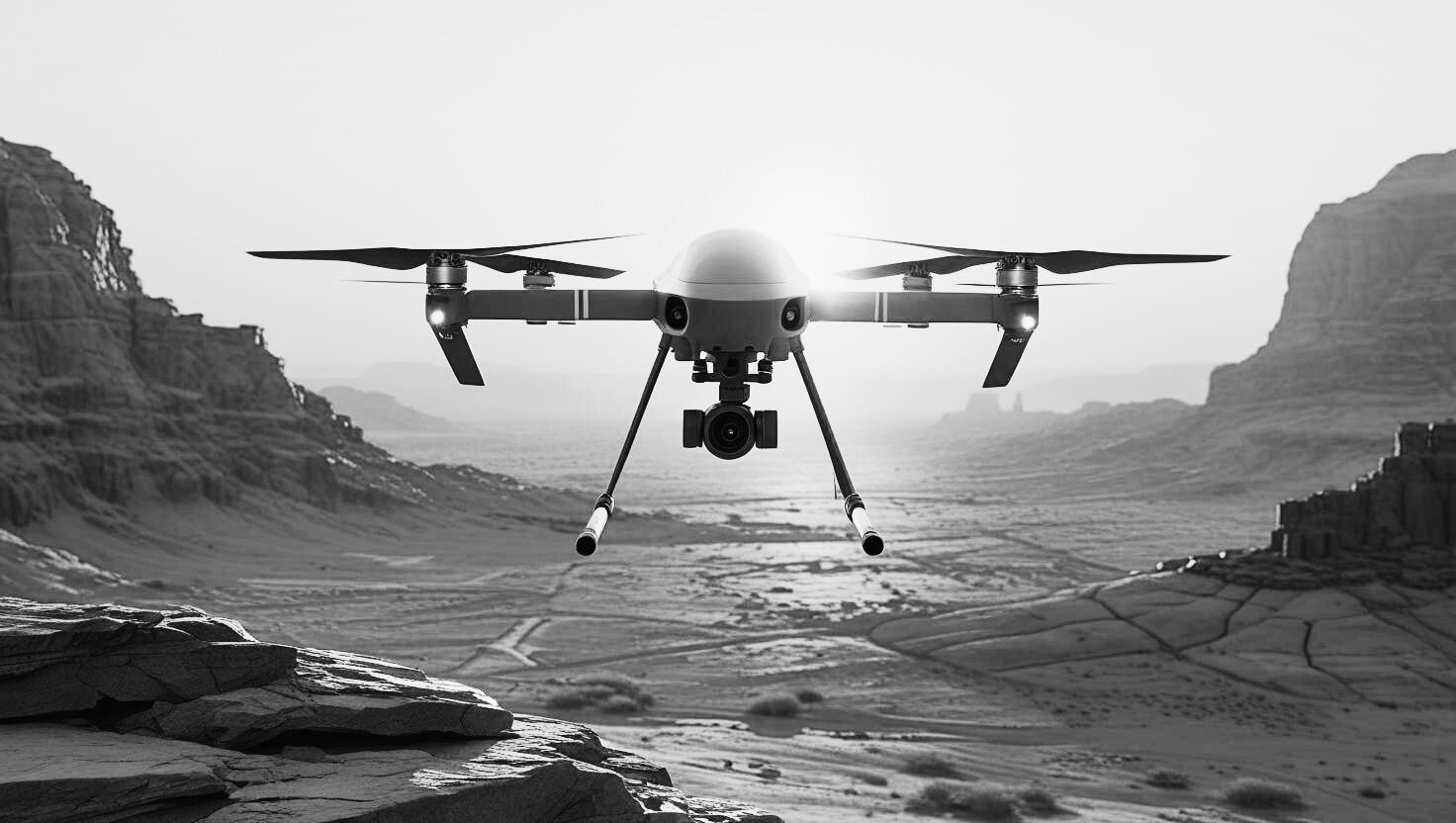
Separately, Parsons Corporation earlier announced the deployment of its DroneArmor system to support US missions along the southern border. The platform combines artificial intelligence, machine learning, and multiple sensors within a modular framework to detect, track, and neutralize unauthorized drones that may threaten personnel or critical infrastructure.