Lockheed Martin and the US Department of Defense have reached an agreement to significantly expand production of Terminal High Altitude Area Defense (THAAD) interceptors in response to rising global demand for missile defence capabilities.
Under a new framework arrangement, annual THAAD interceptor output will increase from 96 to as many as 400 units, representing a more than fourfold surge over the coming years as part of broader efforts to strengthen US and allied air and missile defence networks.
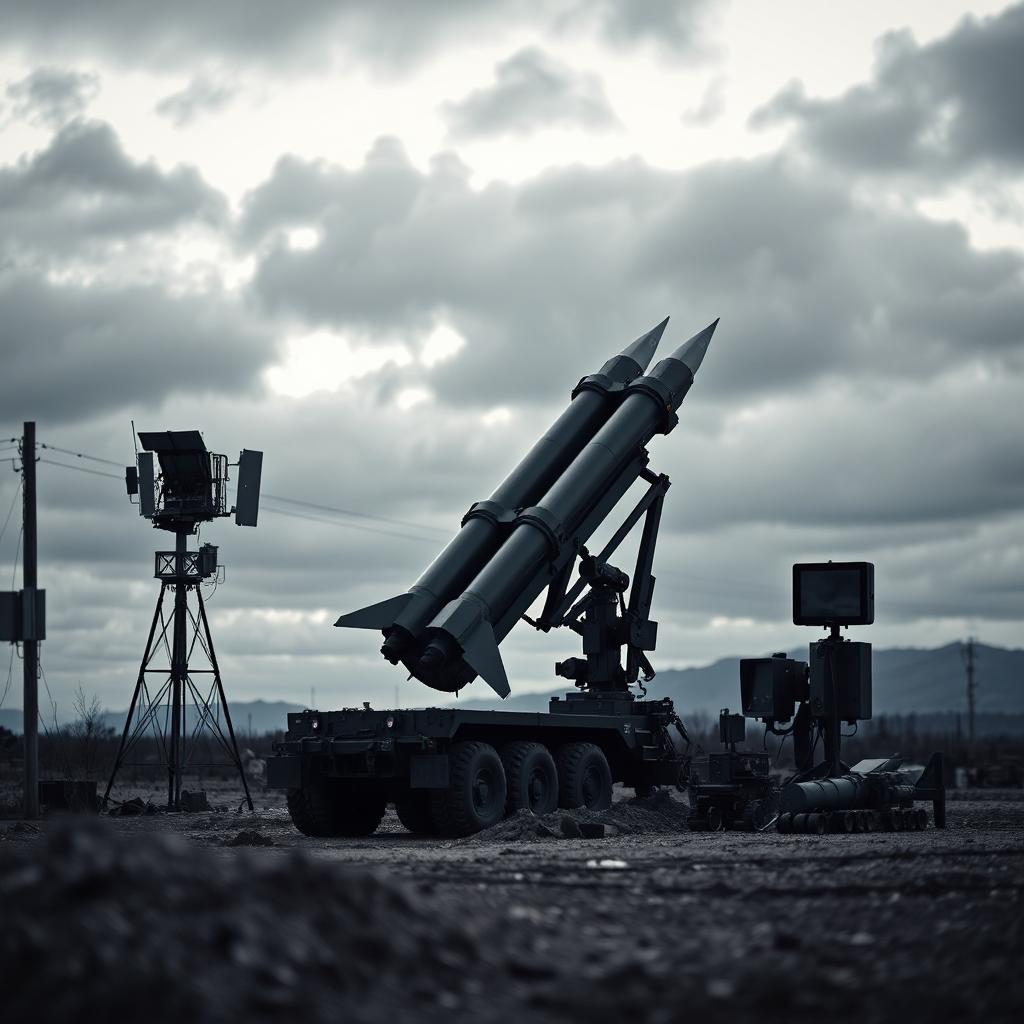
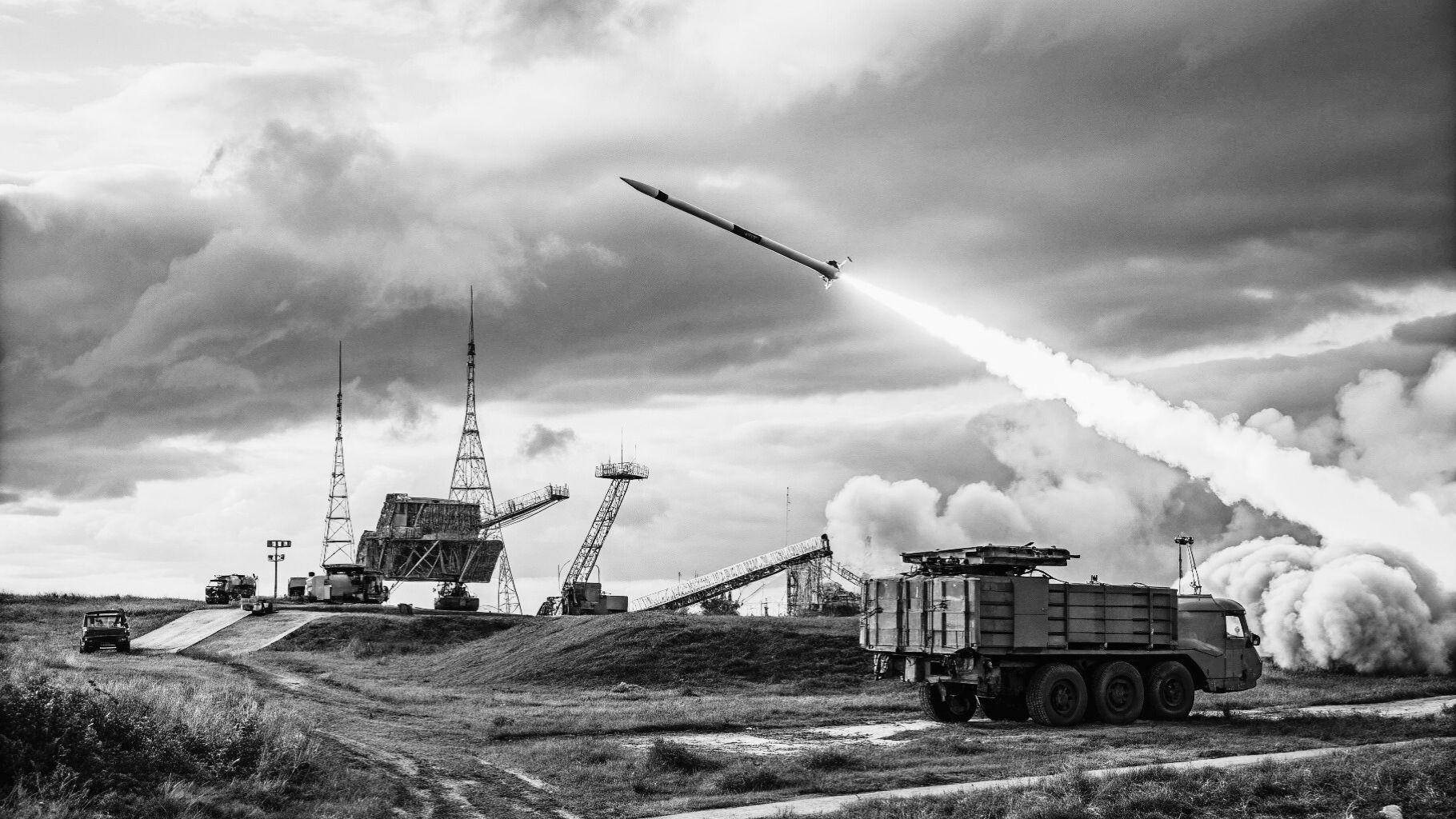
THAAD is a land-based missile defence system designed to intercept short-, medium-, and intermediate-range ballistic missiles during their terminal phase, destroying threats before impact.
The interceptor relies on hit-to-kill technology, eliminating incoming missiles through direct high-speed collision, and operates as part of a layered defence architecture alongside systems such as the Patriot PAC-3, which covers lower-altitude engagements.
To support higher production rates, Lockheed Martin will build a new Munitions Acceleration Center in Camden, Arkansas. The facility will modernise manufacturing by incorporating robotics and digital production technologies and will support programmes including THAAD, PAC-3, and other missile systems.
According to the company, the new site will enable workforce growth and advanced manufacturing processes required to sustain increased output.
Lockheed Martin plans to invest multiple billions of dollars over the next three years to expand or upgrade more than 20 facilities across Arkansas, Alabama, Florida, Massachusetts, and Texas.
The company reports that since 2016 it has increased deliveries of six priority munitions by more than 220 percent and expects production growth to continue through 2030.
In recent years, Lockheed Martin has secured a series of high-value US defence contracts spanning aircraft, missile systems, space, and naval programmes.
Notably, in September 2025 the US Army awarded Lockheed Martin a $9.8-billion contract for 1,970 PAC-3 Missile Segment Enhancement interceptors — the largest Patriot missile order in the company’s history.
A separate agreement signed in January 2026 aims to boost annual PAC-3 MSE production from roughly 600 units to 2,000 over a seven-year period.
In addition, Lockheed Martin Space received a $647-million contract modification in October last year for Trident II missile production and deployed systems support, with options that could raise the total value to approximately $746 million by programme completion in 2030.