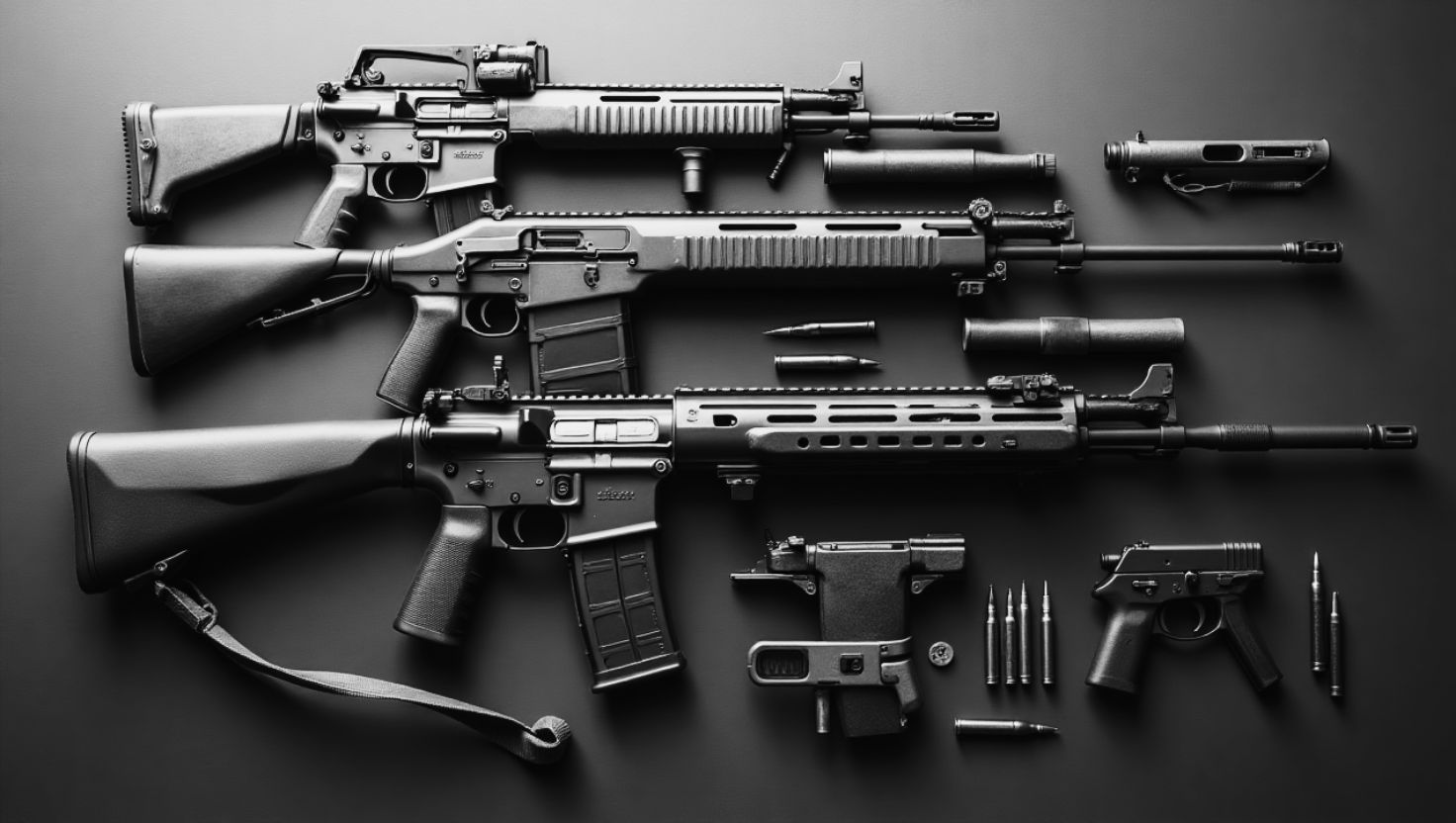
Modern conflicts do more than test military power—they accelerate innovation, generate operational knowledge, and push nations to rapidly field new capabilities. They also provide a critical proving ground for domestic defence industries. Against this backdrop, SSS Defence has unveiled the T-12 Counter-Unmanned Aerial System (CUAS) kinetic kill suite, a fully indigenous counter-drone solution that integrates a weapon platform, advanced optics, and specialized ammunition.
The company highlights that the T-12 is a product of Indian design and engineering rather than a system derived from foreign platforms. Unlike many solutions assembled from imported components, the system has been developed domestically to counter the rapidly growing threat posed by small unmanned aerial systems in modern combat.
Demonstration footage released by SSS Defence shows a drone being successfully neutralized at a distance of 90 meters using the T-12’s kinetic kill configuration. In counter-UAS operations, particularly against small quadcopters or tactical drones flying at low altitude, engagements often occur at close range and with minimal reaction time.
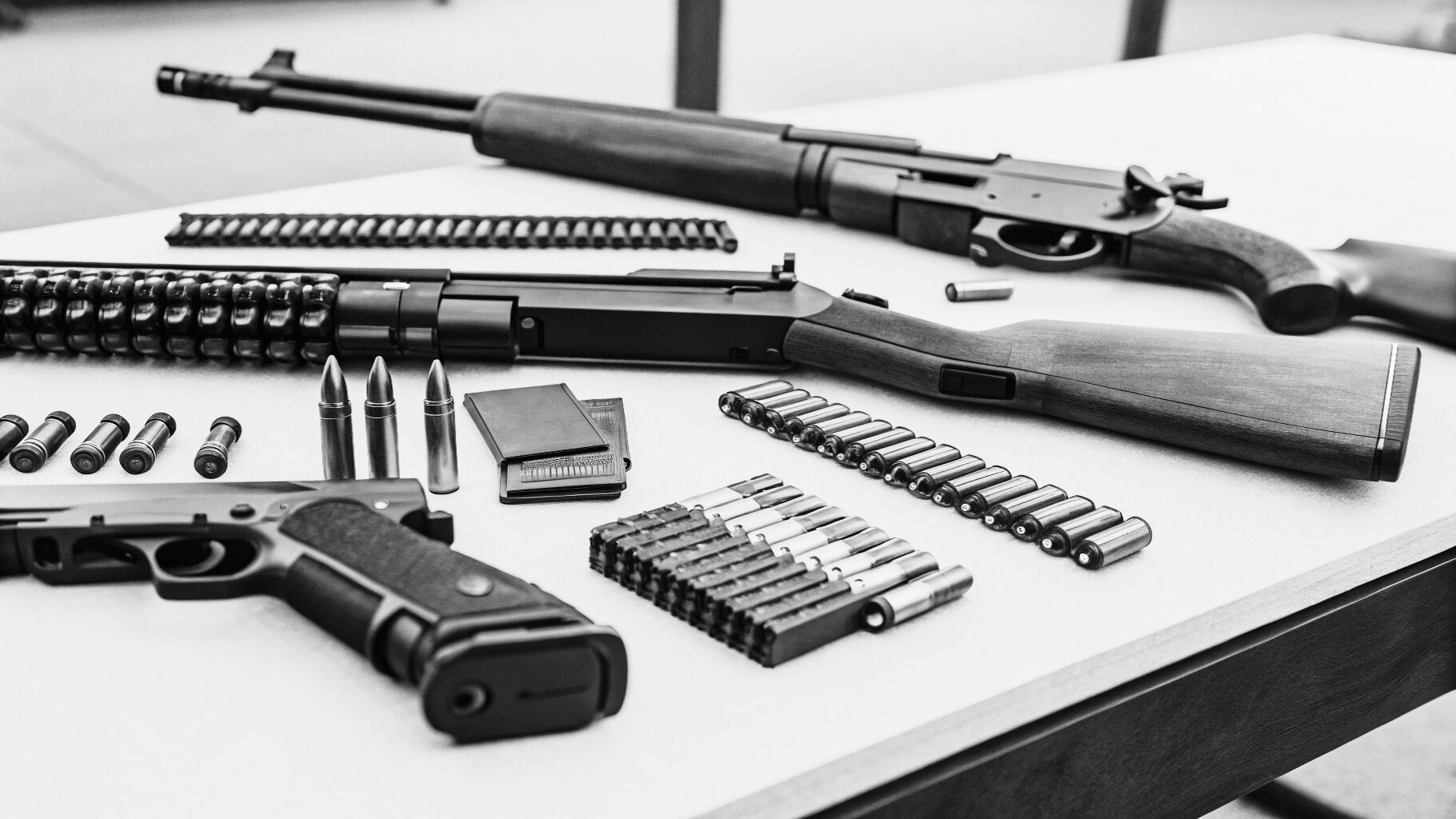
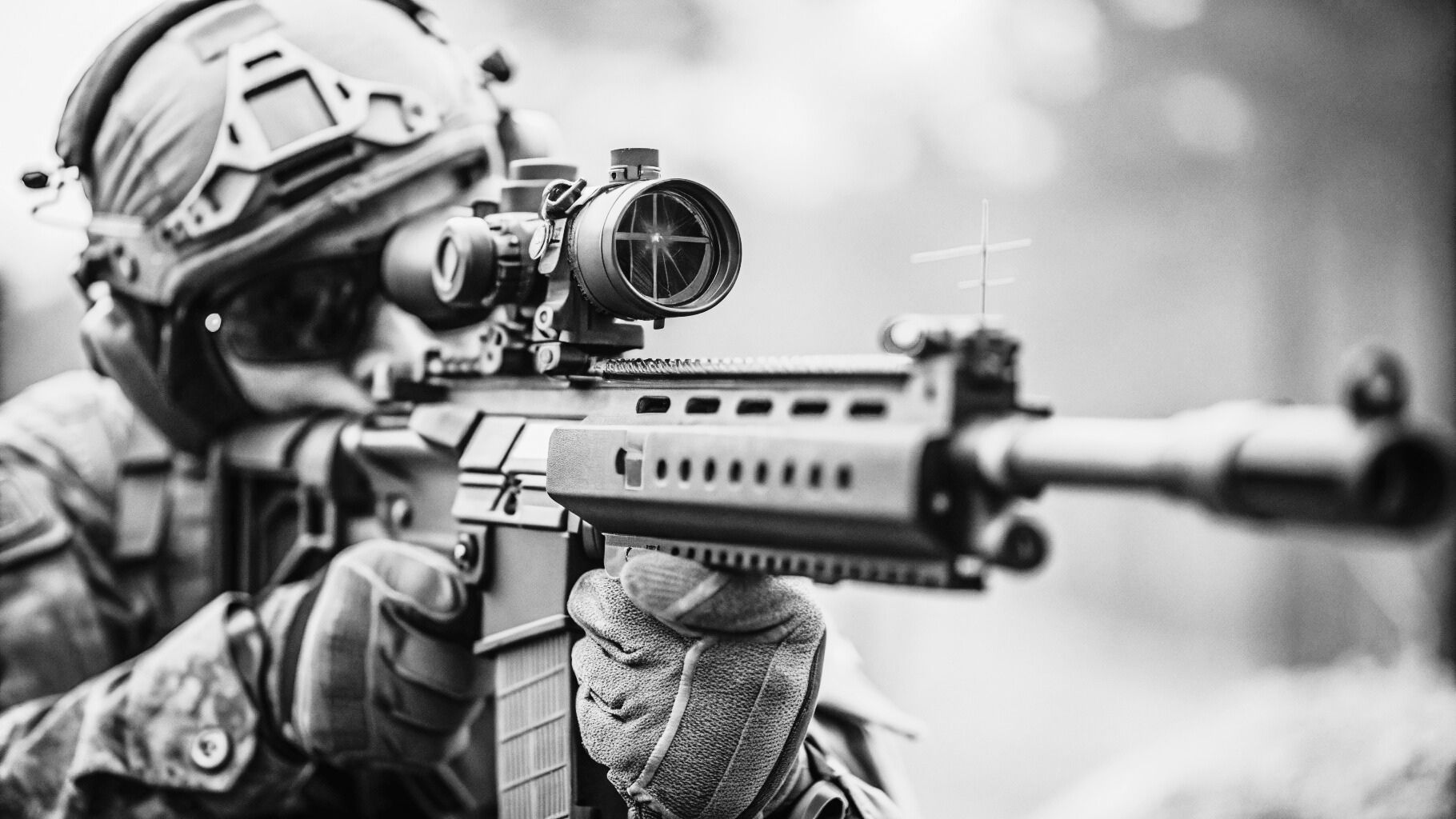
The T-12 combines a man-portable weapon with dedicated optics optimized for rapid target tracking and ammunition specifically designed for counter-drone use. Unlike electronic warfare solutions that disrupt communications through jamming, kinetic systems physically destroy the target drone, ensuring immediate threat elimination.
This approach becomes particularly important when drones operate autonomously, follow pre-programmed flight paths, or incorporate resistance to electronic jamming. In such scenarios, kinetic interception remains one of the most reliable and decisive methods of neutralizing hostile UAVs.
Within defence circles, however, kinetic counter-drone systems are sometimes debated. Critics point out that no kinetic engagement guarantees complete success and that engaging drones at close range exposes soldiers to danger. Yet this concern reflects the harsh realities of modern combat.
For troops deployed on the front line, especially in high-intensity conflict zones, a descending hostile drone can present an immediate life-threatening situation. In such moments, shooting down the drone may be the only viable option to prevent serious damage or casualties. Counter-drone combat at close distances is therefore less about technological elegance and more about battlefield survival.
The T-12 CUAS suite is designed to address this last-line defensive requirement. Being man-portable, it can be issued at the section or platoon level, allowing frontline soldiers to respond directly to drone threats. In fast-paced combat environments where drones operate close to the ground and within short engagement windows, layered air defence systems may not always be immediately available.
Recent conflicts have highlighted how critical such decentralized counter-drone capabilities have become. In Ukraine, soldiers have widely adopted kinetic CUAS systems, reflecting how modern battlefields have adapted to the growing presence of small UAVs.
The fighting in Eastern Europe has demonstrated that drones are no longer auxiliary surveillance tools but core tactical assets used for reconnaissance, target designation, and even direct attack missions. In response, Ukrainian units have developed strong counter-drone skills at the small-unit level, including rapid kinetic engagement drills.
Their experience reinforces the idea that counter-UAS capabilities must be widely distributed among frontline troops rather than concentrated only within specialized air-defence units. The T-12 system aligns with this evolving doctrine by providing soldiers with a direct, portable counter-drone capability.
Beyond its tactical significance, the T-12 CUAS kinetic kill suite also reflects the broader progress of India’s domestic defence ecosystem. The indigenous development of weapons, optics, and ammunition demonstrates increasing industrial maturity and technological capability within the country.
Self-reliance in defence manufacturing is not merely about reducing foreign dependence—it also enables faster innovation cycles. As drone threats evolve quickly, local defence companies can adapt designs and implement improvements far more rapidly than traditional import-based procurement frameworks.
In this sense, the T-12 program highlights how private-sector innovation can complement military operational needs. It also emphasizes the importance of stronger collaboration between frontline soldiers and defence manufacturers to ensure that future systems evolve in line with real battlefield experience.