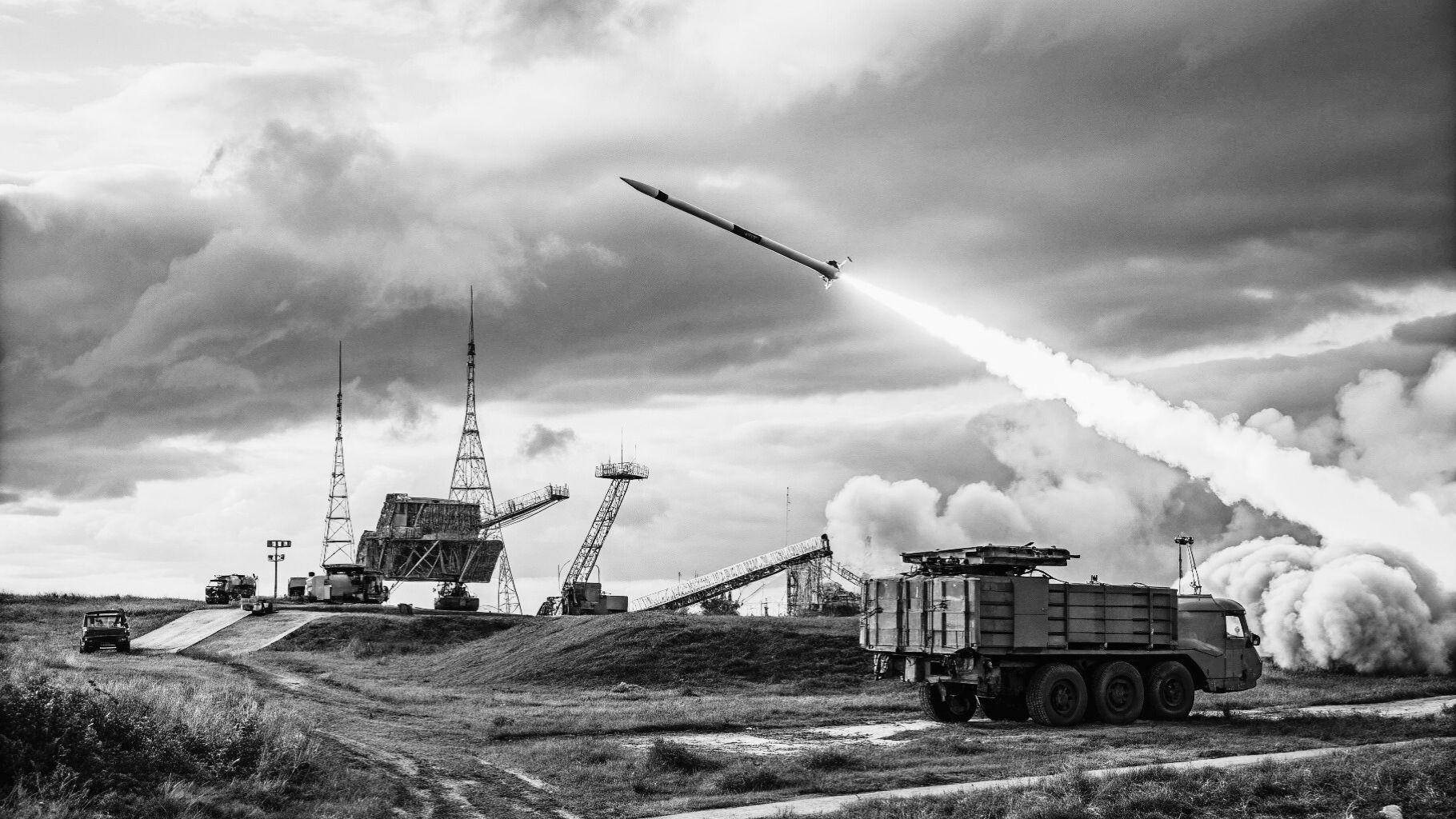
The U.S. Marine Corps has successfully conducted a low-altitude test firing of the Red Wolf launched-effects vehicle from an AH-1Z Viper helicopter over the Atlantic Test Range, according to L3Harris Technologies. The trial highlights the Pentagon’s increasing focus on fielding affordable, networked long-range strike capabilities designed to complicate adversary defences without exclusive reliance on expensive cruise missiles.
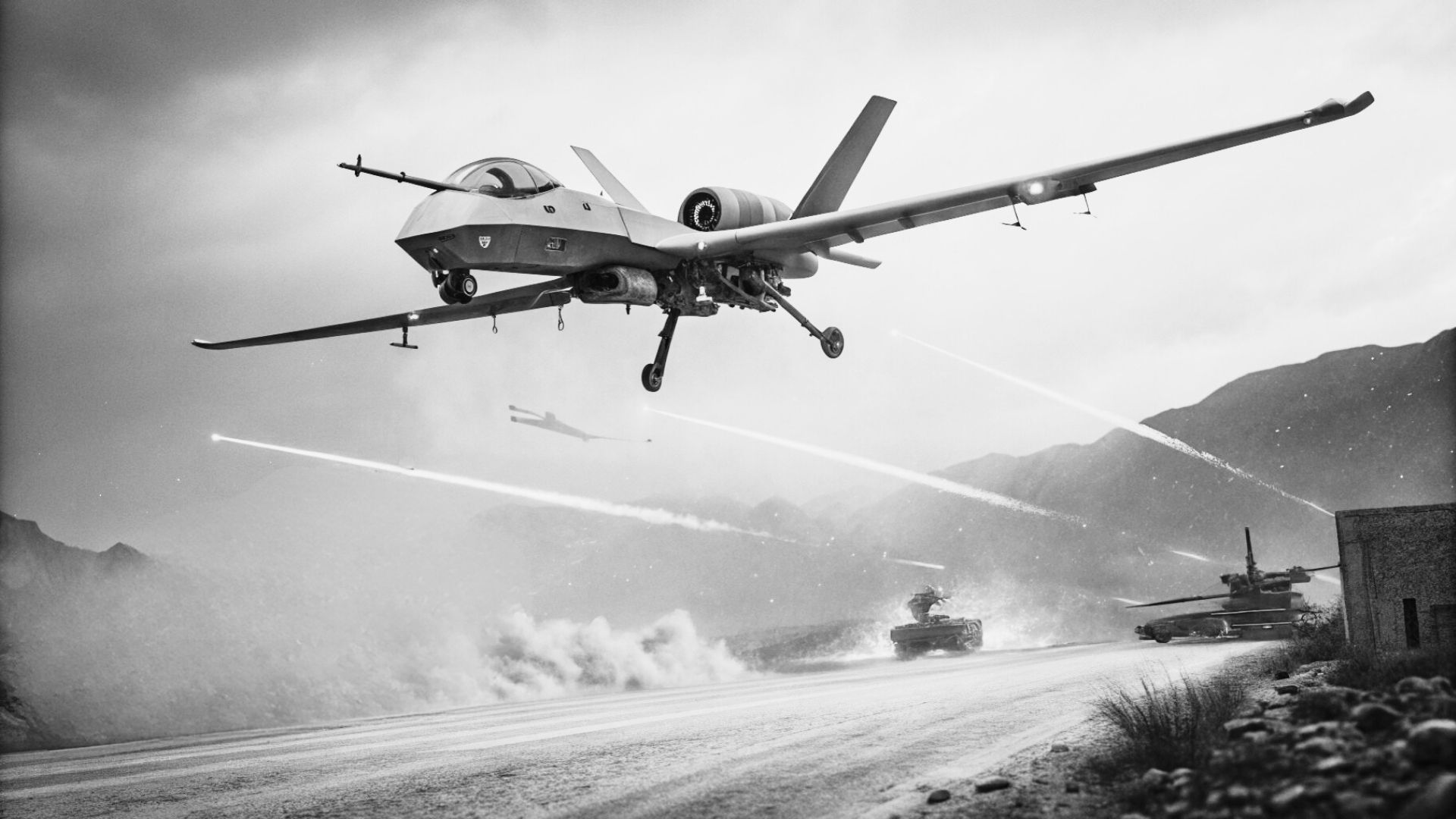
L3Harris stated that the Marine Corps carried out a live-fire demonstration as part of its Long Range Attack Missile (LRAM) initiative, with Red Wolf engaging a maritime target after launch from an AH-1Z at low altitude. The event aligns with broader U.S. efforts to achieve “affordable mass” by deploying large numbers of comparatively low-cost, precision weapons that can operate cooperatively alongside high-end munitions. The demonstration is significant in that it showed an attack helicopter launching a long-range, mini–cruise missile–class weapon while remaining below the radar horizon, with Red Wolf functioning not only as a strike asset but also as a node within a distributed targeting network. For the Marine Corps and the wider joint force, the test represents a tangible step toward more resilient and cost-effective stand-off maritime strike and distributed operations in high-intensity conflict scenarios.
Red Wolf is a central element of L3Harris’ “wolf pack” family of launched-effects vehicles, which also includes the Green Wolf electronic warfare variant. The concept is built around modular, networked munitions capable of being launched from air, land, or maritime platforms and cooperating in flight to sense, jam, deceive, and strike targets across multiple domains. As the kinetic member of the family, Red Wolf is a high-subsonic, long-range precision weapon with a reported range exceeding 200 nautical miles, and in some profiles extending to approximately 375 km. Its design incorporates deployable wings and control surfaces, a cruise engine for sustained flight, and a modular payload section compatible with multiple warhead and seeker options, including GPS, infrared, and radio-frequency guidance. At the software level, the system emphasises in-flight retargeting, machine-to-machine collaboration, and swarming behaviours, with optional recovery and refurbishment features intended to manage costs across the weapon’s life cycle.