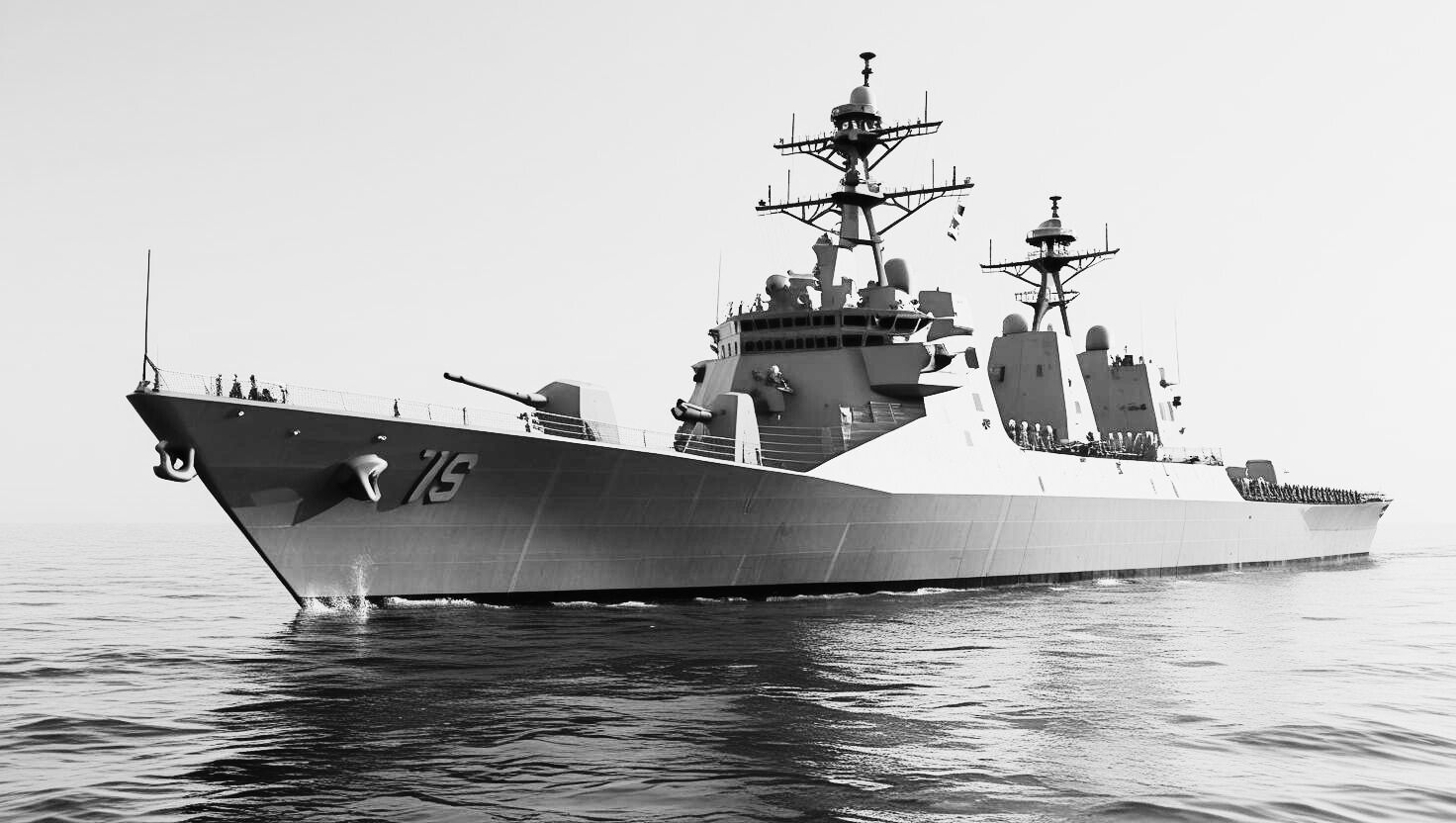

The UK Ministry of Defence has outlined plans to award MBDA UK Limited a one-year contract worth £2 million to examine whether the Aster missile family can be integrated with the US-built Mk41 Vertical Launching System. The study could influence future Royal Navy warship design choices and improve interoperability with allied navies that already operate the Mk41 architecture.
According to UK government documentation, the MoD intends to task MBDA UK with producing a comprehensive technical assessment on the feasibility of firing Aster missiles from the Mk41 Vertical Launching System, one of the most widely deployed naval launchers in NATO service. The proposed contract, valued at approximately £2 million and spanning 12 months, is expected to be awarded under Section 41 of the Procurement Act 2023, citing the highly specialized and proprietary nature of both the missile and launcher technologies as justification for a single-supplier approach.
The initiative reflects a broader push within the Royal Navy to rationalize missile launcher solutions across its surface fleet. At the center of this effort is the Mk41 VLS, a modular, below-deck system developed by Lockheed Martin that has become the de facto standard vertical launcher among allied navies. The Mk41 uses eight-cell modules that can be configured in different combinations, allowing ships to embark a mix of surface-to-air, land-attack, and anti-submarine weapons from a common launcher, offering significant flexibility over a platform’s service life.
In UK service, the Mk41 VLS is being introduced on the Type 26 City-class frigates, which are under construction to replace the ageing Type 23 fleet and form the backbone of the Royal Navy’s future anti-submarine warfare capability. Each Type 26 will be fitted with 24 Mk41 cells positioned forward of the superstructure, providing capacity not only for current weapons but also for future missile types beyond the Sea Ceptor air defense system. Defence planners regard these cells as a key element of the class’s long-term adaptability.
The Aster missile family, developed by MBDA through a European cooperative programme, remains the Royal Navy’s primary high-end naval air defence weapon. Featuring an active radar seeker and the distinctive PIF-PAF control system that combines aerodynamic surfaces with lateral thrust vectoring, Aster missiles are optimized to counter fast, agile threats such as supersonic anti-ship missiles and advanced aircraft. The Aster 15 provides short- to medium-range defence, while the Aster 30 delivers long-range area air defence with engagement ranges exceeding 100 km, depending on mission profile.
At present, Royal Navy Aster missiles are launched from the Sylver VLS aboard Type 45 Daring-class destroyers, which were purpose-designed around the Aster 30 and the Sampson radar to create a highly capable integrated air defence system. While Sylver is closely optimized for Aster, it lacks the multi-weapon flexibility of the Mk41 VLS, a factor increasingly relevant as allied navies converge on common launcher standards.