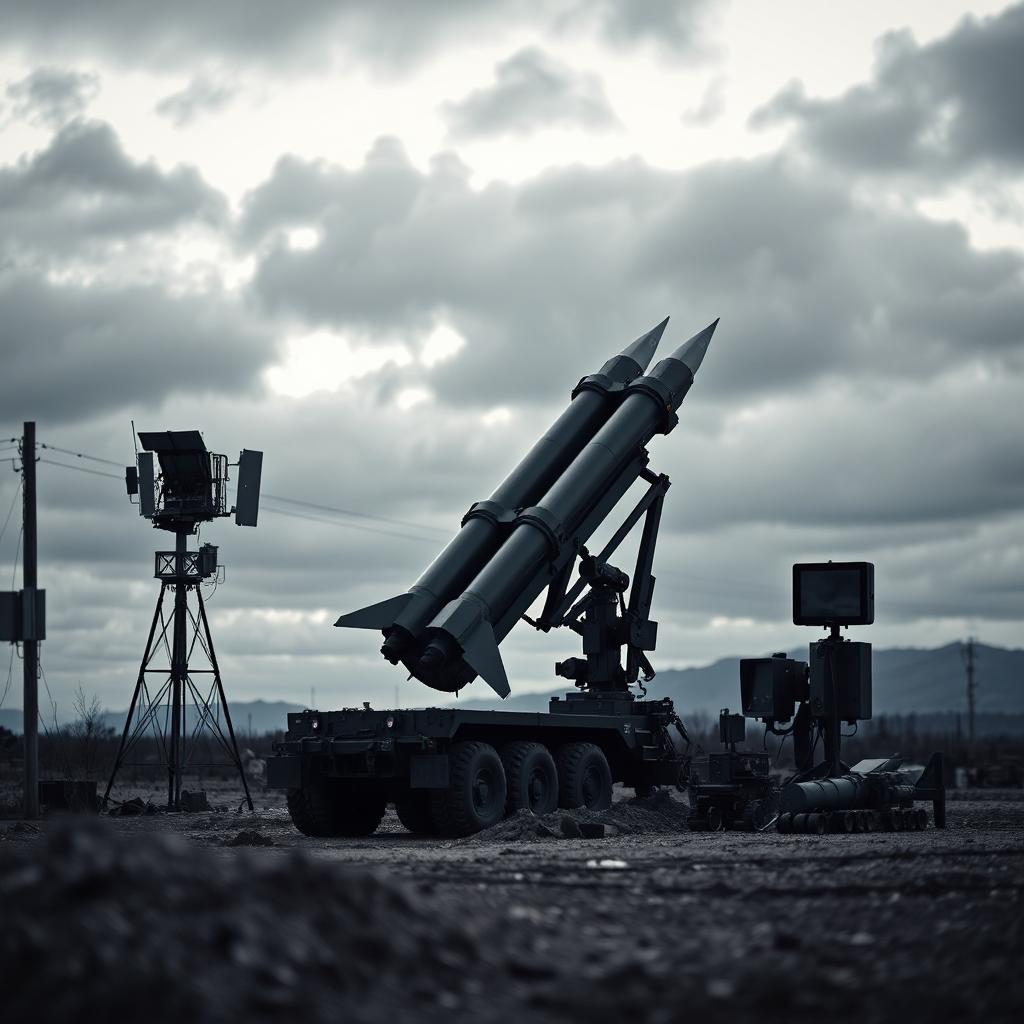
The rollout of South Korea’s Hyunmoo-5 ballistic missile marks a significant enhancement of the country’s conventional strike and deterrence posture. Featuring one of the heaviest conventional warheads in its class, the missile is intended to threaten deeply buried command centers and military infrastructure associated with North Korea’s strategic forces. Development spanned nearly a decade, with the system completed in 2023 and publicly revealed in 2024. Deployment commenced in late 2025 and will gradually expand through the end of the decade. As a cornerstone of Seoul’s three-axis defense strategy, the Hyunmoo-5 is designed to complement missile defense and retaliatory capabilities. However, experts emphasize the limits of conventional bunker-busting technology. Analyst Lee Il-woo has highlighted that many North Korean facilities are buried 100 to 150 meters underground beneath hard granite formations, conditions that severely restrict penetration effectiveness. Even the US military’s most powerful conventional penetrators have shown limits against similar targets, as demonstrated during strikes on Iranian underground sites in 2025. Given South Korea’s non-nuclear status under the NPT, its focus remains on enhancing precision, payload, and survivability of conventional systems like the Hyunmoo-5, while acknowledging that some hardened targets may remain beyond reach.