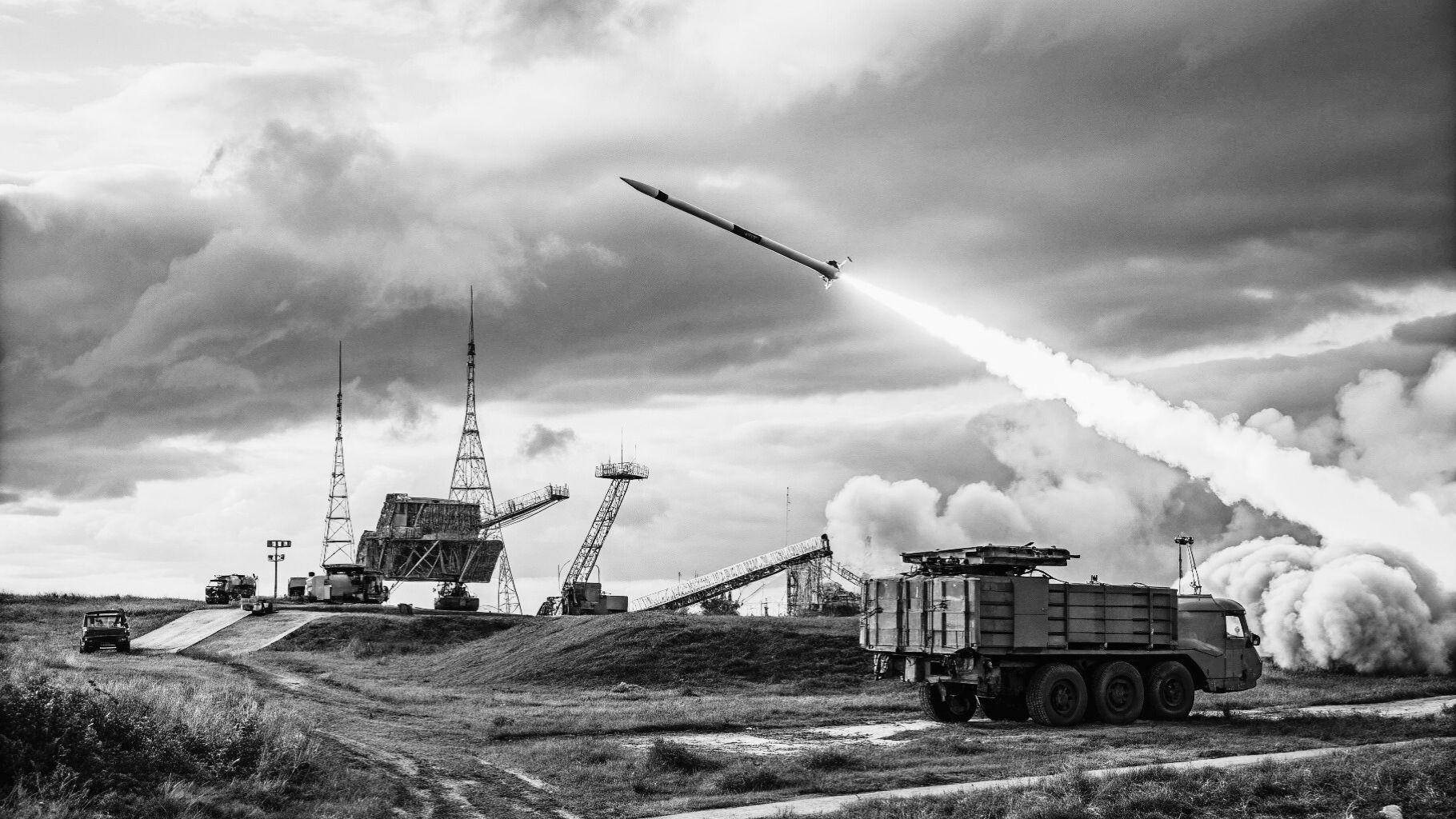

North Korea conducted a launch training exercise involving its Hwasong-16B hypersonic missile on January 4, 2026, according to the Korean Central News Agency (KCNA). The drill highlights Pyongyang’s continued effort to operationalize advanced strike systems as a central element of its war deterrence strategy.
State media reported that missile units assigned to the Korean People’s Army’s primary strike formation carried out the exercise under the direct observation of leader Kim Jong-un. KCNA said the training was intended to evaluate combat readiness, mission execution, and the overall reliability of North Korea’s strategic deterrent forces, indicating that the Hwasong-16B is moving from developmental testing toward active deployment.
The missile was launched northeast from the Rippo District near Pyongyang and struck a designated target roughly 1,000 kilometers away in the East Sea (Sea of Japan). The flight distance closely mirrors data from previous tests, reinforcing assessments that the event was a realistic operational rehearsal rather than a maximum-range demonstration. North Korean media characterized the drill as a comprehensive assessment of deterrence sustainability, including force activation timelines and troop proficiency under simulated wartime conditions.
The Hwasong-16B—also referred to in some sources as the Hwasong-16Na1—is North Korea’s first solid-fueled intermediate-range ballistic missile. Approximately 21 meters long with a diameter of 2.1 meters, the two-stage missile is launched from a road-mobile transporter erector launcher using a cold-launch system driven by a gas generator. This solid-fuel architecture represents a major evolution from earlier liquid-fueled systems such as the Hwasong-15, allowing missiles to remain stored in a fueled state and significantly reducing launch preparation time and exposure to preemptive strikes.
In its current configuration, the Hwasong-16B is assessed to be capable of carrying either a maneuverable reentry vehicle or a hypersonic glide vehicle payload. The latter is designed to evade missile defenses through sustained maneuvering at hypersonic speeds. During its first acknowledged test on April 2, 2024, state media reported a 1,000-kilometer flight featuring a pull-up maneuver to a secondary apogee prior to terminal descent. Follow-on tests in January 2025, independently tracked by South Korean, Japanese, and U.S. sensors, recorded ranges of approximately 1,100 kilometers and apogees near 100 kilometers.