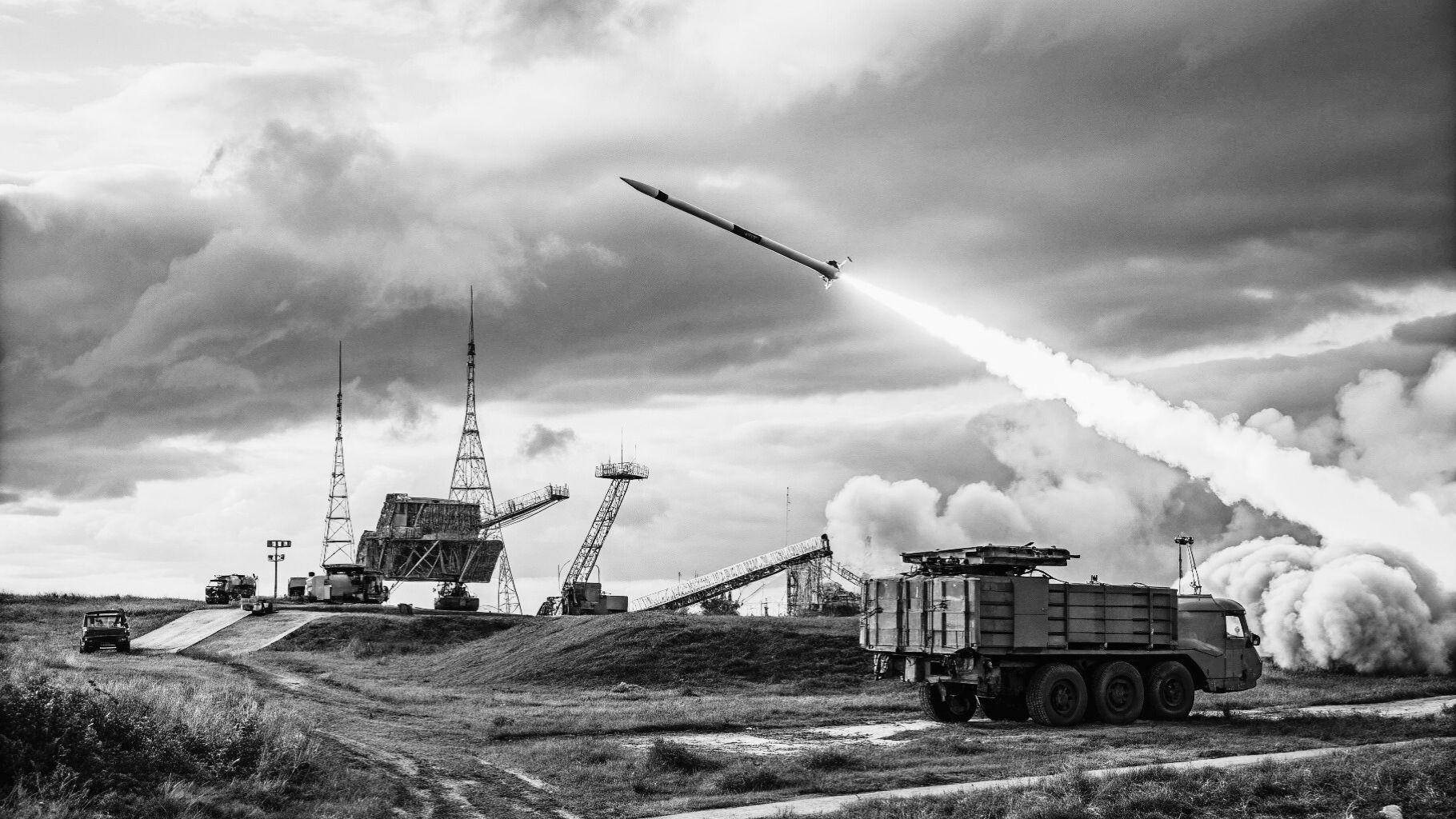
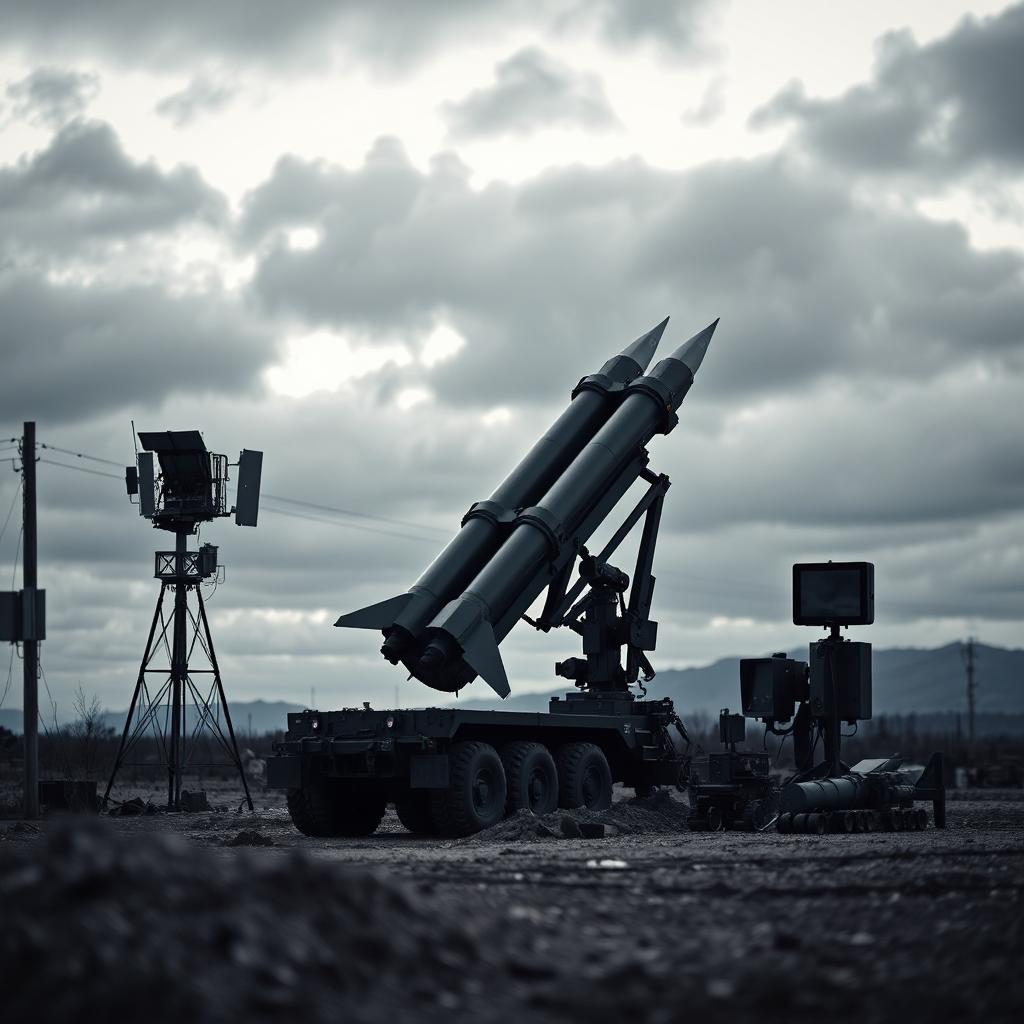
South Korea has begun the initial rollout of the second phase of its Cheongung-II air defense system, an advanced platform designed to intercept both hostile aircraft and ballistic missiles.
Cheongung-II is an upgraded version of the original Cheongung system, which was introduced in 2015 to counter aerial threats, particularly enemy fighters. The new system represents a major leap in South Korea’s air defense capabilities.
Phase one of Cheongung-II was deployed in 2024, with full deployment of the second phase planned by 2027. The system boasts an engagement range of 40 kilometers (25 miles) and can target threats flying at altitudes up to 15 kilometers (9 miles).
Second Phase Enhancements
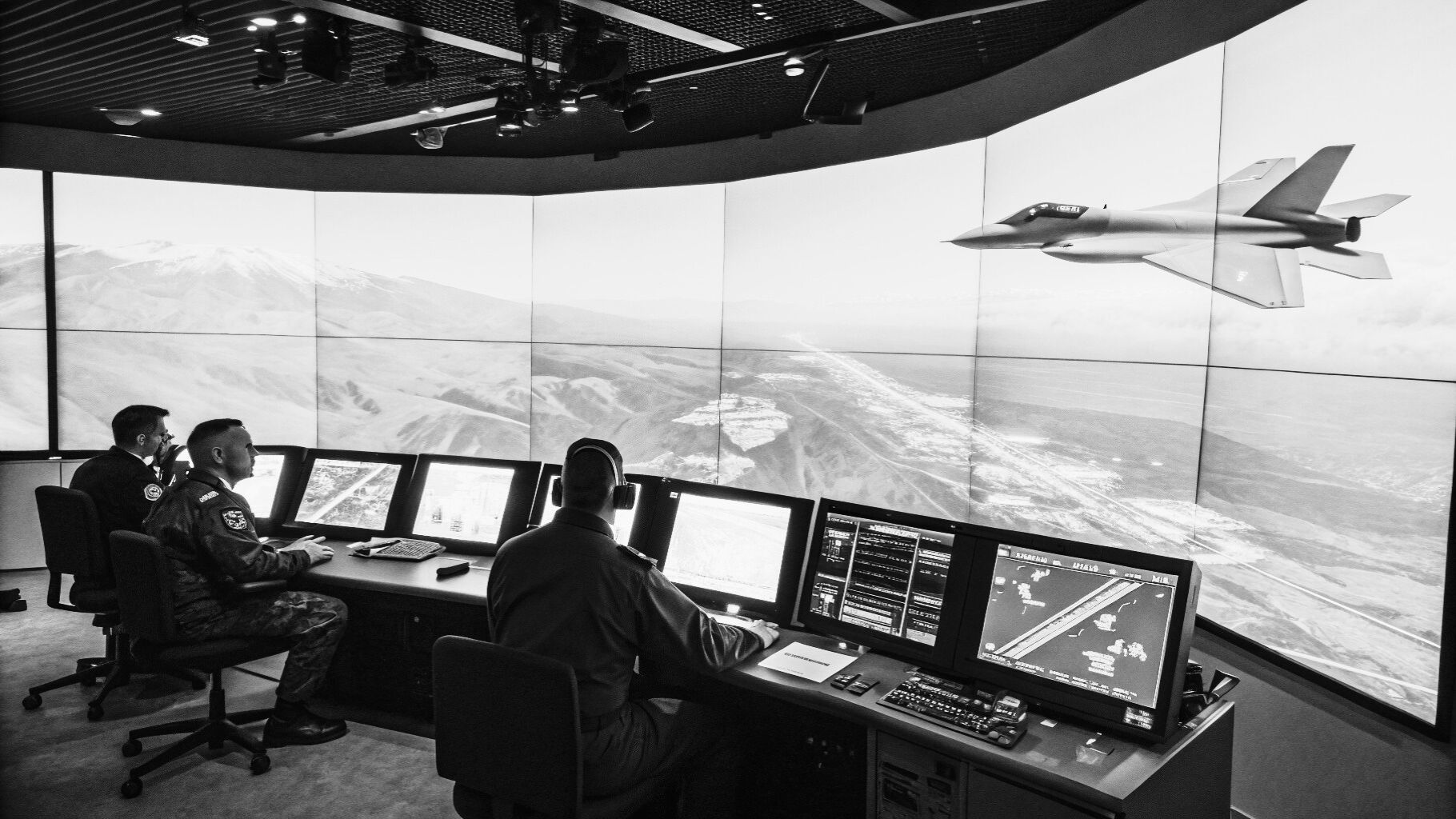
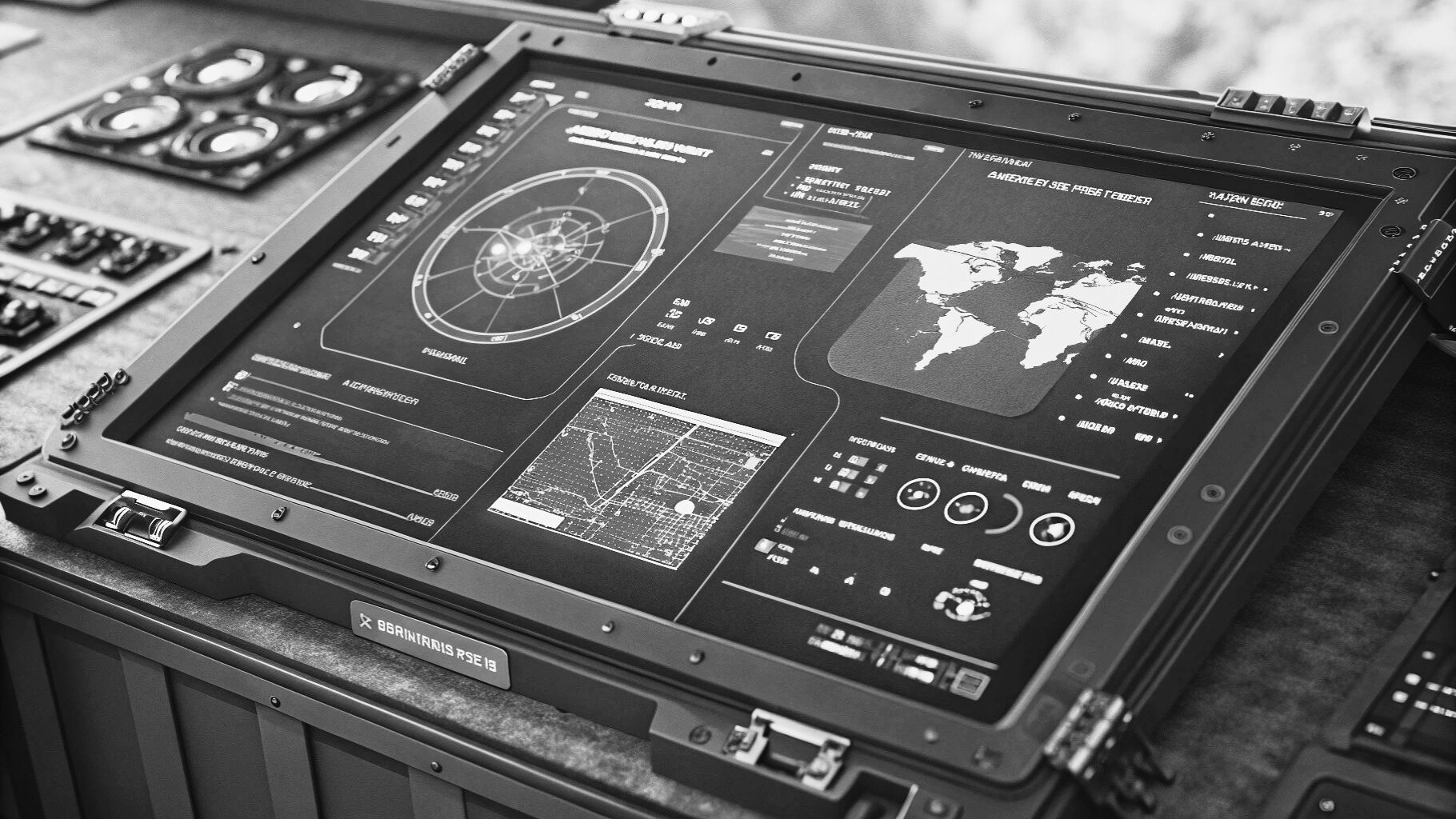
Key improvements in the second phase include the introduction of modern multifunctional radars and updated engagement control centers. These enhancements significantly improve low-altitude detection, tracking, and the ability to engage multiple targets simultaneously—key features in defending against saturation and complex aerial attacks.
Rather than developing a new system from the ground up, South Korea chose to modernize the existing Cheongung platform, reducing development costs. The second phase has been completed at an estimated cost of 645 billion won (around $467 million), offering high performance at a cost-effective rate.
Part of a Broader Defense Strategy
Cheongung-II plays a central role in the Korea Air and Missile Defense (KAMD) framework—a multi-layered defense system built to guard against North Korea’s growing missile arsenal.
KAMD is a crucial component of South Korea’s “three-axis” defense strategy, which also includes Kill Chain (preemptive strikes) and KMPR (Korea Massive Punishment and Retaliation). This layered approach combines short-, medium-, and long-range missile defense systems to create a protective shield over the Korean Peninsula.