South Korea has begun exporting a domestically developed engine for its K2 Black Panther main battle tank, marking a major step away from long-standing dependence on German propulsion systems.
The engine, designated DV27K, is a 1,500-horsepower diesel powerplant jointly developed by the Agency for Defense Development (ADD) and HD Hyundai Construction Equipment. It replaces the German MTU MB873 engine, which previously subjected K2 exports to Berlin’s approval process.
With the introduction of the DV27K, South Korea can now export the K2 without third-party authorization, giving Seoul full control over overseas sales of its flagship armored vehicle.
The export clearance coincides with HD Hyundai securing contracts to supply 116 engines for Poland’s second batch of K2 tanks and to act as the exclusive engine supplier for Turkey’s next-generation Altay main battle tank. Additional interest has reportedly emerged from customers in Latin America and the Middle East.
Development of the DV27K was not without challenges. Early versions achieved required power levels but encountered difficulties with sustained performance, shock resistance, and operation in extreme temperatures. Engineers undertook extensive redesigns, endurance testing, and environmental trials to address these issues.
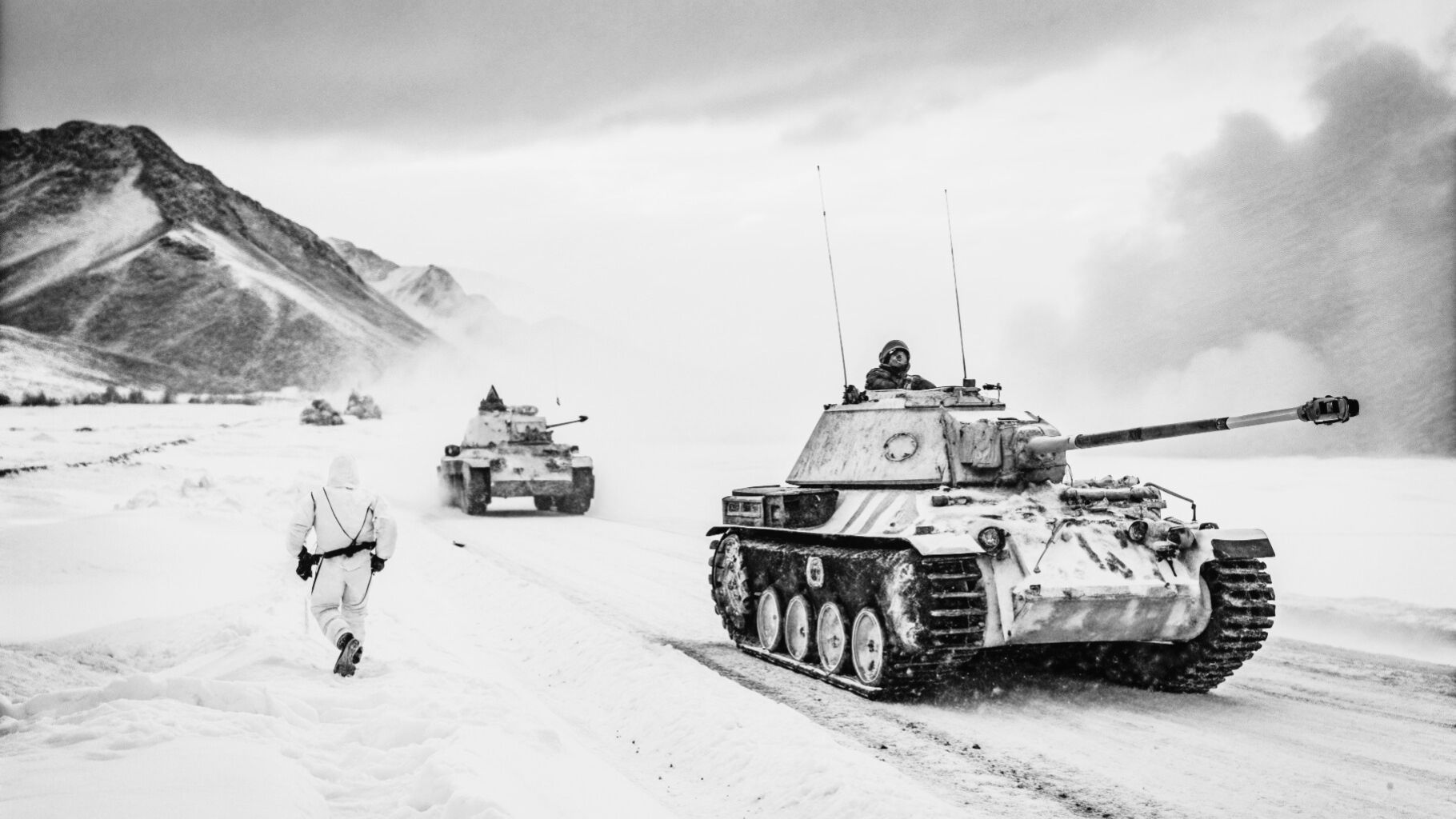
The finalized engine is now capable of maintaining full output in desert heat, extreme cold, and high-vibration environments. It allows the 56-ton K2 to reach speeds of up to 70 km/h (43 mph) and uses exhaust-gas compression to improve combustion efficiency and overall power delivery.
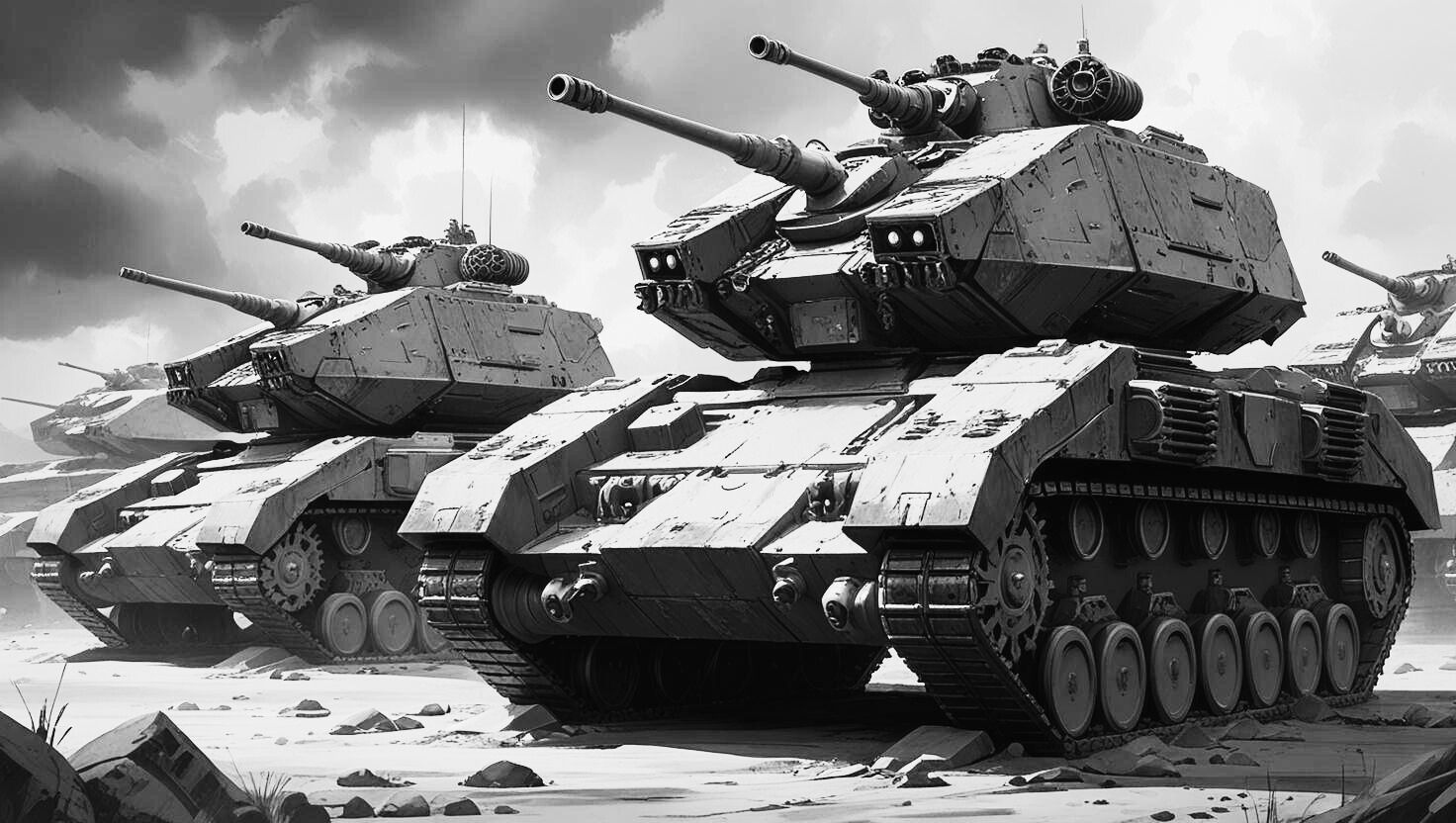
The K2 Black Panther is South Korea’s most advanced main battle tank, combining high mobility, strong protection, and advanced firepower. Operated by a three-person crew, it is armed with a 120 mm smoothbore gun with an autoloader, supported by coaxial and roof-mounted machine guns.
Its advanced fire-control system—integrating radar, laser rangefinders, and thermal sights—enables accurate target engagement on the move, while onboard networking and navigation systems enhance situational awareness and battlefield coordination.