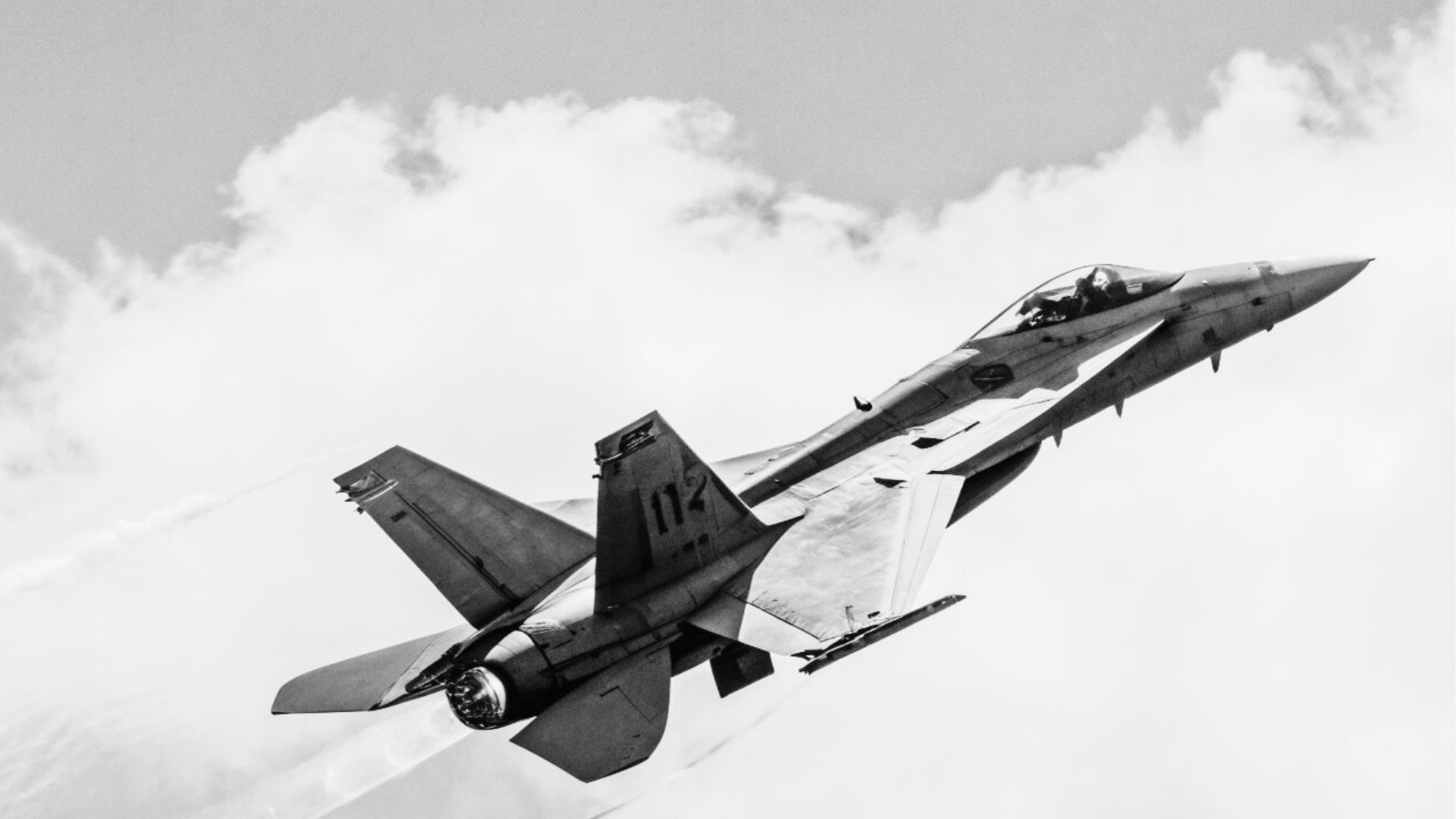
A commercial business jet is set to be transformed into one of South Korea’s most advanced military assets, as LIG Nex1 spearheads the nation’s first stand-off electronic warfare aircraft program.
The 1.56-trillion-won ($1.1-billion) initiative has been formally approved by the Defense Acquisition Program Administration, with LIG Nex1 tasked to deliver the capability by June 2034. Developed in partnership with Korean Air, the program will modify a Bombardier business jet into a specialized platform capable of disrupting adversary radar, communications, and command networks from outside contested airspace.
Under the division of responsibilities, LIG Nex1 will design and integrate the electronic warfare suite, while Korean Air will manage overall system integration, aircraft modification, and production. This marks a major shift for South Korea, whose electronic warfare capabilities have so far relied primarily on systems embedded within fighter aircraft rather than dedicated stand-off platforms.
Once operational, the aircraft will enable the South Korean military to conduct jamming, deception, and signals intelligence missions without exposing crews to heavily defended airspace. The requirement has become increasingly urgent due to repeated electronic interference attributed to North Korea, including prolonged GPS disruptions that lasted more than 329 days.
Regarded as one of South Korea’s most technically demanding defense programs, the effort is often compared to the US Air Force’s EA-37B Compass Call, which serves as the closest operational analogue.