France has successfully completed the first live-fire test of the SAMP/T NG next-generation air defense system, confirming the performance of its upgraded engagement module and Ground Fire radar. With initial deliveries scheduled for 2026, the system is expected to significantly strengthen European air defense capabilities and could eventually contribute to Ukraine’s layered missile and drone defense architecture.
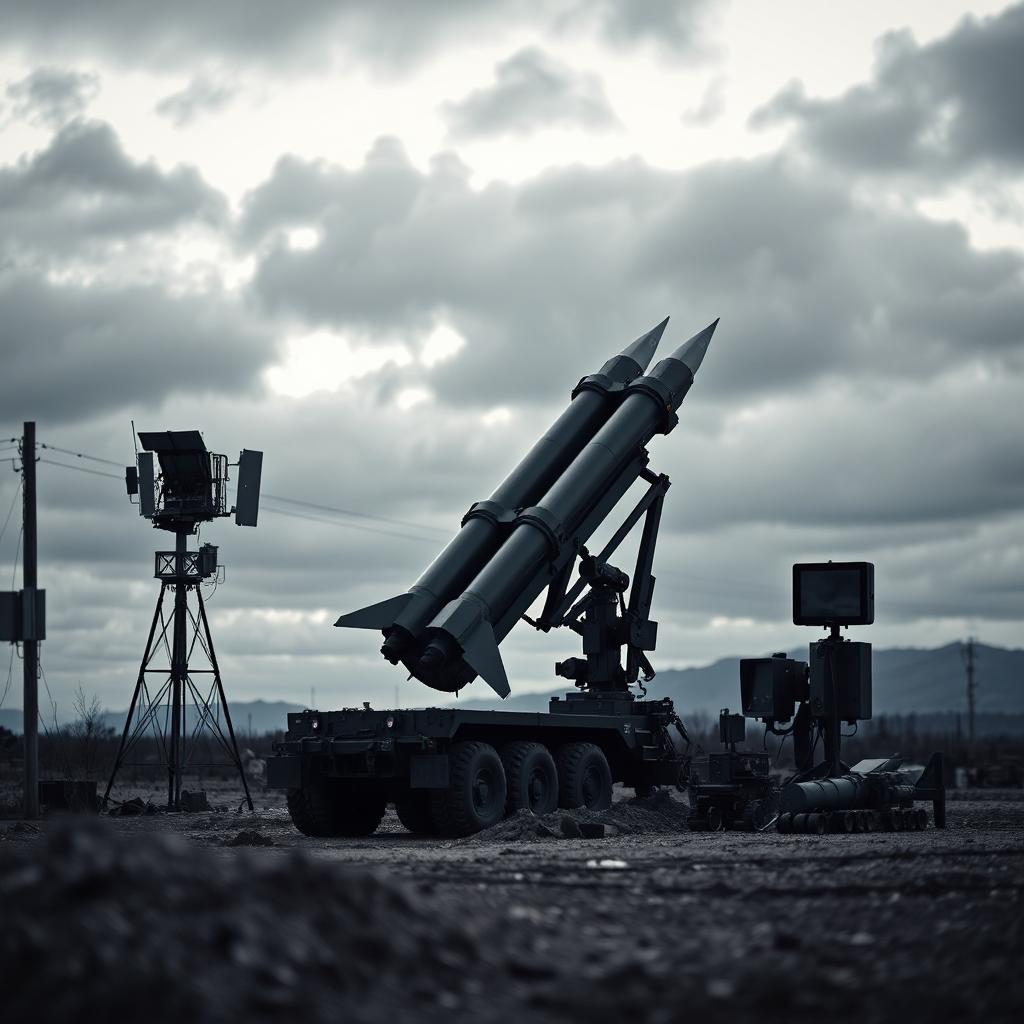
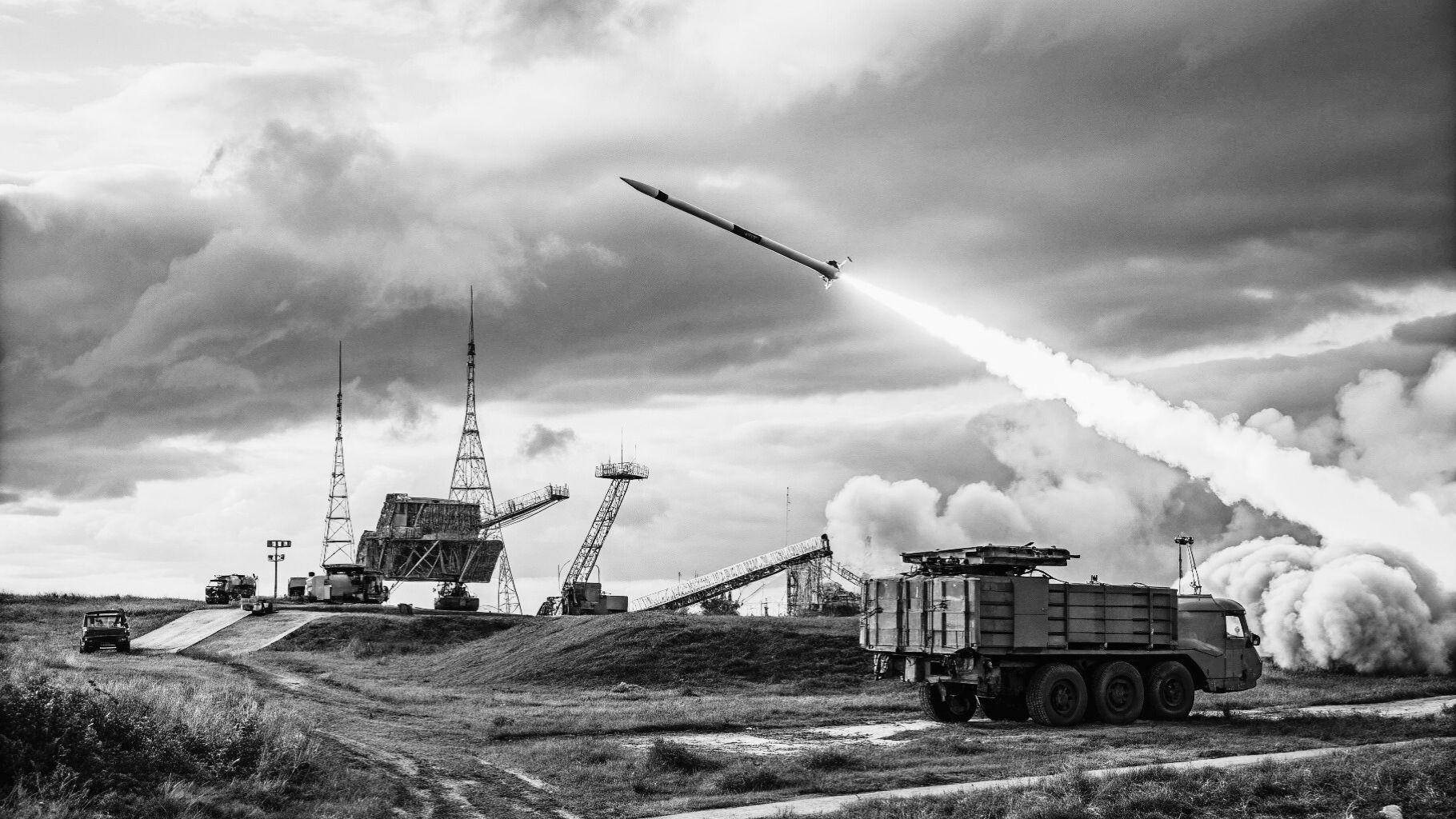
According to Thales, the test firing of the French SAMP/T NG configuration was conducted at the DGA Essais de Missiles range in Biscarrosse, with imagery released by the French defense procurement agency. The firing validated the integration of the modernized engagement module with the Ground Fire radar. Thales emphasized that the system is positioned as Europe’s only indigenous medium- to long-range air defense solution capable of countering ballistic, maneuvering, and saturation threats, with operational commissioning planned for 2026.
SAMP/T NG is a road-mobile air defense battery designed to protect large urban areas or high-value installations while retaining the ability to rapidly relocate after engagement. The system is built around a digital engagement module that fuses sensor data, assigns weapons, and manages fire control in either standalone or networked configurations. A standard battery can control up to six vertical launchers, each carrying eight Aster 30-series interceptors, providing substantial first-salvo capacity.
A key enhancement of the NG variant is the Ground Fire AESA radar, which delivers 360-degree coverage, 90-degree elevation, and surveillance ranges of up to 400 kilometers, with updates every second. Designed to track low-flying drones, terrain-masking aircraft, and steep-angle ballistic threats, the radar entered series production in early 2025. Interception is provided by the Aster Block 1 New Technology missile, featuring inertial guidance with mid-course updates, an active terminal seeker, and MBDA’s PIF-PAF control system, enabling high agility and 360-degree theater defense beyond 150 kilometers.