
U.S. Army air defense units and technical teams assembled at Truppenübungsplatz Putlos in northern Germany to assess new counter-drone technologies under live field conditions. The multiweek campaign is significant because it helps the Army strengthen NATO’s defenses against increasingly sophisticated unmanned aerial threats.
For two weeks in November 2025, the 52nd Air Defense Artillery Brigade and the 10th Army Air and Missile Defense Command led a series of intensive C-UAS trials at the coastal Baltic Sea training area. Army officials said the event brought together air defense soldiers, acquisition specialists, and industry engineers to run prototype systems through realistic, pressure-filled scenarios, offering commanders clearer insight into how advanced sensors and interceptors perform in operational environments.
During the evaluation, Truppenübungsplatz Putlos became a central hub for the Army’s evolving counter-UAS strategy. The Ostholstein training range—overlooking the Baltic Sea—provided wide, unobstructed airspace for live drone flights, sensor calibration, and intercept testing. The classified Project FlyTrap 4.5 brought tactical operators, procurement leaders, and select industry innovators into a demanding NATO-relevant demonstration of next-generation drone-defense solutions.
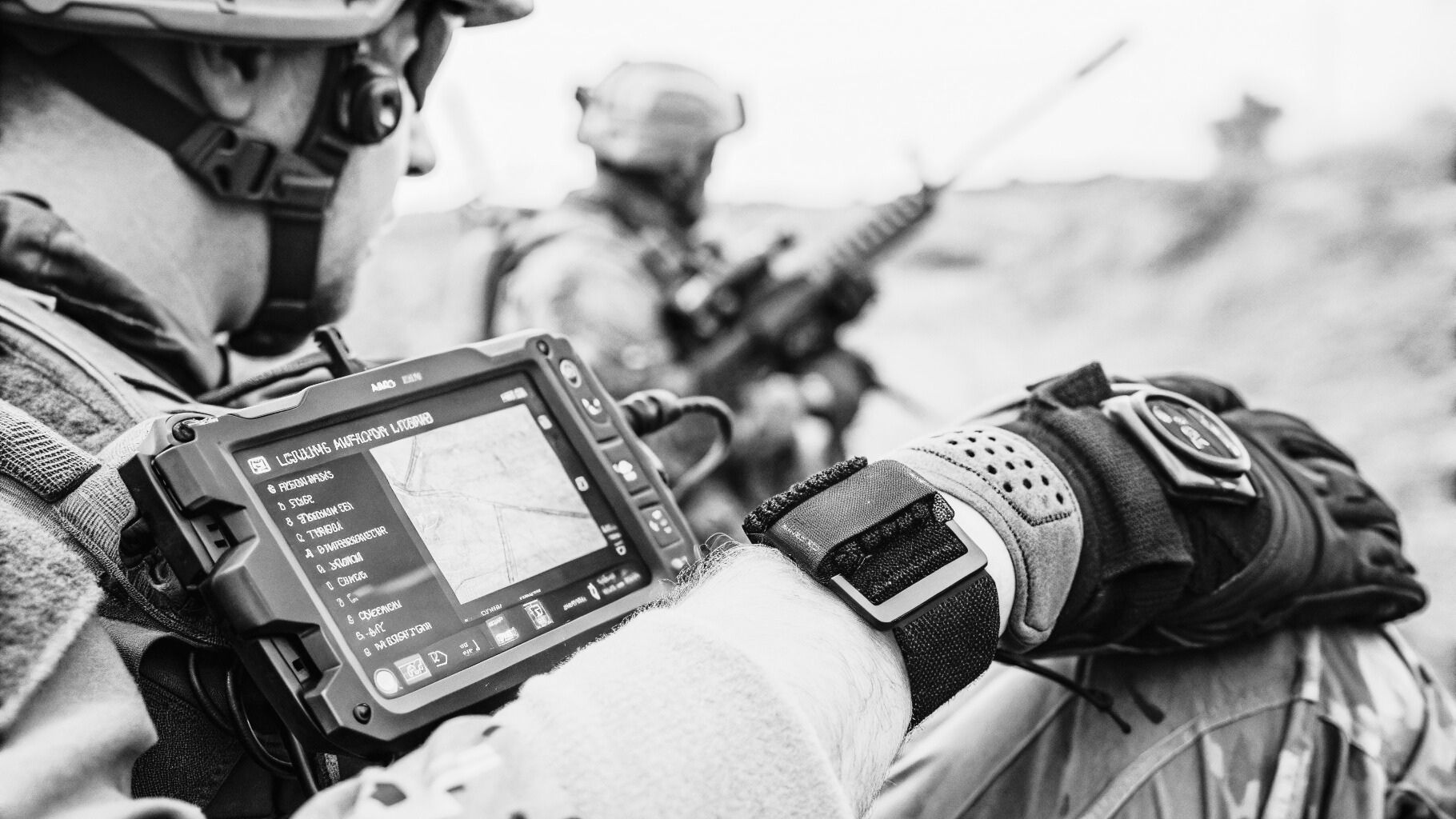
A standout aspect of FlyTrap 4.5 was its integration of experimental counter-drone assets into an operational command-and-control system. All systems were required to plug directly into the brigade’s forward air defense C2 architecture that supports NATO’s Eastern Flank Deterrence Line. With coordination from U.S. Army Europe’s V Corps and maneuver units from the 2nd Cavalry Regiment, the exercise delivered a real-world proof of concept for layered, rapidly deployable defense capabilities.