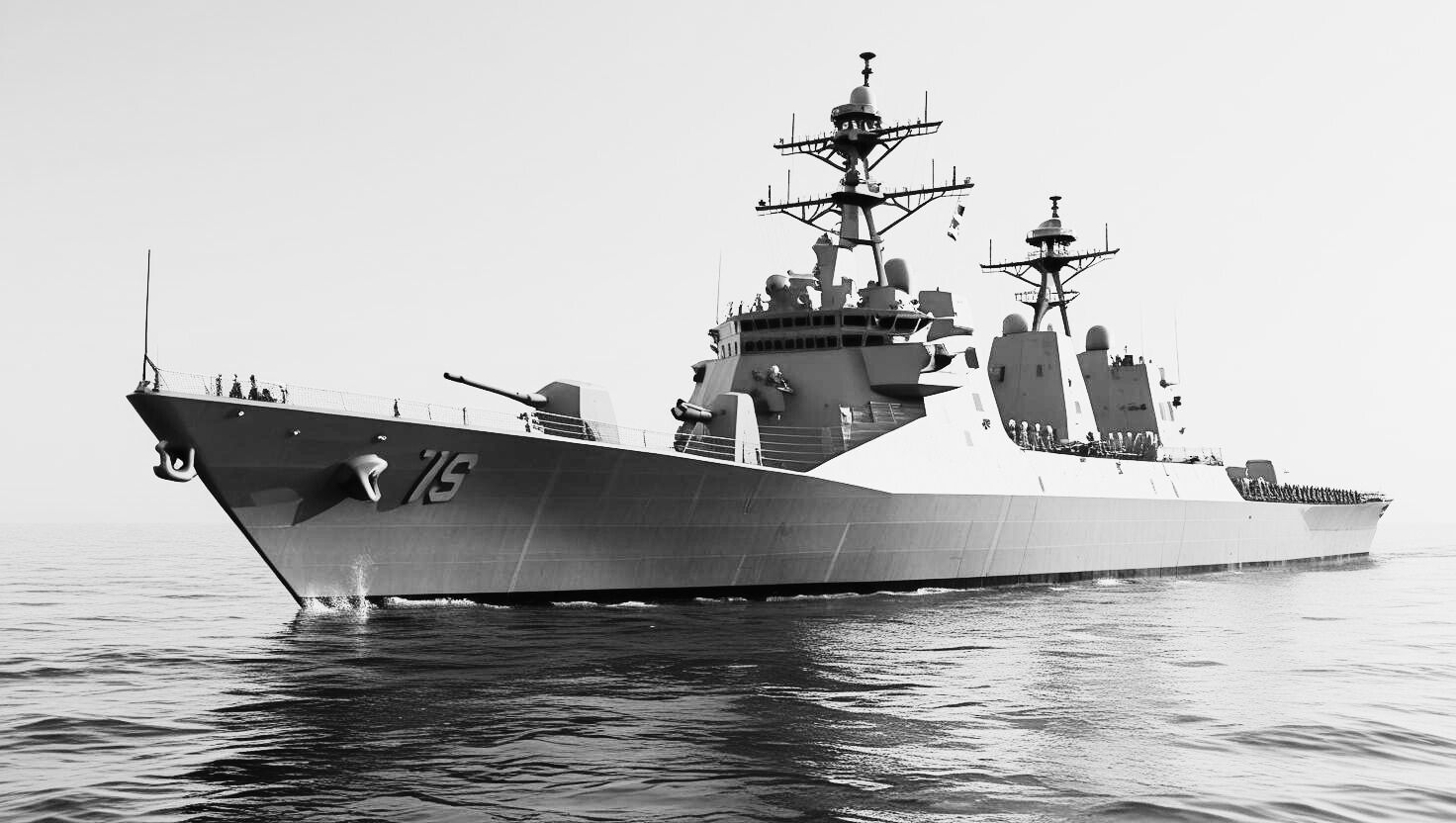

To counter evolving aerial threats, the U.S. Navy is instituting a long-term sustainment and upgrade plan for the Phalanx Close-In Weapon System (CIWS), ensuring its viability as the fleet’s final defensive barrier. The program spans multiple fiscal years and focuses on sustaining readiness while integrating improvements to maintain effectiveness against modern missile and drone challenges.
In early September 2025, Navy planning confirmed a new multi-year path for the MK-15 Phalanx, aligning production support with conversions and system overhauls. This strategy allows the Navy to stabilize CIWS availability across surface ships while extending service life into the 2030s.
The Phalanx remains the last line of defense when all other intercept options have failed. Compact and easily recognized on deck, the system couples a 20 mm Gatling gun with Ku-band radar and a stabilized electro-optical sight. Capable of firing up to 4,500 rounds per minute, it carries about 1,550 rounds per magazine—demanding short, controlled engagements to conserve ammunition. Firing doctrine emphasizes quick bursts, assessment, and reengagement to balance lethality with limited capacity.
The Block 1B Baseline 2 is the fleet’s current configuration, featuring infrared sensors and a surface-engagement mode that improves detection and targeting of drones, small boats, and unconventional threats. Its rapid training and stabilization enable accurate firing arcs, while armor-piercing sabot rounds are designed to cripple missile structures and divert them short of the ship. Performance depends on a tightly calibrated sensor network, as decision and engagement windows are typically only seconds long.