The US Navy has begun evaluating a new digital medical system aboard a frontline destroyer, aiming to address long-standing challenges in delivering consistent healthcare to sailors operating far from shore.
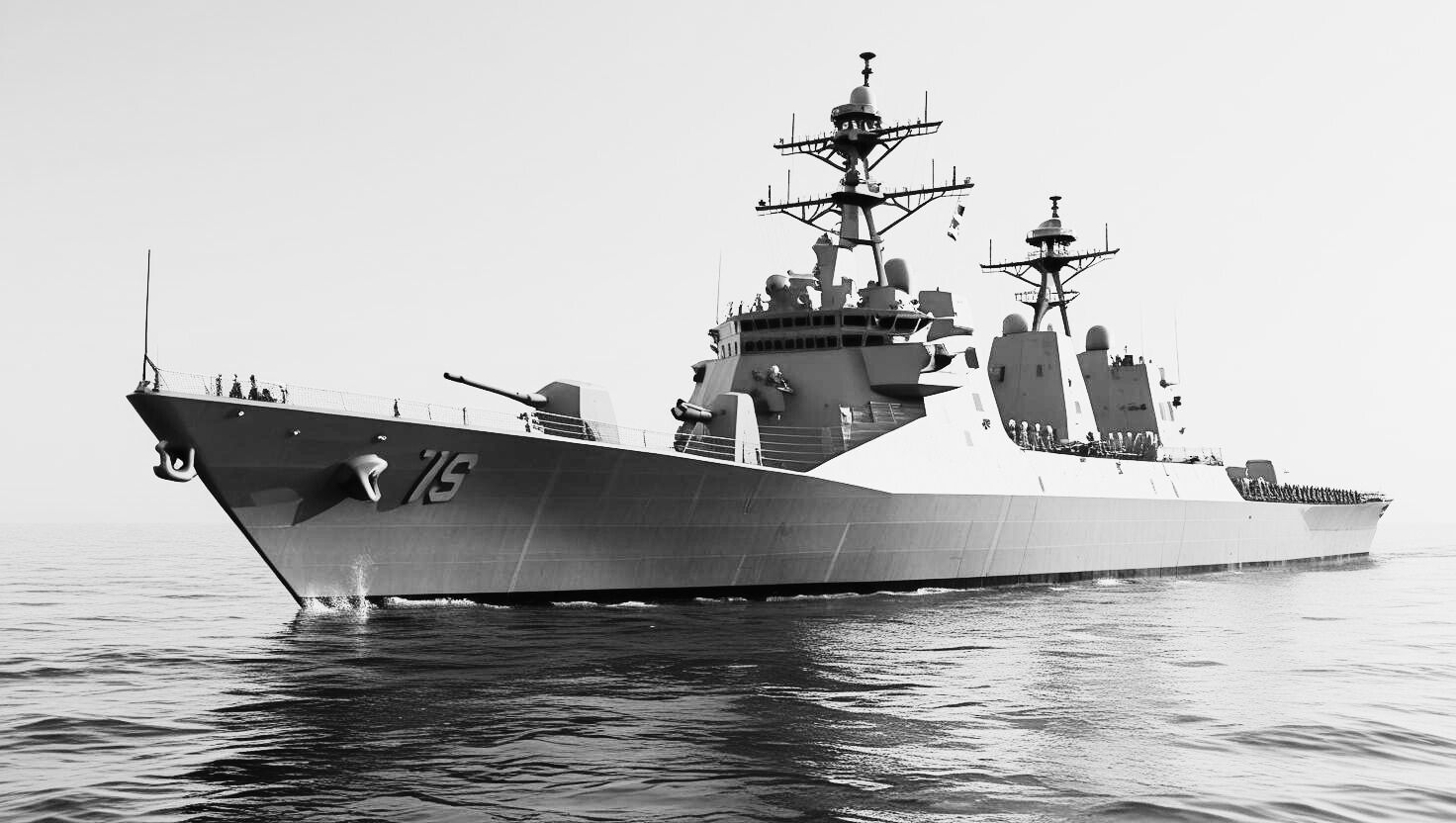
Navy Medicine recently completed the first pilot deployment of the Operational Medicine Care Delivery Platform (OpMed CDP) aboard the Arleigh Burke-class destroyer USS Carney. The system is designed to modernize afloat medical operations by replacing fragmented, paper-based workflows with a unified digital platform for documenting, accessing, and sharing patient records at sea.
OpMed CDP is built to integrate seamlessly with MHS GENESIS, the Military Health System’s enterprise electronic health record. During the pilot, sailors received hands-on training focused on routine clinical activities such as pharmacy services, laboratory procedures, and primary care visits, while validating the system’s ability to securely transfer patient data across different care settings.
The platform is intended to enhance clinical decision-making and improve continuity of care in operational environments. Navy medical leaders noted that the phased rollout strategy is designed to align with deployment schedules while incorporating continuous feedback from users.
Based on the initial results, Commander, Naval Surface Force Atlantic has approved an extended pilot phase to further assess the system’s reliability and performance under real-world operational conditions. Once fully implemented, USS Carney is expected to become the first Navy vessel to rely on OpMed CDP for daily medical operations, representing a significant shift in how healthcare is delivered and managed at sea.
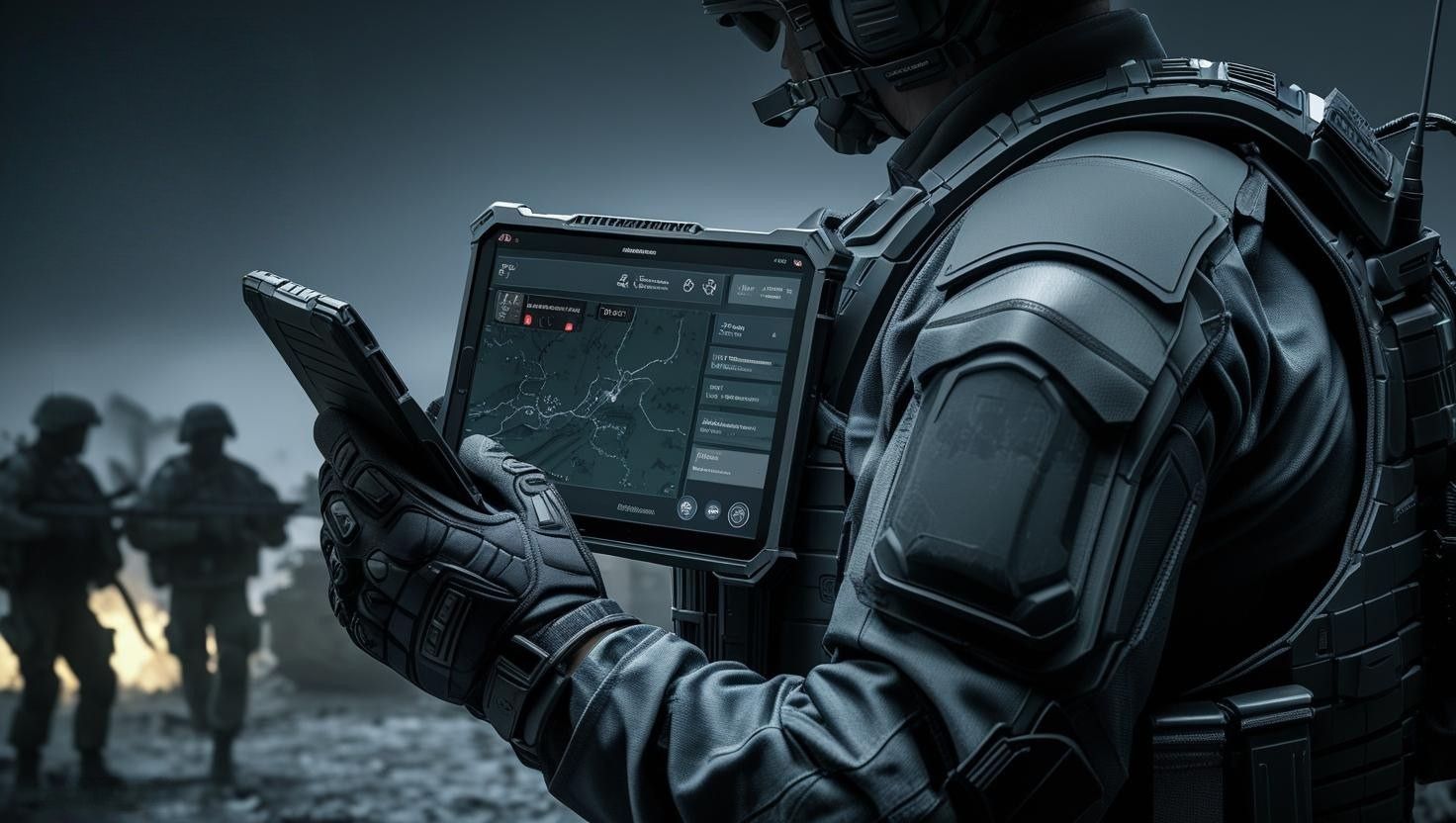
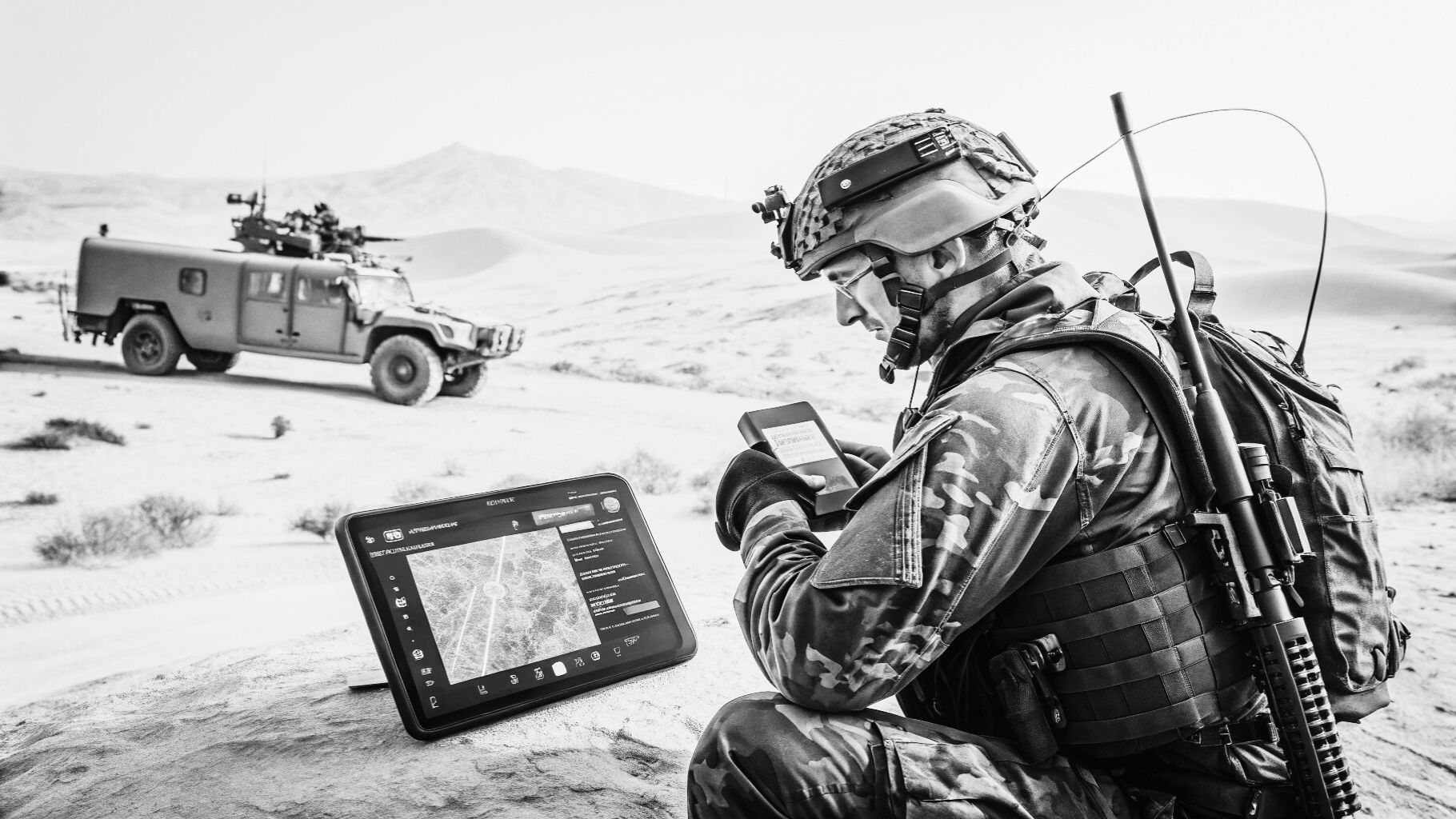
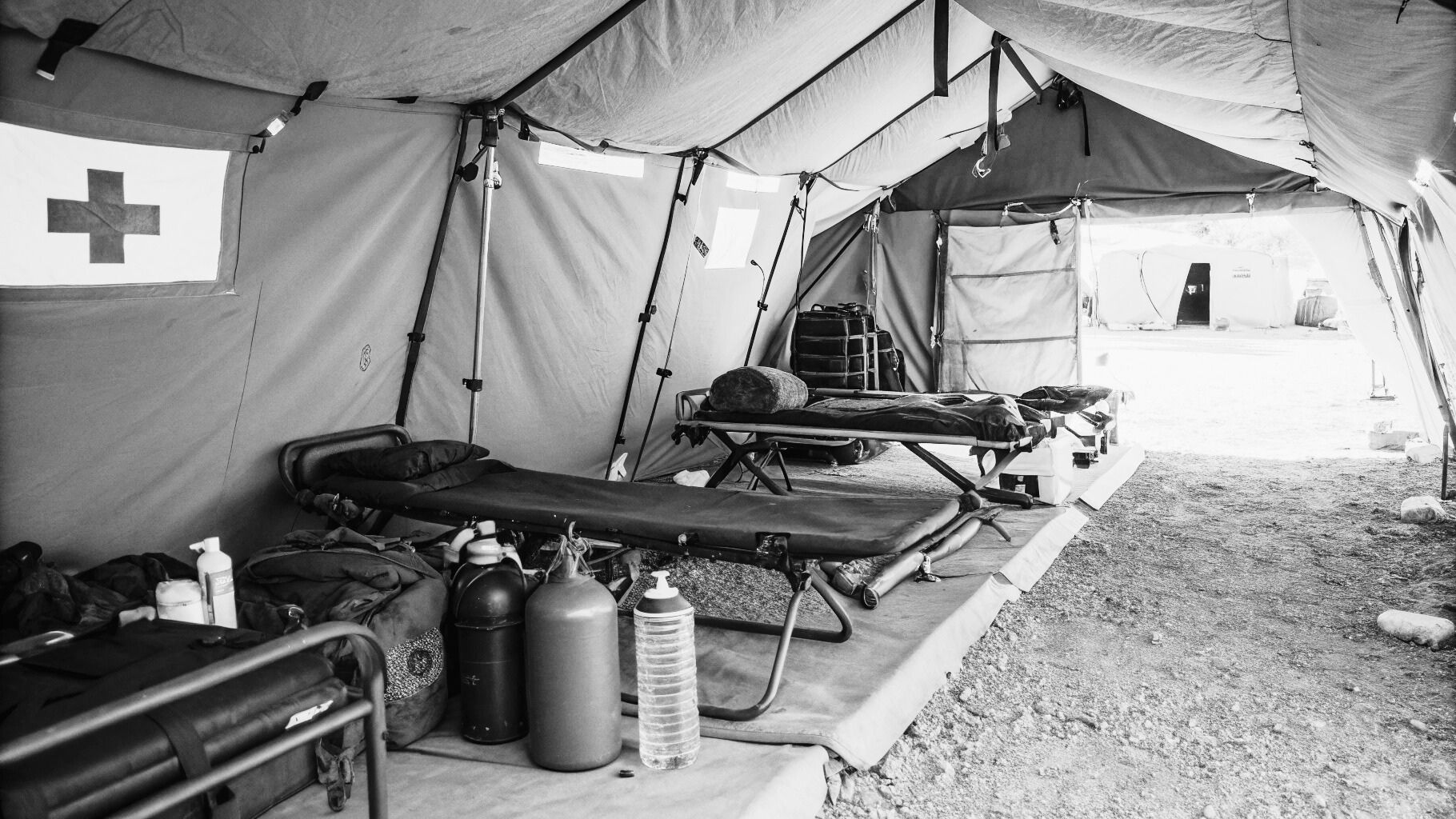
The Navy’s afloat trial reflects a broader Department of Defense push to modernize military healthcare through digital platforms. The US Army, for example, has fielded the Medical Communications for Combat Casualty Care (MC4) system, providing deployed medics with access to patient records and medical logistics tools in austere environments while enabling commanders to monitor medical readiness.
Similarly, the US Air Force has expanded telehealth and remote monitoring solutions to support airmen stationed at isolated bases and overseas locations, allowing specialists in the continental United States to provide real-time consultation, reduce medical evacuations, and improve continuity of care.