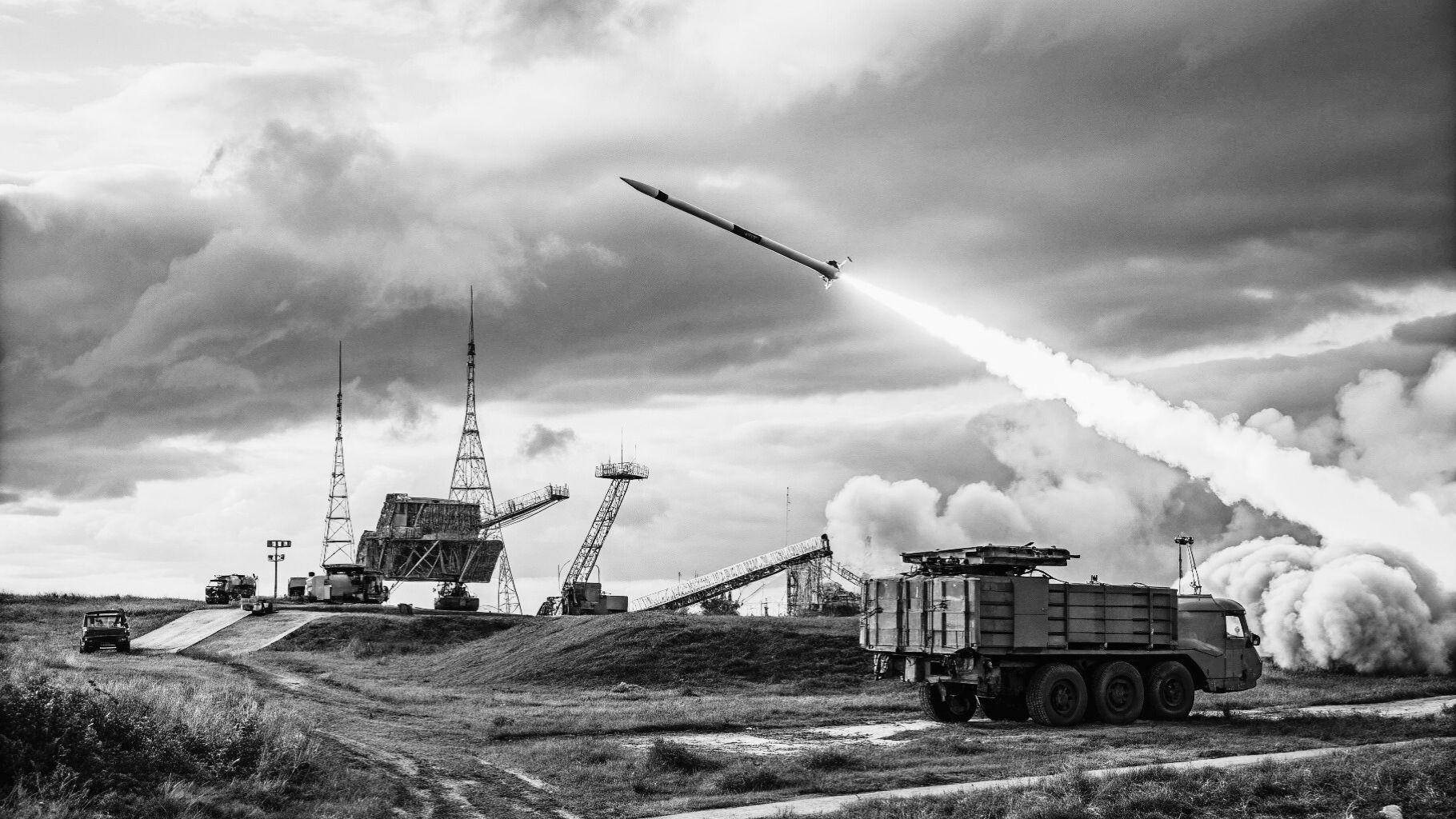
New York-based Ducon Technologies has launched an advanced suite of solutions designed to mitigate environmental and public health risks arising from high-altitude missile interception events. The offering features proprietary wet scrubber systems capable of removing over 99.9% of toxic gases generated during missile neutralization, including nitrogen dioxide and hydrochloric acid aerosols.
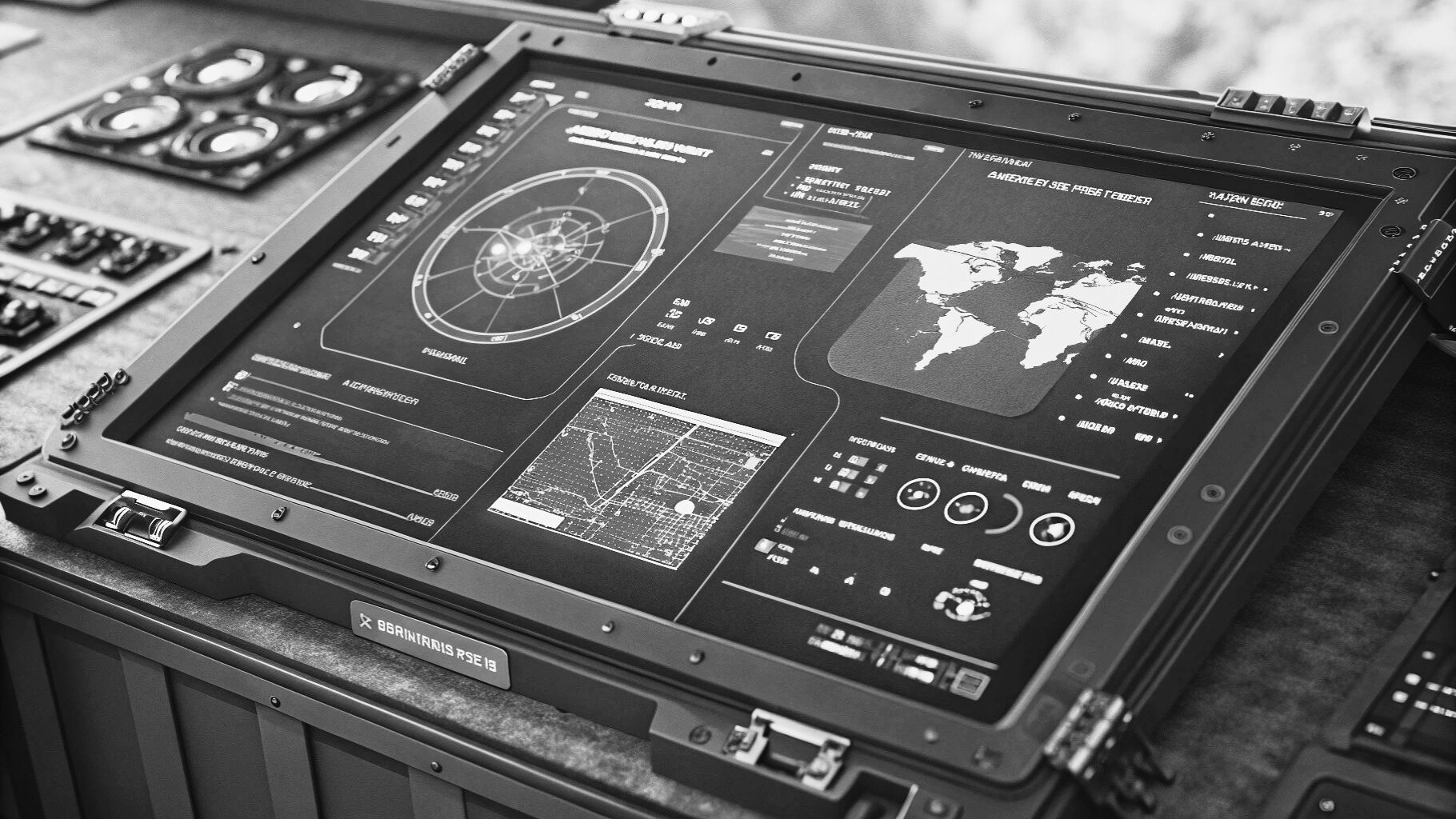
In addition, the company has developed high-temperature filtration technologies that effectively capture hazardous particulate emissions originating from missile structures and explosive detonations. These systems are supported by integrated real-time sensor networks that identify chemical signatures, enabling swift dissemination of health advisories and facilitating coordinated regional responses.
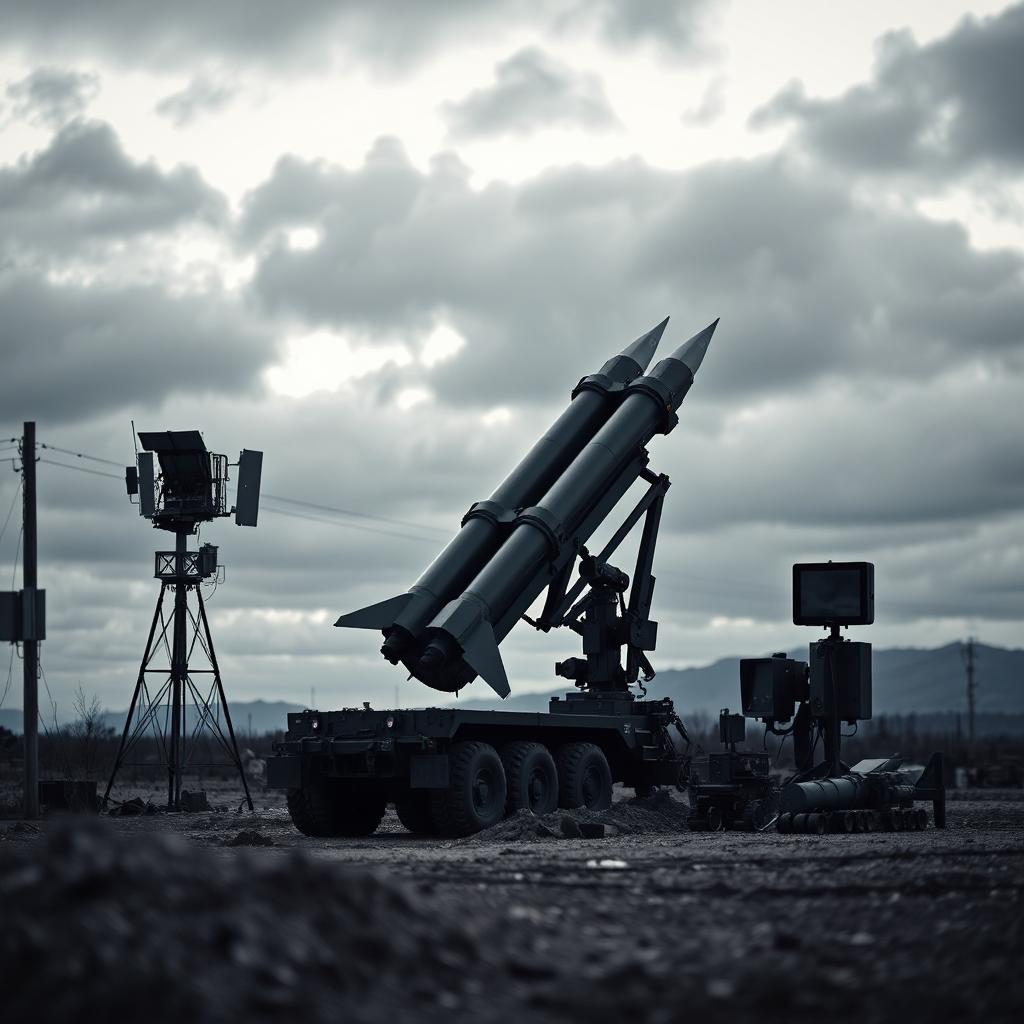
Ducon emphasized that the increasing deployment of modern air defense systems has amplified the release of toxic byproducts into the atmosphere. Missile propellants containing hydrazine and nitrogen tetroxide react with atmospheric oxygen to form nitrogen dioxide, a major contributor to industrial smog. Moreover, missile components often contain heavy metals such as lead, cadmium, and mercury, which can vaporize into fine neurotoxic particles, contaminating soil, water, and food chains.
Prolonged exposure to these substances poses significant health risks, including respiratory disorders, environmental acidification, and neurological damage, particularly among children.