
India has unveiled a long-term military transformation plan detailing how it intends to modernize and restructure its armed forces over the next two decades.
Called “Defence Forces Vision 2047,” the roadmap outlines reforms aimed at creating a more integrated and technologically advanced military capable of addressing evolving security challenges across multiple domains.
The strategy is divided into short-, medium-, and long-term phases, establishing a framework for capability development, institutional restructuring, and force modernization.
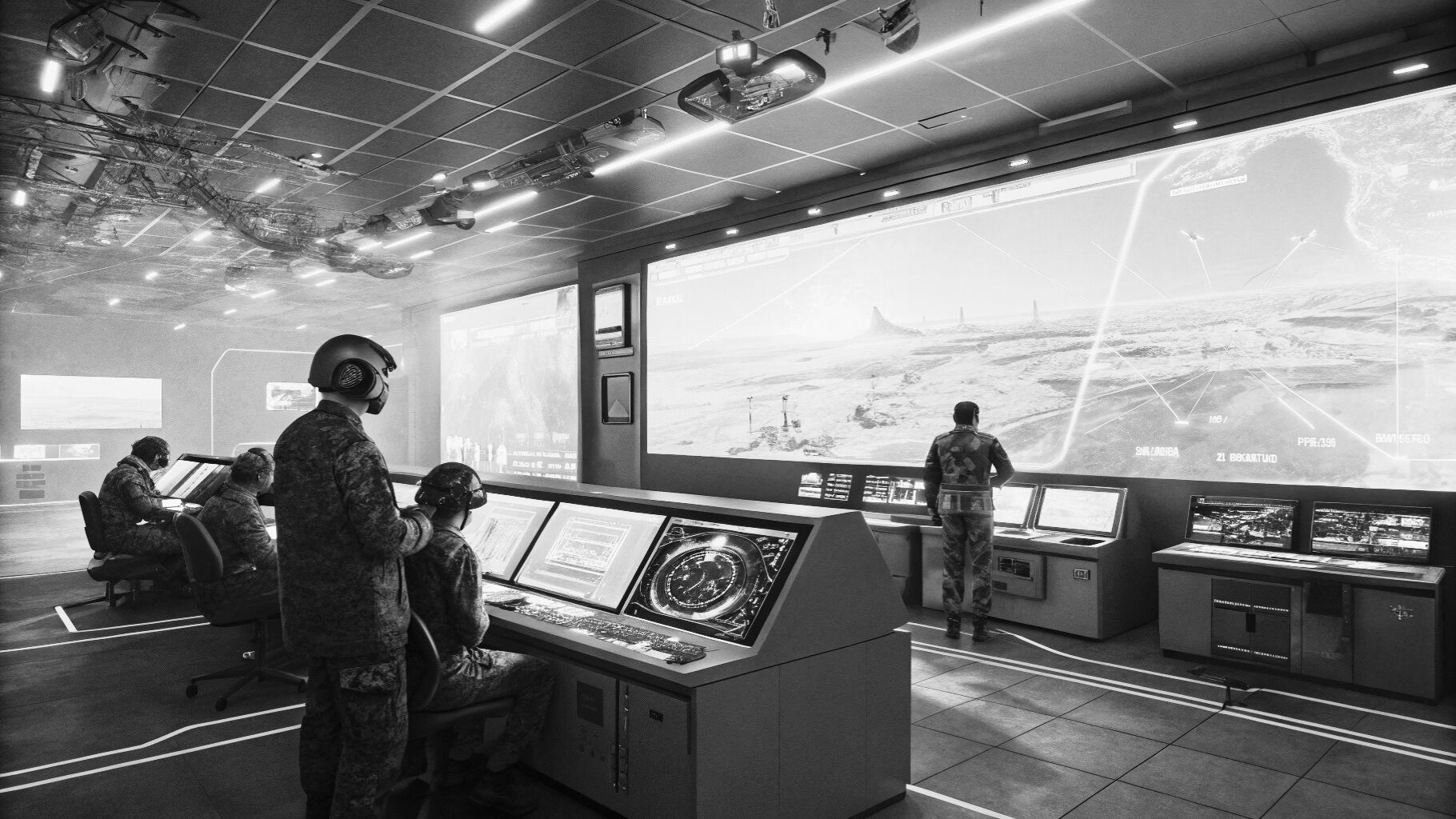
One of the central priorities is improving coordination between the army, navy, and air force through enhanced joint planning, procurement, and operational integration as India shifts away from service-specific structures toward unified command arrangements.
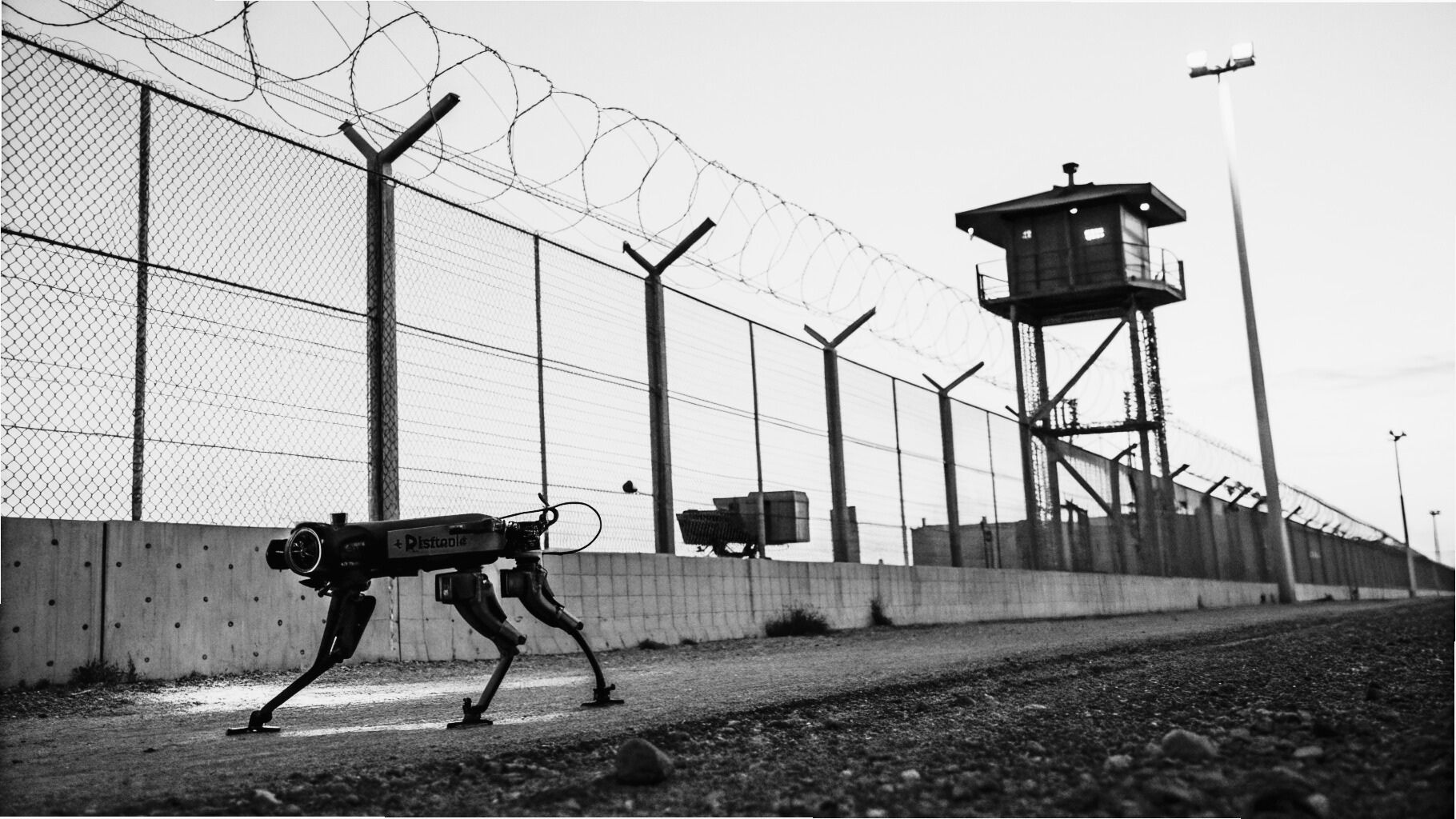
The roadmap also highlights the growing importance of advanced technologies, innovation, and modernized training systems as warfare becomes increasingly multi-domain and technology-centric.
Another key component is strengthening defense industrial self-reliance under the Aatmanirbhar Bharat initiative, which seeks to reduce dependence on foreign suppliers by expanding indigenous manufacturing and domestic defense production.
In parallel, New Delhi has continued pursuing selective international partnerships that support local procurement, technology transfer, and co-development initiatives aimed at expanding India’s defense manufacturing base.
India’s Expanding Defense Budget
The reform roadmap is supported by a major increase in defense spending, signaling that India is combining long-term military restructuring with near-term procurement and industrial investment.
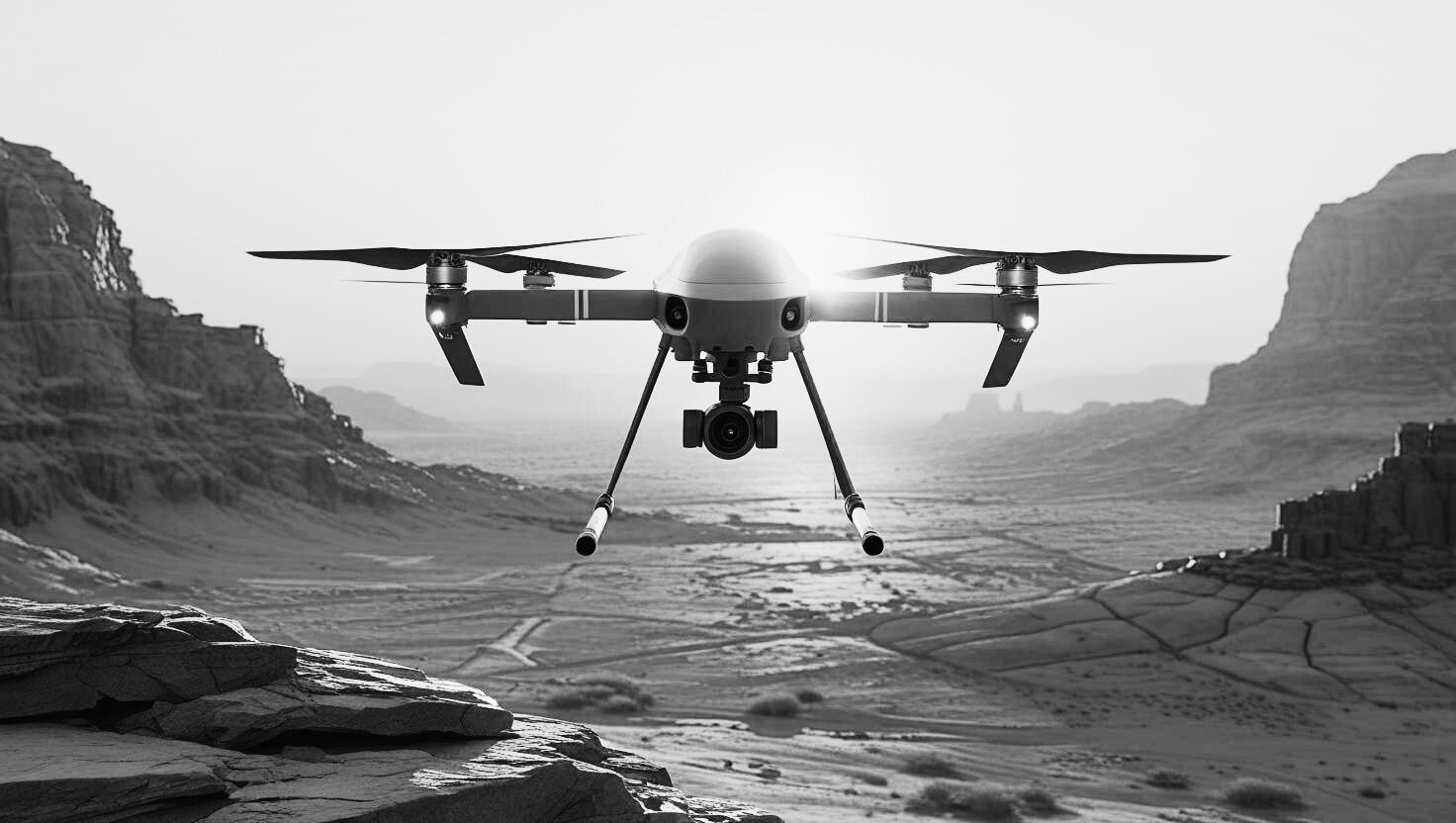
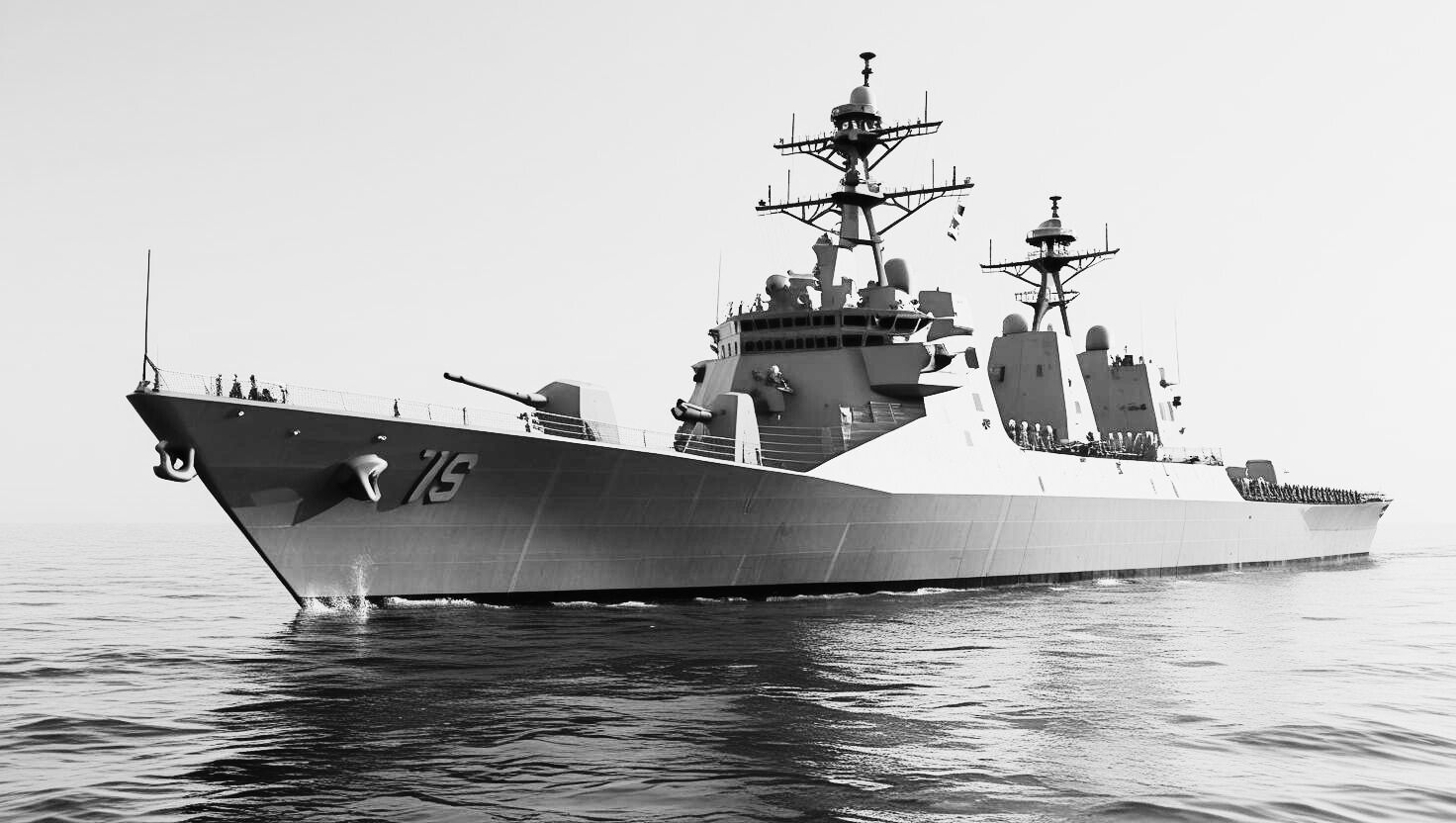
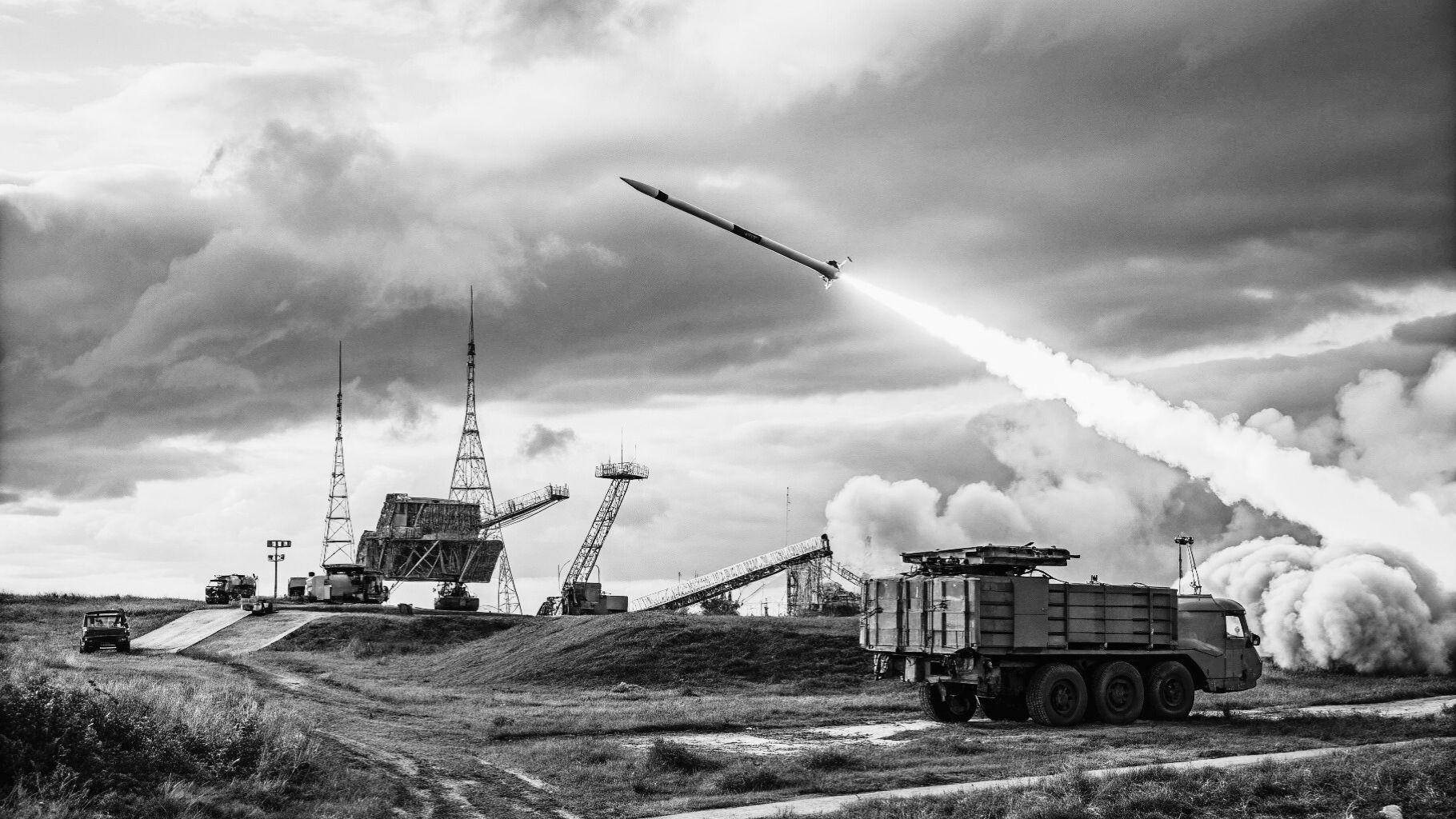
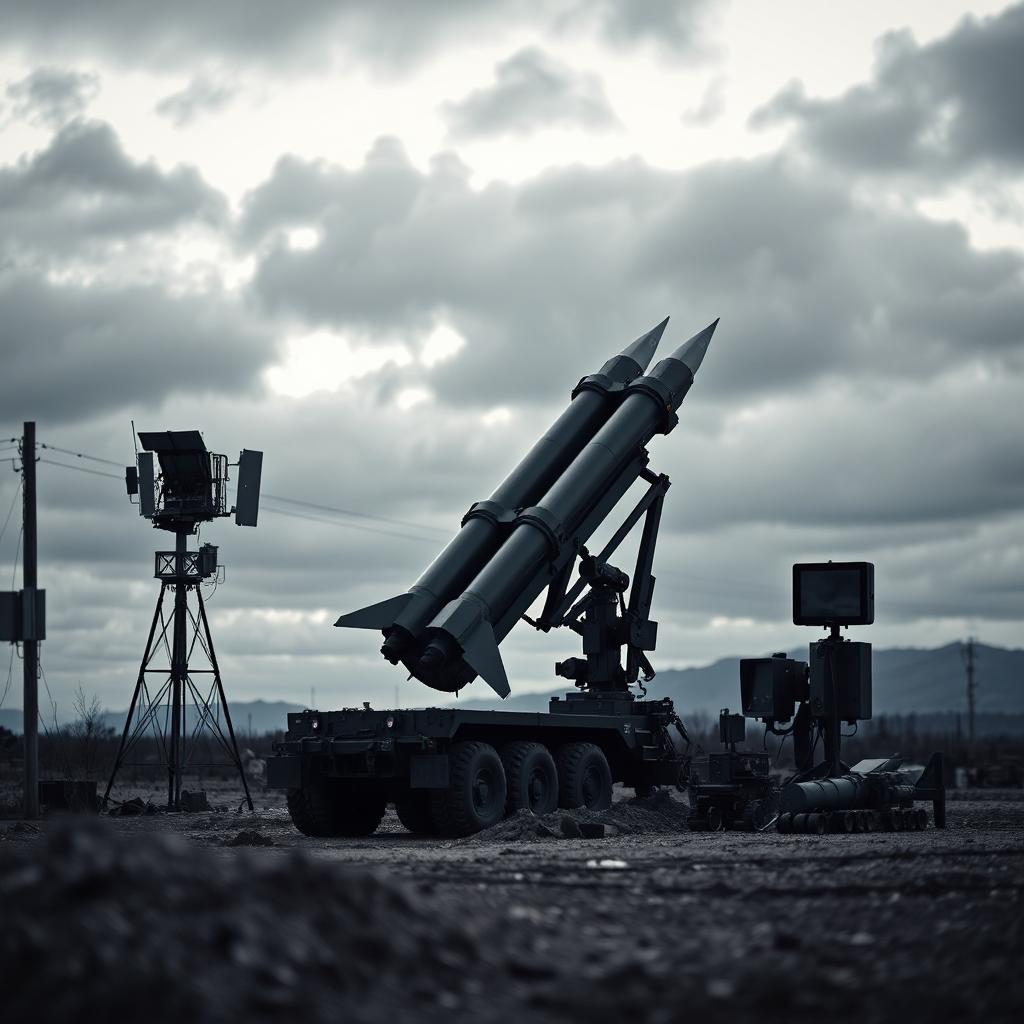
Earlier this year, New Delhi approved a defense budget of 7.85 trillion rupees ($81 billion) to fund acquisitions of new aircraft, naval assets, drones, and advanced weapons systems.
Approximately 75 percent of procurement spending has been earmarked for domestic industry participation.
Additional funding was also allocated to the state-run Defence Research and Development Organisation (DRDO) and to digital military infrastructure projects, including dedicated investment in defense optical fiber communication networks.