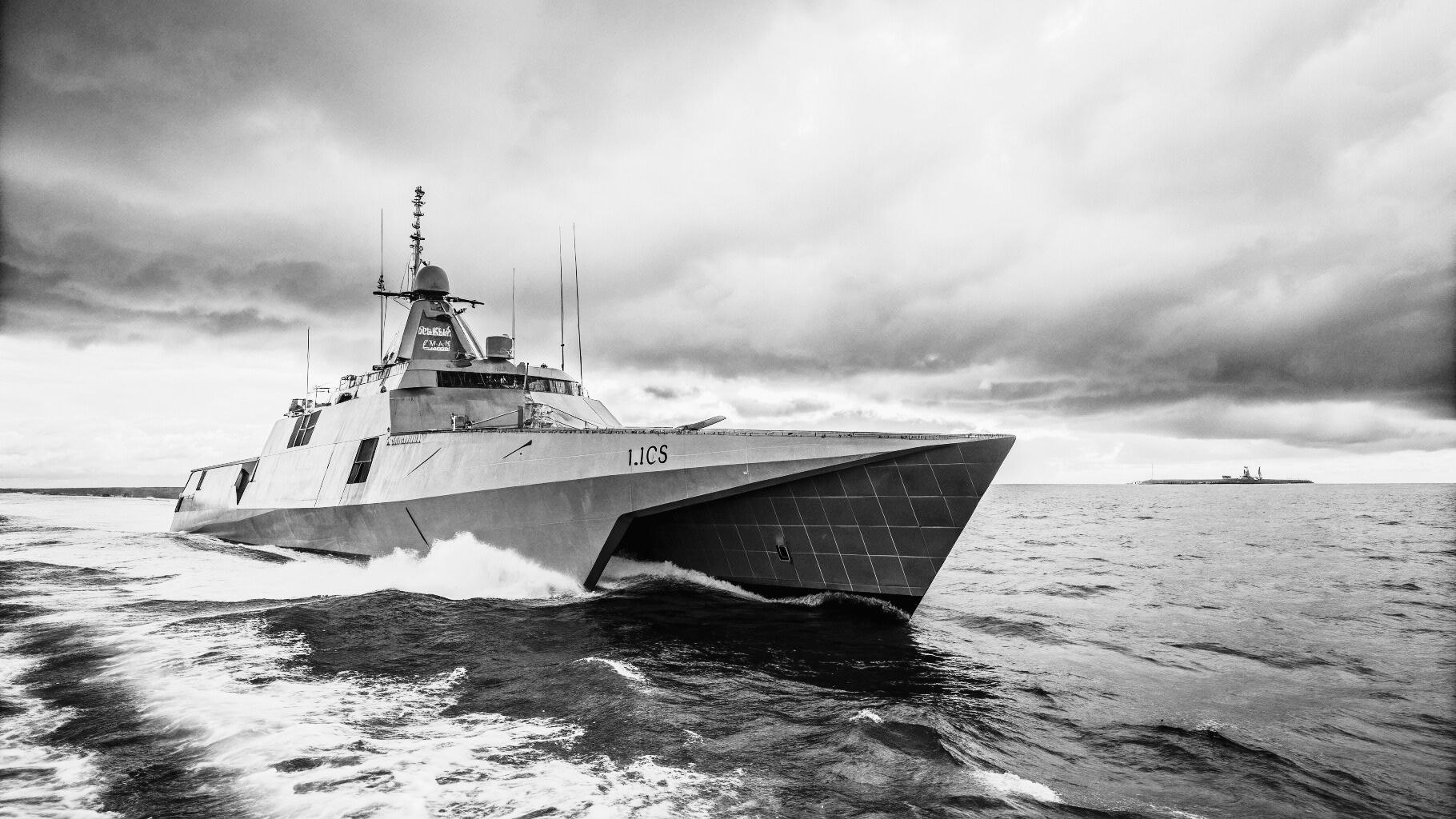
The US Navy has unveiled a long-term 30-year shipbuilding strategy aimed at expanding its fleet to more than 450 vessels by the early 2030s while reforming procurement systems and revitalizing the country’s maritime industrial base. The service currently operates 291 battle force ships, significantly below the legally mandated target of 355 vessels, with officials citing rising program costs, schedule delays, and shifting operational requirements as key reasons for stagnant fleet growth since 2003 despite increased defense spending.
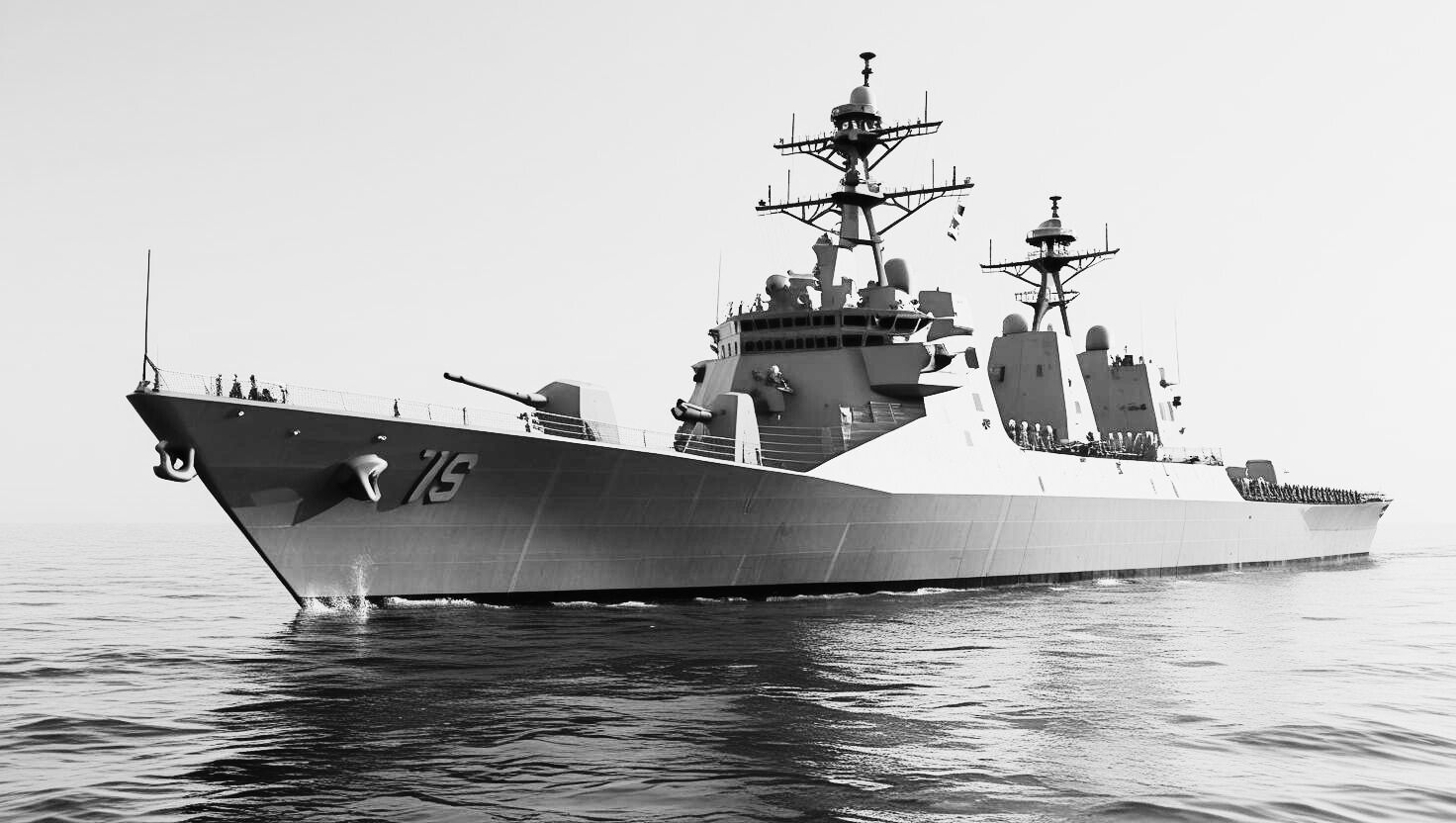
The modernization roadmap builds upon a proposed fiscal year 2027 budget request worth $65.8 billion and outlines major investments across surface combatants, submarines, carriers, amphibious vessels, and autonomous systems. Between fiscal years 2027 and 2031, the Navy plans to allocate $77.8 billion toward surface warfare platforms, including seven Arleigh Burke-class destroyers, four frigates, and three next-generation Trump-class nuclear battleships.
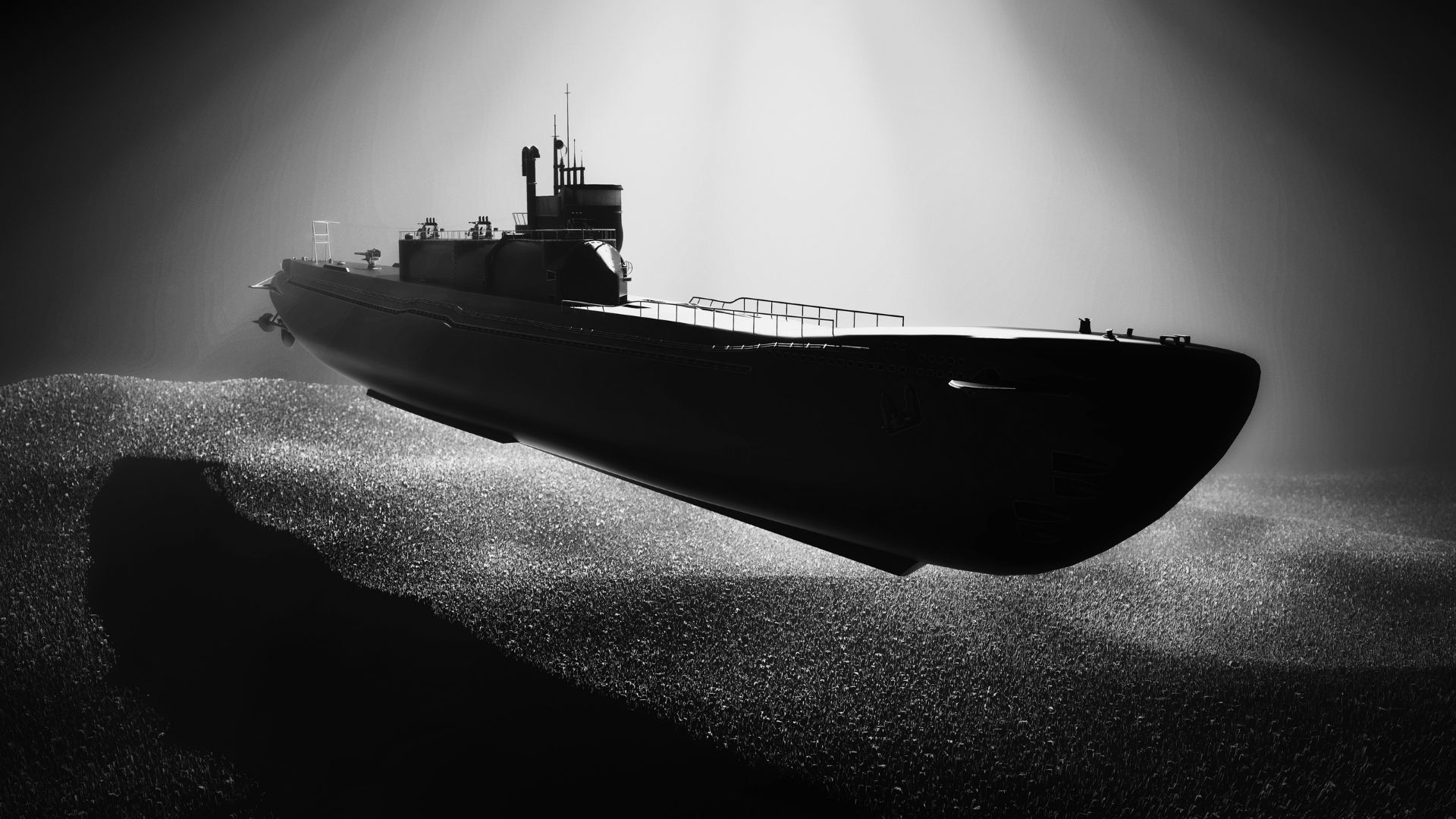
Submarine construction will receive the largest share of funding, with $124.9 billion earmarked for five Columbia-class ballistic missile submarines and 10 Virginia-class attack submarines. The Navy aims to achieve an annual production rate of one Columbia-class and two Virginia-class submarines by fiscal year 2031. Aircraft carrier programs are set to receive $22.3 billion, including accelerated procurement activities for Gerald R. Ford-class systems.
The plan also dedicates $29.3 billion for amphibious warfare vessels, including five landing platform docks, two landing helicopter assault ships, and 23 medium landing ships. In addition, the Navy intends to invest $15 billion in 21 auxiliary and logistics vessels alongside procurement of 47 medium unmanned surface vessels and 16 extra-large unmanned underwater vehicles to strengthen future autonomous naval operations.
To boost production capacity, the Navy is considering foreign investment and allied shipbuilding partnerships that would allow overseas shipyards to manufacture non-sensitive hull sections for destroyers, amphibious ships, and future nuclear battleships, while final assembly and integration of classified systems remain within US shipyards. The service is also seeking approval to build up to two auxiliary vessels overseas and continue limited foreign sustainment support for deployed ships.
The strategy further emphasizes acquisition and industrial reforms, including modular ship designs, expanded distributed manufacturing, and a target to increase nationwide distributed shipbuilding work from 10 percent to 50 percent. New Portfolio Acquisition Executive offices focused on Maritime, Undersea, and Robotics and Autonomous Systems will oversee future procurement efforts, while stricter contractor oversight and tighter control of evolving program requirements are expected to reduce delays and cost overruns.
Supporting the modernization drive is the Navy’s newly launched artificial intelligence-powered ShipOS platform, designed to improve ship construction and maintenance planning by tracking production schedules and identifying bottlenecks. Officials noted that early pilot programs reduced submarine schedule planning timelines from 160 manual hours to less than 10 minutes.