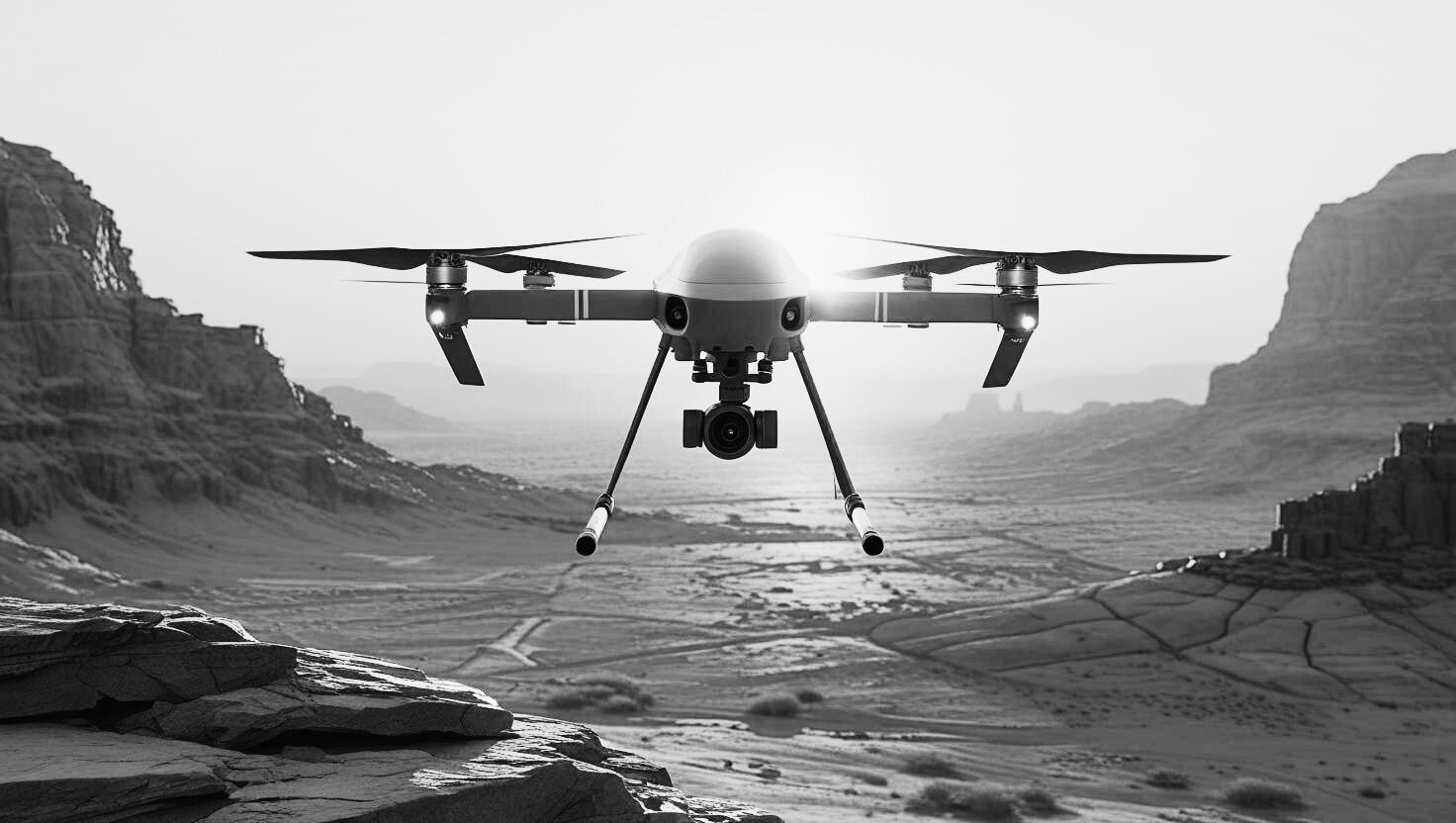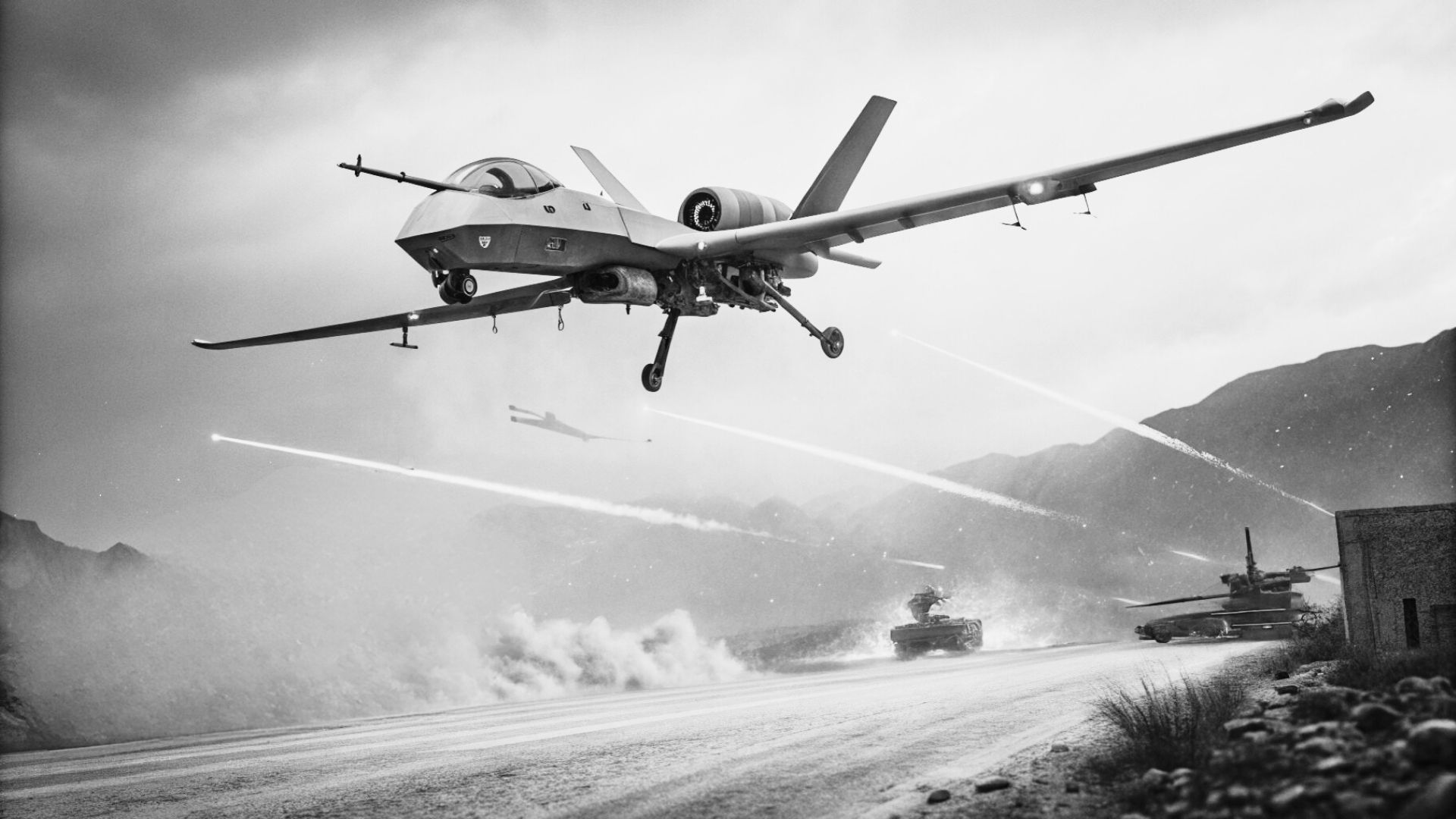
Aeronautical Development Establishment (ADE) has unveiled the first image of its attritable high-speed stealth swarm drones, signaling a major advancement in India’s efforts to field low-cost expendable unmanned systems for future combat operations.
The new design appears heavily influenced by ADE’s larger SWIFT UCAV program, adapting its stealth-oriented shaping and aerodynamic concepts into a smaller platform optimized for mass production, swarm tactics, and high-risk missions.
The drones are being developed as “attritable” systems — affordable enough to be deployed in large numbers while still retaining meaningful operational capability. Designed to operate in the high-performance subsonic regime, the platform aims to balance speed and endurance, allowing rapid penetration into contested airspace while preserving mission flexibility.
Its stealth-focused airframe design is intended to reduce radar cross-section, improving survivability against advanced air defense networks during deep-penetration operations.
One of the system’s defining characteristics is its high degree of autonomy. The drones are designed to conduct coordinated swarm operations with minimal continuous human control, enabling multiple platforms to function as an interconnected combat network.
This autonomous swarm capability allows drones to share data, synchronize attacks, and dynamically react to threats in real time, significantly complicating enemy air defense responses by overwhelming defensive systems with multiple simultaneous targets.
The platform also features a modular payload architecture, enabling integration of different sensors and warheads depending on mission requirements. This flexibility supports both intelligence, surveillance, and reconnaissance (ISR) missions as well as kinetic strike roles, including kamikaze-style attacks against high-value targets.
ADE stated that the drones will also support in-flight retargeting, allowing operators to modify mission parameters dynamically as battlefield conditions evolve.
Another major focus of the concept is scalable production. ADE’s approach emphasizes large-volume manufacturing, a critical factor in swarm warfare where operational effectiveness often depends on numerical mass rather than the survivability of individual systems.
By combining low unit cost with stealth, autonomy, and modular mission capability, the swarm drones are expected to act as force multipliers for the Indian Armed Forces in future high-intensity conflicts.