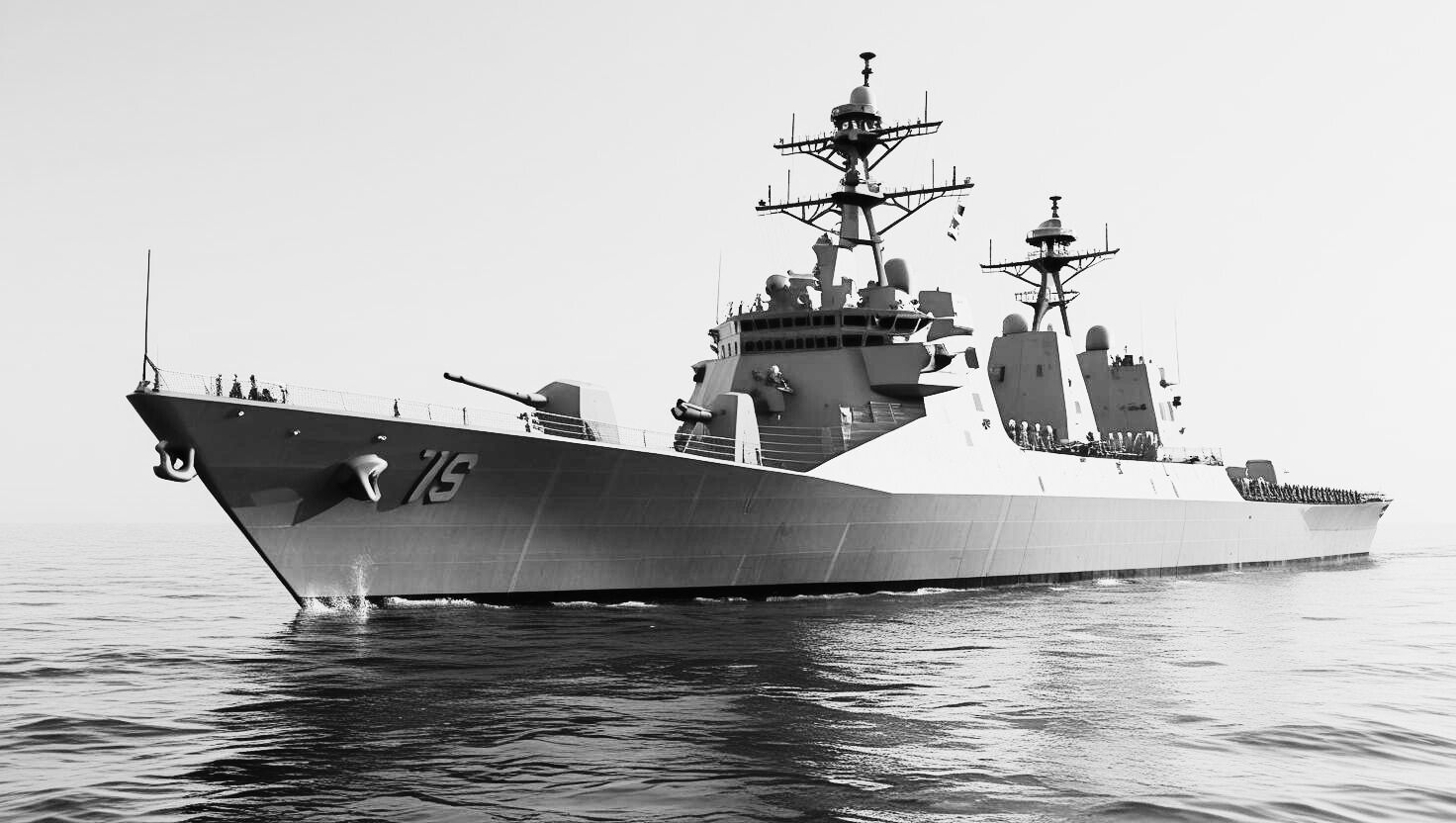
The US Department of State has approved a potential $11.9-billion Foreign Military Sale of Aegis-based integrated combat systems to support Germany’s future Type 127 frigate fleet.
The proposed package includes eight shipsets of Aegis MK 6 MOD X computing infrastructure, eight AN/SPY-6(V)1 active electronically scanned array S-band radar systems, and eight MK 41 Baseline VIII vertical launch systems.
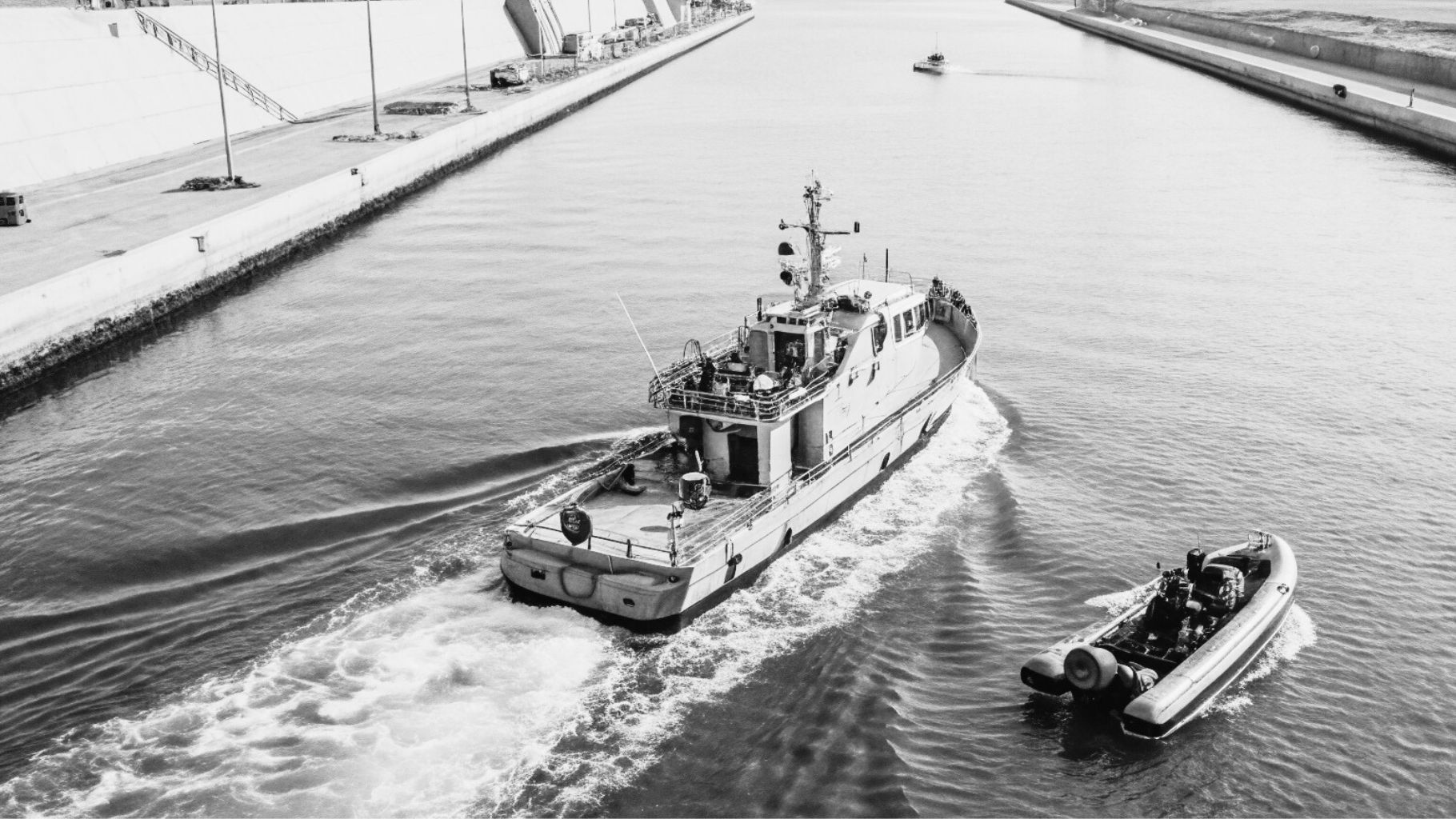
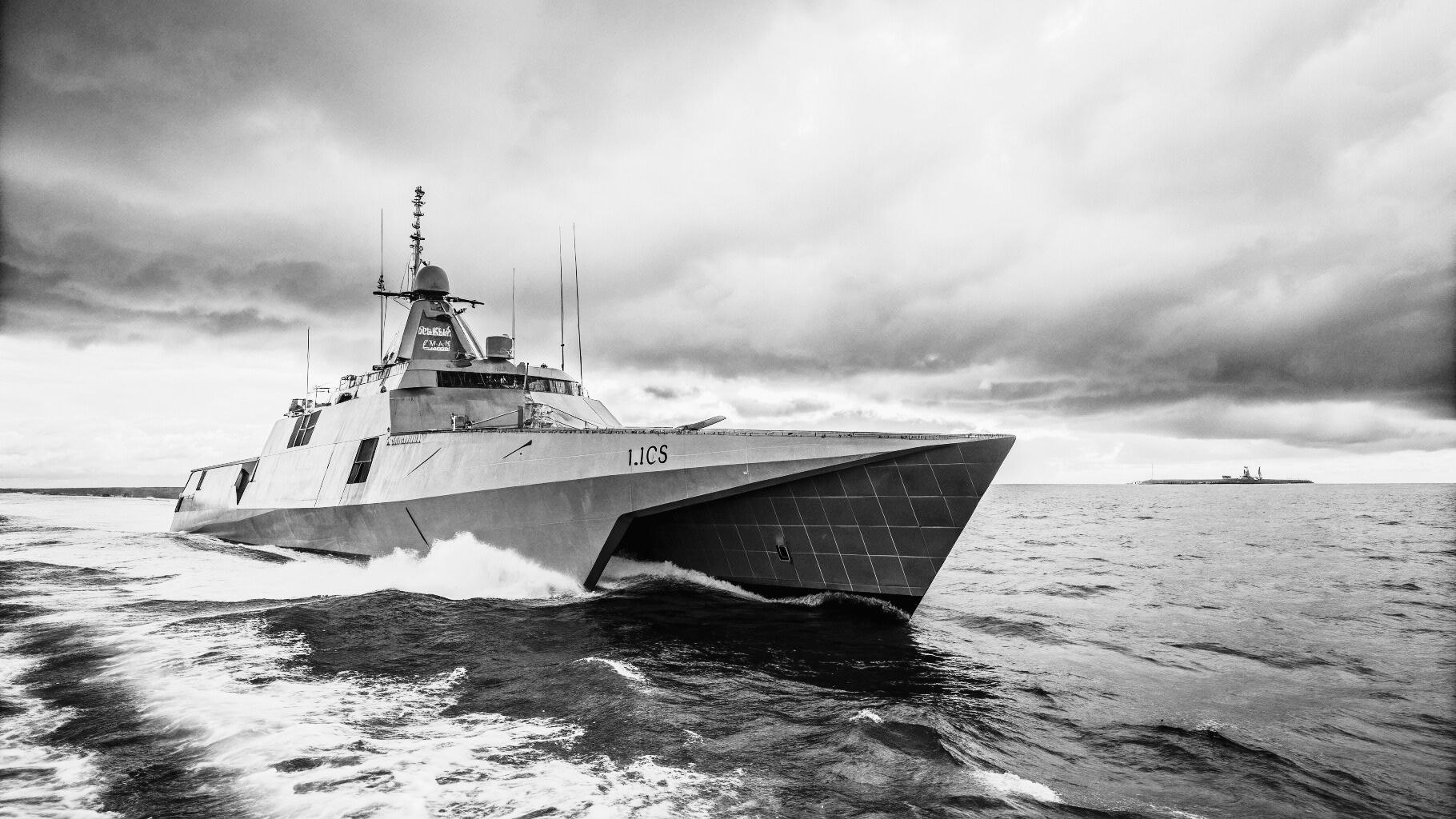
This approval represents a key milestone in Germany’s plan to procure eight Type 127 air defense frigates, designed to counter ballistic and potentially hypersonic missile threats.
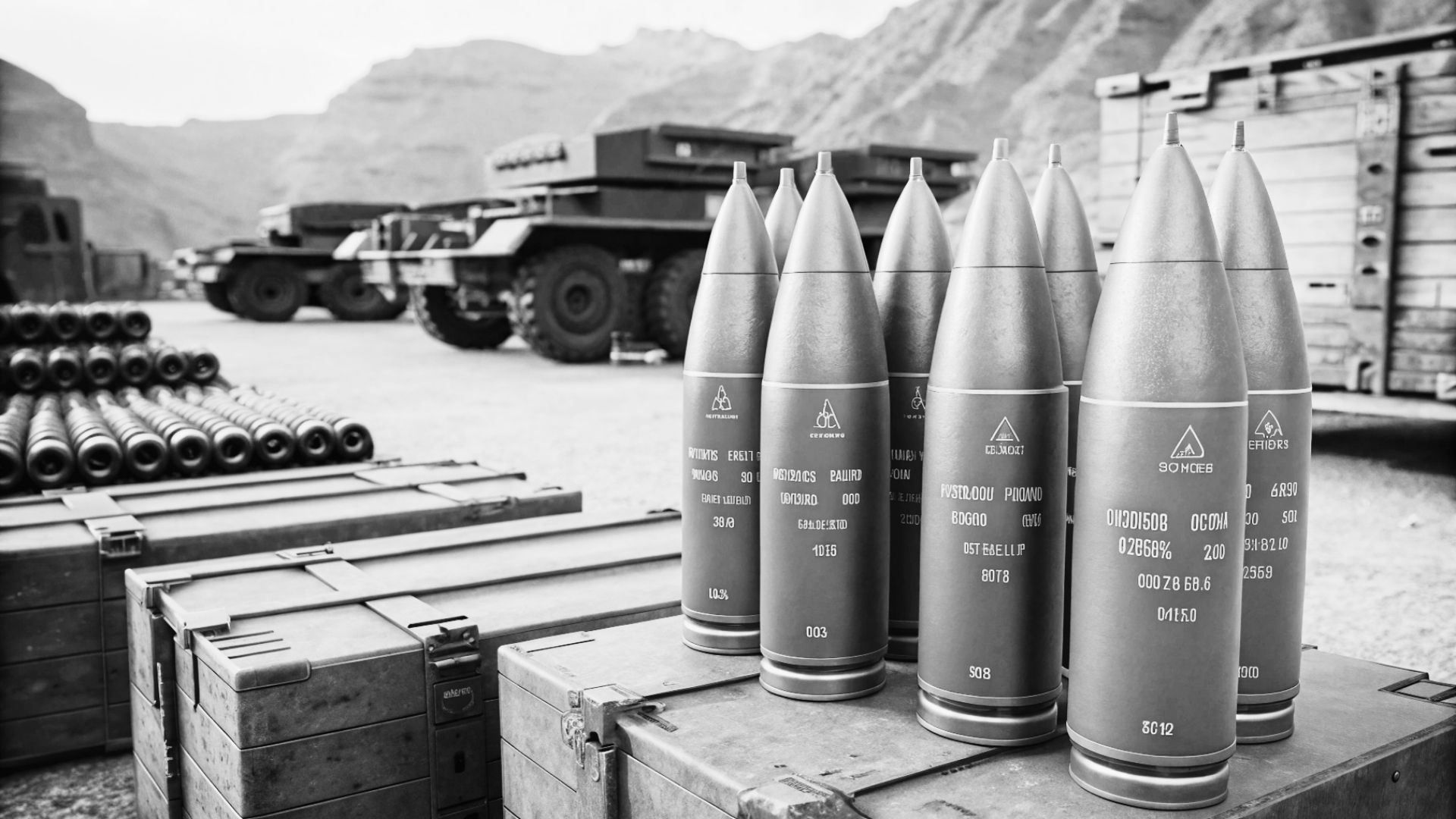
In addition, the State Department previously cleared a request in November for interceptor missiles, including Standard Missile-6 (SM-6) Block I and Standard Missile-2 (SM-2) Block IIIC variants. Germany has requested up to 173 SM-6 and 577 SM-2 missiles, valued at approximately $3.5 billion.
These ship-launched interceptors are capable of conducting anti-air warfare, anti-surface missions, ballistic missile defense, and sea-based terminal intercept operations.
Developed by Lockheed Martin, the Aegis Combat System has been in service with the US Navy since the 1980s and integrates radar, tracking, weapons control, and networked command into a unified architecture for air and missile defense.
At the core of the system is the AN/SPY phased-array radar, which can simultaneously track over 100 targets while guiding interceptors. Its command system processes incoming data, prioritizes threats, and coordinates responses.
Aegis employs vertical launch systems and missiles such as SM-3 and SM-6 to engage ballistic threats during midcourse and terminal phases. The system is widely deployed across allied navies, including vessels from the US, Japan, South Korea, Australia, and Spain.